
Did you know that owning a prairie dog can be a delightful yet complex journey? These charming creatures are not just fascinating with their intricate social structures and playful behaviors; they also come with specific legal guidelines that can vary significantly from state to state. Whether you’re a seasoned exotic pet owner or a curious newcomer, understanding the legality of owning prairie dogs is crucial in ensuring responsible pet ownership. As you navigate through this state-by-state guide, you’ll discover important insights into regulations, necessary permits, and potential challenges. This knowledge not only helps you make informed decisions but also fosters a deeper appreciation for these unique animals. So, let’s dig into the details and find out if a prairie dog could be the perfect addition to your family!
Understanding the Legal Status of Prairie Dogs by State
Knowing the legal status of prairie dogs in your state is crucial before considering them as pets. Prairie dogs, often seen as cute and social creatures, raise various legal concerns due to their classification and protection in different regions. It’s important to understand that laws regarding the ownership of prairie dogs can vary significantly from one state to another, primarily influenced by wildlife conservation efforts and ecological considerations.
In some states, prairie dogs are considered exotic pets, which may require a special permit for ownership. For instance, in California and New York, ownership is generally prohibited due to concerns over potential ecological impacts and the spread of disease. In contrast, states like Colorado or New Mexico may allow ownership with fewer restrictions, recognizing the cultural significance of prairie dogs in those areas.
As a prospective owner, always check your local regulations, as even counties within a state can impose additional restrictions. Be sure to prepare for the necessary permits or licenses, which can include veterinary health checks or inspections of your living environment to ensure suitability for these social animals. Keeping informed about your state’s wildlife laws will not only help you avoid legal trouble but also promote responsible ownership practices that benefit both you and the prairie dogs.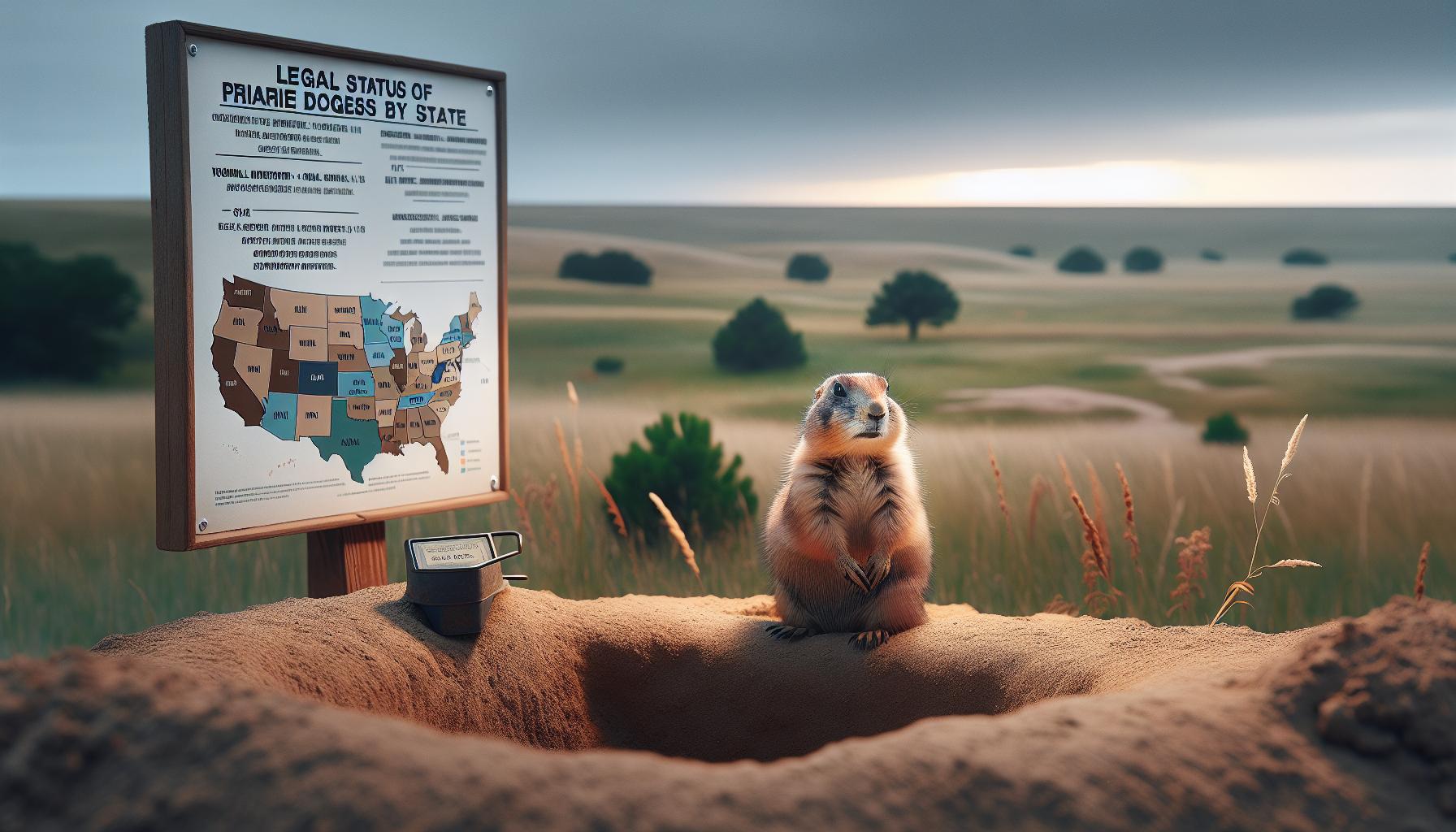
Key Factors Influencing Prairie Dog Ownership
Owning a prairie dog can be an exciting prospect for animal lovers, but it’s important to understand several key factors that influence the legality of their ownership across different states. Prairie dogs are more than just charming little creatures; they also have a complex relationship with local ecosystems and regulatory frameworks, making their legal status highly variable.
One of the first considerations is the classification of prairie dogs. In some states, they are classified as exotic pets and are subject to specific regulations. These laws can stem from concerns about ecological impacts, especially in areas where prairie dogs play a crucial role in their environmental context. For instance, states with smaller populations may impose stricter regulations to protect local wildlife. Conversely, in states where prairie dogs are abundant and culturally significant, regulations might be more lenient, sometimes allowing ownership without special permits.
The health and care requirements for prairie dogs also play a critical role in ownership decisions. Prospective owners must consider that prairie dogs are social animals that thrive in groups, making solitary ownership less ideal. Additionally, ensuring physical and social wellbeing often requires a commitment to creating an enriched environment and understanding their dietary needs. Owners should also be aware of potential health issues, including the risk of zoonotic diseases, which can be a concern with any exotic pet.
Lastly, local attitudes towards prairie dogs can heavily influence ownership. In some communities, these animals are viewed as pests rather than pets, leading to stricter regulations or outright bans. Engagement with local wildlife groups and understanding community sentiment can help prospective owners navigate these waters more effectively. Each of these factors plays a vital role in shaping the experience of owning a prairie dog, guiding potential owners towards making informed decisions that respect both the animals and the ecosystems they inhabit.
Health and Care Requirements for Prairie Dogs
With their quirky personalities and social structures, prairie dogs make fascinating pets, but owning one requires careful consideration of their unique health and care needs. Prairie dogs are highly social animals, thriving in groups, which means solitary living can lead to stress and behavioral issues. If you’re contemplating bringing a prairie dog into your home, it’s crucial to understand that they don’t just want a companion; they need one. Ideally, they should be kept in pairs or small groups to ensure their social needs are met.
Diet plays a significant role in the health of prairie dogs. These herbivores primarily feast on grass, leaves, and some vegetables. A balanced diet is essential to prevent obesity and related health problems. They also require fresh hay daily for digestion and dental health. It’s important to steer clear of processed foods or high seeds and nuts, which can contribute to health issues. Regular veterinary check-ups are essential as well, particularly to monitor for common conditions, such as dental disease and respiratory infections, which can arise if their diets and living conditions aren’t optimal.
Creating an enriching habitat is another key aspect of prairie dog care. These animals are natural diggers and love to burrow. A spacious enclosure that mimics their natural environment is vital; it should include areas to dig, climb, and explore. Avoiding isolation within their living quarters helps keep them mentally stimulated. Providing toys, climbing structures, and hiding spots can significantly enhance their quality of life.
Additionally, potential prairie dog owners should be aware of the zoonotic diseases that can be transmitted to humans, such as monkeypox and tularemia. Proper hygiene practices, such as washing hands after handling your pet or cleaning their habitat, are critical to avoiding health risks. By being aware of these considerations, you will not only ensure your prairie dog thrives but also enjoy a deeper bond with your new companion.
Habitat Needs: Creating a Prairie Dog Heaven
Creating a stimulating environment for prairie dogs is vital to their overall well-being. These social animals are natural diggers and burrowers, and their habitats need to reflect their instincts and behaviors. To truly make your home a prairie dog paradise, it’s important to provide ample space and an engaging environment that mimics their natural landscape.
A suitable enclosure is the first step in creating a home for your prairie dogs. Aim for a large space-if possible, a multi-level structure that includes tunnels, platforms, and digging areas. A substrate mixture of soil and grass can promote natural burrowing behavior, while providing safe areas to dig. Enrichment items such as cardboard tubing, tunnels, and chew toys can also keep them entertained and prevent boredom, which can lead to stress and destructive behavior.
Regularly changing and adding new elements to their enclosure can enhance stimulation. Think of incorporating small branches, hay, or even safe plants. Just as in the wild, provide hiding spots where they can retreat and feel secure. Remember, prairie dogs are inherently social creatures, so grouping them together in compatible pairs or small colonies will further enhance their quality of life.
When considering the climate and environment within their living space, make sure to maintain comfortable temperatures and ventilation. Prairie dogs thrive in environments that are dry rather than humid. Finally, always ensure that their habitat is safe from hazards, such as sharp objects or small openings where they might escape. By creating and maintaining a dynamic, safe habitat, you’ll help your prairie dogs lead satisfying and healthy lives, while nurturing the fascinating behavior that makes them such delightful companions.
Common Myths About Prairie Dog Ownership
Owning a prairie dog can seem like an exciting prospect, especially with their quirky personalities and social nature. However, there are several myths surrounding prairie dog ownership that can lead to misunderstandings. Let’s dispel some of the most common misconceptions to help potential owners make informed decisions.
One prevalent myth is that prairie dogs are low-maintenance pets due to their small size. In reality, these animals require a significant commitment in terms of care, social interaction, and habitat management. Prairie dogs are social creatures that thrive in social groups, so owning just one can lead to loneliness and stress. Additionally, their need for complex environments including burrows, tunnels, and safe enrichment activities means that prospective owners must invest time and resources into creating a suitable habitat.
Another common belief is that prairie dogs are similar to traditional pets like hamsters or guinea pigs. While they share some similarities as small mammals, prairie dogs have very specific dietary needs and behaviors that differ greatly from those animals. They are herbivores with a diet primarily consisting of grasses and greens. Neglecting this can lead to health issues. Moreover, unlike many pets, prairie dogs can be prone to certain diseases, such as plague, which requires special health considerations and veterinary attention.
It’s also a misconception that prairie dogs can be easily found at pet stores or through casual channels. In many states, their ownership is regulated, and purchasing them may require specific permits or must be sourced from licensed breeders. Therefore, it is vital for prospective owners to research their local regulations before acquiring a prairie dog. Failing to adhere to these laws can result in fines or confiscation of the animal.
By addressing these myths, we can foster a better understanding of what it truly means to be a prairie dog owner. They are fascinating, social, and engaging creatures, but owning one comes with its unique set of challenges and rewards. Educating yourself on their needs and taking a responsible approach to their care can lead to a fulfilling companionship with these remarkable animals.
Legal Restrictions and Permits: What You Need to Know
Owning a prairie dog can be as delightful as it is complex, but before you fall head over heels for these charming creatures, it’s crucial to understand the legal landscape surrounding their ownership. Not all states treat prairie dogs equally when it comes to pet regulations, and navigating these laws can feel like a maze. For example, while some states allow prairie dogs as pets without a permit, others may require licenses or completely prohibit ownership.
Each state has its own set of regulations. Here’s a quick breakdown of some common legal restrictions:
- California: Prairie dogs are illegal to own as pets in California.
- Texas: Permits are required for ownership.
- Florida: Prairie dogs can be owned, but specific local regulations may apply.
When considering adding a prairie dog to your family, start by consulting your state’s wildlife agency or local laws. Most states will have the current regulations listed on their official websites. This is especially important because laws can change, and what was once a legal practice might be restricted now. Ensure any prairie dogs you consider adopting come from a legal and responsible source, such as licensed breeders or rescue organizations. Not only does this comply with the law, but it also promotes ethical practices in wildlife conservation.
Consider the health and welfare of prairie dogs too-by ensuring you’re adhering to the law, you also contribute to collective efforts to protect their populations in the wild. If you’re thinking about acquiring a prairie dog, seek guidance from local veterinarians experienced in exotic pets. They can provide valuable insight not just on care, but also on the legal requirements for ownership in your area.
Comparing Prairie Dogs to Other Exotic Pets
reveals a colorful and diverse world of animal companionship that spans from the common to the unconventional. Prairie dogs, known for their sociable behavior and charming “barking” communications, can be likened to other small mammals like ferrets, guinea pigs, and rabbits in terms of their need for social interaction and proper habitat. Unlike cats or dogs that often thrive as solitary beings, prairie dogs are highly social creatures that flourish in pairs or small groups. This means potential owners should consider the additional commitment of caring for multiple animals to ensure their happiness and well-being.
When it comes to care, prairie dogs require specific dietary needs-a mix of hay, fresh vegetables, and fortified pellets-similar to guinea pigs, which also have strict dietary requirements. Their housing needs, however, can be more complex. Prairie dogs thrive in spaces that can mimic their natural burrowing environments, necessitating an enclosure that allows for digging and exploration. In contrast, animals like hamsters or rats may adapt more readily to smaller cages and simpler setups, making them easier for first-time exotic pet owners.
Moreover, while some exotic pets like reptiles require minimal interaction and specific temperature conditions, prairie dogs demand more attention and a stimulating environment. Their playful and curious nature means they need regular enrichment, including toys and space to explore. This active lifestyle can be daunting for some, unlike pets such as turtles or snakes, which often require less time for engagement.
In terms of legality, the landscape differs significantly between prairie dogs and other exotic pets. For example, many states have stringent laws regarding prairie dog ownership due to their wild status and the risks of disease transmission, while other exotic pets like ferrets or rabbits may more easily find their way into homes without the same level of regulatory scrutiny. Thus, prospective pet owners must thoroughly research their local laws and consider whether they are prepared for the unique responsibilities of caring for prairie dogs compared to other, perhaps more traditional, exotic pets.
Ultimately, prairie dogs offer a unique and engaging experience that may appeal to those drawn to these lively creatures, but it’s essential to weigh the pros and cons against other options in the exotic pet arena. By understanding their needs and legal restrictions, you’ll be better equipped to make an informed decision that fosters both animal welfare and personal satisfaction.
The Pros and Cons of Owning a Prairie Dog
Owning a prairie dog can be an exciting and rewarding experience, offering a glimpse into the life of these charming, social animals. However, before diving into the joys of prairie dog ownership, it’s crucial to weigh both the benefits and challenges associated with these unique pets.
One of the standout pros of having a prairie dog is their highly social nature. Known for their playful behavior and vocal interactions, these little critters are lively companions that thrive on social engagement. They often form tight bonds with their human caretakers, making them affectionate and responsive pets. Owning a pair can bring double the fun, as they entertain each other with their antics, reducing loneliness and providing endless amusement for their human friends. Further enhancing their appeal, prairie dogs are generally low-maintenance when it comes to grooming, as they keep themselves well-groomed and don’t require baths like some other exotic pets.
On the flip side, owning a prairie dog comes with its own set of challenges. First and foremost, prospective owners should consider the legalities involved, as many states have specific regulations and restrictions on owning prairie dogs due to their classification as wild animals. This can complicate the acquisition process, requiring thorough research and paperwork to ensure compliance with local laws. Furthermore, these animals require a specialized diet, ample space for digging, and specific habitat arrangements to mimic their natural environment, which can be more demanding than standard pets like hamsters or guinea pigs.
In addition to the care they require, prairie dogs are prone to certain health issues, such as dental disease and obesity, necessitating regular veterinary check-ups and a well-managed diet. Owning these lively creatures is a commitment that lasts many years, often up to a decade or more, which may not suit everyone’s lifestyle or living situation.
Ultimately, prairie dogs can bring joy and companionship into a home, offering a unique pet experience. However, potential owners must be prepared for the responsibilities involved, from legal considerations to health care needs, ensuring that they are ready to provide a happy and healthy environment for their new furry friends.
Responsible Ownership: Ethics and Conservation
Owning a prairie dog is not just about having a quirky pet; it’s an opportunity to engage in ethical wildlife stewardship. As social creatures, prairie dogs thrive in dynamic environments that mimic their natural habitats. Yet, with that comes a responsibility to understand their role in the ecosystem and the implications of keeping them as pets. Unlike common domesticated animals, prairie dogs are classified as wild mammals, leading to varying legal restrictions that emphasize the need for responsible ownership.
Ethical ownership begins with recognizing prairie dogs as a species that has significant social structures and behaviors. In the wild, they live in colonies and have complex communication systems. Thus, it’s important to consider adopting more than one to help fulfill their social needs. Prairies are their natural homes, and owners must strive to recreate a stimulating environment that allows for digging and social interactions. Simple habits, such as creating a safe outdoor enclosure that replicates their habitat, can go a long way in promoting their well-being.
Contributing to conservation not only involves responsible ownership but also advocating for their preservation in the wild. Prairie dog populations are essential to their ecosystems, acting as keystone species that benefit numerous other wildlife, such as birds of prey and various burrowing animals. By educating oneself and others on the ecological importance of prairie dogs, pet owners can help raise awareness on their conservation. Supporting local wildlife sanctuaries and participating in initiatives aimed at preserving their natural habitats are excellent ways to engage in conservation efforts.
Furthermore, understanding and following local regulations is critical. Many states enforce strict laws regarding the ownership of prairie dogs, often requiring permits or special conditions to keep them legally. Researching legal requirements and ensuring compliance assures that potential owners are also contributing to the protection of these animals and their habitats. Ultimately, responsible ownership goes beyond personal enjoyment; it aligns with broader conservation efforts that respect the delicate balance of nature and acknowledge our role in maintaining it.
Resources for Prairie Dog Owners and Enthusiasts
While prairie dogs might not have the glamor of more common pets, they are fascinating creatures deserving of knowledgeable and responsible caretakers. For those looking to explore prairie dog ownership or simply to learn more about these social animals, several resources can enhance your journey.
Educational Resources
Understanding prairie dogs’ unique characteristics and needs is crucial. Websites like the “Prairie Dog Coalition” and “Wildlife Rehabilitation Center” provide valuable insights into their natural behaviors, habitat requirements, and social structures. These platforms often publish research articles, care guides, and community forums where enthusiasts can share experiences and advice.
Moreover, dedicated books such as “The Prairie Dog Handbook” offer in-depth information on their diet, care routines, and how to create a habitat that closely resembles their natural environment. Joining forums or social media groups focused on prairie dog care can also provide a support network where owners can ask questions and share tips.
Legal Guidance
Before acquiring a prairie dog, it’s essential to be aware of the legal obligations involved. Each state has specific regulations regarding the ownership of prairie dogs. Websites like “Animal Legal & Historical Center” offer comprehensive guides on state-by-state laws that pertain to exotic pets, including prairie dogs. This information helps ensure compliance and promotes responsible ownership practices.
Conservation Efforts
Engaging with local wildlife organizations not only enriches your understanding of prairie dogs but also helps in conservation efforts. Many organizations participate in habitat restoration projects that benefit wild prairie dog populations. Getting involved allows you to contribute to their preservation while learning more about their ecological importance.
Health and Well-Being
Veterinary care is crucial for maintaining the health of your prairie dog. Connect with veterinarians who specialize in exotic pets, and consult resources like the “American Animal Hospital Association” for finding certified exotic animal practitioners. Regular check-ups and vaccinations are essential to keep your pet healthy and happy.
In sum, being well-informed and connected with the right resources will prepare you for the rewarding journey of prairie dog ownership. As these little creatures bring joy and character into your home, you can simultaneously become an advocate for their conservation in the wild.
How to Legally Acquire a Prairie Dog in Your State
Acquiring a prairie dog as a pet requires careful attention to legality, as regulations vary widely from state to state. Before embarking on this journey, it’s essential to know whether prairie dogs are considered legal pets in your area and what specific requirements you need to fulfill for ownership. For instance, some states may only allow prairie dog ownership with a special permit, while others may have outright bans. Always check your state’s wildlife agency or agricultural department for the most accurate and current regulations.
When you’re ready to acquire a prairie dog, consider sourcing your pet from reputable breeders or rescue organizations. This ensures that your new furry friend has been ethically raised and can contribute to responsible ownership. Avoid acquiring prairie dogs from pet stores or unverified sources, as these animals may originate from questionable breeding practices that can neglect their health and welfare.
Additionally, you will want to ensure that you have the necessary supplies and habitat ready before bringing home a prairie dog. They require a spacious enclosure that mimics their natural environment, complete with tunneling options and social interactions, as prairie dogs are highly social creatures. Connecting with online communities or local prairie dog owners can provide valuable information and support, helping you create a suitable home where your prairie dog can thrive.
Key Steps to Legally Acquire a Prairie Dog:
- Research state-specific regulations on prairie dog ownership.
- Find reputable breeders or consider adoption from wildlife rehabilitation centers.
- Prepare the proper habitat and enrichment for your new pet.
- Engage with local communities for shared experiences and advice on care.
Remember, owning a prairie dog is not just a pet ownership experience; it involves a commitment to understanding their unique needs and being a responsible guardian. With careful planning and education, you can responsibly welcome a prairie dog into your home.
Frequently Asked Questions About Prairie Dog Ownership
It’s fascinating to think about how prairie dogs, with their intricate social structures and unique behaviors, have captivated the hearts of many potential pet owners. However, before you rush to bring one of these charming critters into your home, it’s essential to address some common queries about prairie dog ownership, particularly concerning legality and responsible care.
One of the most frequent questions is whether prairie dogs are legal to own in various states. The answer is a resounding “it depends.” In some states, prairie dogs can be kept as pets with little more than a purchase fee, while others impose strict regulations or outright bans due to concerns about wildlife conservation and public health. For instance, states like California and New York have stringent laws prohibiting the ownership of prairie dogs, whereas places such as Colorado have more lenient policies. Always consult your local wildlife agency to ensure compliance with these laws and avoid hefty fines or the relinquishment of your pet.
Another point of confusion often revolves around the care requirements of prairie dogs. These creatures are highly social and thrive in groups, meaning they need plenty of companionship and space to roam. It’s important to provide a large, suitably enriched habitat that allows for their natural burrowing behaviors. Additionally, diet plays a crucial role in their health; a proper diet mimicking their natural feeding habits-rich in hay, grasses, and occasional veggies-is vital for preventing common health issues. New owners should also be prepared for regular veterinary care, emphasizing the need for vaccinations and health check-ups.
In terms of myths, many assume prairie dogs are low-maintenance pets. However, their behavioral and social needs can be quite demanding. They require companionship-ideally, they should be kept in pairs or groups-to prevent loneliness and stress. A single prairie dog can become depressed or develop behavioral issues if isolated. Thus, understanding these nuanced aspects of ownership is essential to fostering a happy, healthy prairie dog in your home.
Remember, owning a prairie dog isn’t just about the initial excitement; it’s a long-term commitment that requires serious consideration of their legal status, social needs, and overall care. By doing your homework, you can ensure that your journey with these remarkable animals is both fulfilling and responsible.
Frequently Asked Questions
Q: Is it legal to own prairie dogs as pets in the United States?
A: Yes, it can be legal to own prairie dogs in the United States, but laws vary by state. Be sure to check local regulations as some states restrict ownership or require permits.
Q: What states allow prairie dog ownership?
A: Ownership of prairie dogs is permitted in states like Arizona, Texas, and Florida. However, states like California and New York have strict regulations or bans. Always verify your state’s laws for the most current information.
Q: Do I need a permit to own a prairie dog?
A: In many states, a permit is required to own a prairie dog. Check your state’s wildlife agency for specific requirements to ensure compliance before purchasing one.
Q: What are the penalties for owning a prairie dog illegally?
A: Penalties for illegal ownership can include fines, confiscation of the animal, and potential criminal charges. It’s crucial to follow legal guidelines in your state to avoid these consequences.
Q: Can I adopt a prairie dog from a shelter or rescue?
A: Yes, you can adopt prairie dogs from certain shelters or rescues that focus on exotic animals. Ensure that you understand the legal requirements and health needs of prairie dogs before adopting.
Q: What health considerations should I be aware of before owning a prairie dog?
A: Prairie dogs can carry diseases and require specific vaccinations. Regular veterinary care and a proper diet are essential for their health. Review the section on health and care requirements for confirmed details.
Q: How do prairie dogs adapt to captivity?
A: Prairie dogs can adapt to captivity if provided with ample space, social interaction, and care that meets their behavioral and habitat needs. Establish a suitable environment to ensure their well-being.
Q: What are the common misconceptions about owning prairie dogs?
A: Common myths include that prairie dogs make low-maintenance pets or can live alone. In reality, they require social interaction and specific care. Check our section on common myths for in-depth insights.
The Conclusion
As you wrap up your exploration of whether it’s legal to own a prairie dog, remember that understanding the nuances of state regulations is crucial for responsible ownership. With varying laws and potential penalties, being informed will help you make the best choices for you and your future pet. If you’re interested in learning more about care needs and habitat requirements, check out our articles on prairie dog behavior and the essentials of creating a suitable environment.
Now that you have this valuable knowledge, don’t hesitate to dive deeper into our resources. Whether you’re considering ownership or simply a fan of these fascinating creatures, join our newsletter for updates on wildlife care, or explore our community discussions to connect with fellow enthusiasts. Your next step towards responsible prairie dog ownership or simply learning more about these social animals begins here! Don’t wait-engage with our content today and become a part of our vibrant community!
Get our latest guides, news, and insights highlighted in your Google Search & AI Overviews.