
Did you know that prairie dogs are not only fascinating animals, but they also play a crucial role in their ecosystem, often referred to as a “keystone species”? If you’ve ever considered owning one, this complete guide will help you navigate the exciting yet complex journey of prairie dog ownership. From understanding their social behaviors and habitat needs to ensuring their health and happiness, it’s essential to provide the care these lively critters require. You’ll learn about their burrowing tendencies, dietary needs, and how to create a safe environment, addressing your concerns while fostering a deep connection with your new pet. So, whether you’re an experienced exotic animal enthusiast or a curious newcomer, this guide will equip you with valuable insights and practical tips to help you successfully welcome a prairie dog into your home. Let’s dig deeper into the wonderful world of prairie dogs!
How Prairie Dogs Fit into Your Home Life
Living with a prairie dog can be a delightful adventure, offering a unique and enriching experience for animal lovers. These small, social creatures are not just pets; they bring their own vibrant personality and charm into your home. Imagine the joy of watching your prairie dog burrow through their bedding, perform little acrobatics, and communicate with delightful chirps and whistles. However, to create a harmonious home environment for both you and your prairie dog, understanding their needs and behaviors is crucial.
Prairie dogs are highly social animals that thrive on interaction. They form strong bonds with their human caretakers and can exhibit affection in various ways, like following you around or sitting on your lap. However, they also require ample social stimulation. It’s beneficial to spend time engaging them in play and offering opportunities for physical activity to ensure they remain happy and healthy. Consider establishing a routine that includes regular play sessions and interactive toys, as this not only keeps them entertained but also reinforces your bond.
Creating an accommodating living space is another vital aspect. Prairie dogs need a secure and spacious habitat that mimics their natural environment, with plenty of space to dig, explore, and exhibit their natural behaviors. A multi-level cage with tunnels and platforms can simulate their burrowing lifestyle. Also, incorporating safe chew toys and hiding spots can enhance their sense of security and provide mental stimulation.
Being responsible prairie dog owners means also being aware of their legal aspects. Before bringing one into your home, check local laws and regulations, as laws regarding ownership can vary greatly by location. By ensuring that you are well-informed and prepared, you’ll pave the way for a rewarding companionship with your prairie dog, filled with joy, laughter, and a deeper appreciation for the natural world.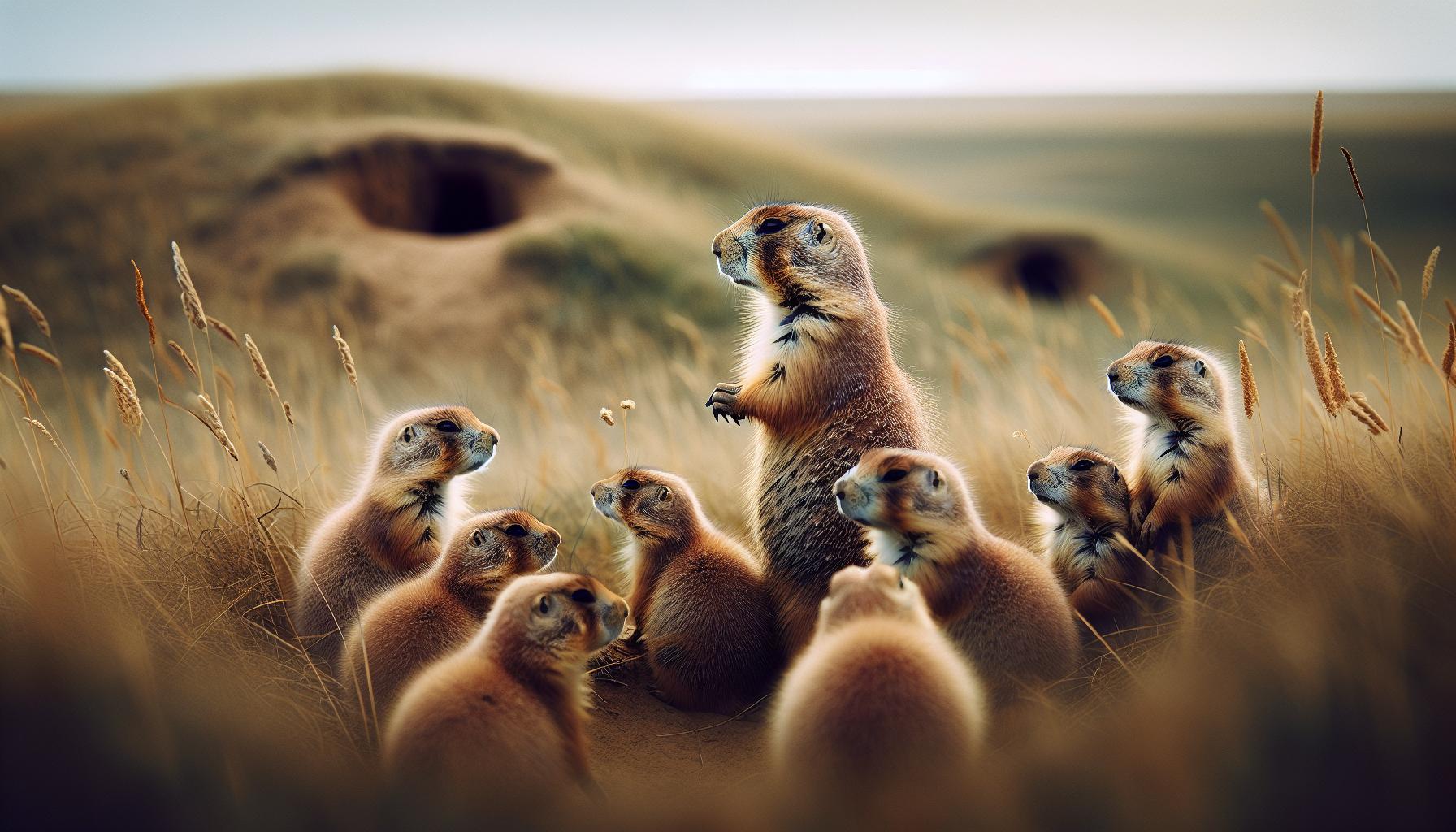
Understanding Prairie Dog Behavior and Social Needs
Prairie dogs, with their lively antics and complex social structures, are more than just adorable pets-they’re fascinating creatures that require understanding to thrive in a home environment. One striking feature of prairie dog behavior is their highly social nature; they are built for community living. In the wild, they live in colonies called coteries, often consisting of dozens of individuals. These social bonds manifest in their interactions with humans, as they seek companionship and can develop deep attachments. Watching them interact can be a delightful experience, akin to having a playful toddler in the house, filled with curiosity and affection.
To meet the social needs of a prairie dog, it’s essential to provide ample stimulation. This can include spending time playing with them, providing a variety of toys, and perhaps considering more than one prairie dog to mimic their natural social structure. Prairie dogs are naturally inclined to burrow and explore, so ensuring they have space to dig and roam is vital for their mental well-being. They thrive on routine and can become anxious if their environment is suddenly changed, so maintaining a consistent schedule for feeding and playtime helps them feel secure.
Moreover, understanding their communication is critical. Prairie dogs are known for their vocalizations, which are sophisticated and can even convey warnings about predators. Engaging with them through playful sounds or mimicry can enhance your bond. For example, you may notice your prairie dog responding to your voice or actions, indicating they recognize you as part of their social group. This interaction not only keeps them happy but also enriches your relationship, making it more rewarding for both parties.
In summary, providing an engaging, stable, and socially rich environment is key to understanding and meeting the behavioral needs of prairie dogs. By fostering their natural instincts and ensuring regular social interaction, you can enjoy a fulfilling companionship with these charming little creatures.
Creating the Perfect Habitat for Your Prairie Dog
Creating a habitat for your prairie dog is an exciting endeavor that allows you to mimic the expansive, social colonies they thrive in the wild! These charismatic creatures have complex burrowing and social needs that must be met to keep them healthy and happy in your care. Understanding their natural behaviors can guide you in designing a space that enhances their well-being and enriches their lives.
To start, it’s crucial to provide enough space. Prairie dogs typically live in large communities, so consider dedicating a roomy enclosure-ideally at least 6 feet long, 3 feet wide, and 2 feet tall-for a pair of prairie dogs. Using a wire mesh cage can allow for proper ventilation and visibility, but ensure it has a solid bottom to prevent escapes. A multi-level setup can give them more vertical space to explore and play. Make sure to line the bottom with a soft substrate, like aspen shavings or shredded paper, which is not only comfortable but also promotes natural digging behavior.
Next, incorporate enrichment features that cater to their natural instincts. Prairie dogs are known for their burrowing; providing tunnels and hideaways will engage their natural behaviors. You can fashion tunnels from PVC pipes or use commercially available rabbit tunnels. Include various toys-such as chewable wooden blocks, forage balls, and climbing structures-to stimulate their minds. Just remember to rotate these toys regularly to maintain their interest and reduce boredom.
Don’t overlook the importance of social interaction. Prairie dogs are social animals that thrive in groups. If possible, adopt more than one to satisfy their need for companionship. Always monitor their interactions to ensure compatibility and mitigate any aggressive behaviors. If you opt for a single prairie dog, spend quality time playing with them daily to foster a strong bond.
Lastly, consider the habitat’s temperature and light conditions. Prairie dogs thrive in warm environments, so keep their enclosure in a room that maintains a temperature between 65°F and 75°F. Aim for natural light during the day, but provide a shaded area so they can retreat when needed. By thoughtfully considering these elements, you’ll create a perfect habitat that mirrors their natural environment, offering your prairie dog both a home and a playground.
Creating this enriching space will not only help your furry friend thrive, but it will also bring joy and curiosity into your home. With the right setup, you’ll set the stage for a rewarding and enjoyable companionship with these fascinating animals!
Essential Supplies for Prairie Dog Ownership
To truly care for a prairie dog as a pet, it’s essential to equip yourself with the right supplies to ensure their health, happiness, and well-being. These charming rodents are not just cute companions; they thrive in environments that cater to their natural behaviors and social needs, making the choice of supplies critical in their journey of companionship.
One of the most important items is a spacious enclosure. Aim for a multi-level cage, ideally at least 6 feet long, 3 feet wide, and 2 feet tall to accommodate jumping and climbing-a nod to their natural burrowing instincts. Enclosures made of sturdy materials with wire mesh allow for ventilation while keeping your prairie dog secure. Inside, a layer of soft bedding like aspen shavings or shredded paper provides comfort and encourages digging, which is vital for their psychological health.
Next, enrichment items are crucial to engage their curious minds. Invest in a variety of structures for climbing and hiding such as tunnels made from PVC pipes, storage tubes, or commercially available rabbit tunnels. Swinging toys, chewable blocks, and forage balls stimulate their instincts and prevent boredom. Regularly changing or rotating their toys can keep their environment lively, similar to how they would explore their wild colonies.
Another necessity is a proper diet. A high-quality prairie dog food along with fresh vegetables daily will give them the nutrients they require. Calcium-rich treats like Timothy hay can be beneficial, while avoiding sugary snacks is a good practice to prevent health issues. Always ensure fresh water is accessible, using a heavy water bottle to avoid spills and mess.
Finally, consider general supplies for their care, such as a health kit with basic veterinary essentials (like a good quality scale to monitor their weight) and a backup plan for emergencies. Having a veterinarian who specializes in exotic pets is invaluable for routine check-ups and advice.
By assembling these essential supplies, not only do you create a thriving environment for your prairie dog, but you also set the groundwork for a bond filled with joy and companionship. The right tools will help you navigate the fascinating journey of prairie dog ownership, leading to a fulfilling experience for both you and your adorable pet.
Nutritional Needs: Feeding Your Prairie Dog Right
Maintaining a well-balanced diet is crucial for the health and happiness of your prairie dog. These delightful little creatures are herbivores in their natural habitat, primarily grazing on grasses, seeds, and other plants. To replicate their natural feeding habits, you should focus on providing a diet rich in fiber and low in fat. The right food not only supports their digestive system but also contributes to their overall well-being.
A high-quality commercial prairie dog pellet serves as a solid foundation for their diet. These pellets are specifically formulated to meet the nutritional requirements of prairie dogs, ensuring they get the necessary vitamins and minerals. Alongside pellets, fresh vegetables should be offered daily. Leafy greens such as romaine lettuce, cilantro, and dandelion greens are excellent choices, while carrots and bell peppers can be included in moderation due to their sugar content.
Calcium-Rich Foods
In addition to their main diet, incorporating calcium-rich treats is important, especially for growing or pregnant prairie dogs. Timothy hay is highly recommended as it provides essential calcium and aids digestion. You might also consider small amounts of alfalfa hay, but this should be limited since it is higher in calories and protein. Keep an eye on portion sizes-too much can lead to obesity.
Hydration
Never underestimate the importance of hydration. Fresh water must be available at all times to keep your prairie dog properly hydrated. Using a sturdy water bottle with a sipper tube can prevent spills and ensure clean water access. Change the water daily to promote freshness and encourage drinking.
Foods to Avoid
Certain foods can pose health risks to prairie dogs. It’s best to steer clear of sugary snacks, processed foods, and high-fat treats like nuts and seeds. Avoid feeding them fruits regularly as their high sugar content can lead to obesity and dental problems. Additionally, never offer dairy products or meat; prairie dogs lack the necessary enzymes to digest these foods effectively.
With a balanced diet reflecting their natural preferences, your prairie dog will thrive and provide you with a fulfilling companionship. Proper nutrition not only supports their physical health but also enhances their energetic and playful personality, allowing you to enjoy fun, interactive moments together.
Health Care Insights for a Happy Prairie Dog
The health and well-being of your prairie dog hinge on proactive care and attention to their specific needs. These charming rodents are social animals requiring more than just a cozy habitat; they thrive when they receive regular veterinary care, mental stimulation, and proper social interaction. Engaging with your prairie dog can lead to signs of happiness, like playful behaviors and vocalizations.
Regular veterinary visits are vital. It’s suggested to find a vet experienced with exotic pets, as prairie dogs often need vaccinations and routine health checks. These check-ups can identify issues like dental problems-a common concern since their teeth continuously grow. Ensuring they have appropriate chew toys helps keep their teeth trimmed and healthy, mimicking their natural behaviors of gnawing on materials in the wild.
Observation of Behavior
Keeping a watchful eye on your prairie dog’s behavior can also alert you to any health issues early on. Signs of distress, such as lethargy, changes in appetite, or unusual vocalizations, should prompt a visit to the vet. Prairie dogs communicate a lot through their body language, so understanding their normal behaviors will help you spot anomalies. For example, an increase in burrowing or hiding may indicate stress or discomfort.
Environment and Enrichment
Providing a stimulating environment is also crucial. Prairie dogs enjoy complexity in their habitat, so consider introducing tunnels and climbing structures. Regular changes to their environment can help prevent boredom and related issues, promoting better mental health. Additionally, social interaction is key; if possible, having more than one prairie dog can help satisfy their social needs, allowing for natural behaviors and bonding.
Countless joy comes from nurturing these intelligent creatures. A healthy prairie dog is an active one, showcasing their curious nature and strong personalities. By focusing on health care, you foster a fulfilling relationship built on trust and companionship, elevating the experience of prairie dog ownership to a rich and rewarding journey.
Common Challenges in Prairie Dog Ownership
Owning a prairie dog can be an incredibly rewarding experience, but it’s not without its challenges. These social and intelligent creatures have specific needs that must be met to ensure they thrive in a domestic environment. One of the most significant hurdles new owners face is understanding their complex social behaviors and behavioral needs. Prairie dogs are highly social animals and don’t do well in isolation. Therefore, if you choose to keep one as a pet, it’s often advisable to adopt at least two to prevent loneliness and promote natural behaviors, which can be a challenge if you’re not prepared for the extra responsibility.
Another common difficulty in prairie dog ownership is their dietary requirements. Prairie dogs require a diet rich in fiber and low in fat, primarily consisting of hay, fresh vegetables, and specially formulated pellets. Finding the right balance can be tricky, especially since some commercial diets contain additives that are not suitable for them. Additionally, monitoring their weight is crucial because obesity can lead to serious health issues. Regular vet visits, ideally with a veterinarian experienced in treating exotic pets, are essential for maintaining their health and catching any potential problems early.
Space is another important consideration. Prairie dogs are burrowing animals that thrive in environments where they can dig, explore, and play. Providing a suitable habitat that mimics their natural environment is crucial for their mental and physical well-being. This includes creating a spacious and enriched enclosure, complete with tunnels and chew toys. However, if space is limited, it may lead to frustration for the animal, resulting in stress and behavioral problems.
Lastly, potential owners should be aware of legal regulations surrounding prairie dog ownership, as some areas have restrictions or require permits. It’s vital to research local laws before bringing one of these adorable creatures into your home, ensuring that you’re compliant and providing a safe environment for your new friend. By being aware of these common challenges and preparing accordingly, you can create a fulfilling companionship that enriches both your life and the life of your prairie dog.
The Legal Aspects of Owning a Prairie Dog
Owning a prairie dog certainly brings joy, but as with any unique pet, there are legal considerations to keep in mind. Surprisingly, not all states or localities regard prairie dogs as conventional pets. In some regions, they may be classified similarly to wildlife, which impacts their legality. Before adopting a prairie dog, it’s vital to research local regulations. Each state has its own laws regarding the possession, breeding, and sales of exotic pets, including prairie dogs. In places like California, for example, prairie dogs are illegal to own as pets, while states like Montana may have more permissive policies.
When considering adding a prairie dog to your family, check for any necessary permits. Some jurisdictions require prospective owners to obtain a special license or permit before they can legally keep a prairie dog. This often entails demonstrating a commitment to proper care and habitat provision, showing you understand the responsibilities involved. On the other hand, failure to comply with these regulations can result in hefty fines or the forced adoption of your pet.
It’s also essential to think about the source from which you acquire your prairie dog. Only purchase from reputable breeders who comply with local wildlife regulations. This ensures that your new furry friend is healthy and that you’re not inadvertently supporting illegal wildlife trading. Additionally, check local wildlife agencies for resources or lists of approved breeders and rescue organizations.
Consider community-specific ordinances as well, which may impose restrictions based on property type or zoning laws. For example, housing associations might have rules against keeping certain types of pets. Thus, successful prairie dog ownership begins with thorough research into both state and local laws, combined with a clear understanding of your responsibilities as a pet owner. Striking this balance ensures that you can offer a safe and loving home for your prairie dog while staying within legal boundaries.
Socialization Tips: Making Friends with Your Prairie Dog
Establishing a bond with your prairie dog can be one of the most rewarding aspects of ownership. These creatures are highly social animals, often thriving on interaction and companionship, both with their own kind and with humans. To foster a strong relationship with your prairie dog, it’s vital to approach them patiently and lovingly, allowing them to adjust to their new home and trust you as their caregiver.
Begin by creating a calm and secure environment. Prairie dogs can be skittish, especially during their initial days in a new space. Spend time near their habitat, speaking softly to them. This gentle presence helps them acclimate. It might take time, but showing consistent attention can build that essential trust. When your prairie dog begins to explore or approach you, reward their curiosity with treats to reinforce positive behavior.
Regular interaction is key. Engage your prairie dog through play and structured socialization. Use toys that stimulate their natural digging and burrowing instincts, like cardboard tubes or paper bags filled with hay. This not only entertains them but also helps bridge the gap in communication between you and your pet. You may also consider having a routine-a specific time each day dedicated to bonding, whether it’s playtime or simply sitting together.
As you bond, pay attention to their body language. Prairie dogs communicate through a variety of vocalizations and movements. Understanding their signals can enhance your relationship. For instance, if they stamp their back feet, it’s a warning to other prairie dogs that they perceive danger; similarly, if your prairie dog nibbles on your fingers playfully, it’s a sign of affection rather than aggression. Learning these nuances can help you respond appropriately, making your prairie dog feel more secure and loved.
In summary, socializing with a prairie dog requires patience, understanding, and mutual respect. By creating a supportive environment, engaging with them regularly, and being observant of their behaviors, you will cultivate a fulfilling friendship that enriches both your lives. Prairie dogs are not just pets; they can become beloved companions that truly thrive in a nurturing and interactive home.
Enhancing Your Prairie Dog’s Environment
Creating a vibrant and stimulating environment for your prairie dog is essential for their well-being and happiness. These playful creatures thrive in settings that mimic their natural habitat, which consists of expansive fields populated by other prairie dogs. An enriched environment helps mitigate boredom and encourages natural behaviors, resulting in a healthier, more active pet.
To enhance your prairie dog’s space, consider incorporating a variety of structures and materials that stimulate their natural instincts. Burrowing opportunities are vital; adding a substrate of dirt or sand in a designated area allows them to dig and create their own tunnels, which is a fundamental behavior for prairie dogs. Hiding places are also important. Provide cardboard boxes, paper bags, or small tunnels that they can explore and retreat to when they feel the need for some privacy. These items not only provide physical barriers but also serve as excellent sources of mental stimulation.
An enrichment strategy might include rotating their toys and providing new ones regularly to keep their interest piqued. Items that mimic their foraging behavior, such as hay stuffed inside cardboard tubes or leafy greens hidden throughout their habitat, can occupy their minds and encourage exploration. Socialization is another important aspect-if feasible, consider adopting a second prairie dog, as they are highly social creatures that benefit from company. Just ensure to introduce them gradually and monitor their interactions to foster a safe and friendly relationship.
Lighting and temperature control also play a part in creating an ideal environment. Prairie dogs prefer a space that is well-lit but not too hot. Ensure they have access to shaded areas within their habitat, allowing them to cool off when necessary. Regular cleaning of their living space is crucial, as it helps reduce stress and prevents illnesses linked to poor hygiene.
By focusing on these environmental enhancements-ranging from burrowing areas to social opportunities-you can help your prairie dog lead a fulfilling life filled with activity and joy. Remember, a happy prairie dog makes for an even better companion, enriching your home with their cute antics and lively nature.
Training Your Prairie Dog: Basics to Advanced Techniques
Engaging with a prairie dog can be an immensely rewarding experience, as these lively little creatures are intelligent, curious, and capable of learning a wide range of behaviors. Effective training not only fosters a strong bond between you and your pet, but it also helps to keep their minds sharp, reducing boredom and destructive habits. Start with the basics, focusing on your prairie dog’s natural tendencies and using positive reinforcement techniques to encourage desired behaviors.
One effective approach is clicker training, which harnesses the power of positive reinforcement. A clicker is a small device that makes a distinct sound; when your prairie dog performs a desired action, click the device immediately and follow it up with a small treat. This method helps them associate the sound with a reward, thereby motivating them to repeat the behavior in the future. For instance, you might start by clicking and rewarding when they come to you or sit on command. Gradually, you can introduce more complex tricks, such as rolling over or even navigating small obstacle courses crafted from common household items.
Building on Basics
As you advance in your training, continue to challenge your prairie dog with more complex tasks. Persistence and patience are key, as it may take time for them to catch on. Incorporate a mix of play and training; for example, you might hide their favorite treats and encourage them to ‘find’ them, which engages both their natural instincts and their problem-solving skills. Additionally, frequent short training sessions (5-10 minutes) help manage their attention span and enthusiasm, ensuring that training remains a fun and rewarding experience.
Socialization and Interaction
Socialization is equally important when training your prairie dog. Introduce them slowly to different environments and people to help them become well-adjusted and confident. Regular interactions with you, family, and other pets (ensuring a safe introduction) can aid in developing their social skills. Observing their body language and cues-such as when they seem excited or anxious-can guide you in helping them navigate new experiences positively. For example, if they show signs of stress in a crowded space, take a step back and allow them to acclimate at their own pace.
By using these training techniques and focusing on their social development, you’ll cultivate a happy, well-adjusted prairie dog that can delight you with their antics and companionship. Every little success in training is a step towards not only a more disciplined pet but also a profound relationship filled with joy and engagement.
Exploring the Benefits of Prairie Dog Companionship
Whether you’re a new pet owner or a seasoned exotic animal enthusiast, the companionship of a prairie dog can bring a unique joy that enriches your everyday life. Known for their playful nature and social behavior, prairie dogs are not just entertaining; they can also be quite affectionate. These small mammals display a range of personalities and behaviors that can make every interaction a delightful experience. For instance, their curious nature often leads them to explore, causing them to uncover all sorts of fun and mischief in their surroundings.
One of the key benefits of having a prairie dog is their social structure. In the wild, these animals live in large colonies, showcasing complex social dynamics. When you bring a prairie dog into your home, you’re adopting a creature that thrives on interaction. They require social stimulation not only from fellow prairie dogs but also from their human companions. A well-socialized prairie dog often forms strong bonds with their owner, demonstrating affection through playful antics and vocalizations. This connection can provide emotional warmth and companionship, similar to what you might experience with dogs or cats, but with their own unique quirks.
Moreover, owning a prairie dog can be an educational experience. As you navigate their care, you’ll learn about their dietary needs, habitat requirements, and social behaviors, fostering a deeper understanding of wildlife and conservation. Their lively attitude and inquisitive manner can inspire you to explore more about their natural habitats and behaviors, enhancing your knowledge about ecosystems and the importance of preserving wildlife. You’ll also find yourself becoming a part of a passionate community of prairie dog lovers, exchanging tips and stories that celebrate these charming creatures.
In summary, the companionship of a prairie dog can bring warmth, joy, and a wealth of learning opportunities into your life. They offer a unique blend of affection, entertainment, and education, making them rewarding pets for those willing to understand and meet their needs.
Frequently asked questions
Q: What are the best housing options for prairie dogs?
A: The ideal housing for prairie dogs includes a spacious, secure enclosure with plenty of room to burrow and exercise. A multi-level cage with tunnels and solid flooring is recommended. Make sure to incorporate nesting materials and bedding to mimic their natural habitat. For more details, check the section on Creating the Perfect Habitat for Your Prairie Dog.
Q: How do I properly introduce a prairie dog to my family pets?
A: When introducing a prairie dog to family pets, do so gradually, allowing both to observe each other without direct contact. Use a controlled environment and supervise all interactions. Positive reinforcement can help create a friendly atmosphere. For more tips, see Socialization Tips: Making Friends with Your Prairie Dog.
Q: What should I do if my prairie dog seems stressed?
A: If your prairie dog appears stressed, assess their environment for potential stressors like loud noises or lack of hiding spaces. Offer more enrichment and safe spaces to retreat. If stress persists, consult a vet for behavioral advice or potential health issues. See Common Challenges in Prairie Dog Ownership for more insights.
Q: How often should I take my prairie dog to the vet?
A: Regular veterinary check-ups for your prairie dog are recommended at least once a year for health assessments and vaccinations. Early detection of health issues is crucial for their well-being. Refer to Health Care Insights for a Happy Prairie Dog for more detailed health care information.
Q: Are prairie dogs suitable for first-time exotic pet owners?
A: Prairie dogs can be suitable for first-time exotic pet owners if committed to meeting their specific needs. They require attention, proper habitat, and social interaction. Research and preparation are key to successful ownership, as detailed in Essential Supplies for Prairie Dog Ownership.
Q: How can I tell if my prairie dog is happy?
A: A happy prairie dog will display playful behavior, social interactions, and a healthy appetite. Look for signs like chirping, digging, and cuddling with companions. For more on behavior indications, explore Understanding Prairie Dog Behavior and Social Needs.
Q: What legal considerations should I know before owning a prairie dog?
A: Before owning a prairie dog, check your local laws regarding exotic pet ownership, as regulations vary widely. Permits may be required, and some areas may prohibit ownership entirely. See The Legal Aspects of Owning a Prairie Dog for comprehensive guidance.
Q: How can I enrich my prairie dog’s environment?
A: Enrich your prairie dog’s environment by adding tunnels, platforms, and toys to stimulate their natural behaviors. Rotate toys regularly and provide foraging opportunities to keep them engaged. Refer to Enhancing Your Prairie Dog’s Environment for further enrichment ideas.
Wrapping Up
Owning a prairie dog can be a rewarding journey, as these social creatures bring joy and unique character to your home. Remember that their care involves understanding their habitat needs, behavior, and dietary requirements. If you’re eager to dive deeper into responsible ownership or need further tips, check out our articles on prairie dog habitat essentials and advanced care techniques for small exotic pets.
Don’t miss out on becoming part of our community! Join our newsletter for the latest insights and exclusive resources on pet ownership. If you have any questions or experiences with prairie dogs, we’d love to hear your thoughts in the comments below. Take the next step in your prairie dog adventure today-explore our resources, and ensure you’re fully prepared for the joys and responsibilities ahead!
Get our latest guides, news, and insights highlighted in your Google Search & AI Overviews.