Did you know that prairie dogs have complex social structures and communication systems? These charming, burrowing rodents are often the focus of hunting expeditions due to their abundance and captivating behaviors. Whether you’re an avid hunter or a curious nature lover, understanding how to gently coax a prairie dog out of its hole can enhance your experience and support responsible wildlife management.
Successfully extracting a prairie dog not only requires skill but also respect for their habitat and behavior. This knowledge can lead to a more rewarding encounter while ensuring the preservation of these fascinating creatures. In this guide, you’ll discover effective techniques for getting a prairie dog to emerge from its burrow, tips for maintaining a safe and ethical approach, and insights into their intriguing habits. Join us as we explore the art of prairie dog extraction and learn how to appreciate these remarkable rodents in the wild!
Understanding Prairie Dogs: Behavior and Habitat Insights
Prairie dogs are not just cute little critters; they’re fascinating creatures that play a vital role in their ecosystems. These social animals live in intricate burrow systems that can stretch for miles, creating vast underground networks. Their holes serve multiple purposes: they provide shelter, protection from predators, and help regulate temperature. Surprisingly, prairie dogs are also landscapers of their environment, as their digging aerates the soil, promotes plant growth, and contributes to the health of the prairie ecosystem.
Understanding the behavior of prairie dogs gives us insight into why they dig these extensive burrows. They instinctively excavate to build their colonies, which consist of numerous interconnected tunnels and chambers. Each burrow can have several entrances, allowing for quick escape from predators. Inside these homes, they establish nests and nurseries, making them hubs of activity and social interaction. Interestingly, prairie dogs communicate through a complex system of vocalizations, which includes alarm calls warning others of potential threats. Observing their behaviors can be as entertaining as it is educational, shedding light on their highly social structures and community life.
Caring for prairie dogs as pets or managing them in their natural habitat requires respect for their unique needs. In captivity, they thrive in environments that mimic their natural habitat, including plenty of space to burrow and forage. Ensuring they have a proper diet, social interaction, and adequate enrichment is crucial for their well-being. In the wild, preserving their habitats is essential for their survival, as these animals are impacted by habitat loss and environmental changes. Understanding their role within their ecosystem helps foster a greater appreciation for these incredible animals and the importance of wildlife conservation.
Why Do Prairie Dogs Dig Holes? Exploring Their Natural Instincts
Prairie dogs are incredibly industrious little creatures, and their digging behavior is driven by instinctual needs and social structures that dictate their way of life. These colonies are not merely the result of random burrowing; they serve as sophisticated systems that provide safety, comfort, and support for the entire community. Each prairie dog burrow can stretch several feet deep and feature multiple chambers dedicated to nesting, sleeping, and even storing food. The extensive underground networks not only provide a place to escape from predators but also create a microclimate that helps regulate temperature, which is crucial during the scorching days and freezing nights that characterize their prairie home.
One fascinating aspect of prairie dog behavior is their social nature. Within their colonies, prairie dogs engage in complex communication, using a variety of vocalizations to convey warnings of danger or to signal the presence of food. The digging of holes is integral to their social interactions; by maintaining a multi-entrance burrow system, they enable quick escapes from threats and facilitate the movement of the group. These communal decisions play a vital role in enhancing their chances of survival against predators such as hawks, coyotes, and domestic animals.
When considering practices for extracting prairie dogs from their holes, it is important first to appreciate the instincts that drive their digging. Instead of rushing into the task, understanding that digging is a protective behavior can guide you toward more effective methods. For instance, many people opt for gentle techniques that encourage prairie dogs to emerge naturally, like placing food near the entrance of their burrow or using sound to pique their curiosity. By respecting their natural instincts while also facilitating safe removal, you can create a win-win situation that benefits both the prairie dogs and your needs.
In essence, embracing and recognizing these remarkable behaviors can transform your approach to managing prairie dogs in your surroundings. Whether you’re a wildlife enthusiast or simply seeking a peaceful resolution, understanding the “why” behind their actions offers valuable insights into their world and aids in adopting humane extraction strategies.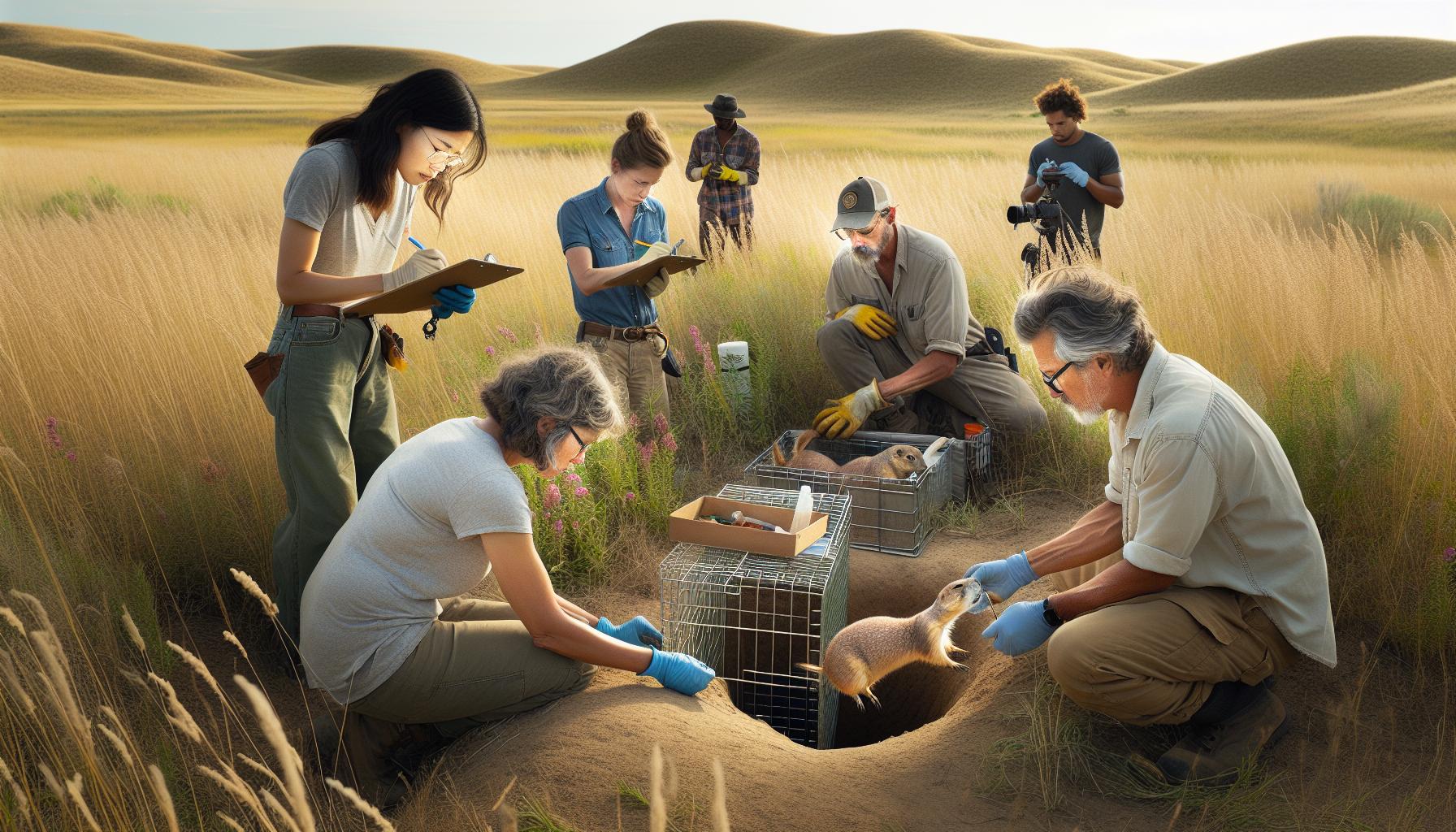
Safe Methods for Prairie Dog Extraction: Step-by-Step Guide
To coax a prairie dog out of its burrow safely and humanely, understanding their natural instincts and social behaviors is key. These charming creatures have evolved to dig extensive underground networks that serve both as homes and protection against predators. Rather than using forceful methods that may stress them out, consider gentler techniques that encourage their emergence.
Begin by establishing a calm environment around the burrow. Avoid loud noises and sudden movements that might scare the prairie dogs deeper into their tunnels. You can attract them with food-fresh fruits or vegetables like carrots or lettuce can work wonders. Simply place a small offering near the burrow entrance. This not only appeals to their curiosity but also taps into their foraging instincts, which can draw them out without the need for any digging or invasive tactics.
In addition to food, using sounds can be an effective way to coax prairie dogs from their tunnels. A soft whistle or gentle clapping at a distance can pique their interest. Remember, prairie dogs communicate through a variety of vocalizations, and they may respond positively to these sounds. Be patient; it could take some time for them to feel secure enough to venture out.
If these methods don’t yield results, consider waiting. Prairie dogs are creatures of habit; they often have regular activity patterns. Observing them for a period might provide insights into the best times to attempt coaxing them out. In any case, ensure that the process remains respectful of their needs and instincts to promote a safe and positive experience for both you and the prairie dogs.
By employing these gentle strategies, you can effectively extract prairie dogs-allowing for safe observation or relocation-while maintaining their welfare and respecting their natural behaviors.
Tools and Equipment for Extracting Prairie Dogs Effectively
To successfully encourage a prairie dog out of its burrow, having the right tools and equipment can make all the difference. Prairie dogs are curious creatures, and utilizing resources that align with their instinctual behaviors can lead to effective and humane extractions. Here’s what you might consider equipping yourself with for this wildlife adventure.
Essential Tools for Safe Extraction
First and foremost, ensure you have food treats like fresh fruits and vegetables on hand. Items like carrots, lettuce, or even sunflower seeds can attract prairie dogs, making them curious enough to emerge. It’s best to scatter these snacks near the burrow entrance, enticing them out gently rather than forcing them.
Other physical tools include a long-handled net. This net should be lightweight and soft to avoid harming the prairie dog if you need to catch one quickly. A net allows for a non-invasive approach to safely contain the animal without causing it undue stress.
Additionally, you’ll want a flashlight for observing burrows, particularly in dim lighting conditions. Prairie dogs are more active during early mornings and late afternoons, so a flashlight can help you spot activity within the burrow entrances.
Helpful Gadgets and Materials
For those looking to take things a step further, consider using a motion-activated camera. This tool allows you to monitor prairie dog behavior without being present, helping you learn their patterns and the best times to attempt coaxing them out.
Finally, ensuring you have a comfortable set of kneepads or a cushion can make your wait near the burrow much more pleasant, saving your knees and ensuring that you can stay in position longer without discomfort. If planned extraction or observation takes some time, comfort becomes key!
By employing these tools thoughtfully, you can create a low-stress environment for prairie dogs that respects their natural instincts while facilitating a successful extraction when needed. Happy prairie dog watching!
When to Seek Professional Help: Signs and Solutions
Determining when to bring in professional help for prairie dog extraction can often be the difference between a humane, stress-free experience and an overwhelming ordeal. If you’re facing a situation with these charming rodents, understanding the signs that point to the need for expert intervention is key. Prairie dogs are social, intelligent animals, and although they might seem intrusive in your garden or yard, they are protected by law in many areas.
It’s important to be aware of their natural behaviors. If you’ve attempted to coax a prairie dog out of its burrow and several days have passed without success, or if the prairie dog appears unusually agitated or distressed, it may be time to reach out to professionals. Signs of distress include excessive digging around the burrow, persistent vocalizations, or attempts to escape that don’t cease. These behaviors might indicate that the prairie dog is fearful or in danger, requiring a specialist who can handle the situation with care and expertise.
In some cases, you might encounter significant damage caused by prairie dog burrows, such as erosion or collapsing ground in areas where you need stability. If the structure of your yard or nearby land is at risk due to extensive tunneling and you find that DIY methods fail to manage the issue, consulting with wildlife removal services can provide you with targeted solutions. Professionals can assess the situation and employ strategies that align with local regulations and ethical standards.
When seeking professional help, choose a service that specializes in humane wildlife removal. Experts can provide insights not only on the immediate extraction but also on longer-term management strategies to prevent recurrence. Remember, involving professionals can enable a smoother process for both you and the prairie dogs, avoiding stress and potential harm to these unique creatures. By prioritizing their welfare, you’re also playing a part in respecting the delicate balance of your local ecosystem.
Preventing Prairie Dogs from Returning: Long-Term Strategies
To keep prairie dogs from returning to your property after they’ve been removed, a proactive approach is essential. Did you know that these fascinating creatures thrive in environments that cater to their social and environmental needs? By understanding their behaviors and habitat preferences, you can deter them effectively and humanely.
One of the most effective long-term strategies is to disrupt their ideal living conditions. Prairie dogs prefer open areas with short grass where they can easily spot predators. Consider letting your lawn grow a bit taller and introducing native plants that might not appeal to their foraging instincts. In addition to altering the vegetation, you can employ physical barriers. Fencing made from hardware cloth or welded wire mesh buried at least a foot underground can deter them from burrowing near your home or garden.
It’s also helpful to manage the food sources in your backyard. Prairie dogs are attracted to high-nutrient grasses and other plants. Limiting access to these favorites can significantly discourage them from setting up shop. You can do this by avoiding over-fertilizing your garden and employing ground covers that prairie dogs find less appealing.
Finally, consider fostering an environment that welcomes natural predators, such as hawks or coyotes, while ensuring your pets are safe. This ecological balance not only helps in keeping prairie dog populations in check but also aids the overall health of your local ecosystem. By integrating these strategies, you’re not just solving an immediate problem but contributing to a sustainable and harmonious environment for all its inhabitants.
Legal Considerations for Prairie Dog Removal: What You Need to Know
When considering the removal of prairie dogs, it’s essential to navigate the legal landscape surrounding their management effectively. These charming rodents are protected in various regions due to their role in the ecosystem. For instance, many states classify prairie dogs as a “nongame species,” which means they cannot be removed or harmed without specific permits or compliance with local wildlife laws. Failing to adhere to these regulations can lead to hefty fines or other penalties, making it crucial to familiarize yourself with the rules in your area.
Before taking action, you should check with your local wildlife agency or conservation office. They can provide guidance on legal frameworks, as laws can vary significantly from state to state and even between municipalities. In certain areas, public education programs might offer resources and assistance for homeowners facing issues with prairie dog populations. Understanding your options is vital, especially since many regions promote humane treatment and conservation efforts over lethal removal.
Additionally, consider speaking to a professional pest control service that specializes in wildlife management. These experts are not only equipped to handle prairie dogs safely and humanely but also understand local regulations thoroughly. They can help you devise a management plan that aligns with both your goals and legal stipulations. This approach ensures that you contribute positively to your local ecosystem while addressing your immediate concerns.
If relocation is permissible, it’s crucial to ensure any chosen site allows for a sustainable prairie dog community and complies with conservation regulations. Relocating them to an unsuitable environment can harm both the animals and the ecosystem. By taking these legal considerations seriously, you not only protect yourself but also play a part in conserving these fascinating creatures and their habitats.
Alternatives to Extraction: Relocation and Habitat Management
When considering how to handle a prairie dog den, many people initially think of extraction methods. However, exploring alternatives such as relocation and habitat management can prove beneficial not just for you but for the prairie dogs themselves, as well as the broader ecosystem they inhabit. Prairie dogs play an essential role within their ecosystems, serving as prey for various animals and helping aerate the soil with their burrowing activities. Instead of viewing them solely as pests, recognizing their ecological contributions can lead to more responsible management choices.
Relocation can be a good option when done correctly, allowing the prairie dogs to thrive in a suitable environment while minimizing conflict with human activities. Select an appropriate site for relocation-look for areas with ample vegetation and minimal human disturbance, ensuring that the new location has a stable food supply and protects them from predators. It’s crucial to check local wildlife regulations, as many states have specific guidelines regarding where and how prairie dogs can be relocated. Involving experts in wildlife management can provide invaluable guidance and ensure a successful outcome.
In addition to relocation, habitat management can sometimes reduce the conflicts you have with prairie dogs. Here are some effective strategies:
- Fencing: Installing fences around specific areas can deter prairie dogs from burrowing in unwanted locations.
- Landscaping: Modifying the landscape-by using plants that are less appealing to prairie dogs-can help keep them at bay.
- Natural Barriers: Employing natural barriers such as tall grasses or shrubs can inhibit prairie dog presence in certain regions.
Understanding the behavior of prairie dogs is vital. They are social creatures living in colonies, and their burrowing is not merely a nuisance; it contributes to soil health and the management of pests. Adopting a mindset that prioritizes coexistence over confrontation can lead to creative solutions that respect both your needs and those of the prairie dogs. Not only will this approach pave the way for a more harmonious relationship, but it will also uphold the principles of wildlife conservation, benefiting the larger ecological community we all share.
Common Myths about Prairie Dogs and Their Holes
Many people often harbor misconceptions about prairie dogs and their burrowing behavior. One common myth is that these animals are just simple pests digging random holes in our landscapes. In reality, prairie dogs are highly social creatures that create intricate underground systems. These burrows serve various purposes, such as protecting them from predators, regulating their body temperature, and even helping with communication among colony members. Understanding this behavior is critical to addressing any issues you may face with their holes.
Another widespread belief is that prairie dog holes are shallow and easily collapsible. However, their burrows can extend several feet deep, featuring multiple entrances and exits, which allow prairie dogs to evade threats effectively. This complexity is not merely an inconvenience; these elaborate systems actually aerate the soil, promoting healthy plant growth and benefiting local ecosystems. Recognizing the ecological role of their burrows can help in framing a more conservation-minded approach when considering how to deal with them.
Additionally, some folks may think that prairie dog holes are merely a nuisance that leads to landscape damage. While it’s true that the digging can disrupt gardens and lawns, these burrows also support various other wildlife, providing home and habitat for many species. Managing their presence responsibly involves acknowledging both the challenges and the benefits they bring to the environment. For instance, learning how to coexist with prairie dogs rather than resorting to harmful extraction methods can yield better long-term results for both humans and wildlife.
In light of these myths, it’s essential to approach the topic of prairie dogs with a blend of understanding and respect. Instead of viewing them solely as a problem, consider exploring ways to manage their presence effectively that align with conservation efforts. Whether that means implementing natural barriers or discussing relocation with professionals, fostering coexistence can lead to a healthier ecosystem for everyone.
Caring for Your Prairie Dog: Advice on Ownership and Habitat
Owning a prairie dog can be a delightful and rewarding experience, but it comes with responsibilities that reflect the unique needs of these social creatures. Prairie dogs are not just charming pets; they require a well-thought-out habitat that mimics their natural environment. Their burrowing instincts mean they need space to dig, explore, and engage in behaviors that are instinctual and fulfilling for them. A suitable setup not only enhances their quality of life but also fosters their well-being.
To create an ideal home for your prairie dog, consider their need for both vertical and horizontal space. A multi-level habitat can encourage climbing and exploration, mimicking the complex structures they build in the wild. The enclosure should be spacious enough to allow your prairie dog to dig and burrow, so incorporating a substrate like a mix of sand and soil can provide an outlet for their natural behaviors. Ensure that the habitat includes hidden spots for them to retreat and feel safe, which is crucial given their prey status in the wild. You might also sprinkle in some natural items like rocks or logs to enrich their environment and stimulate their curiosity.
Maintaining a balanced diet is also essential to the health of your prairie dog. They thrive on a diet rich in hay, supplemented with fresh vegetables and occasional treats such as fruits. Proper nutrition helps prevent obesity and other health issues that can arise from a sedentary lifestyle or poor eating habits. Regular health check-ups with a veterinarian familiar with exotic pets are critical – they can help you monitor for common conditions and ensure your furry friend is thriving.
Lastly, socialization plays an integral role in the happiness of prairie dogs. They are naturally gregarious animals, so if you’re keeping one as a pet, it’s often best to have at least two to satisfy their social needs. Provide plenty of interaction and enrichment activities, like tunnels and toys, to keep their minds sharp and engaged. The more you understand and cater to their needs, the happier you’ll both be – making every day a new adventure for you and your prairie dog!
Understanding the Role of Prairie Dogs in Ecosystems
Prairie dogs are vital players in their ecosystems, often referred to as a keystone species. Their burrowing activities create intricate underground networks that benefit a variety of other animals. For instance, the abandoned burrows of prairie dogs become essential homes for several species, including foxes, rabbits, and even bats. This creates a dynamic community where multiple species coexist, showcasing the interconnectedness of nature.
The prairie dog’s habit of grazing on grasses keeps the vegetation in check, which aids in maintaining the health of the grasslands. By feeding on these plants, they help to encourage a diverse range of flora to grow, which in turn supports a wider array of herbivores. As prey animals, prairie dogs are also a critical food source for various predators, such as hawks, eagles, and coyotes. Their presence boosts the population dynamics of these predators, promoting a balanced ecosystem.
Prairie dog colonies also significantly affect soil health. Their digging aerates the soil, improving its structure and fertility. This behavior encourages plant growth and contributes to the overall health of the ecosystem. Additionally, their waste serves as a natural fertilizer, enriching the land and enhancing plant diversity.
Understanding the ecological role of prairie dogs emphasizes the importance of humane management practices, especially when dealing with extraction or relocation. By recognizing the benefits these creatures provide, we can approach prairie dog management with a perspective that values their contributions to biodiversity and ecosystem stability. Thus, when faced with the challenge of prairie dog removal, opting for methods that consider their ecological impact is not only responsible but also beneficial for the environment as a whole.
FAQ
Q: What attracts prairie dogs to their holes?
A: Prairie dogs are attracted to their holes primarily for safety and comfort. They dig burrows to create a secure environment from predators and harsh weather. These holes also serve as a community space, allowing them to socialize and raise their young in safety.
Q: How deep do prairie dog holes typically go?
A: Prairie dog holes can range from 2 to 5 feet deep, depending on the local soil and environmental conditions. They often have multiple entrances and interconnected tunnels, creating an extensive underground system that enhances their protection and facilitates movement.
Q: What are effective bait options to coax prairie dogs out of their holes?
A: Effective bait options include peanuts, sunflower seeds, or fresh clover. Placing bait near the entrance of their burrows can encourage prairie dogs to emerge. Ensure that the bait is safe and non-toxic, promoting responsible baiting practices.
Q: Why might prairie dogs be hesitant to leave their holes?
A: Prairie dogs may hesitate to leave their holes due to predator presence, sudden noises, or even unfamiliar scents. Their innate caution is crucial for survival, so ensuring a quiet environment is essential if you want them to feel secure enough to come out.
Q: Are there humane methods to encourage prairie dogs out of their burrows?
A: Yes, humane methods such as using gentle noise-making devices or sprinkling food nearby can coax prairie dogs out without harm. Avoid loud disturbances and be patient; it might take time for them to feel safe enough to venture out.
Q: What time of day are prairie dogs most active outside their holes?
A: Prairie dogs are typically most active during early morning and late afternoon. These times offer cooler temperatures and less predator activity, making it safer for them to leave their burrows.
Q: How can one safely observe prairie dogs without scaring them?
A: To safely observe prairie dogs, maintain a quiet distance, minimize sudden movements, and use binoculars. Avoid direct eye contact, as this can be perceived as a threat, and be aware of your surroundings to prevent startling them.
Q: What should I do if a prairie dog refuses to come out?
A: If a prairie dog refuses to come out, it’s best to give it time. Avoid forcing or stressing the animal. Sometimes, the presence of humans or disturbances can take time to dissipate. Return later or ensure a calm environment to encourage exploration.
Future Outlook
As you explore the art of extracting prairie dogs from their burrows, remember that patience and the right techniques make all the difference. Whether you’re enthusiastic about the challenge or simply curious, now is the perfect time to put your newfound knowledge into action. Don’t hesitate to dive deeper into related topics like prairie dog behavior and habitat, or check out our guide on effective hunting tactics – every bit of knowledge enriches your experience!
If you’re enjoying the journey, consider signing up for our newsletter for tips on wildlife exploration and more. Join our community to share your experiences or ask any lingering questions; we love hearing from fellow enthusiasts! Don’t miss out on discovering the best spots for prairie dog hunting in Eastern Montana or finding the right gear for your next outing. Your adventure awaits!
Get our latest guides, news, and insights highlighted in your Google Search & AI Overviews.