
Did you know that prairie dogs, often seen darting across the plains, can reach impressive speeds? Understanding how fast these fascinating creatures can move is not just a matter of curiosity-it plays a crucial role in their survival. As members of the squirrel family and vital players in their ecosystems, prairie dogs have developed quick reflexes to evade predators. In this article, we’ll explore the top speed measurements of prairie dogs and discuss their agility, which helps them thrive in the wild. Whether you’re a wildlife enthusiast or simply intrigued by the natural world, join us as we uncover the fascinating facts behind these energetic little animals and their remarkable adaptations.
How Fast Can Prairie Dogs Run?
Prairie dogs are surprisingly agile and can reach impressive speeds, making them fascinating creatures to observe in their natural habitat. On average, these small mammals can run at speeds of up to 30 miles per hour (48 kilometers per hour). This rapid pace allows them to make quick escapes from predators, a critical survival mechanism in the wild.
One of the remarkable aspects of prairie dog speed is their ability to perform short sprints interspersed with quick changes of direction. This zigzag running style confuses predators and enhances their chances of evading capture. Such agility isn’t just instinctual; it also complements their social living in large colonies, where alertness and rapid movement are vital during foraging and communal activities.
Interestingly, prairie dogs’ physical structure plays a significant role in their ability to sprint. With strong hind legs adapted for digging and running, these animals are well built for both burrowing and quick escapes. When observing them in their natural habitat, it’s not unusual to see them darting in and out of their burrows, showcasing a blend of speed and agility that is both impressive and essential for their survival.
In summary, while prairie dogs may not compete with the speed of larger animals, their quickness and ability to maneuver effectively play a crucial role in their daily lives. Watching them dart around in the grasslands can be both entertaining and educational, offering a glimpse into the intricate behaviors of these remarkable rodents.
Understanding Prairie Dog Anatomy and Speed Potential
Prairie dogs are not just adorable rodents; they are fascinating athletes of the grasslands, built perfectly for speed and agility. With their stocky yet nimble bodies, strong hind legs, and unique anatomical features, these creatures can reach impressive speeds of up to 30 miles per hour (48 kilometers per hour). This remarkable pace is a crucial aspect of their survival, allowing them to evade predators and navigate their bustling communities.
At the core of their speed potential is prairie dogs’ highly specialized anatomy. Their strong hind limbs are well-adapted for sprinting, a necessity given their role as prey animals in the wild. These legs propel them forward with remarkable efficiency, and their muscular build provides the power needed for explosive bursts of speed. Prairie dogs also possess shorter forelimbs, which aid them in their primary functions of digging and climbing, but do not hinder their ability to run swiftly when danger approaches.
In addition to their physical attributes, prairie dogs have developed impressive behavioral adaptations that enhance their speed capabilities. Their zigzag running pattern confuses predators, making it harder for them to predict the prairie dog’s direction and capture them. This behavioral agility, combined with their speed, forms a critical part of their survival strategy in the wild. Observing prairie dogs darting in and out of their burrows, showcasing their exceptional agility, is a captivating experience that illustrates the remarkable intersection of anatomy and behavior in these dynamic animals.
Understanding how these aspects of prairie dog anatomy intertwine with their speed potential enriches our appreciation of their role in the ecosystem, reminding us of the delicate balances that enable wildlife to thrive. Watching them in action not only provides entertainment but also insight into the complexities of adaptability within nature.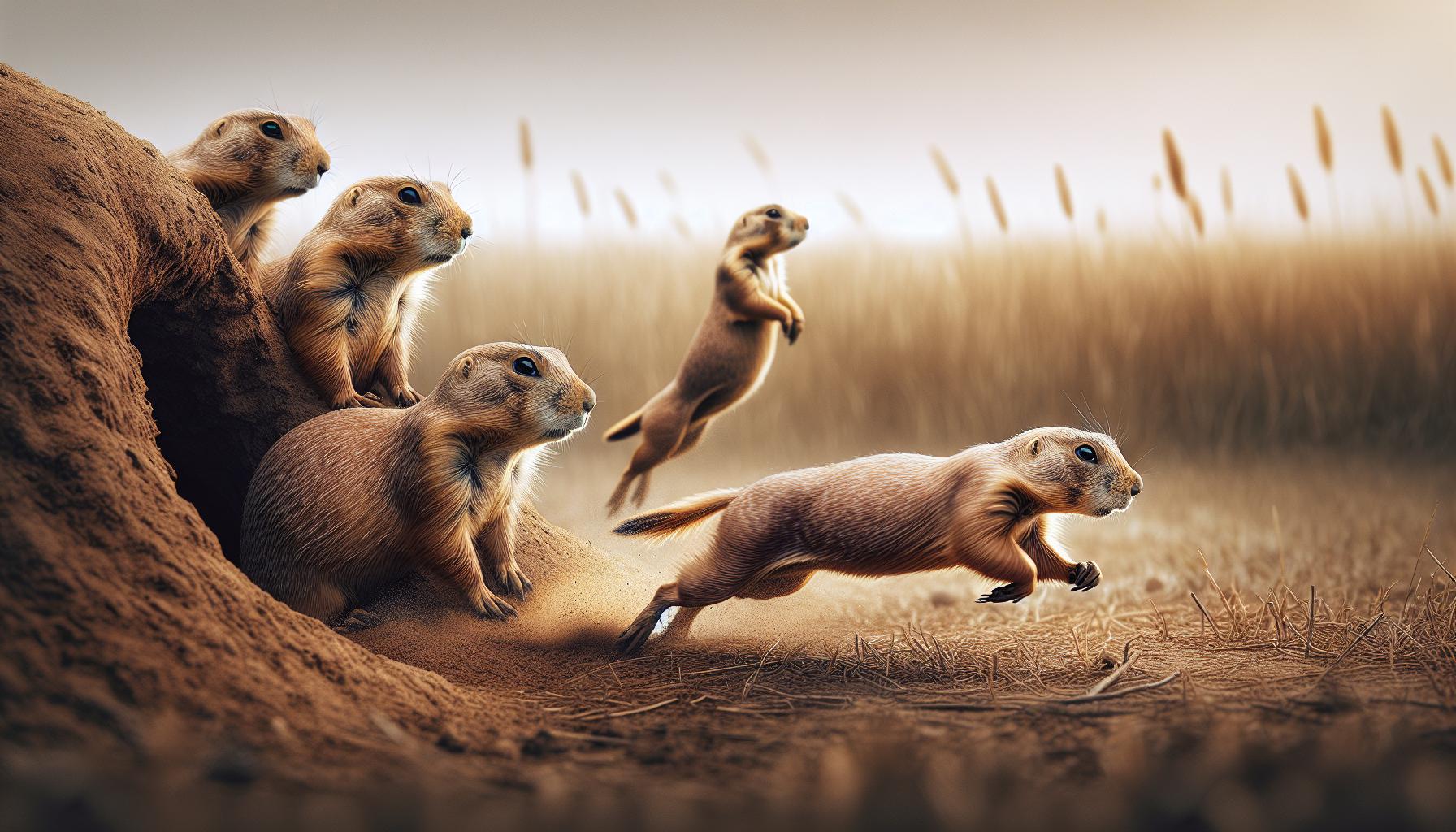
Factors Affecting Prairie Dog Speed
The speed at which prairie dogs can sprint is not just a function of their swift limbs; several factors influence their remarkable ability to dash across the grasslands. Climatological conditions, physical health, and even social structures within their colonies play significant roles in determining how fast these animals can run when evading predators or simply engaging in exuberant play.
A prime consideration is the environmental temperature. Prairie dogs are crepuscular creatures, often more active during the cooler parts of the day-dawn and dusk. When temperatures soar, their energy may be sapped, slowing them down. In cooler climes, they are likely to be more exuberant and agile, which can enable faster sprinting. Additionally, hydration levels and overall physical condition are paramount; well-fed and hydrated prairie dogs can sprint more efficiently than those that are not.
Furthermore, the structure of their colonies influences speed. Prairie dogs are social animals, and their interactions, hierarchy, and alertness to potential threats can dictate their pace. When in groups, they often engage in playful darting that reinforces their speed capabilities. For instance, young prairie dogs are known for their energetic play, which not only hones their sprinting skills but also strengthens social bonds. Thus, the mix of environmental factors, health status, and social dynamics culminate in the impressive running capabilities of these charming rodents, highlighting the fascinating interplay of nature and social behavior in influencing speed.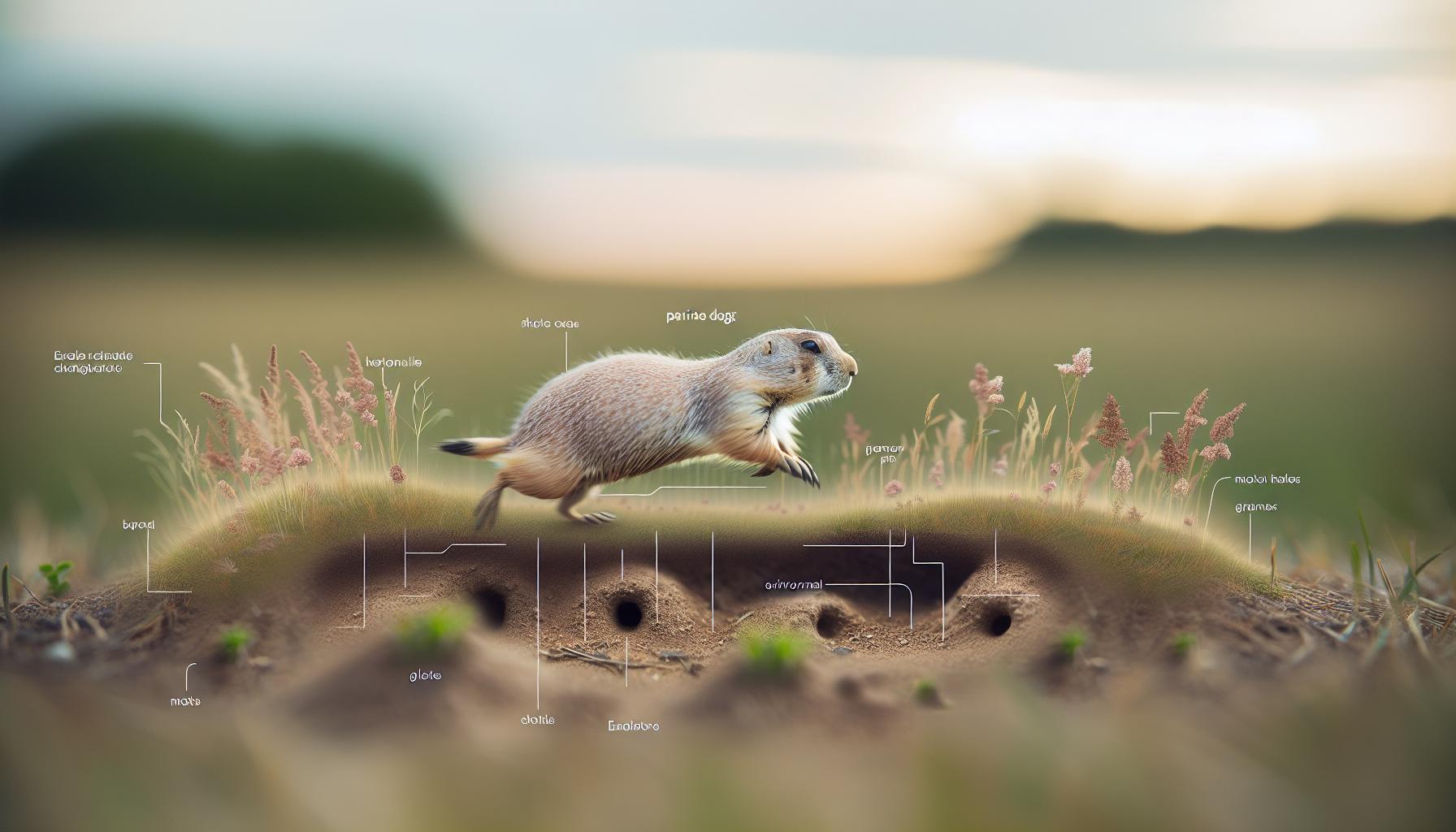
Comparative Speed: Prairie Dogs vs. Other Small Mammals
While prairie dogs might not be the first animals that come to mind when thinking about speed, these little critters can surprise you. Capable of reaching speeds of up to 20 miles per hour, prairie dogs are agile and quick on their feet, especially when they are sprinting away from predators or engaging in playful behaviors within their colonies. To put this in context, let’s compare prairie dogs to some other small mammals commonly found in their environment.
Speed Comparisons
When we line up prairie dogs next to other small mammals, their speed certainly holds its own. Here are some examples:
- Eastern Gray Squirrel: Often seen dashing through parks and backyards, gray squirrels can reach speeds of about 20 miles per hour, similar to prairie dogs.
- Cottontail Rabbit: These rabbits are slightly faster, capable of sprinting at around 30 miles per hour, making them formidable competitors in the speed department.
- Chipmunks: While chipmunks are speedy, they typically top out at about 10 miles per hour, trailing behind the prairie dog.
- Ducks (mallards): In the air, ducks can fly around 40 miles per hour; however, on the ground, their pace is much slower compared to our furry friends.
What sets prairie dogs apart from many of these mammals is not just their speed but their remarkable agility and endurance. They’re built for quick sprints and rapid direction changes, which are essential for dodging predators. Prairie dogs are constantly alert in their vibrant social structures, and when they spot an aerial predator, they can swiftly dive back into their burrows, showcasing not just speed but also strategic survival instincts.
Their unique adaptations make them not only fast, but also capable of executing agile movements, allowing them to navigate complex burrow systems and dodge potential threats in their natural habitat. Understanding the impressive speed of prairie dogs within the context of other small mammals highlights their evolutionary adaptations and social behaviors essential for survival in the wild.
Incredible Prairie Dog Behaviors During Sprinting
When you observe prairie dogs in their natural habitat, their incredible behaviors during sprinting are truly captivating. These small mammals exhibit high-energy bursts of speed, particularly when they sense danger. They utilize quick, zigzag movements to evade predators, which enhances their survival chances. This agile sprinting not only showcases their physical prowess but also highlights their instincts to maneuver swiftly in a complex environment.
In playful interactions among their colonies, prairie dogs engage in what resembles a game of tag. They sprint, dart, and glide across the grassy terrain, often leaping and changing directions with impressive agility. This behavior serves multiple purposes; it strengthens social bonds within the colony and hones their sprinting skills, which are vital for evading actual threats. These display sprints are not just for show-they allow prairie dogs to practice quick reflexes and maintain physical conditioning.
During these high-speed antics, you might notice their tails held high, which serves as a communication tool among social groups. The tail’s posture can signal different messages, such as alertness or the urge to play. Furthermore, when sprinting, prairie dogs often vocalize, creating a cacophony of warning calls and social sounds that add to the excitement of the chase. This mix of speed and communication emphasizes the intertwining roles of agility in both survival and social interaction for these fascinating creatures.
Moreover, the incredible speed and agility of prairie dogs allow them to navigate the intricate networks of their burrows with ease. When they’re not racing across the open plains, they spend considerable time underground, which reveals another layer of their incredible behaviors. Prairie dogs’ sprinting skills become crucial as they quickly dive into their burrows to escape from airborne predators, showcasing their evolutionary adaptations that blend aversion to danger with their need for social connectivity in their colonies.
Speed and Survival: The Role of Fast Movement
Prairie dogs are not just cute little creatures; their speed plays a crucial role in their survival. Capable of reaching speeds up to 30 miles per hour in short bursts, these mammals exhibit remarkable agility that helps them evade predators like hawks, coyotes, and badgers. When danger is sensed, they rely on speed to perform quick, zigzagging sprints that make it difficult for predators to predict their movements. This incredible burst of energy is not only vital for escape but also serves as an escape mechanism during their day-to-day interactions in the wild.
The necessity of speed goes beyond just avoiding predators. For prairie dogs, efficient movement is essential for navigating their extensive burrow systems, where they spend a significant amount of their lives. The ability to dart quickly in and out of burrows allows them to assess their environment while minimizing the time spent vulnerable above ground. Additionally, speed fosters social interactions among prairie dogs. During play and communication, these swift movements help reinforce social bonds, allowing for a fun and supportive community structure within their colonies.
Environmental factors also impact their speed capabilities. Flat, open terrain allows them to maintain their speed, while dense vegetation may hinder their ability to sprint freely. Habitat management that maintains open grasslands is therefore crucial, as it helps preserve not just their speed but their overall health and social dynamics. For those interested in observing these speedy creatures, visiting their natural habitats during the early morning or late afternoon offers the best chance to see them in action, showcasing their vibrant and spirited personalities that are a dance of survival.
In essence, the sprinting ability of prairie dogs is a key factor in their survival toolkit. It is through their quick reflexes and the capacity for fast movement that they thrive in their communities, making speed an integral aspect of their life in the wild.
Training and Exercise Needs for Pet Prairie Dogs
Providing appropriate training and exercise for pet prairie dogs is essential for their physical and mental well-being. These lively little creatures, known for their astonishing speed of up to 30 miles per hour in short bursts, require ample space and stimulation to mimic their natural behaviors. When kept as pets, it’s crucial to offer an environment that encourages movement and exploration, as this is fundamental to their health and happiness.
To cater to a prairie dog’s energy levels, consider setting up a spacious play area equipped with tunnels, ramps, and obstacles. Creating a miniature landscape with varied textures can evoke the natural burrowing and foraging behaviors prairie dogs demonstrate in the wild. This setup not only promotes exercise but also enhances their agility and problem-solving skills. Interactive toys, such as chew toys and foraging puzzles, can keep a prairie dog mentally stimulated and engaged, allowing them to channel their natural curiosity in a constructive way.
Social interaction is another key aspect of exercise for prairie dogs. These animals are highly social and thrive in pairs or small groups. If you have more than one prairie dog, they can engage in playful chases and wrestling matches, which not only help them get physically fit but also strengthen their social bonds. If you have a single prairie dog, regular playtime with its human caregivers can substitute for social play, provided that interactions are affectionate and safe.
However, it’s important to monitor your pet’s exercise to prevent overexertion, especially as prairie dogs can push themselves hard during play. Gradually introduce exercise routines, and provide ample breaks with fresh water and a comfortable resting space. Observing their behavior during exercise can help you identify when they are tired or overwhelmed, ensuring that their playtime remains safe and enjoyable. Through thoughtful training and active play, you can help your pet prairie dog thrive, maintaining its speed and lively spirit while fostering a deep bond between you and your little whirlwind of energy.
The Impact of Habitat on Prairie Dog Speed
The environment in which prairie dogs reside plays a crucial role in their speed and agility. These small mammals are known to reach speeds of up to 30 miles per hour in short bursts, primarily when they sense danger. However, the landscape they inhabit can either enhance or hinder these impressive sprints. In their natural habitat, prairie dogs thrive in wide-open areas of grasslands and plains, which allow for quick escapes from predators. The lack of obstacles such as dense vegetation or rocks enables them to run freely and with minimal obstruction.
When considering the impact of habitat on a prairie dog’s speed, factors like terrain and cover become vital. For example, areas with loose, sandy soil are more favorable for fast movement than hard-packed ground, which can slow them down. Additionally, habitats that support expansive burrow systems allow prairie dogs to make quick entries and exits, facilitating rapid movement when escaping threats. In contrast, environments cluttered with debris or thick shrubs can reduce their ability to sprint efficiently, as these obstacles can limit their visibility and create potential barriers during fast maneuvers.
Moreover, social dynamics within prairie dog colonies can also influence their speed. They are highly social creatures and often coordinate their movements during community “alert” calls. When one prairie dog senses danger, it can trigger a chain reaction, prompting others to bolt for their burrows simultaneously. This collective response showcases not only their speed but also their agility as they navigate through their familiar surroundings. The instinctual behavior to escape together emphasizes both the challenges and benefits of their habitat, illustrating how it shapes their survival strategies.
Lastly, understanding the relationship between habitat and speed can help those interested in keeping prairie dogs as pets create environments conducive to their physical abilities. By simulating their natural terrain-providing open spaces, safe tunnels, and the right substrate-you can encourage your prairie dog to exercise and sprint, maintaining its health and vitality. This connection between habitat and speed underscores the necessity for ample space and appropriate surroundings, ensuring that these energetic creatures can express their natural, speedy selves safely and effectively.
Fascinating Facts About Prairie Dog Agility
Prairie dogs are not just adorable burrowing rodents; they are also incredibly agile creatures capable of exhibiting impressive speed. These small mammals can reach top speeds of around 30 miles per hour in short bursts, primarily as an escape response to predators. What’s fascinating is how their environment and social structures enhance their agility and quick reflexes, making them masters of evasion in the flat, open plains where they live.
One remarkable aspect of prairie dog agility is found in their communal behavior. When one prairie dog senses danger, it emits a high-pitched alarm call, prompting the entire colony to spring into action. This instinctive behavior highlights their speed and teamwork, as they quickly navigate the open terrain to reach safety. Their burrowing systems also play a vital role; these extensive networks serve not only as homes but as escape routes, allowing prairie dogs to dart in and out with remarkable precision and speed.
These little rodents also possess a unique running style, characterized by a series of quick, agile sprints and frequent directional changes, which help them dodge predators. Their strong hind legs enable powerful jumps, assisting them in navigating over obstacles quickly. This agility not only aids in escaping threats but also helps in foraging for food and navigating their social environments effectively.
Moreover, understanding the agility of prairie dogs can benefit those interested in them as pets or in conservation efforts. Creating an environment that mimics their natural open grassland habitat-complete with space to run and safe structures for hiding-can help maintain their physical health and well-being. Encouraging these energetic creatures to express their natural behaviors contributes to their agility and overall happiness. In this way, appreciating the speed and agility of prairie dogs expands our understanding of their ecological role and the importance of preserving their habitats.
Common Misconceptions About Prairie Dog Speed
Did you know that while prairie dogs can sprint up to 30 miles per hour, many people underestimate the complexity of their movement and overall behavior? Common misconceptions about these fascinating rodents often arise from simple observations or assumptions, leading to a misunderstanding of their true capabilities. Here, we will explore some of these misconceptions to shine a light on the remarkable agility and speed of prairie dogs.
Many assume that prairie dogs are simply slow, plodding creatures, particularly because they spend much of their day foraging or resting in their burrows. However, this view overlooks their incredible speed capabilities. Prairie dogs are built for speed with strong hind legs and a unique sprinting style involving quick starts and rapid direction changes. This allows them to both evade predators and navigate their grassy habitats effectively. In fact, their quick footwork is crucial when it comes to avoiding common threats like hawks and coyotes!
Another myth is that all prairie dogs run in a straight line when escaping danger. In reality, these clever little creatures utilize agile movements, darting and zigzagging as they sprint to safety. This innate ability to change direction unexpectedly can confuse predators, increasing their chances of survival. For example, during sudden flights from danger, prairie dogs often employ dramatic turns and hops that showcase their agility and reflexes, making them masters of evasion.
Some people also believe that prairie dogs only exhibit their speed in isolated incidents or when they are frightened. However, speed is not just a response to danger; it plays a critical role in their daily activities, including foraging and social interaction. When prairie dogs play, they often engage in races and chase games, further demonstrating their agility and physical prowess. These playful behaviors contribute to their social structure and help strengthen bonds within colonies, reflecting their energetic and lively nature.
In conclusion, prairie dogs are not only swift but also exhibit a range of fascinating behaviors that highlight their speed and agility. Understanding these little dynamics enriches our appreciation of prairie dogs, prompting responsible ownership and conservation efforts. By dispelling these common myths, we can better respect their ecological role and ensure that their natural habitats are preserved for generations to come.
Tracking Prairie Dogs: Methods and Measurements
Tracking prairie dogs effectively requires a blend of observation skills, patience, and sometimes even technology. When you’re out in the field, it’s important to understand how these agile creatures move and what methods can be employed to measure their speed and monitor their behavior. A fascinating approach involves the use of simple tools and techniques that can help wildlife enthusiasts, researchers, and simply curious observers gauge how fast these little critters can truly zip across the plains.
One of the most straightforward methods is using a stopwatch. Establish a clear stretch of terrain where prairie dogs are active. As you observe them emerge from their burrows, start the timer when they bolt from a standing start and stop it as they reach the end of your marked distance. For more precise results, measuring a set distance with a tape measure beforehand is crucial. This method captures their natural sprinting capabilities in real-time. On average, prairie dogs can reach speeds of up to 30 miles per hour during these sprints, so timing them over a distance of, say, 50 feet can yield impressive metrics on their speed potential.
In addition to manual timing, some wildlife enthusiasts utilize motion-sensitive cameras or smartphones equipped with slow-motion video capabilities. By recording prairie dog activity, you can later analyze their speed and movement patterns in detail. Additionally, cameras can capture moments you might miss while watching them directly, from playful chases to evasive maneuvers when they sense a predator nearby. This not only aids in documentation but also encourages a deeper understanding of their behavior and social interactions within the colony.
Lastly, mapping software or apps designed for wildlife tracking can provide valuable insights. Some tools allow users to log sightings, distances covered, and even environmental factors that might affect speed, such as ground conditions or vegetation density. By compiling this data, researchers and enthusiasts alike can develop a well-rounded picture of prairie dog agility and adapt their tracking techniques accordingly. With these methodologies at hand, tracking prairie dogs can transform from simple observation into a rich, interactive experience that enhances your appreciation for these quick-footed mammals.
Frequently Asked Questions
Q: What is the average speed of a prairie dog?
A: The average running speed of a prairie dog is around 15 miles per hour. This speed helps them evade predators effectively and is supported by their strong, agile legs, which are adapted for quick sprints.
Q: How do prairie dogs compare to other rodents in terms of speed?
A: Prairie dogs are relatively fast for their size, generally outpacing many other small rodents. For example, they run faster than ground squirrels, which typically reach speeds of about 8 miles per hour. Their speed advantage allows them to escape threats more efficiently.
Q: What factors influence a prairie dog’s top speed?
A: Several factors can influence a prairie dog’s top speed, including their health, age, habitat conditions, and predator presence. For instance, prairie dogs in open terrain tend to run faster due to fewer obstacles compared to those in dense vegetation.
Q: Can prairie dogs maintain their speed over long distances?
A: While prairie dogs can sprint at high speeds, they typically can only maintain this speed for short bursts. For longer distances, they rely on their endurance and tactical burrowing to evade predators, highlighting their specialized survival strategies.
Q: What adaptations help prairie dogs achieve their top speed?
A: Prairie dogs have strong hind legs and a lightweight body structure, which contribute to their sprightly speed. Additionally, their muscle composition is tailored for rapid acceleration, making them excellent sprinters in their natural habitat.
Q: How does a prairie dog’s speed aid in its survival?
A: Speed is critical for prairie dogs as it allows them to quickly flee from predators such as hawks and foxes. This fastest response improves their chance of survival by providing a better opportunity to reach safety in their underground burrows.
Q: Are there any special behaviors that enhance prairie dog speed?
A: Yes, prairie dogs exhibit behaviors such as zigzag running and dashing into burrows to evade predators. These tactics, combined with their speed, enhance their survival odds in the wild as they can swiftly change directions.
Q: How do prairie dog speeds change with weather conditions?
A: Weather can impact prairie dog speed. On warmer days, they may be less active or run slower to conserve energy, while cooler days encourage more vigorous activity and faster speeds. Observations indicate this seasonal adaptation helps them thrive year-round.
To Conclude
Now that you’ve discovered how fast a prairie dog can dash across the plains, you might be eager to learn more about their fascinating behaviors and habitats. These little speedsters are not just quick; they’re vital to their ecosystem. Dive deeper into their world with our articles on prairie dog colonies and their role in wildlife health. Curious about how you can spot them in action? Check out our tips on the best viewing locations!
Don’t miss out on more exciting wildlife facts-sign up for our newsletter to stay updated on the latest articles and adventures! Share your thoughts or experiences with prairie dogs in the comments below; we’d love to hear from you. Every click leads to new discoveries, so keep exploring and become part of our community of wildlife enthusiasts!
Get our latest guides, news, and insights highlighted in your Google Search & AI Overviews.