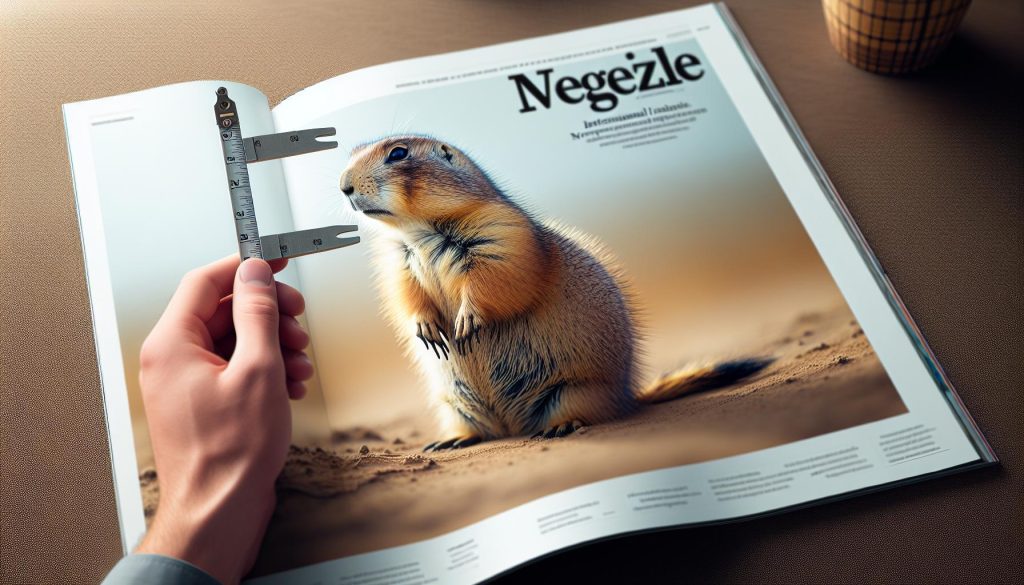
Did you know that prairie dogs, those charming little rodents known for their vocalizations and social structures, can vary significantly in size? Understanding how big a prairie dog is not only satisfies your curiosity but also sheds light on their role in the ecosystem. Whether you’re a wildlife enthusiast, considering adding one as a pet, or simply want to learn more about these fascinating creatures, our size guide will provide you with valuable comparisons and insights. From the compact black-tailed prairie dog, reaching 12-16 inches in length, to other related species, we’ll dive into the dimensions that define these intriguing animals. Join us as we explore the world of prairie dogs and discover how their size impacts their behavior and habitat.
How Large Are Prairie Dogs? Understanding Their Size
The prairie dog is a fascinating species of rodent that draws attention not only for its social structure but also for its distinctive size. These small, burrowing animals typically measure between 12 to 16 inches long, depending on the species. This makes them larger than many common rodents, which often measure only a few inches in length. Their size allows them to be highly effective diggers, capable of creating extensive burrow systems that can reach depths of up to 3 feet.
When we consider the average weight of prairie dogs, it ranges from 1 to 3 pounds. For example, the black-tailed prairie dog, one of the most well-known species, often hits the higher end of this range, with adults averaging around 1.5 to 2.5 pounds. In terms of size comparison, prairie dogs are significantly bigger than house mice or voles, yet smaller than larger rodents like beavers or capybaras. This size not only aids in their ability to construct and maintain their intricate burrows but also plays a crucial role in their interactions with predators and foraging behaviors.
In general, the growth of prairie dogs begins with pups, which are born weighing only about 0.05 pounds. As they develop, they follow a rapid growth pattern, reflecting the high-energy, socially interactive lifestyle they maintain within their colonies. This growth trajectory culminates in adulthood, allowing them to assume critical roles within their communities, whether in foraging, vigilant observation for predators, or caring for the young.
Additionally, size variations can be attributed to species differences, habitat availability, and even dietary access. While all species are adapted to their environments, those found in richer, more productive ecosystems often exhibit larger sizes. Thus, understanding prairie dog size provides insight into their ecological roles and health, serving as a vital component in the broader narrative of their conservation and habitat needs.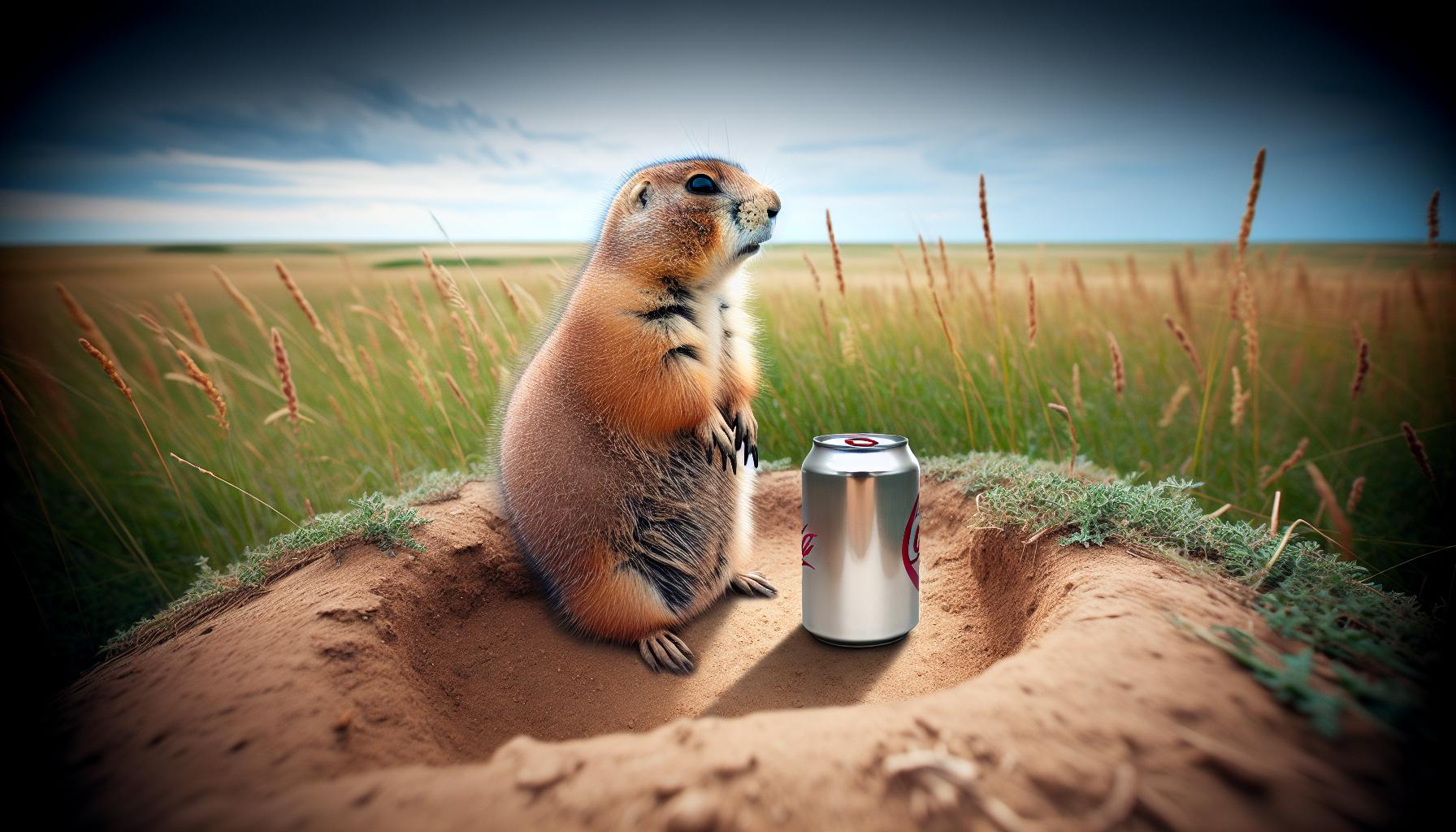
Comparing Prairie Dog Sizes to Other Rodents
Prairie dogs are often mistaken for ordinary rodents, but these fascinating creatures stand out with their impressive size and social behaviors. On average, prairie dogs measure between 12 to 16 inches in length and typically weigh in the range of 1 to 3 pounds, depending on the species. This size places them firmly in the mid-range when compared to other rodents, making them significantly larger than common household pests like house mice and voles, which usually max out around 4 to 10 inches long and weigh less than a pound. In fact, prairie dogs are approximately twice the size of these smaller rodents, allowing them to play important ecological roles as both herbivores and prey within their habitats.
When considering larger rodents, prairie dogs still maintain a respectable stature. For example, capybaras, the world’s largest rodents, can weigh up to 150 pounds and measure around 3 to 4 feet long. On the other hand, beavers, another well-known rodent, average 24 to 35 inches in length and can weigh between 35 to 80 pounds. In contrast, prairie dogs possess a compact body suitable for their burrowing lifestyle, with their size enabling them to excavate complex tunneling systems that can be vital for their survival and ecosystem health.
To visualize their size relative to other rodents, consider adding a comparison chart like this:
| Rodent Species | Average Length | Average Weight |
|---|---|---|
| Prairie Dog | 12 to 16 inches | 1 to 3 pounds |
| House Mouse | 3 to 4 inches | 0.5 to 1 ounce |
| Vole | 4 to 8 inches | 2 to 5 ounces |
| Capybara | 3 to 4 feet | 35 to 150 pounds |
| Beaver | 24 to 35 inches | 35 to 80 pounds |
This size comparison not only emphasizes prairie dogs’ unique position among rodents but also highlights their ecological significance. As they interact with their environment through grazing and burrowing, their size facilitates their role in shaping the landscape, making them integral members of their ecosystem. Their notable dimensions also add to their charming personality, allowing them to showcase curious behaviors and social interactions that captivate wildlife enthusiasts and casual observers alike.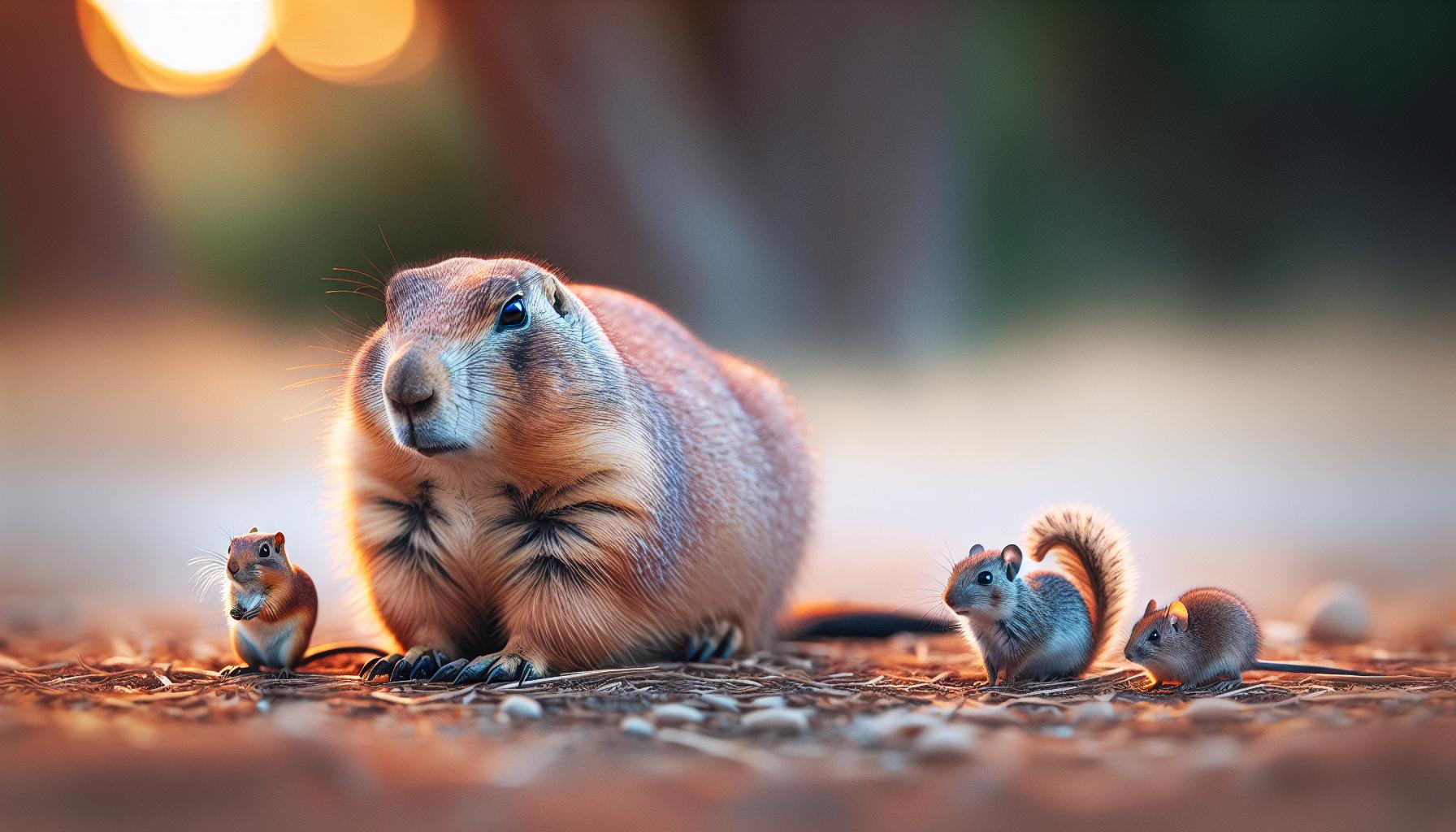
The Weight Range of Prairie Dogs Explained
Adult black-tailed prairie dogs typically weigh between 2 to 3 pounds (approximately 0.9 to 1.4 kg), making them a relatively small but robust member of the rodent family. Males tend to be slightly heftier than females, with weights ranging from 1.5 to 3.7 pounds (about 0.7 to 1.7 kg) depending on their age and health. This weight range is particularly interesting when you consider that size can greatly influence their social structures and behaviors within their bustling colonies.
Understanding prairie dog weight also highlights their energetic lifestyle. These animals are not merely static residents of their grassland habitats; their substantial muscle mass supports their rigorous activities, which include digging extensive burrow systems that can stretch for miles and require considerable strength. The size and vigor of prairie dogs also allow them to evade predators, an essential skill in the wild.
To give you a better perspective, here’s how prairie dog weights compare to other common rodents:
| Rodent Species | Average Weight |
|---|---|
| Prairie Dog | 2 to 3 pounds (0.9 to 1.4 kg) |
| House Mouse | 0.5 to 1 ounce (14 to 28 grams) |
| Vole | 2 to 5 ounces (56 to 140 grams) |
| Capybara | 35 to 150 pounds (15.9 to 68 kg) |
| Beaver | 35 to 80 pounds (15.9 to 36.3 kg) |
As you can see, prairie dogs land firmly between the smaller rodents like mice and voles, and much larger species like capybaras. This unique weight range not only distinguishes them within the rodent world but also impacts their ecological roles, such as foraging behavior and their position in the food chain. Through their foraging and burrowing, they create critical habitats for other wildlife, underscoring how their size and weight contribute to broader ecological health.
Prairie Dog Growth Stages: From Pup to Adult
The journey of a prairie dog from pup to adulthood is a fascinating transformation, showcasing how these social rodents grow and adapt within their bustling colonies. At birth, prairie dog pups are quite small and vulnerable, weighing only about 3 ounces (85 grams) and measuring around 4 inches (10 cm) long. They are born hairless, blind, and entirely dependent on their mothers. The first few weeks are critical: pups remain in the safety of their burrows as their mothers nurse them while foraging for food to sustain the entire family.
After about three to four weeks, the pups start to emerge from their burrows, often in a curious and playful manner, drawing the interest of both watchers and their surrounding family members. During this early stage, their initial growth is rapid. By the time they are around two months old, they can weigh between 1 to 2 pounds (0.5 to 0.9 kg), and they begin to venture further from the burrow, not just to explore but also to learn social skills vital for life in the colony. This is also when they start to practice the famous prairie dog “barking,” which plays a significant role in communication with their peers and warning about potential dangers.
As young prairie dogs reach about six months of age, they are nearing maturity but are still significantly smaller than their adult counterparts. At this stage, males average 2 to 3 pounds (0.9 to 1.4 kg), while females weigh slightly less, around 1.5 to 2.6 pounds (0.7 to 1.2 kg). They will continue to grow and develop into adulthood by approximately two to three years, during which they reach their full size, ranging from 12 to 14 inches (30 to 36 cm) in length. This size gives them a robust presence within their native grasslands, highlighting the importance of their growth stages in adapting to their environment and responsibilities in the social structure.
Throughout this growth process, their diet significantly influences their size and health. With access to a variety of grasses and other vegetation, coupled with their social living arrangements, prairie dogs display remarkable growth that prepares them for their roles as vital ecosystem engineers. They help aerate the soil and provide habitats for other species, underlining the importance of healthy growth stages in maintaining their ecological balance. Understanding these phases enriches our appreciation of these charming creatures and their vital role in wildlife conservation.
Size Variations Among Prairie Dog Species
When it comes to prairie dogs, size can vary quite significantly between the different species. The most well-known is the black-tailed prairie dog (Cynomys ludovicianus), which typically weighs between 2 to 4 pounds (0.9 to 1.8 kg) and spans 12 to 16 inches (31 to 41 cm) in body length. Males are generally larger than females, displaying sexual dimorphism common among many mammals. This species is often seen as the archetype for prairie dogs, frequently depicted in media and wildlife documentaries.
But prairie dogs are not a one-size-fits-all group. For example, the white-tailed prairie dog (Cynomys leucurus) is smaller, typically weighing around 1.5 to 3 pounds (0.7 to 1.4 kg) and measuring about 12 to 14 inches (30 to 36 cm) in length. This species showcases a more pale coloration and distinct white tail, differentiating it from its black-tailed relatives.
Another fascinating species is the Gunnison’s prairie dog (Cynomys gunnisoni), which also presents size differences. Usually, males can range from 2 to 2.7 pounds (0.9 to 1.2 kg) while females typically weigh slightly less, averaging 1.5 to 2.5 pounds (0.7 to 1.1 kg). They are found primarily in Colorado, Utah, and New Mexico and play a crucial role in their ecosystems, much like their black-tailed cousins.
Regardless of size, all prairie dog species share a social structure that influences their behavior and ecology. A larger size, for instance, can affect their role in the ecosystem by impacting the extent of burrowing, foraging behavior, and colony dynamics. As these species showcase varying dimensions, it’s a reminder of how diverse the prairie dog family is, contributing richly to their habitats and the wildlife narratives that surround them. Understanding these size variations not only enhances our appreciation for these remarkable rodents but also underscores the importance of their conservation and management in natural ecosystems.
What Influences Prairie Dog Size? Habitat and Diet
The size of prairie dogs is not just a product of their genetics; it’s deeply influenced by their habitat and diet. Typically found in the grasslands and plateaus of North America, these social rodents thrive in environments that provide both safety and abundant food sources. Their ideal habitats, which include both tall grasses and open areas, allow for the digging of extensive burrow systems while also offering the necessary vegetation they rely on for sustenance.
In terms of diet, prairie dogs are primarily herbivorous, consuming a variety of grasses, roots, seeds, and leafy plants. This plant-based diet plays a crucial role in their growth. The availability of high-quality forage can lead to larger body sizes, particularly in species like the black-tailed prairie dog. Conversely, in areas where food is scarce-often due to overgrazing or habitat loss-prairie dogs may not reach their full size potential. It’s fascinating to note that prairie dogs regulate their eating habits based on their surroundings, leading to seasonal variations in size.
Environmental factors also come into play. Prairie dogs in more arid regions might have smaller body sizes compared to their counterparts in more lush, fertile areas, which can support a greater abundance of food. Additionally, the presence of predators and competition from other herbivores can impact food availability, subsequently influencing growth rates and size.
Understanding these dynamics not only highlights the intricate relationships within the ecosystem but also informs conservation efforts aimed at preserving prairie dog habitats. As these vital creatures contribute to their environment-by aerating soil, promoting plant diversity, and serving as prey for numerous species-caring for their habitats means ensuring they have access to the resources necessary to grow and thrive.
Measuring Prairie Dogs: Fun Facts and Methods
Measuring a prairie dog can be as fascinating as observing their lively social behavior. These small mammals have some interesting traits that not only contribute to their charm but also provide insight into their size and growth. For instance, adult black-tailed prairie dogs generally measure between 14 to 17 inches (about 36 to 43 centimeters) in length and can weigh anywhere from 1 to 3 pounds (approximately 0.5 to 1.4 kilograms) [2][3]. Their compact size is particularly advantageous in their natural habitat, allowing them to maneuver swiftly through their intricate burrow systems and evade potential predators.
When measuring prairie dogs, researchers often use a combination of standard techniques and some fun facts about their behavior. One popular method involves tracking the animals’ lengths and weights during routine health checks at wildlife conservation centers or zoos. It’s crucial for caretakers to monitor these measurements to assess the overall health and well-being of prairie dogs, especially as they grow from playful pups to mature adults. Puppies usually start at a smaller size, around half a pound at birth, gradually increasing as they transition to solid foods like grasses and seeds.
In addition to direct measurements, there are also captivating methods that provide insight into their size relative to other rodents. For instance, prairie dogs are larger than common squirrels or chipmunks, but smaller than some of their relatives like the groundhog. This size comparison adds depth to understanding prairie dogs within their ecosystem. The disparity in size plays a vital role in their behavior, as smaller sizes often require more strategic burrowing to establish their colonies safely.
Beyond scientific measurements, prairie dog size has also made its mark in pop culture, often depicted in literature and media as quirky yet essential figures within the animal kingdom. Whether fun and playful or portraying a serious role in ecosystem dynamics, the prairie dog has certainly captured the hearts of many. Keeping this in mind, observing prairie dogs in the wild or at a wildlife sanctuary can offer unique insights into their size and how it influences their interactions with both the environment and each other.
The Impact of Size on Prairie Dog Behavior
The size of prairie dogs profoundly influences their behavior, shaping their roles within their colonies and the broader ecosystem. For example, these remarkable rodents exhibit intricate social structures that are closely tied to their size. A typical adult black-tailed prairie dog may weigh between 1 to 3 pounds and measure approximately 14 to 17 inches in length. This compact size not only aids in their mobility through narrow burrow systems but also plays a critical role in their communication methods. The smaller they are, the more agile they can be, allowing swift movements to evade predators such as hawks and coyotes while delivering alarm calls to alert other members of their social groups.
Another interesting aspect of size is its impact on hierarchy and social dynamics within prairie dog communities. In these tight-knit colonies, larger prairie dogs often assume dominant roles, while smaller individuals may be more submissive. The size differences can affect access to resources, such as food and burrowing space. Larger prairie dogs tend to be more successful in asserting their claim over prime territory and securing better foraging spots, while smaller ones must navigate the colony’s complex social dynamics to thrive.
Prairie dogs also engage in playful behaviors that are influenced by their size. Juveniles, being lighter and more agile, often engage in tumbling and chasing games, which not only help develop their physical skills but also strengthen social bonds among different age groups. These playful interactions provide insight into their development and social learning, enabling younger prairie dogs to understand their place within the colony.
Moreover, the importance of size extends to environmental interactions. For instance, their size influences how effectively they construct and maintain their extensive burrow systems. Their relatively small stature allows them to dig intricate tunnels that connect their burrow entrances, facilitating easy access to escape routes and communal areas. This skillful digging not only serves their immediate needs but also influences the soil dynamics in their habitats, promoting biodiversity among various species that rely on the burrow ecosystem for shelter and nesting. Overall, the interplay between size and behavior highlights the significance of prairie dogs in maintaining ecological balance, illustrating their vital role in the grassland ecosystems where they thrive.
Why Size Matters: Prairie Dogs in Their Ecosystem
Prairie dogs, slight in stature yet mighty in significance, are fundamental players in their ecosystems. Their size not only affects their own behavior and survival strategies but also impacts a host of other species in the grasslands they inhabit. Typically weighing between 1 to 3 pounds and measuring 14 to 17 inches long for black-tailed prairie dogs, their small frames enable them to quickly navigate their extensive underground burrows. These burrows provide refuge from predators and harsh weather, illustrating how their size facilitates survival in the wild.
The ecological implications of prairie dog sizes extend far beyond their own families. As pioneers of their habitat, their burrowing activities aerate the soil and assist in water retention, creating enriched environments for various plants. This process promotes vegetation growth, which in turn supports an array of wildlife. Birds of prey, such as hawks and eagles, rely on prairie dogs as a primary food source. Moreover, their burrows become habitats for other animals-such as burrowing owls, foxes, and many insects-that benefit from the complex tunnel systems they create.
Size and Social Structure
In the intricate social hierarchies prevalent within prairie dog colonies, size plays a crucial role. Larger individuals often hold higher ranks, which allows them better access to food and prime burrowing sites. This competition affects the overall health and dynamics of the colony. Submissive smaller prairie dogs might have to adapt their behaviors to successfully navigate these relationships. They utilize agility and cleverness to evade threats and find resources, proving that in the wild, sometimes being smaller can be an advantage.
Additionally, size can impact reproductive success. Females usually give birth to smaller pups, which grow and compete for resources within the colony. This dynamic creates a nuanced balance of size, strength, and survival strategies, enabling prairie dogs to thrive in a challenging environment. The interdependence of prairie dogs and their habitats showcases the delicate web of life in grassland ecosystems, where size influences not just individual survival but the health of an entire community.
In conservation efforts, understanding the role of size in prairie dogs helps highlight their importance in maintaining biodiversity. Protecting prairie dog colonies means safeguarding not only these fascinating animals but also the myriad of species reliant on them. By fostering awareness of their ecological contributions, we can advocate for better conservation strategies that honor the intricate interconnections within grassland ecosystems.
Captivating Prairie Dog Size Comparisons in Pop Culture
Think about the charming prairie dog-a small, charismatic creature often portrayed in pop culture as an emotional and humorous character. Their size, typically between 1 to 3 pounds and about 14 to 17 inches long, makes them a delightful subject for cartoonists and filmmakers alike. Just picture a prairie dog peeking out from its burrow, its little paws waving in the air-this charming image brings a smile to many faces and highlights how their compact size adds to their endearing appeal.
In films and shows, prairie dogs have been used to represent innocence and community spirit. For instance, in the animated world of “Over the Hedge,” they capture the hearts of audiences through their quirky personalities and social interactions. Their size makes them relatable; they embody the idea of being small yet significant, just like the underdog heroes in many narratives. Moreover, their vast underground burrow systems serve as a perfect backdrop for imaginative stories that explore friendship and adventure in a whimsical setting.
Beyond the screen, prairie dogs have found their way into video games and children’s literature, where they are often featured as clever sidekicks or quirky characters aiding the hero. Their ability to communicate through an intricate system of barks and chirps enhances their portrayal, making them not just cute but also intelligent and resourceful. This representation promotes a greater appreciation for wildlife, especially in educating young audiences about the importance of conservation and the ecological roles these small mammals play.
Furthermore, prairie dogs make for intriguing comparisons in discussions about animal size in various media. For example, in engaging children’s books, their size is often juxtaposed with that of larger animals, emphasizing themes of bravery and cooperation despite physical differences. In creating a vivid understanding of nature, these comparisons not only entertain but also inform young readers about biodiversity, encouraging a deeper respect for all creatures, large and small. In short, the subtle charm and size of the prairie dog resonate through pop culture as a symbol of resilience and community, wrapping serious ecological themes in a light-hearted, entertaining package.
Prairie Dog Size and Their Role in Conservation Efforts
The charming prairie dog, a small but vital member of the grassland ecosystem, plays an essential role in conservation efforts, not just because of its size but due to the significant impact it has on its habitat and surrounding species. Measuring 12 to 17 inches in length and weighing between 1 to 3 pounds, prairie dogs may seem small, but they are considered keystone species. This means their presence and health directly influence other wildlife and the grassland ecosystem as a whole.
One of the most fascinating aspects of prairie dogs is how their size supports the health of their environment. Their digging and burrowing not only create extensive underground networks but also aerate the soil, which enhances nutrient cycling and aids in water retention. This activity benefits a multitude of species, including birds, reptiles, and insects that rely on these habitats. Additionally, their colonies serve as critical habitats for other animals, such as the endangered black-footed ferret, which depends almost exclusively on prairie dogs for food as well as the burrows for shelter from predators.
Conservation initiatives are frequently focused on preserving prairie dog populations due to their ecological significance. Preserving their habitats helps maintain the balance of the entire ecosystem, fostering biodiversity among species that rely on them. Managing grazing practices, controlling the spread of disease, and protecting these animals from habitat destruction are vital strategies employed by conservationists. Organizations aim to promote community awareness and encourage responsible land management practices that support prairie dog populations.
Prairie dogs are often featured in educational programs aimed at raising awareness about grassland conservation. Through engaging media, their story highlights the critical role small creatures play in maintaining healthy ecosystems. This not only fosters an appreciation for prairie dogs themselves but also encourages broader conservation efforts aimed at protecting vital habitats against threats such as urban development and climate change. Their delightful presence and substantial impact make prairie dogs valuable allies in the fight for a sustainable environment.
Caring for Prairie Dogs: Size Considerations for Owners
Caring for a prairie dog goes beyond affection; it requires understanding their size and how it impacts their habitat and lifestyle. These charming rodents vary in size, typically measuring 12 to 17 inches in length and weighing between 1.5 to 3.5 pounds. Given their size, providing an adequate environment for them is crucial. They thrive in spacious cages that allow for exercise and natural behaviors such as burrowing and digging. A minimum of 4 feet by 2 feet for two prairie dogs is recommended, since they are social animals and prefer company. Not only does space prevent stress, but it also allows for a small network of tunnels that imitate their natural habitat.
To address their dietary needs, prairie dogs require a diet rich in fiber, primarily from hay, specially formulated pellets, and fresh vegetables. Their lightweight structure means even a slight overload of high-fat treats can lead to health issues, including obesity. Regularly monitor their weight and food consumption, using it as a gauge for overall health and happiness. Engaging in interactive play and providing toys can also enhance their wellbeing, encouraging them to exercise and explore.
Furthermore, size plays a role in veterinary care and socialization experiences. As prairie dogs grow, their personalities can shift, becoming more playful or, conversely, more cautious. Understanding their behavior at different growth stages can help you provide the right level of interaction and care. Proper socialization, especially when they are younger, can lead to a more manageable and affectionate pet in adulthood, which is about the time they reach full size.
Lastly, it is essential to create an enriching environment that mimics their natural ecosystem, accommodating not just their size requirements but also their behavioral needs. Incorporate various enrichment activities like foraging opportunities and climbing areas to stimulate their minds. This holistic approach to caring for prairie dogs encompasses their size, habits, and social needs, leading to a happy and healthy companion that flourishes in your care.
Faq
Q: How tall do prairie dogs stand when fully grown?
A: When fully grown, prairie dogs stand about 10 to 12 inches tall, depending on the species. Their height is often accentuated when they stand upright on their hind legs, a common behavior used for surveying their surroundings.
Q: How do prairie dog sizes vary between different species?
A: Prairie dog species vary in size, with the black-tailed prairie dog being the most common, weighing between 1.5 to 3.5 pounds. Other species, like the white-tailed prairie dog, can be slightly larger. This diversity in size is linked to their specific habitats and adaptations.
Q: What is considered a normal weight for a healthy prairie dog?
A: A healthy adult prairie dog typically weighs between 1.5 and 3.5 pounds. Weight can vary based on diet and habitat conditions. Monitoring their weight is essential for pet owners to prevent obesity, which is a common issue in domesticated prairie dogs[2].
Q: How does the size of a prairie dog affect its social behavior?
A: Size can influence social dynamics within prairie dog colonies. Generally, larger prairie dogs may dominate feeding areas and have more significant roles in sentry duties. Their size impacts their vulnerability to predators, making social structures crucial for their survival.
Q: At what age do prairie dogs reach their full size?
A: Prairie dogs typically reach their full size by the end of their first year, although they continue to fill out until about two years old. Monitoring their growth can help owners ensure they develop healthily while being mindful of their dietary needs[1].
Q: What are the average dimensions of a prairie dog burrow?
A: Prairie dog burrows vary significantly in size, typically being 3 to 5 feet deep and extending horizontally for up to 30 feet. These complex burrows provide shelter and play a critical role in their community living.
Q: How does the size of a prairie dog compare to other small mammals?
A: Prairie dogs are similar in size to some small rodents like chipmunks and squirrels, but they are generally bulkier. Understanding their size can help in making comparisons with other small mammals in their ecosystem.
Q: Can the size of a prairie dog change with its environment?
A: Yes, the environment can influence the size of prairie dogs. Factors like availability of food and predatory pressure can lead to variations in size across different regions. Optimal conditions may promote larger sizes, while harsher environments may result in smaller individuals.
Explore our article further for more fascinating insights about prairie dog sizes and their role in ecosystems!
Final Thoughts
Now that you’ve learned about the size of prairie dogs and how they compare to other small mammals, you might be curious about their fascinating social behaviors or the impact they have on their ecosystem. For deeper insights, check out our articles on prairie dog communication and their role as a keystone species in prairie habitats.
If you’re considering adding a prairie dog to your home, remember to explore our care guide, which covers essential needs to ensure your new pet thrives. Join our community by signing up for our newsletter to stay updated with the latest tips and resources for caring for wildlife and exotic pets.
Your journey into the world of prairie dogs doesn’t have to end here! Leave a comment below – we’d love to hear your thoughts or questions. Keep exploring our site and discover more about these fascinating creatures and their unique qualities!
Get our latest guides, news, and insights highlighted in your Google Search & AI Overviews.