Did you know that prairie dogs, often dubbed the “bark of the prairie,” are not only fascinating social animals but also a popular subject for wildlife enthusiasts? If you’ve ever considered owning one in Texas, it’s essential to navigate the legal landscape surrounding their ownership. Prairie dogs are unique creatures requiring specific care and environmental conditions, and understanding the laws can help ensure responsible ownership while contributing to conservation efforts. This guide will walk you through the legal requirements for owning a prairie dog in Texas, addressing common concerns and helping you make informed decisions as you embrace these charming critters as potential companions. Whether you’re a seasoned exotic pet lover or simply curious about prairie dogs, keep reading to discover what it takes to welcome one of these remarkable animals into your home.
Understanding the Legal Status of Prairie Dogs in Texas
In Texas, the legal status of prairie dogs is quite specific and rooted in conservation efforts and wildlife management. While you might be charmed by their sociable and playful nature, potential owners should be aware that owning a prairie dog comes with responsibilities and regulations designed to protect both the animals and their ecosystems. Prairie dogs are considered a non-traditional pet and are not regulated as domestic animals; thus, they fall under wildlife management laws.
Regulations surrounding prairie dog ownership can vary significantly based on county or municipality. It’s vital to check local laws, as some areas may restrict or regulate the ownership of exotic pets, including prairie dogs, due to their protected status in certain regions. In Texas, prairie dogs are listed as a species that can be classified as “fur-bearing animals,” which means you’ll need to pay close attention to state wildlife regulations, including guidelines on capture, release, and possession.
When considering the legal requirements, individuals must obtain necessary permits if they plan to capture prairie dogs in the wild for ownership. Even if you are looking to adopt one, it’s crucial to confirm that the source is legal and ethical. Wild-caught prairie dogs may require specific permits, and illegal capture can result in hefty fines. A responsible approach not only includes understanding the law but also emphasizes ethical ownership aligned with conservation practices, ensuring the safety and well-being of these fascinating creatures.
Before bringing a prairie dog into your home, be prepared to provide a habitat that mimics their natural environment, along with proper care and socialization to meet their behavioral needs. Ultimately, potential owners need to educate themselves not just about the legalities but also about the commitment required to ensure a happy and healthy life for their prairie dog companions.
Who Regulates Prairie Dog Ownership?
In Texas, the regulation of prairie dog ownership falls under the broader umbrella of wildlife management, primarily governed by the Texas Parks and Wildlife Department (TPWD). This agency is tasked with ensuring the conservation of native wildlife and their habitats, which includes establishing guidelines for the capture, possession, and care of species like prairie dogs. As charming and sociable as they may be, prairie dogs are not your typical household pets; they are considered wildlife, and thus, their management involves specific legal frameworks.
The regulations can vary across different counties and municipalities, so it’s essential for potential owners to familiarize themselves with local laws. In some instances, prairie dogs are classified as “fur-bearing animals,” which can come with their own set of rules regarding ownership. These classifications mean that if you’re thinking about bringing a prairie dog into your home, you must be aware that there are potential legal restrictions in place, particularly concerning their capture and care.
Before considering ownership, it’s also crucial to understand the ethical implications. Capturing wild prairie dogs often requires special permits, reflecting a growing awareness of conservation issues. Not only is it illegal to capture them without authorization, but doing so can result in significant fines. Therefore, prospective owners should always look to obtain prairie dogs from reliable, ethical sources, ideally through rescue or reputable breeders who are in compliance with wildlife management laws.
By aligning your ownership intentions with responsible practices and legal requirements, you contribute to the ongoing efforts to preserve these remarkable creatures. Understanding the regulatory landscape helps ensure that both prairie dogs and their owners can thrive in a way that respects wildlife conservation principles.
Essential Legal Requirements for Owners

In Texas, owning a prairie dog isn’t as simple as bringing home a new furry friend. These sociable creatures, known for their charming antics and complex social structures, are classified as wildlife, which means that their ownership is governed by specific regulations designed to protect both the animals and their habitats. If you’re considering becoming a prairie dog owner, there are several essential legal requirements to keep in mind that can ensure a responsible and lawful experience.
First and foremost, understanding local regulations is crucial. Different counties in Texas may have varying laws regarding prairie dog ownership. For instance, some areas may designate prairie dogs as fur-bearing animals, imposing additional restrictions. It’s important to check with the Texas Parks and Wildlife Department (TPWD) and local ordinances to ensure compliance with all relevant laws. Before you take the plunge, consider reaching out to local wildlife authorities or conservation organizations for guidance.
When it comes to acquiring a prairie dog, legality and ethics intersect significantly. Capturing prairie dogs from the wild without proper permits is illegal and can lead to hefty fines. Instead, it’s advisable to seek out prairie dogs through reputable breeders or rescue organizations that adhere to ethical practices and wildlife management laws. This ensures that you are not only following the law but also supporting the conservation of these beloved creatures.
Moreover, it’s important to be aware of additional responsibilities that come with prairie dog ownership. For example, owners are generally required to provide a suitable habitat and meet basic care standards, which may include veterinary care and proper nutrition. This commitment goes beyond just having a pet; it ties into a broader responsibility towards wildlife conservation and education. Engaging in thoughtful ownership not only enriches your life but also contributes positively to the preservation of prairie dogs and their ecosystems.
By staying informed and compliant with these legal requirements, you can enjoy the company of prairie dogs while helping to foster a culture of respect and preservation for wildlife. Your commitment to responsible ownership will not only benefit you but also play a part in safeguarding the future of prairie dogs in Texas.
Permits and Licensing: What You Need to Know

Acquiring a prairie dog as a pet can be a thrilling adventure, but before getting swept away by their adorable antics, it’s essential to navigate the landscape of permits and licensing. In Texas, owning these lively creatures isn’t just a matter of finding one and taking it home; it involves understanding the legal framework that ensures their welfare and conservation. The regulatory environment is designed not only to protect prairie dogs but also to promote responsible ownership among potential pet parents.
To begin with, it’s vital to recognize that prairie dogs are considered wildlife in Texas. This classification means that their ownership is regulated under various state laws. Engaging with the Texas Parks and Wildlife Department (TPWD) is your first step; they provide the necessary guidelines and resources for pet owners. Most likely, you will need to check whether specific permits are required in your county, as certain areas may have additional regulations based on local wildlife management strategies. These laws can include provisions about capturing prairie dogs from the wild, which is generally prohibited unless you have the appropriate permits.
Additionally, sourcing your prairie dog ethically plays a critical role in the ownership process. It’s strongly advised to seek prairie dogs from responsible breeders or accredited rescue organizations. Not only does this support ethical practices, but it also helps ensure that you’re not inadvertently contributing to population declines in the wild. When purchasing or adopting, always ask for documentation that confirms the animal was acquired legally and ethically.
Once you have secured your prairie dog, maintaining compliance with local regulations doesn’t end. Regular check-ins with local wildlife authorities can help keep you informed about any changes in laws or requirements. By doing so, you can provide the best care for your prairie dog while staying on the right side of the law. Two of the essential responsibilities include ensuring that your pets have a sufficient habitat and receiving routine veterinary care, all of which reflects a commitment toward both responsible ownership and conservation.
In sum, understanding the permits and licensing requirements for prairie dog ownership in Texas is an essential piece of the puzzle for potential owners. By taking these legal steps seriously, you not only enrich your life with the joyful companionship of a prairie dog but also contribute positively to the protection and preservation of these fascinating animals in their native environment. Happy owning!
Best Practices for Responsible Prairie Dog Care
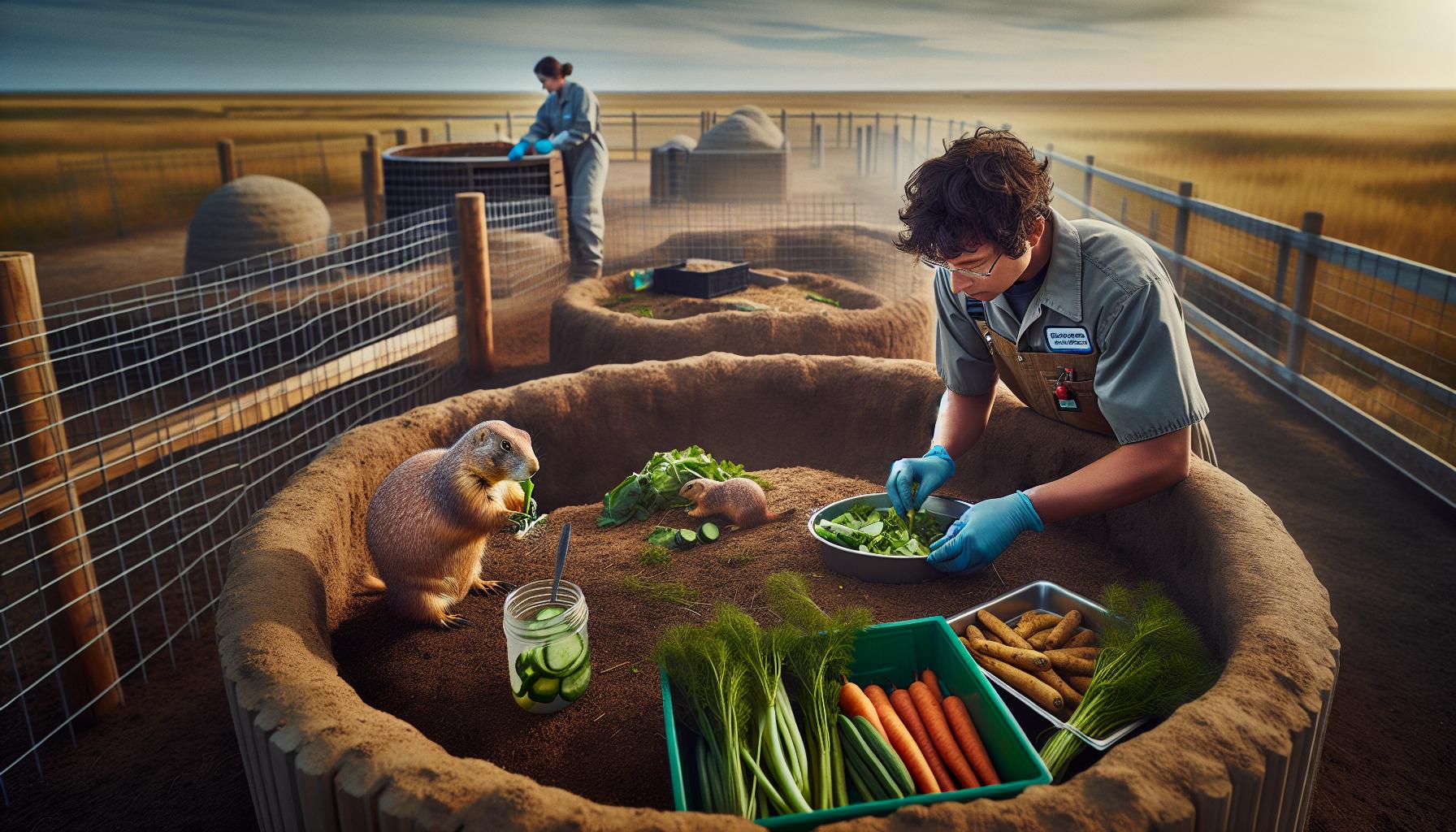
Prairie dogs are not just adorable; they are also social creatures with complex needs. Caring for these lively little mammals requires understanding their behavior, habitat, and health considerations while promoting their well-being through responsible ownership practices. When setting out on this adventure, keep in mind that your home becomes their new environment, and creating a suitable habitat is crucial for their happiness.
Creating a Comfortable Environment
Prairie dogs thrive in environments that closely mimic their natural habitats. An ideal setup includes:
- Spacious Enclosure: A large cage or enclosure with plenty of space for them to dig and explore. Consider using multi-level structures to encourage climbing and jumping.
- Burrowing Opportunities: Providing substrate for burrowing, such as soil or shredded paper, can satisfy their instinctual behaviors.
- Interaction Space: If possible, allow time outside of their enclosure for supervised play in a safe area, replicating their natural propensity to explore.
Offering safe objects to chew can also help wear down their continually growing teeth, preventing dental issues.
Nutrition and Health
The diet of a prairie dog should resemble what they would eat in the wild. A balanced diet includes:
- Fresh hay (timothy, oat, or grass hay)
- Leafy greens (such as kale or romaine lettuce)
- Occasional treats like fruits and vegetables in moderation
Regular veterinary check-ups are also essential. These tiny creatures can be prone to certain illnesses; routine checks include monitoring for respiratory issues and dental health.
Social Needs
It’s important to remember that prairie dogs are highly social animals. In the wild, they live in large colonies, so having one alone can lead to loneliness and stress. If possible, consider adopting a pair to help fulfill their social needs. Moreover, spending quality time interacting with your prairie dog can strengthen your bond. They may enjoy gentle handling and even playing games!
Investing time into socialization not only enriches their life but provides you with the joy of a more interactive pet.
By following these , you not only fulfill their needs but also enable a harmonious cohabitation, making your journey into exotic pet ownership rewarding for both you and your prairie dog. Embrace the experience with patience and joy; these charming animals are sure to dazzle you with their curious personalities!
Habitat Needs: Creating a Comfortable Home

Creating a thriving environment for your prairie dog is essential to their well-being and happiness. These fascinating creatures are not just cute; they are highly social animals that require a habitat mimicking their natural surroundings to thrive. Think of your prairie dog’s home as a miniature version of the vast plains they hail from. A suitable setup includes various elements that cater to their instinctual behaviors and social nature.
Firstly, a spacious enclosure is crucial. Prairie dogs need room to dig, explore, and move around freely. A multi-level cage can provide vertical space for climbing and jumping, which they naturally enjoy. Inside this space, you should incorporate materials that encourage burrowing, such as a mixture of soil and shredded paper, allowing your prairie dog to satisfy its natural instincts. This setup not only keeps them mentally stimulated but also helps maintain their physical health.
Additionally, consider creating a safe area outside their main enclosure. Supervised playtime allows prairie dogs to explore new environments, which is vital for their emotional health. While they are engaged in supervised play, provide chewable items to help maintain their constantly growing teeth. Safe wood branches, cardboard, or designated chew toys can provide entertainment and dental care.
Remember, these social creatures do best in pairs or groups. If you’re able, consider adopting more than one prairie dog. They thrive in the company of their kind, and having a buddy can significantly reduce stress and loneliness, ultimately contributing to a more fulfilling life for your pets. With these thoughtful considerations, you can create a comfortable and engaging home that aligns with their natural behaviors, fostering a happy and healthy prairie dog family.
Health and Veterinary Considerations for Prairie Dogs
Did you know that prairie dogs, while charming and sociable, also require dedicated health care to lead happy lives? As a potential owner in Texas, understanding the health and veterinary considerations for these unique pets is crucial not only for their well-being but also for compliance with legal requirements. Regular veterinary check-ups are essential, especially since prairie dogs can be susceptible to common health issues like dental disease, respiratory infections, and various parasites.
Veterinarians with experience in exotic animals are your best bet for comprehensive care. Ensure your vet is knowledgeable about prairie dogs and can provide vaccinations against common diseases, as well as advice on diet and habitat. A nutritious diet rich in fiber is vital: think high-quality hay, fresh vegetables, and limited fruits. Additionally, monitor their dental health since prairie dogs’ teeth continuously grow; providing chew toys can help keep their teeth in check and prevent painful issues.
Signs of Health Issues
Being observant about your prairie dog’s behavior can help detect health problems early. Keep an eye out for signs of illness such as:
- Changes in eating or drinking habits
- Unusual lethargy or increased hiding
- Weight loss or weight gain
- Changes in stool consistency
- Signs of pain (like squeaking when touched)
Prompt veterinary attention can make a significant difference in treatment outcomes. Furthermore, regular social interactions and mental stimulation are equally important to their health. Engaging your prairie dog with toys or training can provide necessary exercise and prevent boredom, which can lead to behavioral issues.
By understanding these key health considerations and maintaining regular veterinary care, you ensure a thriving environment for your prairie dog, fulfilling both your responsibilities as an owner and contributing to the conservation of this fascinating species.
Understanding Prairie Dog Behavior and Social Needs
Prairie dogs are much more than just cute critters; they are fascinating social animals with complex behaviors and emotional needs. In the wild, these small rodents live in intricate colonies that can span large areas, known as towns, where they engage in a variety of social interactions. This social structure is vital for their well-being, as prairie dogs rely on each other for warning signals and support within their community. When considering ownership in Texas, understanding these behavior patterns is crucial for creating a suitable environment.
One of the key aspects of prairie dog behavior is their strong affinity for socializing. Prairie dogs thrive in the company of their kind. They engage in grooming, playing, and even communicating through a sophisticated system of vocalizations and body language, which alert others to potential dangers or threats. To replicate this environment in captivity, it’s essential to have at least two prairie dogs together, as solitary animals may experience stress or loneliness, leading to behavioral issues such as excessive digging or vocalizing.
Creating a stimulating environment is also vital. Prairie dogs need plenty of opportunities to engage in natural behaviors such as digging and foraging. Providing a habitat with tunnels, climbing structures, and hideouts will keep their minds active and reduce boredom. Enrichment activities, such as toys that mimic their natural instincts or hiding food for them to discover, can also enhance their well-being. Alternatively, consider setting aside some time each day for supervised exploration outside of their enclosure, always ensuring a safe and secure area.
In conclusion, recognizing the importance of social interaction, environmental enrichment, and the emotional needs of prairie dogs will lead to a happier, healthier pet. As potential prairie dog owners, it is your responsibility to ensure that their needs are met, thereby fostering not only their happiness but also contributing to their conservation as a species. Whether you are already a seasoned owner or contemplating adding these unique animals to your family, understanding their social dynamics and behavior is a rewarding journey that enhances your relationship with them.
The Importance of Ethical Ownership and Conservation
Understanding the ethical implications of owning prairie dogs is crucial for anyone considering these charming animals as pets. Prairie dogs are not just cute and social; they play an important role in their ecosystems. Their burrowing activities help aerate the soil and contribute to the health of grasslands. Unfortunately, their populations face threats from habitat loss, disease, and overexploitation. As potential owners, embracing ethical ownership means recognizing our responsibility to care for these animals in a way that supports both their welfare and the conservation of their species.
When embarking on prairie dog ownership, it’s essential to prioritize their well-being by adhering to responsible practices. This includes ensuring they have adequate space to thrive, companionship from their own species, and a diet that meets their specific nutritional needs. Additionally, educating yourself about their social structures and natural behaviors is key. Keeping prairie dogs in pairs or small groups can significantly reduce stress and promote healthier, happier lives. As social animals, they rely on interaction with their own kind, and without it, they may suffer from loneliness and behavioral issues.
Conservation extends beyond individual ownership-it’s about contributing to the broader efforts to protect prairie dog habitats and populations. Many states, including Texas, have regulations in place to prevent the illegal capture and sale of prairie dogs and promote their ecological significance. Supporting conservation programs and initiatives can help preserve these animals’ natural environments. You might even consider getting involved with local wildlife organizations or rescue groups focused on prairie dog conservation. This engagement fosters a deeper understanding of the species and can lead to more thoughtful ownership practices.
In embracing ethical ownership, you become an advocate for prairie dogs and their habitats. This means not only caring for your pets with the utmost respect but also being informed about the larger ecological picture they are a part of. By providing a conducive environment and championing conservation efforts, you help ensure that prairie dogs flourish both in captivity and in the wild. Ultimately, responsible ownership goes hand in hand with conservation, creating a cycle of positive impact for these remarkable creatures.
Common Challenges of Owning a Prairie Dog
Owning a prairie dog can be an enchanting experience, but it comes with its fair share of challenges. These sociable creatures are known for their playful antics and complex social behaviors, making them popular as exotic pets. However, potential owners should be well aware of the difficulties that may arise, ensuring they are prepared to offer the best possible environment for these unique animals.
One of the primary concerns is the requirement for social interaction. Prairie dogs are highly social animals, living in large colonies in the wild. When kept in isolation or without sufficient companionship, they can develop severe stress and behavioral problems. It’s advisable to adopt at least two prairie dogs to help satisfy their social needs. An appropriate habitat must also be established, ideally mimicking their natural environment where they can dig, climb, and explore. Without proper space and stimulation, their health and happiness can quickly decline.
Another essential challenge is understanding their dietary needs. Prairie dogs require a specific diet rich in fiber and low in fat. This often consists of grasses, hays, and specially formulated pellets. Owners must be aware of their nutritional requirements and the consequences of neglecting proper feeding practices, which can lead to health issues such as obesity or digestive problems. Regular monitoring of their diet and health is vital for successful ownership.
Veterinary care poses another hurdle. Not all veterinarians are equipped to handle prairie dogs, so finding one who specializes in exotic pets is crucial. Routine health checks, vaccinations, and understanding common diseases are necessary to maintain their well-being. Additionally, potential owners should be prepared for the financial commitment associated with veterinary care, which can include costly treatments for illnesses that may arise.
Moreover, ethical considerations and legal regulations cannot be overlooked. In Texas, regulations regarding the ownership of prairie dogs are in place to protect their populations and habitats. Owners must stay informed about the legalities involved, including permits and licenses, as well as ethical ownership practices that contribute to conservation efforts.
In summary, while the joys of owning prairie dogs are plenty, it’s imperative to acknowledge and prepare for the challenges. From their social nature and dietary needs to health care and legal requirements, thorough research and commitment are essential for anyone considering bringing a prairie dog into their home. Armed with knowledge and a true passion for these fascinating creatures, responsible ownership is achievable and immensely rewarding.
Alternatives to Ownership: Advocating for Wildlife Rescue
Many people dream of owning a prairie dog, captivated by their playful nature and social behaviors, but there’s a world beyond ownership that offers equally fulfilling ways to appreciate these charming creatures. Advocating for wildlife rescue not only benefits prairie dogs but also contributes positively to conservation efforts. Instead of bringing one of these furry friends into your home, consider supporting organizations and initiatives that rescue and rehabilitate prairie dogs and their habitats.
Wildlife rescue groups often have the expertise and resources to care for prairie dogs that have been orphaned, injured, or displaced due to habitat destruction. By volunteering your time or resources, you can play a vital role in their recovery. This might include assisting with their care, helping to spread awareness about prairie dog conservation, or even fostering rescued prairie dogs until they can be released back into the wild. Such hands-on involvement can be incredibly rewarding and allows you to learn more about prairie dogs in their natural environments.
Moreover, supporting local rescue efforts and advocacy can include financial contributions or fundraising. Many organizations rely on donations to provide necessary veterinary care, food, and safe habitats for rescued animals. By ensuring these groups remain funded, you contribute to a larger movement aimed at protecting prairie dogs and their ecosystems. Your support helps foster awareness about the importance of respecting wildlife and promotes educational programs that inform the public about prairie dogs’ essential role in their ecosystems.
Lastly, consider participating in advocacy campaigns aimed at protecting prairie dog habitats from development and ensuring they remain a thriving part of our natural world. This can involve contacting local lawmakers, signing petitions, or engaging in community discussions. Remember, while owning a prairie dog may not be feasible or legal in some areas, there are myriad ways to make a positive difference in the lives of these animals without bringing them into your home.
Resources for Prairie Dog Owners and Enthusiasts
While the playful antics and social nature of prairie dogs can be utterly captivating, becoming a responsible owner involves much more than just admiration. For those considering bringing a prairie dog into their home, it’s essential to navigate the legal landscape and understand not just ownership but also the care and conservation responsibilities that come with it.
Many prospective prairie dog owners in Texas start by familiarizing themselves with state regulations. Prairie dogs are classified as exotic animals in Texas, which means specific permits are required for ownership. The Texas Parks and Wildlife Department (TPWD) regulates these creatures, necessitating that owners secure the correct licenses to maintain their legality. Navigating these regulations is crucial; a quick visit to the TPWD website can provide comprehensive guidance on permits and any necessary ethical considerations.
In addition to understanding legal requirements, it’s equally vital to connect with local wildlife shelters and animal advocacy groups. These organizations often provide valuable resources, including educational materials on prairie dog behavior, habitat needs, and social structures. They can also assist new owners in learning how to adequately care for these animals. For instance, prairie dogs thrive in a social environment, so understanding their needs for companionship and mental stimulation is crucial for their health and happiness.
For those who may have reservations about owning a prairie dog, there are myriad ways to engage with and support these animals without bringing one home. Participating in volunteer programs with local wildlife rehab centers can be a highly rewarding way to contribute to prairie dog conservation. Engaging in community discussions, donating to wildlife rescue operations, or even fostering rescued prairie dogs can provide insight into their needs while ensuring these animals are protected in the wild.
Ultimately, education, community involvement, and a respect for animal welfare are the best resources for those intrigued by prairie dogs. Exploring the social dynamics and environmental requirements of these fascinating creatures will reward enthusiasts and promote a healthier outlook on wildlife ownership. By fostering connections within the community and advocating for ethical treatment, everyone can play a part in preserving the natural habitats of prairie dogs, ensuring they continue to thrive in the wild.
Frequently Asked Questions
Q: Is it legal to own a prairie dog in Texas?
A: Yes, owning a prairie dog in Texas is legal, but there are specific regulations and permits required. It’s essential to check with local authorities and the Texas Parks and Wildlife Department for updated guidelines regarding ownership.
Q: What permits do I need to own a prairie dog in Texas?
A: To own a prairie dog in Texas, you typically need a permit issued by the Texas Parks and Wildlife Department. This ensures that you comply with state regulations regarding the care and management of exotic pets.
Q: Are there restrictions on prairie dog species ownership in Texas?
A: Texas regulations may restrict certain species of prairie dogs or require special permits for ownership. Always verify with local wildlife agencies to ensure compliance with the latest species-specific regulations.
Q: What responsibilities do prairie dog owners have in Texas?
A: Prairie dog owners in Texas must provide a suitable habitat, proper care, and health management. Regular veterinary check-ups and adherence to legal requirements are crucial for responsible ownership and animal welfare.
Q: Can I breed prairie dogs in Texas?
A: Breeding prairie dogs in Texas is subject to regulation and often requires specific permits. Check with the Texas Parks and Wildlife Department for guidance on breeding practices and requirements to ensure compliance.
Q: What should I know about caring for a prairie dog in Texas?
A: Caring for a prairie dog involves providing a spacious habitat, a proper diet, and social interaction. Understanding their social needs is critical, as they are highly social animals. Refer to the “Best Practices for Responsible Prairie Dog Care” section for more insights.
Q: Are prairie dogs considered invasive species in Texas?
A: Prairie dogs are not classified as invasive species in Texas, but their populations can impact local ecosystems. Responsible management and adherence to local regulations are paramount to avoid ecological imbalances.
Q: Where can I find resources for prairie dog ownership in Texas?
A: Various wildlife organizations and the Texas Parks and Wildlife Department provide resources and guidance for prairie dog owners. Visit their websites for detailed information on care, legal requirements, and conservation efforts.
Concluding Remarks
Owning a prairie dog in Texas requires understanding specific legal requirements and responsible care practices. If you’re considering adding one of these social, burrowing creatures to your family, remember that their lively nature and unique habits can bring both joy and challenges. Don’t hesitate to reach out to local wildlife experts or veterinary services for guidance on proper care and habitat setup.
For more information about pet ownership and legal guidelines, check out our articles on “Exotic Pets in Texas” and “Best Practices for Caring for Small Mammals.” Each resource equips you with valuable insights to ensure a successful pet-keeping experience.
Stay informed and make sure you’re prepared to provide the best home for your new furry friend. Have questions? Share your thoughts in the comments below or explore our community forums for discussions with fellow prairie dog enthusiasts. Your journey as a prairie dog owner can be both rewarding and exciting-let’s make the most of it!
Get our latest guides, news, and insights highlighted in your Google Search & AI Overviews.