
Food is a lens through which we can understand different cultures, and in China, this includes a fascinating assortment of exotic animals that find their way to the dining table. From the well-known delicacies like snake and frog to more obscure offerings, exploring what exotic animals are consumed in Chinese cuisine reveals rich traditions and evolving tastes. If you’re curious about the culinary practices that intertwine cultural significance with dietary choices, dive into the complexities of this topic. You’ll discover not only the types of animals eaten but also the stories behind these practices and insights into conservation issues linked to their consumption. This journey into China’s exotic food landscape will enhance your understanding of cultural reverence for animals and food sustainability, making for an enlightening read.
What Are Exotic Animals in Chinese Cuisine?
In the vibrant tapestry of Chinese cuisine, exotic animals play a unique and often controversial role. Exotic animals refer to not just commonly consumed wildlife like rabbit or quail, but also more unusual fare that captures the intrigue and imagination. For instance, delicacies such as snake, turtle, and even bear paw have made their way onto dinner tables, largely due to their perceived health benefits and their status as time-honored culinary traditions. Each of these meats is steeped in history, often tied to regional recipes that have been passed down through generations, enriching the cultural landscape of Chinese food.
The consumption of exotic animals can be deeply rooted in Chinese traditions, where it is believed that certain species possess healing properties and can enhance vitality. For example, snake soup, prominent in southern regions, is lauded not only for its unique taste but also for its supposed health benefits. This belief system surrounding food reflects a broader cultural attitude towards nature and its offerings, showcasing a connection to the environment and a respect for its resources.
Several factors shape the landscape of exotic animal cuisine in China, including regional tastes, availability, and cultural significance. In areas like Guangdong, the tradition of eating exotic meats is more prevalent, with local markets bustling with vendors selling everything from frogs to insects. Meanwhile, dishes such as stir-fried locusts or deep-fried silkworm larvae might be found in other regions, highlighting the diverse culinary practices across the country.
While the culinary allure of exotic animal dishes is undeniable, it is crucial to consider the ethical implications and the growing awareness of conservation issues surrounding the trade of these species. As dialogue about sustainability becomes more mainstream, many chefs and diners alike are beginning to reevaluate their relationship with food, sparking conversations about responsible sourcing and the importance of protecting wildlife populations.
Cultural Significance of Eating Exotic Animals
The culinary tapestry of China is interwoven with historical traditions and beliefs that highlight the . These dishes are not simply meals; they embody centuries of practice, philosophy, and respect for nature’s bounty. For many, consuming exotic meats is a rite of passage, a way to connect with their heritage and the land from which these ingredients originate. For instance, dishes like snake soup are not just about flavor; they are steeped in local lore about health benefits and rejuvenation that have been shared across generations.
Health Beliefs and Culinary Traditions
Many exotic animals are believed to possess specific health advantages that have led to their inclusion in traditional dishes. It’s common to hear that particular animal parts are associated with boosting specific bodily functions or enhancing vitality. This practice often reflects a deeper respect for the natural world, where animals are viewed not just as food but as components of a holistic approach to health. Whether it’s turtle soup or the use of bear bile, these ingredients are integrated into the diet with the belief that they confer benefits, thus intertwining the realms of food, medicine, and culture.
Regional Influences and Culinary Diversity
The diversity of exotic animal cuisine in China is a testament to the country’s vast geography and varied cultural practices. In southern regions, such as Guangdong, eating exotic delicacies is more commonplace, with bustling markets offering everything from frogs to insects. In contrast, northern regions may favor different types of dishes, showcasing how local availability and traditional practices shape culinary choices. This regional variation adds layers to the cultural significance of animal consumption, illustrating how food can reflect local resources, customs, and historical influences.
Despite the allure of these exotic ingredients, the discourse around their consumption is evolving, especially concerning ethical considerations and conservation awareness. As global conversations about wildlife protection grow more prominent, many in the culinary community are beginning to advocate for responsible sourcing and sustainable practices. These discussions emphasize a nuanced relationship between cultural traditions and modern ethical standards, reflecting an ongoing journey of understanding that bridges historic culinary practices with contemporary values and concerns.
Unique Dishes Featuring Exotic Ingredients

Unique dishes in Chinese cuisine that feature exotic ingredients provide a delightful glimpse into the culinary practices that have evolved over centuries. One captivating dish is snake soup, a traditional delicacy especially popular in southern China. Often hailed for its supposed health benefits, snake soup is made from a variety of snake species, including python and water snake. The dish is slow-cooked with spices and herbs, creating a rich, flavorful broth that is typically served with sliced snake meat, garnished with fresh herbs. Interestingly, snake soup is not just about taste; it embodies cultural beliefs regarding vitality and rejuvenation, making it popular during cooler months.
Another intriguing dish is frog legs, particularly favored in regions like Guangdong, where they are often marinated and stir-fried with garlic and ginger to accentuate their delicate flavor. Frog legs are considered a delicacy and are often showcased at celebratory meals. In addition to frog legs, you might find dishes using insects, like crispy fried crickets or silkworm larvae, especially in street food markets. These crunchy critters are seasoned with spices and can offer a sustainable protein source, reflecting changing dietary trends among younger consumers seeking adventurous flavors.
Meat from exotic birds, such as pigeon or quail, also features prominently in regional specialties. For instance, stewed pigeon with Chinese herbs is believed to improve health and enhance longevity, showcasing how culinary practices intertwine with traditional Chinese medicine. Serving exotic meats often sparks curiosity and can engage diners in discussions about the dish’s origins, preparation, and cultural significance.
In summary, the unique dishes of exotic meats in China highlight an adventurous culinary landscape that is steeped in tradition and local beliefs, offering not just a meal but an experience rich with history and cultural meaning. Whether through the delicate layers of snake soup or the savory crunch of frog legs, these exotic preparations reflect the deep connection between food, culture, and identity that characterizes Chinese cuisine.
Regional Variations in Exotic Animal Cuisine
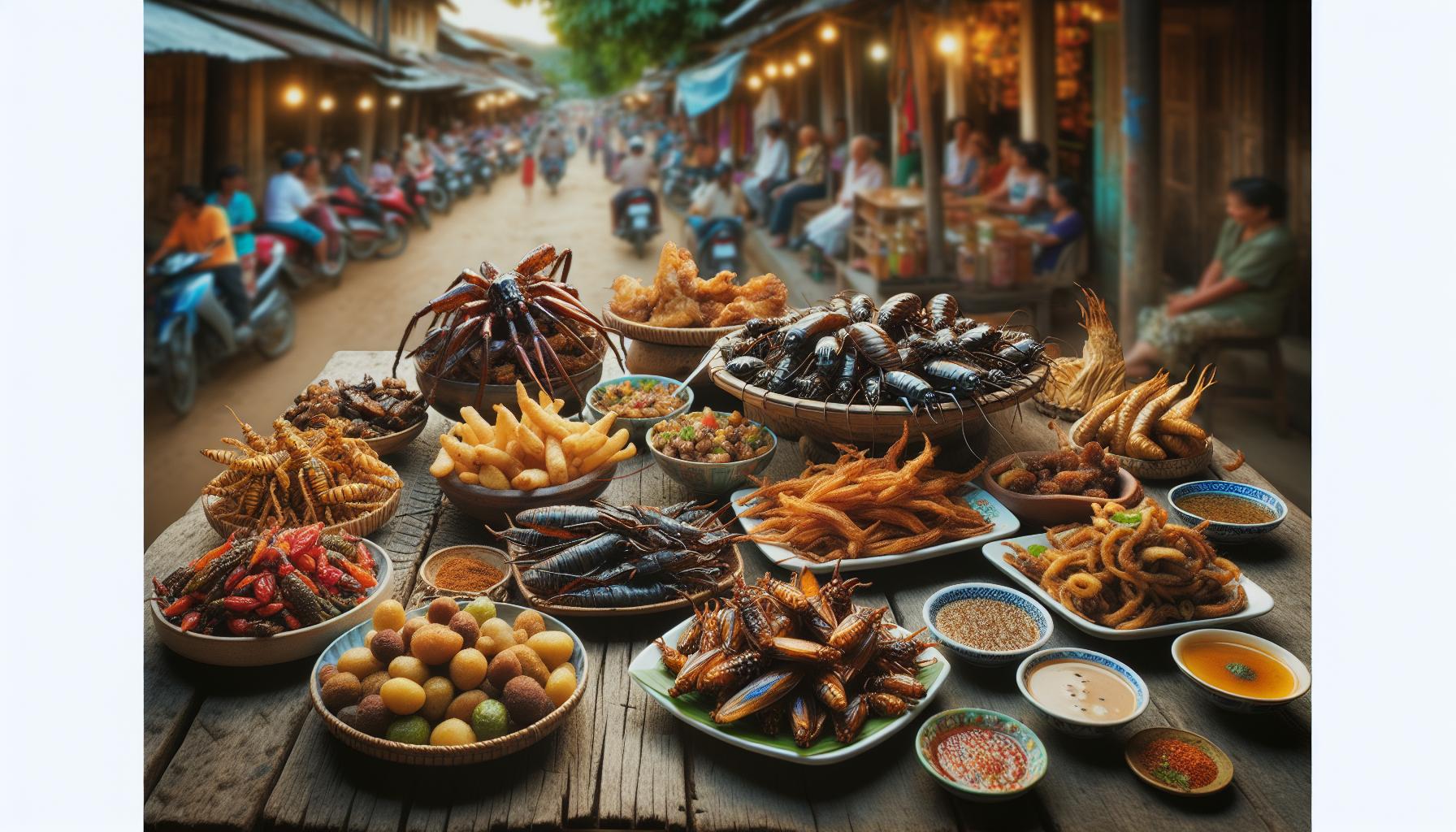
In the diverse tapestry of Chinese cuisine, regional variations play a significant role in the types of exotic animals featured in traditional dishes. Each province, with its unique climate, cultural heritage, and culinary practices, contributes to the rich mosaic of flavors and ingredients. For instance, in southern China, particularly in Guangdong province, you might find snake soup, celebrated not just for its taste but also for its perceived health benefits. This dish often includes a mix of several snake species, reflecting the local belief in the restorative properties of snake meat during the colder months.
Moving on to the northeastern provinces, such as Heilongjiang, you’ll discover dishes that incorporate wild game, including deer and pheasant. The practice of hunting and cooking wild animals connects deeply to local traditions and the understanding of nature’s cycles. These meats are typically roasted or stewed with spices, lending a robust flavor that resonates with the region’s cold climate. Traditional festivals in these areas often highlight these dishes, showcasing a community’s respect for nature and its gifts.
In contrast, the culinary landscape in Tibet is characterized by the use of yak meat, where it’s commonly prepared as momo (dumplings) or stews. The yak, revered for its hardiness in high altitudes, is not only a source of sustenance but also embodies the nomadic traditions of Tibetan culture. The preparation of yak dishes often involves meticulous techniques passed down through generations, emphasizing the balance of flavors that honor both the meat and the accompanying ingredients.
The use of exotic birds also varies widely across China. In areas like Jiangsu, pigeon and quail are often prepared as part of festive meals, reflecting their status as delicacies reserved for special occasions. These birds can be slow-cooked with Chinese herbs, creating dishes that seamlessly blend culinary artistry with nutritional wisdom derived from traditional Chinese medicine.
Overall, the regional nuances of exotic animal cuisine in China reveal a profound connection between the land, the people, and the culinary practices developed over thousands of years. Respect for local ingredients, combined with a deep cultural significance, ensures that these dishes continue to thrive and evolve, representing both a historical legacy and a living tradition.
Traditional Beliefs Around Exotic Foods

In the realm of Chinese culture, food is not merely sustenance; it embodies deep-seated beliefs and traditional practices. Many exotic foods are considered more than just delicacies-they are infused with symbolism and are linked to health practices rooted in centuries of tradition. For example, the consumption of snake meat is often associated with invigorating properties. It’s believed to warm the body and improve circulation, which is especially valued in colder regions during winter months.
Similarly, some traditional Chinese practices revolve around the idea of balancing yin and yang. Exotic meats like frog and tortoise are thought to possess unique energies that can help restore this balance. In many households, these ingredients are carefully chosen not only for their taste but also for their purported health benefits. For instance, tortoise soup is revered for its supposed ability to enhance vitality and is often served during important celebrations, further weaving together culinary enjoyment with cultural significance.
Moreover, certain exotic dishes are tied to ritualistic practices or protective beliefs. During festivals, it’s common to share meals that include more unusual ingredients, symbolizing prosperity and celebration. The act of eating something perceived as exotic or rare can also showcase wealth and status, linking gourmet choices to familial pride and community values. This is particularly notable in regions like Guangdong, where dishes such as bird’s nest soup denote luxury and refinement.
In addition to these traditions, there’s a growing consciousness about the importance of sustainability and ethical sourcing of exotic animals. As awareness about conservation issues rises, many are reevaluating their culinary habits, seeking alternatives that honor traditional practices while safeguarding wildlife. This evolving perspective reflects a merge of respect for age-old customs with the contemporary responsibilities of animal conservation, revealing a dynamic and thoughtful relationship with food that is as complex as the flavors involved.
Ethical Concerns and Conservation Impact
Many exotic animals featured in traditional Chinese cuisine carry with them a complex web of ethical concerns and potential impacts on conservation. For centuries, foods such as snake, frog, and turtle have been prized not just for their unique flavors but also for their perceived health benefits. However, the growing awareness of biodiversity loss and animal rights has led to increasing scrutiny over the consumption of these species.
The demand for exotic meats can exert relentless pressure on certain populations in the wild. Some species, like the Chinese giant salamander, have seen drastic declines due to overharvesting for culinary use. On the flip side, there is a growing movement advocating for the sustainable consumption of exotic foods, where enthusiasts and chefs champion the use of farm-raised animals or legally sourced wildlife products. This shift seeks to balance cultural heritage with ethical consumption.
When contemplating the choice to incorporate exotic animals into culinary practices, many people are becoming more discerning. They are considering factors such as the sustainability of sourcing and the ecological impact of their meals. For example, some restaurateurs are shifting their menus towards responsibly farmed alternatives that replicate traditional flavors without contributing to ecological harm. This not only preserves cultural culinary practices but also nurtures a respect for wildlife and habitat.
As consumers, understanding the broader implications of eating exotic animals is essential. Engaging with reputable sources, supporting ethical farms, and choosing to partake in dishes that utilize species with sustainable populations helps ensure that these extraordinary animals continue to thrive in their natural habitats. A conscious approach to exotic cuisine fosters a dialogue between enjoyment of heritage and responsibility towards conservation, allowing for a culinary adventure that is both delicious and ethically sound.
Legal Regulations on Exotic Animal Trade
Understanding the legal landscape surrounding the trade of exotic animals is crucial for both consumers and advocates of wildlife conservation. In China, the laws regulating the trade of exotic animals can be quite intricate. Historically, the country has been both a consumer and a source of exotic wildlife, leading to significant biodiversity concerns. Some of the most notable regulations stem from China’s commitment to international agreements like the Convention on International Trade in Endangered Species of Wild Fauna and Flora (CITES). This treaty aims to ensure that international trade does not threaten the survival of species in the wild.
Current Regulations
In recent years, the Chinese government has tightened controls on the trade of certain exotic species, particularly following the outbreak of zoonotic diseases linked to wildlife markets. A landmark moment came in 2020 when China banned the sale and consumption of wild animals as food, a move primarily driven by public health and conservation considerations. This ban specifically targets animals deemed high-risk for disease transmission, such as snakes, turtles, and various mammals typically featured in traditional cuisines.
- Protected Species: Many exotic animals fall under protected species categories, meaning their trade is either heavily restricted or outright banned.
- Licensing Requirements: Farms wishing to breed exotic animals for consumption must obtain licenses, and these operations are monitored to prevent illegal trade.
- Penalties: Violations of these laws can result in severe penalties, including hefty fines and imprisonment.
Challenges in Enforcement
Despite these regulations, enforcement remains a significant challenge. Illegal wildlife markets still exist, fueled by demand for traditional dishes that utilize exotic meats. This black market undermines legal efforts and conservation initiatives, making it vital for consumers to be informed about the sources of their food. Responsibly sourced alternatives, such as farm-raised species, are becoming more popular as a means to enjoy exotic flavors while supporting legal and sustainable practices.
In light of these evolving regulations, it’s essential for both consumers and restaurateurs to stay informed and make choices that not only delight the palate but also contribute to the preservation of wildlife. Whether dining out or cooking at home, understanding where exotic ingredients come from can help pave the way for a more ethical relationship with food. By supporting businesses that prioritize sustainability and legality, diners can enjoy their culinary adventures while ensuring that the delicate balance of ecosystems remains intact.
Growing Trends in Sustainable Eating
As the global palate becomes ever more adventurous, a growing trend in the culinary world is the movement toward sustainable eating, particularly regarding exotic ingredients in Chinese cuisine. This shift is fueled by increasing consumer awareness around the impact of food choices on the environment and wildlife. Diners are now more informed about sourcing, often seeking out restaurants and markets that prioritize ethical practices. A fascinating aspect of this trend is how it intertwines with traditional Chinese dietary practices, which have historically included a wide range of exotic meats but are now being adapted to align with sustainable practices.
One impactful change is the rising demand for farm-raised alternatives to traditionally wild-caught exotic animals. These sustainable farms utilize practices that minimize environmental impact and avoid the ethical concerns associated with wild animal trade. For example, some restaurants in urban areas are starting to feature dishes made from sustainably sourced reptiles or insects that have long been part of Chinese cuisine but have seen declines due to overharvesting. By promoting these alternatives, chefs not only provide consumers with a unique dining experience but also contribute positively to conservation efforts.
Moreover, this focus on sustainability is prompting a resurgence in traditional recipes that utilize local and responsibly sourced ingredients. For instance, in some regions, chefs are rediscovering indigenous herbs and plants that complement exotic meats, encouraging a more holistic approach to meal preparation. This not only enriches the culinary landscape but also supports local agriculture and biodiversity. Engaging with these practices allows consumers to experience the flavors of China while also making a positive impact on the environment.
While navigating the complex world of exotic ingredients, it’s crucial for consumers to remain vigilant about the origins of their food. Labels and certifications indicating sustainability can guide informed choices. By supporting businesses that thrive on ethical sourcing and conservation, diners can embark on a culinary adventure that celebrates China’s rich heritage while also safeguarding its future. This mindful approach to eating could transform the landscape of exotic cuisine into a more sustainable and responsible one, harmonizing taste, tradition, and ecological respect.
Exotic Animal Dishes: A Culinary Adventure
Exploring the world of exotic animal dishes in Chinese cuisine is like embarking on a culinary safari, where each dish tells a unique story rooted in culture, tradition, and sometimes, adventure. From the sizzling streets of night markets to the sophisticated menus of fine dining restaurants, exotic meats play a significant role in the tapestry of Chinese food. Ingredients often include wild game, such as snake, deer, and even more unusual options like insects, which have been part of local diets in various regions for centuries.
Unique Dishes and Their Origins
China is renowned for its diverse culinary landscape, and with that diversity comes an array of exotic dishes. For instance, the preparation of snake soup is particularly notable, especially in southern regions like Guangdong. Valued for its supposed health benefits, the soup is traditionally made with various snake species, along with herbs and spices that elevate its flavor. Similarly, stir-fried insects, such as crickets and locusts, are not just a novelty but are considered protein-rich delicacies in many areas, providing a sustainable alternative to conventional meats.
Regional Specialties
Different regions of China have their own specialties when it comes to exotic meats. In the northeast, you might encounter deer meat, often marinated and grilled, celebrated for its rich flavor and textures comparable to beef. Meanwhile, in the southern provinces, you may find dishes featuring frog legs, which are often deep-fried or cooked in spicy sauces. Each dish reflects not merely a preference but also the ecological abundance of the specific area, showcasing how local availability influences traditional recipes.
Cultural Significance
Beyond mere taste, exotic animal dishes are steeped in cultural significance, often associated with festivals, celebrations, or medicinal practices in Chinese culture. Many believe that certain meats possess unique health benefits, linking consumption to wellness. This practice exemplifies the traditional Chinese medicinal philosophy, which holds that diet plays a critical role in maintaining health balance. As such, dishes that incorporate these meats are often more than just meals-they are seen as ways to enhance health and vitality.
In conclusion, the culinary adventure of exploring exotic animal dishes in Chinese cuisine opens a door to understanding a rich cultural heritage. Whether one is savoring a steaming bowl of snake soup or a plate of crispy fried crickets, each bite is an invitation to experience the intricate relationship between food, culture, and the environment. By embracing these flavors, diners partake not only in the legacy of a culinary tradition but also in a conversation about sustainability and ethical eating practices.
How Exotic Foods Reflect Chinese Heritage
Exploring exotic foods in Chinese cuisine offers a fascinating glimpse into the country’s rich heritage, showcasing how the relationship between food and culture has evolved over centuries. Each exotic dish not only provides unique flavors but also encapsulates historical practices, regional biodiversity, and deep-rooted beliefs about health and wellness. For instance, ingredients like snake and frog are not merely culinary choices; they reflect the environments from which they come and the traditions of the communities that utilize them.
A Culinary Story of Adaptation
Culturally, the consumption of exotic animals is tied to the adaptation of Chinese communities to their surroundings. In regions where certain wildlife is abundant, such as the riversides or mountainous areas, these animals become integral to local diets. Take frog legs; often enjoyed in spicy marinades in southern China, they are a testament to the ingenuity of local cooks who have turned what might be considered unconventional into cherished delicacies. This represents a fundamental aspect of Chinese cuisine: the ability to embrace and elevate local resources.
Health and Medicinal Beliefs
Moreover, the incorporation of exotic meats into daily diets is often linked to traditional Chinese medicine (TCM), which posits that food can play a role in healing and maintaining balance. Certain meats are believed to possess specific properties that can enhance vitality or promote health. For example, snake is considered a delicacy that may help with circulation and rejuvenation, making it a popular choice for health-conscious diners. This intersection of gastronomy and traditional health beliefs highlights how food is more than sustenance; it plays a vital role in cultural identity and wellness.
Conservation Awareness
However, as we celebrate the culinary adventure of exotic foods, it’s also essential to consider ethical sourcing and conservation. Many exotic species face threats due to habitat loss and overhunting, prompting a shift in consumer choices towards more sustainable practices. Diners are increasingly conscious of the ecological footprint of their meals, urging restaurants and chefs to source ingredients responsibly. This evolution in mindset reflects a broader global trend toward sustainability, intertwining the enjoyment of traditional foods with a commitment to preserving biodiversity, which is crucial for the future of culinary traditions.
Through exploring these exotic flavors, diners engage with a complex cultural tapestry that is both delicious and thoughtful, emphasizing the importance of understanding and respecting the origins of the foods they enjoy.
Frequently asked questions
Q: What rare animals are considered delicacies in Chinese cuisine?
A: In Chinese cuisine, rarer animals like bird’s nest, made from swiftlet saliva, and bear bile, known for its medicinal properties, are considered delicacies. These ingredients are often used in traditional dishes to symbolize wealth and health, highlighting the cultural significance of exotic foods.
Q: Why do some people in China eat exotic animals?
A: Eating exotic animals in China is often rooted in cultural traditions, beliefs about health benefits, and social status. Additionally, some dishes featuring exotic ingredients are seen as status symbols during celebrations and festivals, influencing culinary choices across diverse regions.
Q: Are there ethical considerations surrounding the consumption of exotic animals in China?
A: Yes, there are significant ethical concerns regarding the consumption of exotic animals, including issues of conservation and animal welfare. Many organizations advocate for responsible eating practices and sustainable sourcing to protect endangered species and habitats.
Q: How has globalization affected the consumption of exotic animals in China?
A: Globalization has expanded the exposure and demand for exotic animal dishes, introducing a variety of international cuisines into China. This increase has heightened ethical and regulatory scrutiny over the trade and consumption of these animals, leading to more calls for sustainable alternatives.
Q: What role does regional variation play in the consumption of exotic animals in China?
A: Regional variation significantly influences which exotic animals are consumed in China. For instance, coastal areas may enjoy sea turtles or fugu (pufferfish), while inland regions might favor wild game. These practices highlight the connection between local culture, geography, and dietary preferences.
Q: How do traditional beliefs impact the use of exotic animals in Chinese dishes?
A: Traditional beliefs often elevate exotic animals, linking them to health benefits and auspicious outcomes. Ingredients like phoenix tail or certain medicinal herbs are thought to enhance vitality and longevity, integrating spirituality with everyday culinary practices.
Q: What are common dishes featuring exotic animals in China?
A: Common dishes featuring exotic animals include bird’s nest soup, made from edible bird nests, and snake soup, believed to warm the body. These dishes often serve as luxury items in restaurants or during special occasions, highlighting their unique culinary status.
Q: What recent trends are emerging regarding exotic animal consumption in China?
A: Recent trends highlight a shift towards sustainable eating, with many consumers increasingly choosing ethically sourced ingredients. There is a growing awareness of wildlife conservation that impacts how exotic animals are perceived and consumed in contemporary Chinese society.
Closing Remarks
As we explore the fascinating world of exotic animals consumed in Chinese cuisine, we uncover a rich tapestry of culture and tradition that might surprise many. From the significance of these culinary choices to the ethical considerations surrounding them, understanding this subject enhances our appreciation of diverse food practices. If you’ve enjoyed this glimpse into cultural foods, don’t miss our articles on “Sustainable Eating Practices in Global Cuisines” and “The Role of Culinary Traditions in Conservation.”
Join our community of food enthusiasts by signing up for our newsletter, where we continue to explore unique food cultures from around the world. Have questions or thoughts to share? We encourage you to leave a comment below! Your insights can spark further discussion and help us all learn together. Dive deeper into this captivating topic today and let’s keep the conversation going!
Get our latest guides, news, and insights highlighted in your Google Search & AI Overviews.