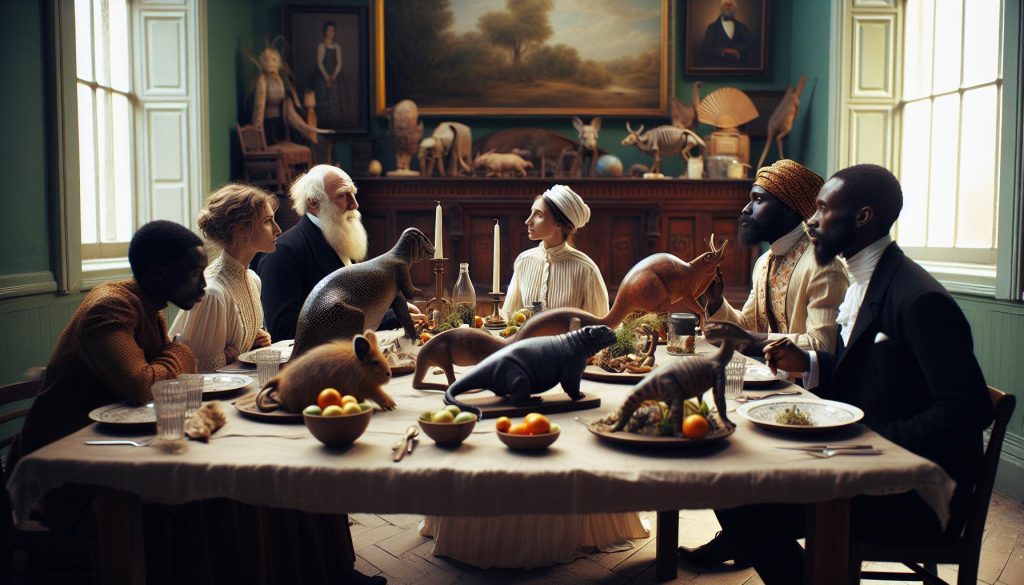
Did you know that Charles Darwin not only revolutionized our understanding of evolution but also had quite an adventurous palate? In “What Exotic Animals Did Charles Darwin Eat? Strange Menu,” we delve into the unexpected culinary choices of the famed naturalist. From iguanas to armadillos, Darwin’s explorations weren’t limited to the natural world; he also sampled the very creatures that sparked his groundbreaking theories. Discovering the foods he encountered can provide a unique glimpse into the cultures he experienced and the scientific curiosity that drove him. So, let’s journey into the past and see how the man who challenged conventional thinking about species also embraced the exotic and unusual at the dinner table. Join us as we explore the fascinating intersection of wildlife and cuisine through Darwin’s eyes-your taste buds might just find it as thrilling as the animals themselves!
The Exotic Diet of Charles Darwin: A Culinary Adventure
Charles Darwin, the father of evolutionary theory, ventured into many exotic locales during his travels, which decidedly influenced not just his scientific outlook but also his culinary experiences. On his famed voyage aboard the HMS Beagle, Darwin encountered a plethora of unusual animals that found their way onto his plate. Imagine dining on the flesh of animals like iguanas in the Galápagos Islands or tasting the unique flavor of a tortoise. These experiences weren’t merely for sustenance; they offered Darwin a firsthand glimpse of the diversity of life and the relationships between species, thus feeding both his body and his insatiable curiosity.
Throughout his journey, Darwin’s adventurous palate led him to sample a range of rare creatures. He recorded these culinary escapades in his journals, noting the flavors and textures. For instance, he once described the taste of an armadillo, likening it to that of duck and highlighting its unique culinary qualities. Such experiences opened his eyes to the varying adaptations of species and illustrated the stark differences in how living organisms interact with their environments, a realization that would underpin much of his later work in natural selection.
Darwin’s willingness to embrace the exotic in his diet reflects a broader cultural significance of animal consumption during the 19th century. Eating unusual animals was once seen as a way of showcasing bravery and intellect, echoing a desire to learn more about the strange and uncharted territories of the world. However, this practice also sparked ethical debates about the role of humans as both explorers and consumers of the natural world. As we reflect on Darwin’s culinary adventures, we see them as an extension of his scientific curiosity, seamlessly blending the pursuit of knowledge with a taste for novelty.
These unique dining experiences reveal how intertwined science, culture, and diet were for Darwin. By challenging conventional boundaries of what constituted food, he not only broadened his own understanding of the natural world but also paved the way for future explorations into the connections between diet, culture, and conservation. This legacy continues to inspire a fascination with exotic foods and the stories they carry in the realm of science and culinary tradition.
Unusual Animals on Darwin’s Menu
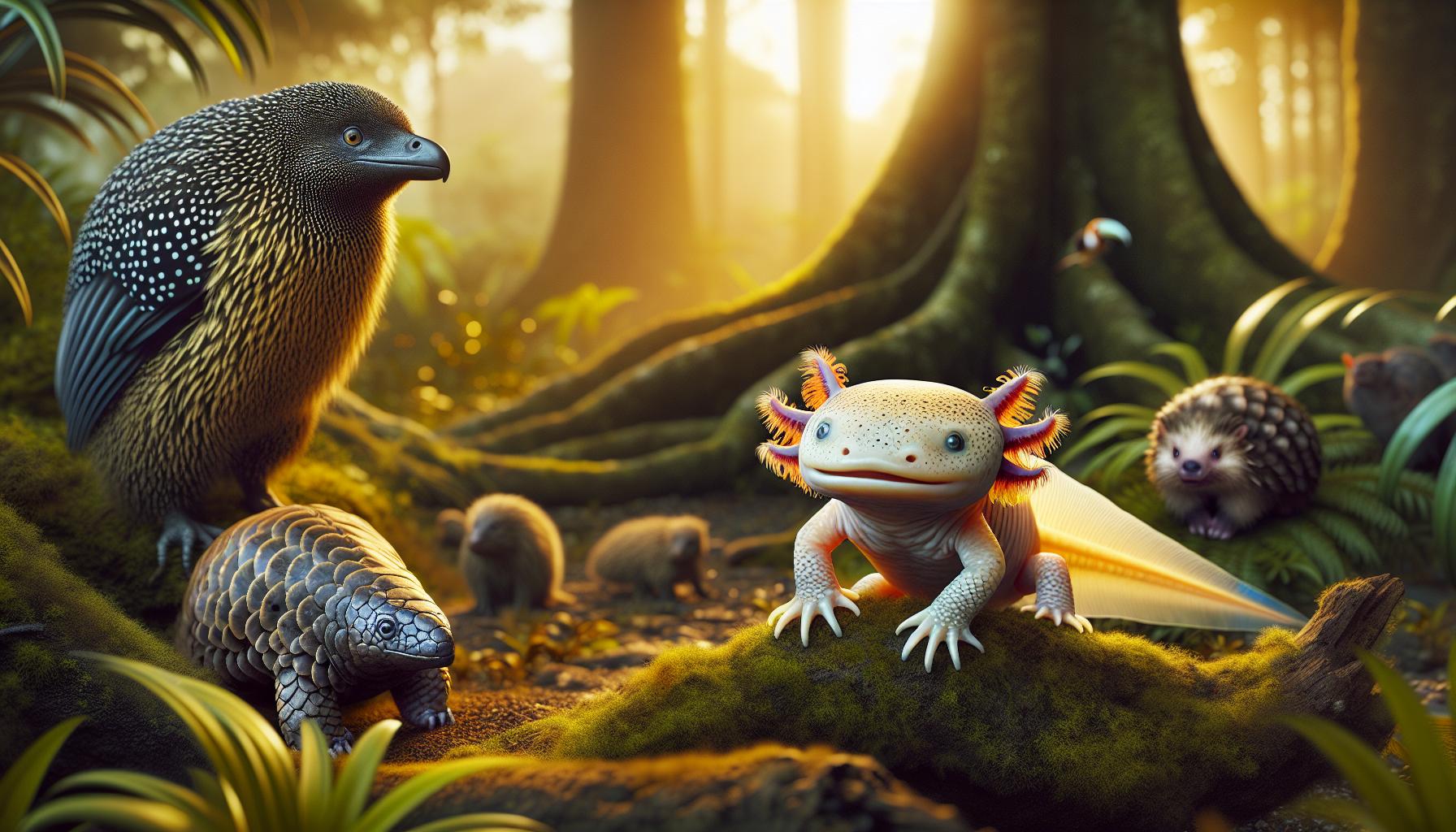
Throughout his remarkable journey aboard the HMS Beagle, Charles Darwin’s adventurous spirit extended well beyond scientific observation; it delved into the culinary realm as well. His encounters with numerous unusual animals significantly shaped his experiences, as he often turned to the local fauna to satisfy his palate. Imagine sampling the meat of creatures that many would find unconventional today. Darwin himself recorded tasting iguanas, tortoises, and even armadillos, each offering a unique glimpse into the rich tapestry of life he was studying.
The Exotic Menu
- Iguanas: In the Galápagos Islands, Darwin encountered these fascinating reptiles, which not only played a pivotal role in his studies of adaptation but also made their way to his dinner plate. Their flesh was noted for being quite tough and gamey.
- Giant Tortoises: Another staple during his travels, tortoise meat was often described as rich and flavorful. It provided sustenance for sailors and explorers alike, becoming a crucial part of long sea voyages.
- Armadillos: Darwin famously compared their taste to that of duck. This small, armored creature presented yet another example of the strange culinary choices available to him during his explorations.
- Rhea: The South American relative of the ostrich was also a part of Darwin’s menu. Delicate and large, rheas offered a unique taste reminiscent of more familiar poultry.
Each of these dining experiences was not just about sustenance; they provided Darwin with insights into the lives of the animals he was studying. By understanding their behaviors and habitats, he could draw connections between diet, adaptation, and evolution, which became foundational for his later theories on natural selection. It’s fascinating to think how each meal contributed to his scientific anecdotes and observations, enhancing both his understanding and appreciation of biodiversity.
These unusual culinary choices reflect a mindset of curiosity and exploration. By embracing the exotic in his diet, Darwin not only nourished his body but also his intellect, paving the way for future scientists to consider the relationship between diet, species adaptation, and ecological studies. The flavors he experienced were a direct connection to the life forms around him, reinforcing his groundbreaking ideas that would forever change our understanding of nature and evolution.
Historical Context: Did Eating Animals Influence Science?
Charles Darwin’s encounters with exotic animals did more than just satisfy his curiosity or hunger; they intertwined with his scientific inquiries and laid a foundation for modern evolutionary thought. As a naturalist aboard the HMS Beagle, Darwin lived in an era when the relationship between human consumption of animals and scientific understanding was still being defined. The act of consuming wildlife was not merely a matter of survival for explorers like Darwin; it represented a complex interaction with the natural world, offering insights that transcended culinary experience.
For Darwin, tasting the flesh of animals such as iguanas, giant tortoises, and armadillos was deeply intertwined with his observations of their behavior and habitats. This engagement with the local fauna allowed him to collect firsthand data about adaptation and survival strategies. His notes on these exotic meals sometimes included reflections on the animals’ physical traits and ecological roles, exemplifying how dining choices can shape scientific narratives. By understanding the mechanics behind the survival of these species in their environments, Darwin was able to draw parallels to his theories on natural selection.
In the broader historical context, the consumption of exotic animals by explorers fueled a greater awareness of biodiversity and ecological interdependence. Such experiences encouraged a shift in perspective about the interconnectedness of life forms. While some contemporaries viewed eating these animals as merely a curiosity or a means to an end, Darwin approached it as an opportunity to connect more deeply with the ecosystems he studied. This multifaceted relationship with nature helped to foster a respect for biodiversity-an important consideration for today’s conservation efforts.
Moreover, Darwin’s willingness to eat unconventional animals reflects a trend among early naturalists, who saw their studies as an immersive experience. By engaging with the local customs and food sources of the regions they explored, they gathered data that was both scientific and personal. This blending of culinary adventure and ecological study laid early groundwork for the field of ethnobiology, where understanding human cultures and their relationship with nature is crucial. Thus, Darwin’s exotic culinary experiences contributed not only to his own scientific work but also to a broader conversation about the connections between humans, animals, and the environment.
Darwin’s Culinary Experiences During His Travels
During his remarkable voyage aboard the HMS Beagle, Charles Darwin’s culinary experiences were as diverse and exotic as the destinations he visited. Imagine indulging in dishes made from creatures that many today might only see in nature documentaries. Darwin’s willingness to sample unusual animals not only filled his stomach but also enriched his understanding of the natural world. From iguanas to giant tortoises, each meal contributed to his observations of species adaptation and natural selection.
One memorable instance of Darwin’s adventurous palate occurred during his time in the Galápagos Islands. Here, he famously tasted the flesh of the giant tortoise, which was a staple food for sailors. These animals, some of which lived to be over a hundred years old, were not just a source of nutrition; they represented a living connection to his evolving theories about survival and ecological niches. The tortoise’s slow movement and long lifespan intrigued him, leading him to reflect on the traits that allowed such animals to thrive in their unique environments.
Beyond the tortoise, Darwin also sampled iguana and armadillo, both of which can evoke curiosity and fascination. The iguana, often appreciated for its unique ecological role in the Galápagos, provided a taste that was tender and a little fishy, according to his notes. On the other hand, armadillo was reported to have a rather gamey flavor, but its unusual appearance and burrowing habits piqued Darwin’s interest deeply. With each item that made it to his plate, Darwin connected the dots between dietary choices and the intricate web of life.
Darwin’s culinary encounters weren’t just about sustenance; they served as a lens through which he examined the intricate relationships within ecosystems. Eating these exotic animals highlighted the importance of cultural practices in indigenous communities, where local cuisines often reflect an intricate balance with nature. For Darwin, engaging with these flavors was a means of tapping into the heart of biodiversity and understanding the forces of evolution. Thus, his unique dining experiences not only satisfied immediate appetites but helped construct a lifelong inquiry into the remarkable tapestry of life on Earth.
Cultural Significance of Eating Exotic Animals

Exploring the act of consuming exotic animals offers a fascinating glimpse into the cultural practices of various societies, as well as a reflection on humanity’s relationship with nature. For Darwin, eating unusual creatures like iguanas and giant tortoises was not merely an act of survival; it was a way to immerse himself in the cultures and environments he studied. In many indigenous cultures, eating local wildlife is deeply interwoven with social identity, traditions, and spiritual beliefs, showcasing a profound respect for the natural world.
Understanding Cultural Practices
In the societies Darwin visited, the consumption of exotic animals often had significant cultural implications. For instance, in the Galápagos Islands, the giant tortoise was more than a food source; it was a symbol of endurance and adaptation. Consuming such animals allowed locals to connect with their habitat, understanding that every creature plays a role in the ecosystem. These practices highlight a sustainable approach to living with nature, contrasting with modern excesses associated with industrialized food systems.
Connection to Science
Darwin’s willingness to sample exotic meats allowed him to draw direct connections between his dietary habits and scientific observations. For example, by consuming iguana, he didn’t just experience a different food; he noted its ecological role and characteristics, leading to insights about adaptation and niche specialization. This unique blend of cultural and scientific exploration during mealtime illustrates how our interactions with food can lead to broader understanding and appreciation of biodiversity.
Modern Reflections
Today, the continues to evoke mixed reactions. While some view it as a celebration of biodiversity and cultural heritage, others raise ethical concerns about conservation and animal welfare. The rise of ethical eating practices and sustainable sourcing has led to a resurgence of interest in local and wild foods-echoing practices reminiscent of Darwin’s explorations.
In sum, the culinary experiences of Charles Darwin reflect not only his adventurous spirit but also a profound commentary on the interplay between human culture and the natural world. He exemplified how food can be a medium for understanding ecological relationships, fostering a sensibility that resonates with increasing relevance today. The lessons gleaned from his explorations serve as timeless reminders of our responsibilities toward the species with whom we share our planet.
Darwin’s Ethical Views on Animal Consumption

Charles Darwin’s culinary adventures often sparked discussions about ethics and animal consumption, reflecting a complex interplay between survival, science, and morality. During his explorations, he dined on a variety of exotic animals, yet his choices were influenced not only by necessity but also by a profound respect for the creatures he encountered. For example, while he consumed iguanas and tortoises, he often documented their ecological significance. This attitude demonstrates that his appetite was paired with an awareness of the roles such species play in their environments, highlighting a foundational piece of his evolutionary theory.
can be seen as a balance between cultural traditions and scientific inquiry. His travels brought him into contact with diverse cultures where eating local wildlife was a customary practice. This connection between food and identity often influenced his thoughts on ethics. Rather than viewing these animals solely as food sources, he recognized their necessary presence in ecosystems. For Darwin, ethical consumption was not merely about abstaining from eating certain animals; it also involved understanding their ecological contributions and advocating for respectful interaction with nature.
As Darwin sampled various species, he often reflected on the implications of these acts. His writings hint at a growing awareness of conservation and the need to preserve biodiversity, ideas that resonate deeply in today’s discussions about ethical eating and wildlife conservation. Acknowledging that our dietary choices affect animal populations and ecosystems is critical; Darwin’s experiences serve as an early exploration of these complex relationships.
In a contemporary context, his legacy prompts questions about how we approach exotic diets today. As we draw from Darwin’s adventures, discussions around ethical animal consumption now emphasize sustainability and conservation. People are encouraged to consider not just what they eat but how their choices impact the world around them. Engaging with food from a place of awareness and respect continues to echo the lessons Darwin imparted through his unique culinary experiences and scientific explorations.
Rare Animal Species That Made the Menu
During his epic voyages, Charles Darwin encountered a remarkable assortment of unusual animals that found their way onto his dinner plate. His explorations took him to the Galápagos Islands, where he not only revolutionized the understanding of evolution but also experienced a culinary adventure unlike any other. Among the rare species he consumed were fascinating creatures that offer insights into the intricate balance between survival, culture, and scientific inquiry.
One of the most notable animals on Darwin’s menu was the Galápagos giant tortoise. These impressive reptiles, known for their immense size and long lifespans, provided nourishment but also sparked Darwin’s reflections on their role within their ecosystem. Interestingly, these tortoises can weigh over 500 pounds and live for over a century, making them a symbol of longevity and resilience. The consumption of such a slow-moving creature evokes questions about ecological stewardship and the responsibility humans hold in protecting such majestic beings.
Another exotic dish came in the form of iguana. Darwin’s encounter with these reptiles-often referred to as “sea lizards”-not only satisfied his appetite but also fueled his scientific observations. Iguanas are found across the Galápagos, and their unique adaptations to marine environments fascinated Darwin. Notably, he documented their behaviors and diets, illustrating how an appreciation for unusual culinary experiences can intertwine with a deeper understanding of biodiversity.
>Molle, or land tortoises, also made their way into Darwin’s travel logs as a notable food source. These tortoises, which can be found in various islands in the archipelago, were hearty and could be stored for extended periods, making them a practical option for sailors on long journeys. The fact that these animals played a role in maritime survival highlights a vital relationship that existed between seafaring cultures and the natural world around them.
Engaging with these rare animals on his culinary journeys allowed Darwin not only to satisfy his hunger but also to weave ecological observations into his early theories of natural selection. By contemplating the nature of these animals and their place in the environment, Darwin exemplified a multifaceted approach to consumption that blended necessity with respect and intellectual curiosity.
Ultimately, Darwin’s foray into dining on rare species reflects a broader narrative about the interaction between culture, survival, and our ethical obligations toward the creatures we share the planet with. As modern-day enthusiasts explore exotic diets, there lies an opportunity to reflect on the implications of such choices and their impacts on biodiversity and conservation.
The Science Behind Eating Exotic Foods

Eating exotic foods isn’t just an adventure for the taste buds; it’s a fascinating intersection of biology, ecology, and culture. Charles Darwin’s culinary experiences during his voyages, particularly in the Galápagos Islands, showcase how consuming unusual animals deepened his scientific inquiries. Exotic diets can offer unique nutritional profiles while providing insights into the ecological roles of various species.
Exotic animals like the Galápagos giant tortoise and iguanas presented Darwin not only with sustenance but also opportunities for scientific observation. Nutrition is a critical aspect of understanding why certain animals are eaten; for instance, iguanas are rich in protein and have lean meat, often appreciated in the diets of seafaring cultures. Similarly, giant tortoises, though not commonly on modern menus, provided an important food source during long voyages due to their size and ability to be kept alive for extended periods. This ability made them valuable to sailors, serving as a fresh food source that could survive long sea journeys.
From a scientific perspective, the act of consuming these animals intersects with Darwin’s theories on evolution and natural selection. Observing the behaviors and adaptations of these creatures informed his understanding while he tasted the diversity of life. For example, he noted how the dietary habits of native iguanas, which included specific types of vegetation, revealed ecological connections that helped him develop insights into species adaptation and survival.
Furthermore, the cultural aspects of eating exotic animals aren’t just about taste; they reflect human adaptation to surroundings. Consuming locally available fauna can significantly enrich diets where traditional sources of protein may be scarce. However, it also raises important questions about conservation and ethics. As modern culinary trends increasingly focus on exotic foods, it’s essential to balance gastronomic curiosity with ecological responsibility, ensuring that the appreciation of these unique flavors does not threaten biodiversity.
In conclusion, diving into illuminates a broader narrative about survival, adaptation, and respect for nature. Just as Darwin did, contemporary adventurers can embrace an intersection of culinary experiences and natural history, all while contributing to a deeper understanding of the intricate web of life on our planet.
Comparing Darwin’s Diet to Modern Culinary Trends
Eating exotic animals was not merely a dietary choice for Charles Darwin; it served as an intriguing window into his scientific explorations and the culinary adventures of his time. Fast forward to today, and the appetite for exotic ingredients has surged, but the motivations and implications have transformed. Modern culinary trends often embrace unusual foods for their unique flavors and health benefits, echoing Darwin’s own curiosity.
In Darwin’s era, consuming animals like iguanas and giant tortoises was driven largely by necessity and survival during long voyages. These creatures provided essential nutrition when fresh provisions ran low. Today, although some may still seek unusual foods out of necessity, the culinary world largely approaches exotic animals from a perspective of novelty and adventure. Diners in contemporary restaurants might find dishes featuring endangered species or lesser-known meats, often marketed as gourmet experiences. Such trends raise important ethical considerations about sustainability and conservation practices, areas where Darwin’s insights on biodiversity might still resonate.
Modern culinary enthusiasts often consider the ecological impact of their food choices, much like Darwin did through his observational practices. While he noted the dietary habits of species and their roles in ecosystems during his travels, today’s chefs and food lovers are increasingly aware of how their choices affect ecosystem health. With the rise of sustainable and locally-sourced foods, there’s a concerted effort to enjoy new tastes while preserving ecological balance. Diners are urged to think critically about where their food comes from and to choose options that support sustainable practices, reflecting a deeper awareness of the interconnectedness of food, culture, and biology.
From an ethical standpoint, both Darwin’s time and today present challenges surrounding the consumption of exotic species. While Darwin’s experiences provided insight into adaptation and survival, they also paved the way for discussions on responsible consumption. Today, many patrons seek fusion cuisine that respects traditional ingredients while ensuring ethical sourcing. The excitement of trying something new is often accompanied by a desire to protect the species and ecosystems that make such culinary adventures possible. Thus, understanding exotic diets invites a conversation about not just what we eat, but also how and why we choose those foods.
Impact of Darwin’s Menu on Natural History
Dining on exotic animals might seem like a curious habit, yet for Charles Darwin, it was interwoven with his quest for knowledge about the natural world. His culinary choices during voyages, especially on the HMS Beagle, provide insightful glimpses into how he interacted with the ecosystems he studied. When he consumed creatures like iguanas, giant tortoises, and various birds, he was not just satisfying hunger; he was engaging in a broader dialogue with nature that ultimately informed his scientific insights.
Darwin’s menu choices were often reflective of necessity and curiosity. For example, his encounters with the unique fauna of the Galápagos Islands allowed him to sample animals that were not only unusual by European standards but also emblematic of the diverse evolutionary paths species can take. Tasting these animals gave him a tangible connection to the environments he was studying. By consuming local species, he experienced firsthand the dietary habits of peoples and animals in different habitats, enriching his understanding of their roles within their ecosystems and the broader scheme of natural selection.
The impact of Darwin’s culinary adventures goes beyond personal experience. His documentation of the species he encountered-and the behaviors and characteristics he observed-informed his writings and theories. This is especially true in the context of evolution, as he noted how species adapted to their environments. By physically interacting with these animals, he gained insights that fueled his revolutionary ideas. Another layer is added when considering how such anthropological practices reveal early interactions between humans and wildlife, an aspect crucial for understanding ecological balance and conservation today.
As we reflect on the influence of Darwin’s dietary choices, it becomes clear that they were not just about sustenance; they were also about making connections between food, culture, and ecology. In this light, we can appreciate how a simple meal could spark profound thoughts about biodiversity and the delicate threads that weave life together on our planet. Understanding this history emphasizes the need for responsible interaction with nature and highlights the importance of respectful and sustainable practices in today’s culinary world.
In summary, Darwin’s experiences with exotic animals underscore the idea that our relationship with the natural world is multifaceted. Every bite he took carried implications for how we understand and study life itself, making his menu a fascinating chapter in the saga of natural history.
Fascinating Facts About Animals Darwin Tried
Dining on exotic animals was not merely an act of sustenance for Charles Darwin; it was a portal into understanding the diverse ecosystems he encountered. Throughout his journeys, particularly aboard the HMS Beagle, he sampled a variety of creatures that provided him with culinary experiences as intriguing as the science he pursued. Did you know that he dared to try the flesh of a giant tortoise? These remarkable reptiles, which can weigh over 500 pounds, were not only a source of protein but also a connection to the unique biodiversity of the Galápagos Islands.
Among the fascinating animals Darwin tried was the Iguana. Known for their distinctive appearance and cold-blooded nature, these reptiles symbolize the adaptability of life on the islands. When Darwin consumed iguana, he wasn’t just experiencing local cuisine; he was also directly engaging with the natural history that would inform his evolutionary theories. Observing these creatures in their natural habitat and understanding their behaviors enriched his insights on natural selection.
Darwin also recorded tasting rheas, large, flightless birds native to South America. These birds are comparable to ostriches in both appearance and culinary richness. Darwin’s experience with rheas provided him with not just culinary knowledge but also a unique observation point for studying avian evolution. Their size and behavior challenged Darwin’s ideas and served as pivotal examples in his discussions on adaptation.
Interestingly, his diners were sometimes shaped by the contexts in which he found himself. In places where food was scarce, such as the rugged coasts of South America, dining on the local fauna became essential. Through his culinary contemplations, Darwin gleaned insights beyond nutrition; culinary practices revealed much about human interaction with wildlife and the ecological systems at play. This rich relationship between food and environment illuminated the pressing discussions on biodiversity and conservation-even today.
The exotic animals Darwin tried encapsulate a fascinating intersection of culinary adventure and scientific inquiry, inviting us to appreciate the roles these species play in their ecosystems. Whether you’re a seasoned wildlife enthusiast or a curious newcomer, understanding the historical context behind Darwin’s diet fosters a greater awareness of how closely our food choices are tied to the natural world.
Legacy of Darwin’s Dietary Choices in Science and Pop Culture
Exploring the legacy of Darwin’s adventurous palate reveals the fascinating intersection of science and culture that emerged from his unusual dining experiences. As Darwin traveled the globe, sampling exotic animals, he not only contributed to the field of biology but also left an indelible mark on culinary curiosity and ethical discussions surrounding food. The image of a Victorian gentleman dining on giant tortoises or iguanas has woven itself into the fabric of popular culture, presenting a dual narrative of scientific inquiry and ethical debate.
Darwin’s culinary choices continue to spark interest, reminding contemporary audiences of the complexities surrounding animal consumption. For instance, the culinary exploration of rare species like the rhea or various reptiles invites comparisons to modern trends in exotic foods. Today, there is an increasing fascination with “wild” or sustainable foods, paralleling Darwin’s approach, albeit framed within a context of conservation and responsible sourcing. This connection highlights how dining choices can reflect broader values about nature and environmental stewardship.
Furthermore, Darwin’s experiences have inspired numerous artistic interpretations, from literature to culinary arts, capturing the intrigue of tasting the unusual in a time when exploration was still unfolding. Cookbooks and pop culture references, such as documentaries that highlight unusual diets or survivalist eating, draw upon Darwin’s legacy, encapsulating a spirit of adventure and curiosity. Whether through a humorous portrayal of “extreme eating” challenges or thoughtful discussions on ethical consumption in gourmet cooking, Darwin’s legacy remains a topic of debate and reflection.
As we ponder the implications of eating exotic animals, we are reminded of Darwin’s broader conclusions about biodiversity and adaptation. The act of sampling various species catalyzed his thoughts on natural selection, underscoring how our choices-both in diet and conservation-can impact the natural world. By honoring Darwin’s legacy, we not only appreciate the adventurous spirit of exploration but also engage in modern discourses on sustainability, ethics, and the complex relationship between humanity and the environment.
Q&A
Q: What unusual foods did Charles Darwin try during his travels?
A: Charles Darwin explored various exotic foods, including tortoise, pigeon, and even armadillo. His culinary experiences reflected the local culture and biodiversity of the places he visited, serving not just as sustenance, but also as a form of engagement with nature during his scientific expeditions.
Q: Why did Darwin choose to eat exotic animals?
A: Darwin believed that experiencing local diets was crucial for understanding different cultures and environments. Eating exotic animals allowed him to connect with the science of ecology and evolution firsthand, providing insights that complemented his scientific findings during his voyages.
Q: How did Darwin’s consumption of exotic animals influence his scientific views?
A: Darwin’s experiences with exotic foods highlighted the relationship between species and their environments. By consuming different animals, he gained a deeper appreciation for biodiversity, which informed his theory of natural selection and the adaptation of species in response to their habitats.
Q: What significance did Darwin attach to eating exotic species?
A: For Darwin, consuming exotic species served as an avenue to explore and document the variety of life. This practice reinforced his understanding of species differentiation and adaptability, showcasing the intricate connections within ecosystems that were fundamental to his evolutionary theories.
Q: Did Darwin face any ethical dilemmas regarding eating exotic animals?
A: Yes, Darwin often grappled with the ethical implications of consuming exotic animals. His observations led him to reflect on the moral responsibilities humans have toward wildlife, foreshadowing contemporary discussions about conservation and ethical eating practices.
Q: What was Darwin’s reaction to trying unusual animal dishes?
A: Darwin’s reactions varied; he approached exotic dishes with curiosity and an open mind. While some experiences were delightful, others were surprising or even unpalatable. His reflections on these culinary attempts are documented in his letters and journals, contributing to our understanding of his adventurous spirit.
Q: How does Darwin’s exotic diet compare to modern culinary adventures?
A: Darwin’s adventurous eating parallels today’s trends in culinary exploration, where food enthusiasts seek unique and rare ingredients. Both emphasize the importance of experiencing culture through food, but modern ethical considerations often challenge the consumption of certain exotic species that were once common in Darwin’s time.
Q: What can we learn from Darwin’s dietary choices today?
A: Darwin’s adventurous eating encourages us to embrace culinary diversity while considering ethical consumption. Learning from his experiences inspires us to explore global cuisines responsibly, appreciating biodiversity and fostering conservation efforts alongside our taste for the exotic.
Concluding Remarks
As we wrap up our exploration of the exotic animals Charles Darwin sampled during his adventures, we hope you found this journey into his intriguing menu both enlightening and entertaining. Understanding the diverse wildlife that influenced his theories adds a fascinating layer to our appreciation of evolutionary biology. If you’re curious about how Darwin’s findings shaped our knowledge or want to dive deeper into his life’s work, check out our articles on the Theory of Evolution and Darwin’s voyages that changed the scientific landscape.
We invite you to share your thoughts in the comments below-did any of Darwin’s dining choices surprise you? Don’t forget to subscribe to our newsletter for more captivating insights into wildlife and history. Whether you’re a seasoned enthusiast or just starting your journey, there’s always more to discover! Join us as we uncover the wonders of the natural world together.
Get our latest guides, news, and insights highlighted in your Google Search & AI Overviews.