
Imagine opening your front door to find a colorful parrot perched on your doorstep or a playful capuchin monkey swinging through your living room. The allure of exotic pets is undeniable, but they come with unique challenges and responsibilities. This article explores the debate around whether exotic animals should be allowed as pets, weighing the joy they can bring against the complexities of their care. With growing interest in exotic ownership, understanding both sides of this issue is essential for potential pet owners and animal advocates alike. As we delve into the arguments for and against keeping exotic animals as pets, we’ll uncover the fascinating behaviors and needs of these creatures while addressing the ethical considerations that come with their domestication. Whether you’re a curious newcomer or an experienced animal lover, join us in navigating this captivating topic!
The Risks and Challenges of Exotic Animal Ownership
While the allure of exotic pets can be captivating, potential owners must be aware of the significant risks and challenges involved. Like a wildflower in a controlled garden, exotic animals may not thrive in domestic environments, leading to both ethical and practical dilemmas for their guardians.
One primary concern is the unique behavioral and habitat needs of exotic pets, which often go unmet in a typical household setting. Species such as reptiles, parrots, and small mammals have specific temperature, dietary, and social requirements that can be difficult to replicate at home. For example, many reptiles require controlled environments with precise humidity and heat levels to stay healthy; failing to provide this can lead to serious health issues such as metabolic bone disease in snakes and lizards. Moreover, parrots are highly social creatures that can develop destructive behaviors or mental health issues if not given enough mental stimulation and interaction, which might be challenging for busy owners.
Legal complications also pose challenges in exotic pet ownership. Many regions have specific laws regarding the ownership of certain species, and in some cases, permits may be required. A misunderstanding of these laws can lead to fines or even confiscation of the animal. Additionally, owners must consider their local veterinary resources-exotic pets often require specialized care that local veterinarians may not provide. Finding a vet skilled in treating exotic animals can be crucial, as routine healthcare-including vaccinations and check-ups-is vital for keeping pets healthy and preventing outbreaks of zoonotic diseases.
Another significant risk is the potential for a mismatch between the animal’s needs and the owner’s expectations. This can lead to declining welfare for the animal and frustration for the owner. Animals like primates, for instance, require extensive socialization and mental enrichment, which can be impractical for many households. If their needs aren’t met, they can become aggressive or develop behavioral issues, leading to dangerous situations for both the pet and its owners.
Lastly, the commitment to caring for an exotic animal often lasts longer than anticipated. Many exotic pets can live many years-some parakeets and tortoises can exceed 30 years-placing a long-term responsibility on their owners. This longevity means considering life changes such as moving, changing family dynamics, or evolving personal circumstances, which can complicate care and wellbeing.
In summary, while exotic pets can bring unique joy and companionship, the responsibilities that come with them are considerable. Understanding these risks and challenges is essential for anyone considering welcoming an exotic animal into their home. Being an informed owner ultimately leads to healthier, happier animals and a more fulfilling ownership experience.
Legal Considerations: What You Need to Know
Navigating the legal landscape of owning exotic pets can feel like trekking through uncharted territory. Every state in the U.S. has its own set of laws governing the ownership of certain species, and these rules can vary dramatically from one jurisdiction to another. For instance, some states, like California and New York, have stringent bans on certain exotic animals to protect native wildlife and public safety, whereas others may require permits for specific exotic species. New pet owners must do their homework because a lack of awareness can lead to unpleasant consequences, such as hefty fines or the confiscation of beloved pets.
Before bringing an exotic animal into your home, it’s critical to check with local wildlife agencies and animal control regulations. Many exotic pet enthusiasts mistakenly believe that pets like sugar gliders or hedgehogs are legal everywhere, but this isn’t true. For example, owning a capuchin monkey in some states could lead to severe penalties, including criminal charges. Additionally, many regions require that owners keep a permit or license, which often involves meeting particular care standards and housing guidelines designed to ensure the welfare of the animal.
Another legal aspect to consider is the veterinary care available for exotic pets. Regular veterinary visits are essential for maintaining the health of exotic animals, but not all vets are equipped or licensed to treat them. Finding a qualified exotic animal veterinarian can make all the difference in ensuring your pet receives proper care. The best practice is to seek out a veterinarian who specializes in exotic animals before you purchase or adopt one, so you understand the animal’s specific needs and the potential challenges involved in their care.
Finally, consider the potential for changing laws. Regulations regarding exotic pets can shift as public opinion and scientific understanding evolve. Being an informed owner isn’t just about understanding current laws; you also need to stay abreast of any legislative changes that could affect your rights and responsibilities as an exotic pet owner. Engaging with local conservation groups or exotic pet communities can be a great way to remain informed and connected with others who share your passion while ensuring that your practices align with wildlife welfare and legal standards.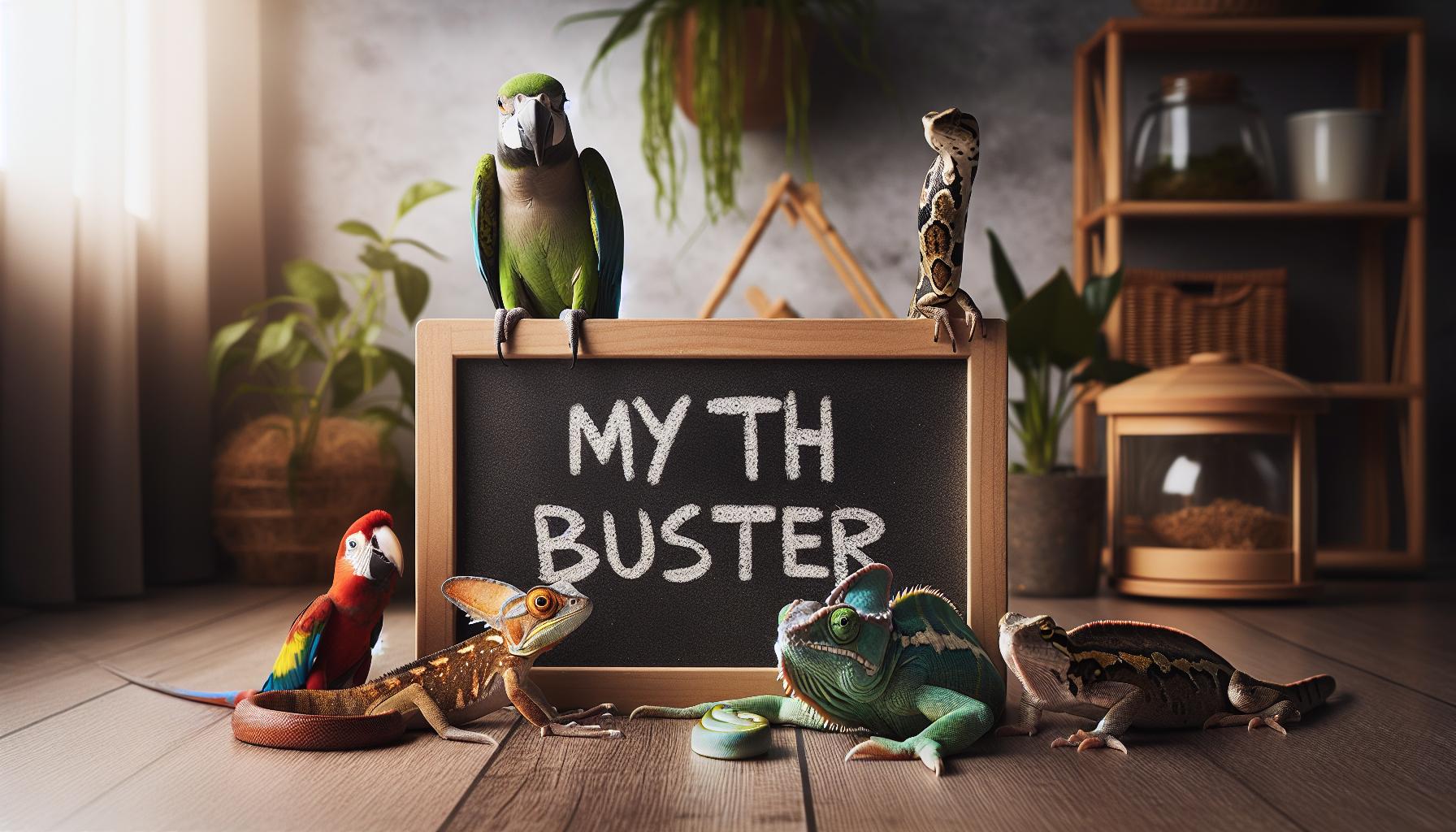
Common Myths About Exotic Pets Exposed
Many people are fascinated by the idea of keeping exotic pets, but alongside this allure comes a swirl of myths that can lead to misunderstandings about the realities of exotic animal ownership. Let’s unravel some of these common misconceptions to help potential owners make informed decisions.
One of the most prevalent myths is that all exotic pets are low-maintenance and easily cared for. In reality, exotic animals often have very specific care requirements, including specialized diets, unique environmental needs, and social interactions. For example, reptiles like iguanas require heat lamps and humidity controls, while tropical birds need ample space to fly and complex socialization to thrive. Owning an exotic pet is a significant commitment that can require more time, money, and effort than traditional pets.
Another widespread belief is that exotic pets are just as affectionate and trainable as dogs or cats. While some species, like parrots, can form emotional bonds with their owners, many exotic animals are inherently more solitary or have instinctual behaviors that don’t translate to domesticated interactions. For instance, while sugar gliders might be cute, they can also be nippy and require careful handling to avoid stress. Understanding their natural instincts is key to creating a harmonious relationship and ensuring their well-being.
Moreover, many assume that because exotic pets are less common, they automatically make better companions than traditional pets. This myth can lead to impulsive decisions, resulting in overwhelmed owners who are ill-equipped to meet the needs of their pets. Each exotic species has its own set of challenges and environmental needs that must be researched and respected. For instance, owning a ferret might seem appealing, but they require a lot of interaction and can be mischievous, often escaping their enclosures if not carefully secured.
Lastly, there’s a notion that all exotic pets are legal and easy to acquire. However, laws can be incredibly strict and vary significantly by location. For instance, some areas ban the ownership of certain species altogether to protect local ecosystems or public safety. Failing to understand these legal implications can lead pet owners to unintentional repercussions, including fines or confiscation of their pets. Therefore, researching local regulations is crucial before considering an exotic pet.
By debunking these myths, potential exotic pet owners can better understand the responsibilities and requirements of caring for non-traditional pets. Engaging with reputable sources, veterinarians specializing in exotic species, and communities of experienced owners can provide invaluable insight as you explore the wonderful world of exotic animals.
How to Choose the Right Exotic Pet for You
Choosing the right exotic pet can feel like embarking on an exciting adventure, but it requires careful thought and research. Just like humans, animals have unique personalities, habitats, and care needs. Whether you’re drawn to the playful antics of a sugar glider or the mesmerizing beauty of a snake, understanding what each species requires is key to creating a happy and healthy environment for both you and your new companion.
Start by examining your own lifestyle and environment. Do you have the time to commit to daily interactions, or would you prefer a pet that requires more independent care? For example, leopard geckos are relatively low-maintenance and can thrive in a tranquil setup, needing only regular feedings and habitat maintenance. In contrast, social animals like parrots demand significant attention and mental stimulation, requiring social interactions, toys, and even time outside of their cages for play and exercise. Make a list of your priorities and limitations to guide your choice.
Next, consider the specific needs of the exotic pet you’re interested in. Each species has its own dietary requirements, habitat setups, and social needs. Research the animal’s natural habitat and replicate it as closely as possible in your home. For reptiles, ensure their enclosure has the appropriate heat, humidity, and space to mimic their native environment. Tropical birds, on the other hand, require large cages with space to fly and interact with their surroundings. Knowledge about the animal’s behavior and needs can significantly influence your success as an owner, helping prevent stress-related issues that can arise from an inadequate environment.
Lastly, don’t underestimate the importance of legality and ethical considerations. Some exotic pets may be restricted or illegal to own in certain areas due to their invasive nature or risk to public safety. Check local regulations and consider adopting from reputable breeders or rescue organizations that prioritize animal welfare. Many exotic animals end up in shelters due to misinformed ownership, and choosing adoption not only gives a deserving animal a second chance but also fosters a more responsible pet ownership culture.
Ultimately, selecting an exotic pet is about finding the right fit for both you and the animal. Embrace the journey of learning about various species, and you’ll be well-prepared to welcome a new friend into your home. Remember, this is more than a decision based on aesthetics or trend; it’s about nurturing a living being that relies on you for its well-being.
Caring for Exotic Animals: Unique Needs and Requirements
Caring for exotic animals is a rewarding yet demanding endeavor, requiring a deep understanding of their unique needs and environments. Many people are shocked to learn that keeping an exotic pet is not simply about providing food and shelter; it involves replicating complex ecosystems within your home. For instance, reptiles, such as ball pythons, demand carefully controlled temperatures and humidity levels, along with a diet of appropriately sized prey to thrive. This mimicry of their natural habitats helps prevent health issues and promotes overall well-being.
When considering an exotic pet, it’s essential to delve into species-specific care requirements. Let’s take the sugar glider as an example: these marsupials are naturally social creatures and require companionship, either from their own kind or significant interaction from their human caregivers. They also thrive on a varied diet that includes fruits, vegetables, and specialized pellets, underscoring the importance of balanced nutrition. Meanwhile, aquatic pets like freshwater turtles need specific water filtration systems and basking areas, highlighting that each species presents its own unique challenges.
Essential Care Tips
To ensure a healthy and fulfilling life for your exotic pet, here are some essential care tips:
- Research Before You Adopt: Understand the specific requirements of your chosen species, including habitat, diet, and social needs.
- Provide Proper Enclosures: Set up enclosures that simulate the animal’s natural environment, incorporating the right bedding, temperature, and enrichment items.
- Regular Health Check-ups: Schedule vet visits experienced with exotic species to monitor health and provide vaccinations when necessary.
- Commit to Interaction: Dedicate time daily for interaction and play, particularly for social species, to prevent behavioral issues stemming from loneliness.
Ultimately, successful exotic animal care hinges on dedication, research, and respect for the individual needs of each species. Savvy pet owners become not just caretakers but advocates for their animals, creating a home where their exotic companions can thrive. Remember, while the allure of owning an exotic pet can be significant, the responsibility that comes with it is paramount. Taking the time to understand and fulfill these needs not only enhances your experience but also ensures that your exotic pet leads a long, healthy, and happy life in your care.
The Environmental Impact of Keeping Exotic Pets
The decision to keep exotic pets carries significant environmental implications that are often overlooked. Each year, more than 10 million exotic animals are brought into the United States alone, adding to the pressures faced by wild populations and ecosystems. The pet trade can lead to the decline of species in their natural habitats, as animals are captured and sold, disrupting local biodiversity. For instance, the demand for certain reptiles has led to overharvesting in areas where these species reside. This not only threatens the survival of these species but also impacts the broader ecosystem they inhabit.
Moreover, keeping exotic pets can unintentionally introduce non-native species into local environments. When exotic animals escape or are released by their owners, they can become invasive species, competing with native wildlife for food and habitat. This ecological disruption can have lasting effects, altering food chains and diminishing biodiversity. A classic example is the Burmese python in Florida, which was initially brought as a pet but has since established breeding populations in the wild, threatening local bird and mammal species.
It’s essential for potential exotic pet owners to weigh these environmental consequences before making a decision. Educating oneself about the native habitats of these animals and their role in the ecosystem is a fundamental step. Supporting conservation efforts and responsible breeding practices can also help mitigate the negative impact of exotic pet ownership. There are numerous online platforms and communities focused on ethical ownership that provide guidance on this issue.
In summary, while owning an exotic pet can be a rewarding experience, it comes with significant responsibilities, including a commitment to the environment. Understanding and respecting the delicate balance of nature plays a crucial role in ensuring that the beauty of exotic animals is preserved for future generations. Thoughtful and educated pet ownership is not only beneficial for the individual animal but also vital for the health of our planet.
Alternatives to Exotic Pets: Rescuing and Adoption
Many animal lovers find joy in sharing their lives with pets, but when it comes to exotic species, the decision can be complex. Instead of opting for exotic animals, consider the compassionate option of rescuing or adopting. Shelters and rescue organizations are overflowing with animals in need of loving homes, including a variety of unique and less common pets looking for second chances.
Why Rescue or Adopt?
Rescuing or adopting an animal can be incredibly rewarding. These animals often come with a backstory of hardship, and they need nurturing owners who can provide a stable and loving environment. By adopting, you’re not only offering a home but also helping reduce the number of animals in shelters-a choice that positively impacts communities and the lives of countless creatures. For those seeking companionship and uniqueness without the ethical concerns tied to exotic trading, adopting from a rescue can offer a fulfilling alternative.
Here are a few options to consider when looking to adopt or rescue:
- Local Animal Shelters: Many shelters house a range of domesticated animals, including breeds that might be less commonly seen. You might find a beautiful, exotic-looking cat or a rare breed of dog that fits your lifestyle.
- Reptile Rescues: If reptiles are of interest, there are dedicated rescues for reptiles, amphibians, and other exotic companions. These organizations often save animals from neglectful situations and provide them with proper care until they find new homes.
- Specialty Pet Rescues: There are rescues focused on exotic birds, small mammals, and even unique fish breeds. Each of these rescues aims to educate potential owners about proper care and the specific needs of these animals.
Considerations for Adoption
Before deciding to adopt, it’s crucial to evaluate your environment and commitment. Exotic pets often require specialized care, diets, and habitats. For instance, a macaw may need ample social interaction and a significant amount of space; similarly, a tortoise requires specific humidity levels and diet. Always do thorough research to ensure you can meet the needs of your chosen pet.
Adopting vs. Buying: Key Differences:
| Aspect | Adopting | Buying |
|——————–|———————————|———————————|
| Cost | Generally lower, often includes initial vaccinations | Can be expensive, plus initial vet visits |
| Background Check | Most shelters conduct thorough checks on adopters | Little to no evaluation of buyer’s history |
| Support | Many shelters provide post-adoption support | Limited after-sale support |
| Ethical Considerations | Helps reduce population in shelters | Often supports breeding facilities |
Your decision to adopt versus purchase can make a significant difference in the life of an animal and create a more ethical approach to animal companionship. By considering adopting rescued pets, you not only fulfill your desire for a unique pet but also contribute to ending the cycle of neglect and overpopulation. Embrace the joy of adopting: you might just find a perfect match that fills your life with love, wonder, and responsibility, all while promoting a culture of care and respect for all animals.
The Role of Education in Responsible Exotic Ownership
Owning an exotic pet can be an exhilarating experience, but it comes with significant responsibilities. Education is the cornerstone of responsible exotic animal ownership. Understanding the specific needs, behaviors, and requirements of these animals is essential for ensuring their well-being and your success as a pet owner. For instance, did you know that some reptiles, like bearded dragons, require UVB lighting to thrive, mirroring their natural sunlight exposure? Without this knowledge, health issues can arise quickly.
To effectively prepare for an exotic pet, prospective owners should engage in thorough research. This includes reading about the animal’s natural habitat, dietary preferences, and social behaviors. Connecting with experienced exotic pet owners or joining online forums can provide valuable insights and insider tips that books may not cover. Furthermore, species-specific care guides often highlight nuances that can help avoid common pitfalls, such as improper housing or inadequate diet.
Practical Steps for Education
Here are some practical steps to ensure you are well-prepared before bringing an exotic pet home:
- Consult Experts: Talk to veterinarians specializing in exotic animals. Their expertise can guide you on care routines and health check-ups.
- Attend Workshops: Many community organizations or pet stores offer workshops on exotic animal care. Participating can help you learn hands-on techniques.
- Read Books and Articles: There are countless resources available-leveraging both online and offline material to broaden your understanding.
- Join Clubs: Engaging with local exotic pet clubs allows you to meet other owners, share experiences, and gain practical tips.
Education also plays a vital role in conservation. Many exotic species faced with habitat destruction and poaching may be better understood through responsible ownership and proper care. Supporting conservation efforts not only helps educate owners but also contributes to the preservation of species in the wild. By promoting a culture that prioritizes learning and responsible pet ownership, we can collectively foster an environment where both exotic pets and their human companions can thrive harmoniously.
Ultimately, an informed owner is a responsible owner. The journey of caring for an exotic pet should be approached with curiosity and respect, ensuring that both the animal and owner can live fulfilling lives together.
Perspectives from Exotic Animal Enthusiasts and Experts
The world of exotic pets is a vibrant tapestry woven with diverse opinions and experiences from enthusiasts and experts alike. Some individuals see exotic animals as unique companions that offer fascinating insights into wildlife behavior, while others raise valid concerns about their welfare and the complexities of ownership. This dichotomy forms the crux of the debate around whether these animals should be kept as pets.
Many exotic pet owners advocate for responsible ownership practices, emphasizing the joy and enrichment these animals can bring into homes. For instance, species like hedgehogs and sugar gliders can form strong bonds with their human caregivers, showcasing playful and affectionate behavior. Enthusiasts often highlight that, with the right care, these animals can thrive in a domestic setting and provide companionship that is both rewarding and educational. A conversation with a reputable breeder or a visit to an exotic pet expo can illuminate the passionate dedication many owners have towards ensuring a good life for their pets.
However, experts often counter these assertions by stressing the need for meticulous care and understanding of a species’ natural habitat and behaviors. They argue that many exotic animals have complex needs that are difficult to meet in a typical household environment. For instance, reptiles require specific temperature gradients and humidity levels to survive, while primates may suffer from loneliness without proper social structures. Experts encourage potential owners to think critically about whether they can replicate these environments authentically. This perspective fosters a deeper discussion about animal welfare, as it calls for both emotional and practical readiness before bringing an exotic pet home.
In navigating this debate, it’s essential to promote education and awareness. Joining forums or social media groups focused on exotic pet care can provide insights and shared experiences that enhance understanding. These platforms serve as valuable resources where both newcomers and seasoned owners can learn from one another, discuss successes and challenges, and build a community rooted in responsible care.
As you consider bringing an exotic pet into your life, keep in mind not only the excitement they can bring but also the ethical implications tied to their care. Every perspective holds merit and speaks to the diverse relationships people forge with animals. Ultimately, being informed and prepared is paramount, whether you are a curious newbie or a passionate veteran in the exotic pet community.
Faq
Q: Are exotic animals safe to keep as pets?
A: Exotic animals can pose safety risks due to their unpredictable behavior and specific care needs. While some owners manage well, it’s crucial to consider that species like snakes or big cats may not be suitable for average households. Always research individual species extensively before considering ownership.
Q: What are the legal requirements for owning exotic pets?
A: Legal requirements for owning exotic pets vary by location and may include special permits or licenses. Always check your local laws to ensure compliance, and familiarize yourself with the regulations regarding the care and housing of exotic animals.
Q: How do exotic pets differ from traditional pets in terms of care?
A: Exotic pets often have unique care requirements that differ significantly from traditional pets like cats and dogs. They may need specialized diets, specific habitats, and unique social interactions. It is vital to understand these needs to provide a suitable living environment.
Q: What health risks do exotic pets pose to humans?
A: Exotic pets can carry zoonotic diseases that are transmissible to humans. Diseases like salmonella or ringworm can pose serious health risks. It’s essential to practice proper hygiene and regular veterinary care to minimize these risks.
Q: Can owning exotic pets impact local wildlife?
A: Yes, ownership of exotic pets can impact local wildlife through potential escapees, which may become invasive species and disrupt local ecosystems. Responsible ownership includes ensuring all exotic animals are contained and not released into the wild.
Q: What are the emotional benefits of keeping exotic animals?
A: Many owners report significant emotional benefits from having exotic pets, including companionship and reduced stress. However, the relationship with exotic animals can be complex and varies greatly depending on the species’ needs and temperament.
Q: How can I determine if an exotic animal is suitable for me?
A: Evaluate your lifestyle, experience, and resources before choosing an exotic pet. Consider factors such as the animal’s lifespan, care requirements, and your ability to accommodate these needs. Research different species to find a compatible match.
Q: What are common misconceptions about exotic pets?
A: Common misconceptions include the belief that exotic pets are low-maintenance. In reality, they often require more specialized care than traditional pets. Understanding the true requirements of exotic animals is crucial before deciding to adopt one.
Future Outlook
As we’ve explored the engaging debate on whether exotic animals should be kept as pets, it’s clear that both sides offer compelling points. The allure of unique companions is matched by the responsibility they demand. If you’re considering welcoming an exotic pet into your home, make sure to dive deeper into their specific care needs and behavioral traits. Responsible ownership is crucial!
For more insights, check out our articles on “The Best Exotic Pets You Can Own” and the pros and cons of specific exotic animals. These resources will help you weigh your options thoroughly. Don’t forget to subscribe to our newsletter for the latest tips and stories about exotic wildlife, and share your thoughts in the comments below! Your voice matters in this ongoing conversation about wildlife conservation and responsible pet ownership. Together, let’s make informed choices that respect both animal needs and the environment!
Get our latest guides, news, and insights highlighted in your Google Search & AI Overviews.