
Did you know that keeping exotic animals as pets can create challenges that go far beyond the daily care routines? While it might seem thrilling to have a unique companion like a python, a tarantula, or even a capybara, the reality is often filled with unforeseen issues concerning their well-being and our communities. Understanding why keeping these fascinating creatures at home can be problematic is essential for any potential pet owner. Many exotic animals have specialized needs that mimic their wild habitats, and failing to meet these demands can lead to health problems for the pets and stress for their owners. Moreover, the ecological and ethical implications of domestication can strain local ecosystems and encourage illegal wildlife trade. By exploring the hard facts behind exotic pet ownership, we can foster a deeper appreciation for wildlife in its natural habitat and support conservation efforts. Join us as we delve into the intrinsic challenges of keeping exotic animals and unveil why it might be best for both the creatures and ourselves if we admire them from afar.
Understanding the Risks of Exotic Pet Ownership
Keeping exotic animals can seem like a thrilling adventure, but the reality is often filled with challenges and risks that are easily overlooked. Did you know that many exotic pets can carry diseases that are transmissible to humans? For instance, reptiles can harbor salmonella, which can lead to serious health issues for their owners, particularly for children and immunocompromised individuals. Furthermore, the natural behaviors of wild animals do not always translate well to a home environment. Unlike dogs and cats, who have been domesticated over thousands of years, most exotic pets are not bred for life alongside humans, which can lead to stress and behavioral issues for both the animal and the owner.
Another critical aspect to consider is the substantial financial commitment required for the care of exotic pets. On top of the initial purchase price, which can be exorbitantly high for some species, there are ongoing costs for proper habitat, food, veterinary care, and specialized equipment. For instance, a large exotic snake may need a custom-built enclosure that can cost hundreds to thousands of dollars, not to mention the recurring expenses to ensure its nutritional needs are met. These costs often accumulate at a rate that surprises many new owners, leading to a situation where the animal’s needs can become overwhelming.
The legality of owning exotic animals also deserves attention. Depending on where you live, owning certain species may be restricted or outright illegal, often requiring special permits. Violating these laws can lead to severe penalties, including confiscation of the animal and fines. Additionally, improper care or the release of these animals into the wild can disrupt local ecosystems, potentially introducing disease or competing with native species for resources.
In light of these factors, it becomes clear that while the idea of having an exotic pet might sound appealing, the practical realities are often far more complicated. Engaging with wild animals is a leap into a world that requires a deep commitment to not just the animal’s well-being, but also a respect for the ecosystems and communities they belong to.
The Legal Landscape of Exotic Animal Ownership

The regulations surrounding exotic pet ownership can be as varied and complex as the animals themselves. In many places, laws are tightening as concerns over animal welfare, public safety, and ecological impacts become more pronounced. For each species, there may be different requirements: some might need a straightforward license, while others could be outright banned within certain jurisdictions. Understanding these laws is crucial for anyone considering welcoming an exotic animal into their home.
Here are a few key points to consider:
- Permits and Licenses: Many states require permits to own exotic animals, especially larger species such as snakes and big cats. These permits often involve inspections of your living conditions and a demonstration of your ability to care for the animal properly.
- Legal Restrictions: Specific animals may be illegal to possess altogether. For example, some native species are protected, and owning them might incur heavy fines. Checking your local and state laws before acquiring an animal is essential.
- Insurance Concerns: Some homeowners’ insurance policies may not cover damages or injuries caused by exotic pets. It’s wise to consult with your insurance provider to understand your coverage and any liabilities.
- Wildlife Rehabilitation and Sanctuaries: In the event an exotic pet owner can no longer care for their animal, it is often illegal to release it into the wild. Many wildlife rehabilitation centers and sanctuaries can provide assistance or a safe haven.
In addition to the legal implications, public sentiment regarding exotic pet ownership is shifting. Many communities are becoming more aware of the potential dangers associated with having wild animals in residential areas-both for the animals and the inhabitants. Local government policies are increasingly reflecting these concerns, leading to stricter enforcement and new regulations.
For instance, the introduction of legislation banning specific species can occur frequently, often driven by high-profile incidents involving exotic animals. Events where someone is injured or where an animal escapes can catalyze these changes, affecting current pet owners and potential adopters alike.
Educating yourself about these laws not only safeguards your desires to own an exotic pet but also promotes responsible ownership and conservation efforts. With knowledge, you can contribute positively to the dialogue around exotic animals, ensuring that both their needs and the safety of your community are respected. Always strive to stay informed about changes and updates regarding exotic animal ownership to remain compliant and responsible.
Recognizing Animal Welfare Concerns
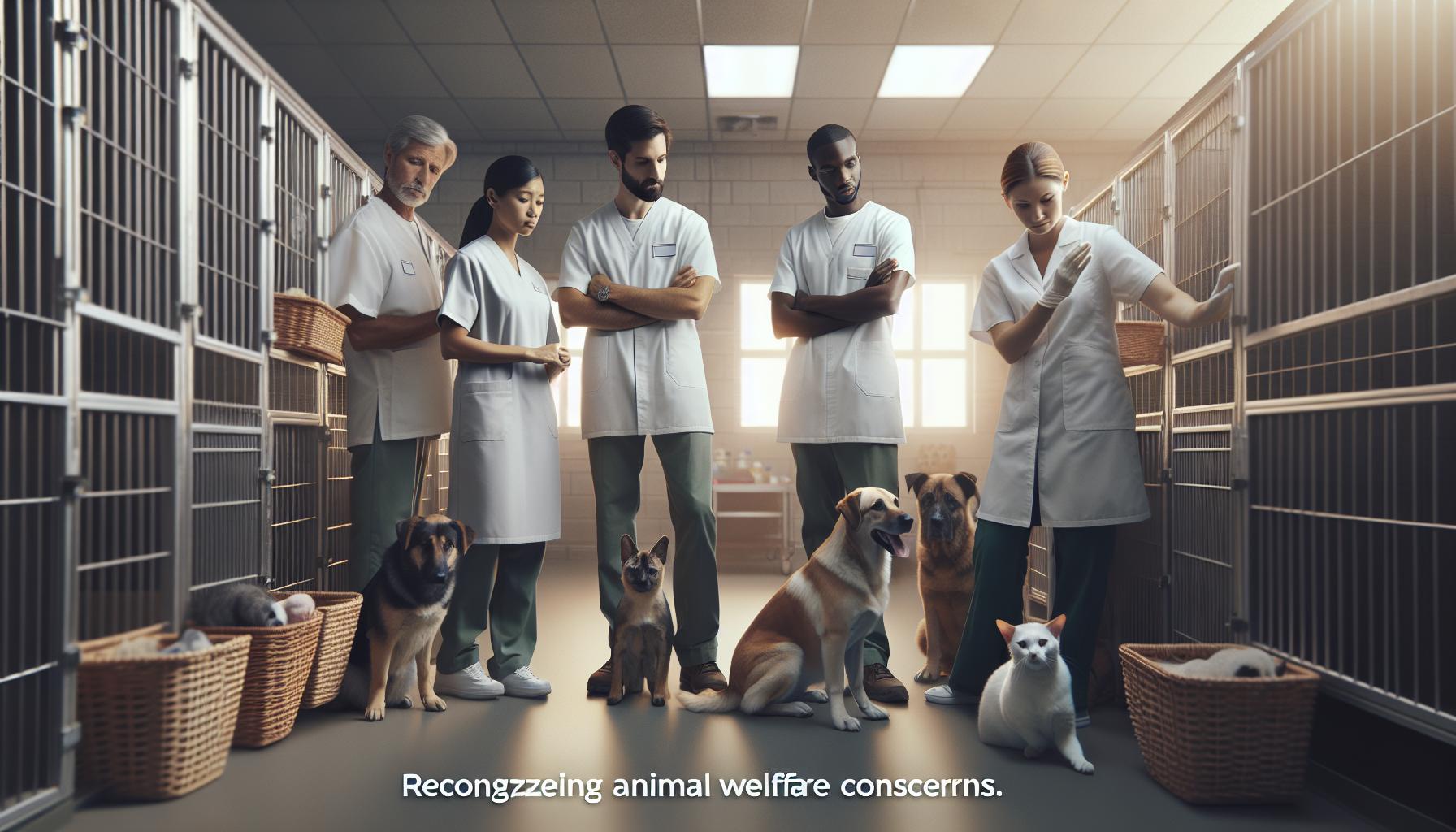
The complexities of animal welfare often intersect sharply with the realities of keeping exotic pets. Did you know that many exotic animals, like primates and reptiles, exhibit behaviors that are radically different from domesticated pets? These animals have evolved in the wild, where they thrive in specific environments that cater to their natural instincts and social needs. When taken out of these contexts, their well-being can be severely compromised, leading to physical and psychological stress.
Exotic pets often struggle with captivity. For instance, parrots, known for their intelligence, can develop behavioral issues such as feather plucking due to boredom or lack of stimulation in a confined space. Similarly, large reptiles like iguanas require vast territories and specific environmental conditions, which most home settings cannot replicate. The physical conditions often enforced by pet owners-wrong diets, inadequate enclosures, and lack of social interaction-can lead to serious health issues over time. These behaviors and health risks not only affect the animals’ quality of life but also pose challenges for owners who may not be fully equipped to manage these complex needs.
means understanding the responsibility that comes with owning an exotic pet. Owners may often be enamored by the allure of these unique animals without fully grasping their intricate care requirements. The consequences can be dire, leading to neglect or abandonment when the realities of caring for such pets become overwhelming. Moreover, stores and breeders sometimes perpetuate the myth that these animals are easy to care for, lulling potential owners into a false sense of security.
In our efforts to respect and protect these magnificent creatures, we can advocate for more stringent regulations regarding exotic pet ownership. Supporting wildlife sanctuaries and rehabilitation programs is one proactive approach that offers animals a chance at a fulfilling life while educating the public about the realities of exotic pet care. By promoting responsible ownership and increased awareness, we can ensure that both animals and humans coexist harmoniously.
Impact on Local Ecosystems and Species
Keeping exotic animals as pets not only raises significant welfare concerns for the animals themselves but also poses substantial risks to local ecosystems and species. When non-native species are introduced into new environments, they can disrupt the balance of local wildlife. For instance, pet reptiles and amphibians may escape or be released into the wild, where their predatory behaviors can decimate native populations. The Burmese python in Florida is a notable example, where it’s become an invasive species, threatening key mammals and birds in the Everglades.
Moreover, the introduction of exotic pets can lead to the spread of diseases that local wildlife has no immunity against. A prime case is the pet trade of African clawed frogs, which were implicated in the global decline of amphibian populations due to the spread of the chytrid fungus. This harmful pathogen has devastated numerous species, highlighting the need for stringent controls on the import and ownership of exotic animals.
The ecological impact doesn’t end with just wildlife. Exotic pets can also alter the physical environment through their feeding habits and territorial behaviors. For example, non-native fish can outcompete local species for resources, leading to a decline in fish populations that local ecosystems depend on. Such disruptions can ripple throughout the food chain, affecting everything from aquatic plants to larger predators.
To mitigate these risks, it’s crucial for potential pet owners to understand the broader implications of exotic pet ownership. Prioritizing responsible ownership involves not only considering one’s personal desire for an exotic pet but also recognizing the responsibility of protecting local wildlife and habitats. By supporting wildlife rehabilitation and conservation programs, individuals can help ensure that ecosystems remain balanced and healthy while appreciating animal diversity responsibly.
The Hidden Costs of Keeping Exotic Pets
Keeping an exotic pet may seem like a thrilling choice, bursting with the allure of having a unique companion, but the hidden costs can quickly overshadow this initial excitement. Before making such a decision, it’s crucial to understand the financial and emotional implications that come with these special animals.
Exotic pets often have complex needs that require substantial investment in proper habitat setup, food, and medical care. For instance, reptiles like iguanas and snakes may need specialized enclosures equipped with heating and lighting systems to mimic their natural environments. These setups can cost hundreds to thousands of dollars. Additionally, the dietary requirements for many exotic animals can be significantly more expensive than typical pet food. A well-fed snake, for example, might need a diet of live rodents, which can lead to fluctuating costs depending on availability.
Medical care is another major consideration. Exotic pets often require veterinarian visits from specialists who understand their unique needs. This can translate into higher consultation fees and treatment costs compared to regular pet care. Unlike cats and dogs, many exotic species are not covered by standard pet insurance policies, leaving owners to bear the full brunt of unexpected health issues. Owners should also factor in the costs associated with potential legal fees or penalties. Some localities have strict regulations or outright prohibitions on certain exotic species, and failing to comply can lead to fines or confiscation of the pet.
Long-Term Commitment
Beyond the financial aspects, owning an exotic pet means a long-term commitment, often spanning decades. For instance, macaws can live for 50 years or more, requiring consistent care, attention, and social interaction. Many exotic animals are not domesticated in the way traditional pets are, leading to behavioral issues if their needs are not met, resulting in a complicated relationship between owner and pet.
In sum, while the idea of owning an exotic animal can spark fascination and enthusiasm, the hidden costs-both financial and emotional-require serious consideration. Potential owners must weigh their desire for a unique companion against these extensive responsibilities to ensure they make an informed, compassionate decision for themselves and the animals they choose to bring into their homes.
Choosing the Right Pets for Your Lifestyle
Choosing the right companion animal can be both exciting and daunting, especially when considering exotic pets. While a colorful parrot or a serene reptile might capture your imagination, it’s essential to match these unique animals to your lifestyle. An exotic pet is not just an accessory; it requires thoughtful consideration of its complex needs, care requirements, and potential impacts on your daily life.
Before making a decision, assess your availability and commitment levels. For instance, a ferret, known for its playful personality, may require more interaction and socialization than you can provide if you have a busy schedule. On the other hand, snakes such as ball pythons can thrive with less frequent handling and are often content in their enclosures for longer periods. This distinction is crucial: if you lead a dynamic lifestyle with frequent travel or long work hours, an animal that demands regular interaction may lead to stress for both you and the pet.
Additionally, consider your living environment. Many exotic pets, like iguanas or large tarantulas, have specific habitat requirements that can be challenging to meet in a standard apartment or home. A proper enclosure, temperature control, and humidity levels are vital for reptiles, and neglecting these needs can lead to serious health issues. If space or resources are limited, it might be wiser to explore options that require less extravagant habitat setups or care, such as small mammals like hamsters or birds like canaries.
Finances are another critical factor. Exotic pets can be a financial commitment, often requiring specialized care and feeding, as mentioned earlier. Start by researching the typical costs associated with the species you’re considering, from veterinary care to food and habitat. For instance, while owning an exotic bird may seem affordable, the recurring costs of high-quality seed, toys, and veterinary check-ups can be substantial.
Ultimately, the journey to choosing the right pet is about embracing responsibility and ensuring a healthy, happy environment for your new companion. A well-informed decision not only leads to a fulfilling relationship with your pet but also promotes a more humane approach to animal ownership, respecting their needs and well-being above all.
Alternatives to Exotic Pets for Animal Lovers
Choosing a pet can be a delightful adventure, but if you’re considering exotic animals, it’s essential to think about alternatives that might be a better fit for both your lifestyle and the well-being of the animal. While an exotic pet like a parrot or a sugar glider may sound intriguing, their complex needs and societal impacts can often outweigh the benefits. Luckily, there are many engaging and fulfilling options that offer companionship without the elaborate requirements typical of exotic pets.
Try Small Mammals for Low Maintenance
If you’re drawn to the idea of having a unique pet, small mammals such as hamsters, guinea pigs, or rabbits can provide joy and companionship while typically requiring less specialized care. For instance, guinea pigs are social animals that thrive in pairs, are fairly easy to care for, and enjoy interacting with their owners. They come in various breeds with striking appearances and are known for their friendly personalities, making them great pets for families and individuals alike.
Explore Bird Fancier Options
Birds can make lively companions without some of the challenges of keeping larger, exotic species. Consider adopting species like budgerigars (budgies) or canaries. Budgies are cheerful, intelligent, and come in an array of colors. They require less space than many exotic birds and can often entertain themselves, making them suitable for those who may not have the time for daily handling. Canaries, on the other hand, are known for their beautiful songs and require less interaction, which might align perfectly with a busier lifestyle.
Aquatic Life: The Beauty of Fish
Aquariums can be both a hobby and a stunning focal point for your home. Tropical fish, such as neon tetras or bettas, can be captivating to observe. Maintaining a fish tank allows you to learn about aquatic ecosystems while enjoying a vibrant display of colors and movement. Plus, fish generally require less direct interaction than traditional pets, making them a fantastic choice for those seeking a more tranquil pet experience.
Foster a Strong Connection with Rescue Animals
If you’re considering the pet ownership commitment, think about adopting rescue animals from local shelters or organizations. Dogs and cats, particularly those that may not fit the “exotic” mold, can provide immense joy and companionship while also helping reduce the number of animals in need of homes. Many shelters even have special adoption events focusing on unique breeds, so you can have the best of both worlds-a loving pet while supporting animal welfare.
Overall, while the allure of exotic pets is understandable, exploring these alternatives not only ensures a more manageable pet experience but also promotes responsible and ethical animal care. Your choice can reflect not just your love for animals but also your commitment to their well-being and the betterment of the community around you.
How to Support Wildlife Conservation Efforts
Supporting wildlife conservation is not just a noble cause; it’s essential for maintaining the health of our planet and preserving the incredible biodiversity that enriches our lives. When you choose to support wildlife conservation efforts, you’re taking steps to protect ecosystems and the species that inhabit them. One effective way to contribute is by championing organizations that focus on habitat preservation, rehabilitation, and education. For example, organizations like the World Wildlife Fund and the Wildlife Conservation Society work tirelessly to protect endangered species and their habitats. You can help by donating or volunteering your time to assist them in their missions.
In addition to direct support, consider adopting a more sustainable lifestyle. This includes making conscientious choices such as reducing plastic use, adopting a plant-based diet, or sourcing products that are environmentally friendly. Every small decision can lead to significant impacts. For instance, choosing to avoid products made from threatened species or unsustainable materials not only helps reduce demand but also signals to companies the importance of sustainable practices.
Another avenue is to educate yourself and others about wildlife conservation. Sharing information about endangered species and the complexities of their ecosystems can raise awareness and inspire action within your community. Whether it’s hosting a local education event, writing a blog, or using social media platforms to spread the word, raising awareness dramatically influences conservation efforts.
Finally, supporting legislation that aims to protect wildlife and their habitats is vital. Engage with local and national organizations that advocate for stronger environmental regulations. Participate in conservation initiatives, ensure your voice resonates with policymakers, or even join local clean-up events and habitat restoration projects. As community engagement grows, so does the collective impact on wildlife conservation efforts, creating a healthier environment for all species, including humans. By nurturing your connection to nature and advocating for wildlife, you actively contribute to a sustainable future where the beauty of our natural world can thrive for generations to come.
Real-Life Stories of Exotic Pet Issues
Many animal lovers dream of having a unique pet, but the reality of exotic pet ownership can lead to troubling situations. One widely publicized case involved a family that acquired a baby monkey as a pet. At first, the monkey, named Coco, brought joy and laughter into their home. However, as Coco grew, so did the challenges. Monkeys are highly social creatures that require significant interaction and mental stimulation, which the family struggled to provide. Coco began displaying aggressive behaviors due to frustration and isolation, leading to serious injuries when he bit a family member during an altercation. This heartbreaking story illustrates how well-intentioned ownership can spiral out of control when the specific needs of exotic pets are not met.
Another stark example is the story of a young couple who decided to keep a ball python as a pet. They were initially attracted to the idea of having a snake because of their relatively simple care requirements. However, as the snake grew, they quickly realized that they had underestimated the complexity of its habitat needs. The couple did not have the space or knowledge to create a proper enclosure, leading to health issues for the snake. Eventually, they had to surrender the python to a wildlife rescue, which was already overwhelmed with similar cases, highlighting the strain that the exotic pet trade places on rescue organizations.
Furthermore, consider the story of an individual who thought they could care for a parrot without understanding its social and psychological needs. After acquiring a beautiful macaw, the owner found themselves in over their head as the parrot developed behavioral problems stemming from boredom and neglect. The loud screeches of the distressed bird became too much for the household to bear, leading to its eventual rehoming. Parrots are incredibly intelligent and require enrichment and companionship; without these elements, their well-being deteriorates quickly.
These real-life cases serve as important reminders of the ethical and practical considerations of keeping exotic pets. Before making the leap into exotic animal ownership, it is crucial to research specific needs, consider long-term commitments, and recognize the potential challenges. If you’re enchanted by the idea of an exotic pet, consider instead advocating for the protection of wildlife and supporting local shelters that focus on rescuing and rehabilitating these magnificent creatures. Embracing the wonder of wildlife through education and conservation efforts can lead to a more positive outcome for both animals and their human companions.
The Role of Education in Responsible Ownership
Education plays a pivotal role in ensuring that those interested in exotic pet ownership approach it with the right mindset and tools. When considering exotic animals, potential owners must first understand that these creatures have specific needs that are often vastly different from traditional pets. For instance, a ball python might seem like an easy pet due to its lower maintenance requirements, but it requires a carefully controlled habitat, proper diet, and social interaction to thrive. Failing to meet these conditions can lead to health issues for the animal, ultimately resulting in irreversible complications or the need for rehoming.
An effective first step in responsible ownership is comprehensive research. Prospective owners should delve into the behavioral patterns, dietary requirements, and environmental needs of any exotic species they are considering. This knowledge not only prepares owners for the challenges they may face but also fosters a deeper appreciation for the animal’s natural history and its role in the ecosystem. For instance, understanding that parrots are highly social birds can help prospective owners realize the importance of companionship and mental stimulation, which are crucial for their well-being.
Moreover, education doesn’t stop once an exotic pet is acquired; ongoing learning is essential. Joining communities or forums, such as those focused on specific species, can provide valuable insights into best practices for care, training, and enrichment activities. Engaging with experienced owners or professionals through workshops can also enhance knowledge, ensuring that animals receive the highest quality of care. Such continual education not only aids in the pets’ well-being but also contributes to a responsible and compassionate ownership lifestyle.
Lastly, encouraging awareness about the broader implications of exotic pet ownership is equally important. Educating oneself and others about the impact of the exotic pet trade on wildlife conservation helps foster a more responsible approach to animal ownership. By advocating for ethical practices and supporting wildlife organizations, prospective owners can help promote a culture that values animal welfare over novelty. This shift in perspective not only benefits the exotic pets themselves but also contributes to the preservation of their dwindling habitats and populations in the wild.
Faq
Q: Why is it illegal to keep certain exotic animals as pets?
A: It is illegal to keep some exotic animals as pets due to concerns about public safety, animal welfare, and conservation efforts. Laws vary by location but often target species that pose risks or are endangered, supporting broader efforts to protect wildlife and mitigate invasive species issues.
Q: What are the health risks associated with owning exotic pets?
A: Owning exotic pets can pose health risks to humans, including the transmission of zoonotic diseases such as salmonella and herpes simian virus. These pets often carry pathogens not common in domestic animals, highlighting the need for careful management and thorough veterinary care.
Q: How do exotic pets affect local wildlife populations?
A: Exotic pets can threaten local wildlife by disrupting ecosystems if they escape or are released. They may compete with native species for food and habitat, potentially leading to declines in local populations and biodiversity.
Q: Why are exotic animals often improperly cared for in captivity?
A: Exotic animals often receive improper care due to inadequate knowledge about their specific needs. Owners may underestimate dietary, social, and environmental requirements, leading to health issues and welfare concerns for the animals.
Q: What misconceptions do people have about keeping exotic pets?
A: Many misconceptions exist about exotic pets, such as the belief that they can be tamed like dogs or cats. Unlike domestic animals, exotic species often have complex needs and can be more challenging to manage and bond with, leading to potential neglect.
Q: What are the environmental consequences of exotic pet ownership?
A: Exotic pet ownership can lead to significant environmental consequences, such as habitat destruction and the introduction of non-native species. These factors can degrade ecosystems and threaten biodiversity, underscoring the importance of responsible ownership and conservation.
Q: How does the average cost of keeping an exotic pet compare to traditional pets?
A: The cost of keeping exotic pets often exceeds that of traditional pets, factoring in specialized housing, diet, veterinary care, and legal fees. Potential owners should assess whether they can meet these financial demands before acquiring an exotic animal.
Q: What should potential owners consider before getting an exotic pet?
A: Before getting an exotic pet, potential owners must consider their lifestyle, the animal’s needs, and legal requirements. Researching specific care requirements, environmental needs, and potential long-term commitment can help ensure a responsible decision is made.
For more detailed insights into the implications of exotic pet ownership, explore sections on animal welfare concerns and the environmental impact in our main article.
The Conclusion
As we conclude our exploration of why keeping exotic animals as pets can be detrimental, it’s essential to remember that these creatures thrive in environments far removed from our homes. The facts are clear: their unique behavioral, habitat, and care needs often go unmet, leading to stress for the animals and potential dangers for owners. If you’re concerned about wildlife conservation and animal welfare, consider exploring alternatives like adopting a rescue pet or learning about ethical animal experiences.
For more insights, check out our articles on the best pets for families and the myths surrounding exotic pet ownership. Interested in doing more? Join our newsletter for updates and expert tips on responsible pet care. Share your thoughts or experiences in the comments – we love to hear from fellow animal lovers! Together, we can promote a more informed approach to pet ownership that respects both the animals and our communities.
Get our latest guides, news, and insights highlighted in your Google Search & AI Overviews.