
Did you know that owning an exotic animal can be as challenging as it is fascinating? While their vibrant colors and unique behaviors can capture our hearts, the reality of their care often comes with unexpected hurdles. From complex dietary needs to specialized housing requirements, exotic pets demand attention and knowledge that many new owners may not anticipate. Understanding these challenges is crucial for anyone considering taking on the responsibility of caring for an exotic animal. By exploring the difficulties of exotic animal care, you’ll gain insights that not only enhance your appreciation for these remarkable creatures but also ensure you’re prepared for the commitment that lies ahead. Whether you’re an aspiring exotic pet owner or simply curious about the topic, this journey will shine a light on why these animals need dedicated, informed caregivers. Join us as we delve into the captivating but complex world of exotic animal care!
The Importance of Proper Diet for Exotic Animals
Exotic animals often come from very different environments than our own, making it essential to meet their specific dietary needs to ensure their health and well-being. Unlike traditional pets, the nutrition of exotic animals can vary significantly from species to species. For instance, a green iguana thrives on a diet rich in leafy greens, while a ball python requires high-protein meals, primarily consisting of rodents. This diversity in dietary requirements underscores why a one-size-fits-all approach doesn’t work when it comes to feeding these unique creatures.
In addition to species-specific needs, the natural diet of an exotic animal should be considered. Many exotic pets require food that mimics what they would eat in the wild. For example, parrots need a variety of fruits, nuts, and seeds, while some reptiles benefit from insects or even other smaller animals. Failing to provide the proper diet can lead to serious health issues, including malnutrition or obesity, ultimately shortening their lifespan. Therefore, researching and understanding the proper dietary habits of an exotic pet is essential for responsible ownership.
Here are some practical tips to ensure your exotic pet receives the right nutrition:
- Research Thoroughly: Investigate the specific dietary needs of your species. Look for reputable sources or consult a veterinarian experienced with exotic animals.
- Diverse Diet: Aim for a well-rounded diet that includes various food types. This helps prevent nutritional deficiencies and keeps your pet engaged.
- Monitor Changes: Keep an eye on your pet’s eating habits and health. Changes in appetite or behavior could indicate dietary issues.
- Fresh Water: Always provide fresh water, as hydration is crucial for all animals, especially those in captivity.
By prioritizing the right diet, you not only enhance the quality of life for your exotic pet but also foster a deeper bond through shared experiences and care. With proper attention to their nutritional needs, you can help your exotic animal thrive and adapt to life in a domestic setting, all while showcasing the beauty and diversity of wildlife in your home.
Environmental Challenges: Creating the Right Habitat
Creating a suitable habitat for exotic animals often poses significant challenges, as these creatures typically hail from diverse and specialized environments. For example, reptiles such as chameleons thrive in warm, humid conditions that mimic their natural rainforest habitat, while desert-dwelling species like bearded dragons require sandy substrates and dry heat. Understanding and replicating these specific environmental needs is crucial not only for the physical health of the animals but also for their mental well-being.
To start, it’s essential to consider the temperature and humidity levels specific to each species. Many reptiles require a gradient of temperatures, allowing them to thermoregulate by moving between warmer and cooler areas within their habitat. Installing high-quality basking lamps and thermometers can help you maintain optimal conditions. Additionally, most exotic pets will thrive in environments that include hiding spots, climbing structures, and water features that imitate their natural surroundings. Incorporating features like live plants or artificial decorations can provide enrichment, making their space more engaging and stimulating.
Choosing the right enclosure is also paramount. For instance, a large aquarium may be ideal for aquatic species, while reptiles may need a well-ventilated terrarium or a terrarium designed specifically for arboreal species. It’s vital to select enclosures that offer enough space for movement and exercise, as a cramped environment can lead to stress and health issues. Furthermore, ensuring that the enclosure is escape-proof will help prevent unwanted adventures that could lead to harm.
Lastly, regularly monitoring environmental conditions and making adjustments as needed can make a world of difference. Automated climate controls, combined with your keen observation, help keep the habitat stable and prevent fluctuations that could stress the animal. By paying close attention to their habitat needs and consistently providing an environment that mimics their natural one, you enhance not only their quality of life but also your experience as an animal companion. Remember, creating the right habitat is not just about aesthetics; it’s about fostering a thriving environment where exotic animals can exhibit natural behaviors and truly flourish.
Behavioral Issues: Social Needs of Exotic Animals
Many exotic animals are social creatures that thrive on interaction, yet many potential owners underestimate their need for companionship. For instance, ferrets are highly social and need playtime with their owners or other ferrets to prevent boredom and behavioral problems. Birds like parakeets and cockatiels can become depressed and anxious without regular social interaction, leading to feather-plucking or excessive vocalization. Understanding these social needs is essential for fostering a happy and healthy life for your exotic pet.
Building Social Enrichment
To accommodate the social needs of your exotic pets, consider the following practices:
- Companionship: Whenever possible, adopt more than one animal of the same species. For example, guinea pigs are far happier in pairs, as they naturally live in social groups.
- Interactive Play: Engage with your pet through play. Tame rabbits might enjoy supervised time outside their enclosure to hop along with you, while reptiles like leopard geckos might appreciate being handled and explored in safe environments.
- Environmental Enrichment: Provide toys, climbing structures, and challenges that encourage social interaction and mental stimulation. Exotic animals like capuchin monkeys need environmental enrichment to mimic their natural habitats and engage their minds.
By dedicating time to understand and meet the social needs of your exotic animals, you not only enhance their well-being but also enrich your own life through a deeper connection and relationship with these fascinating creatures. Approaching ownership with this knowledge can prevent behavioral issues and foster a harmonious home environment.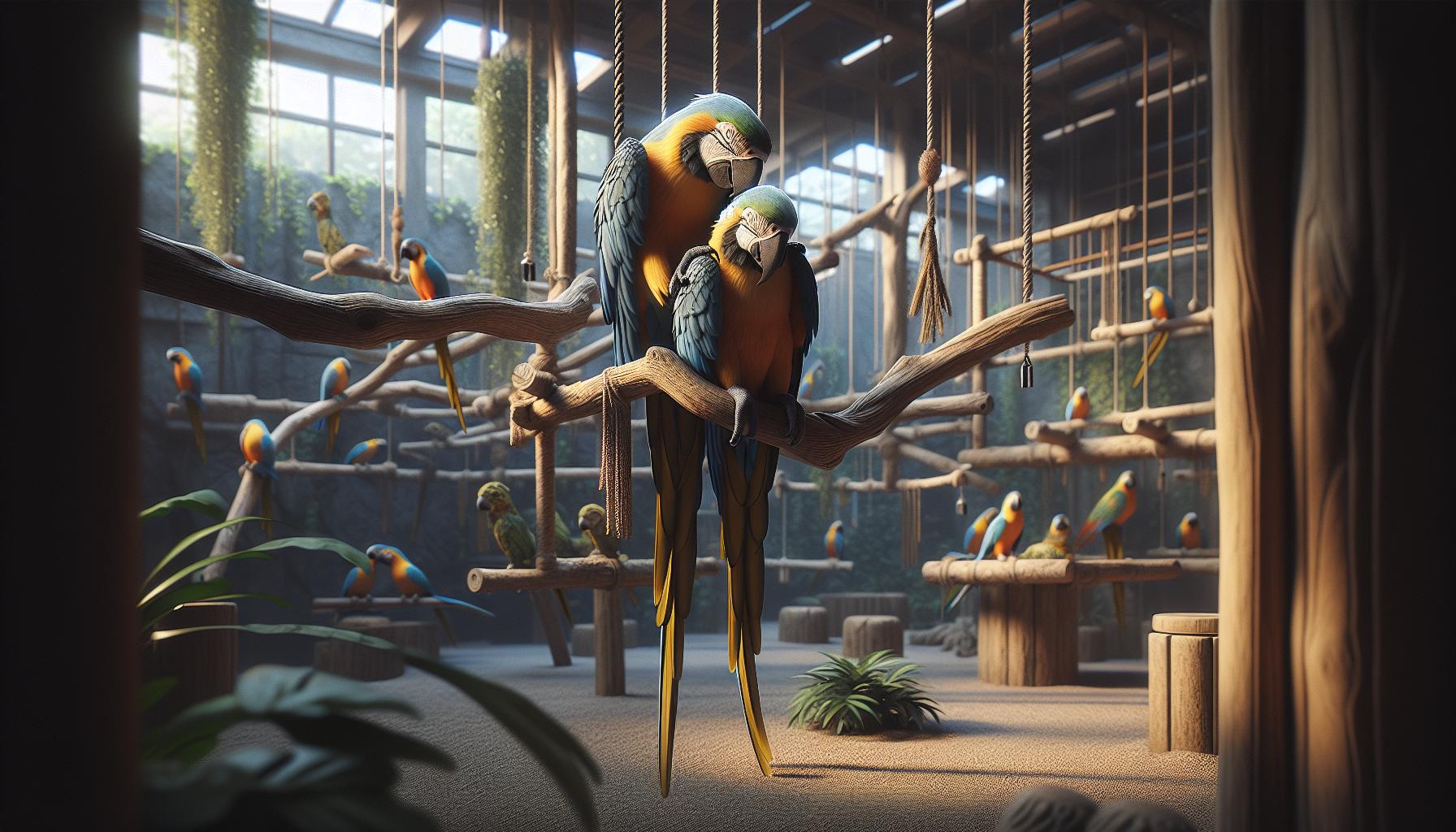
Cost Implications: What to Expect in Expenses
Caring for exotic animals is not just about the initial purchase; it’s a long-term investment that can come with surprising costs. While many people might be drawn to the novelty of owning a unique pet like a sugar glider or a boa constrictor, the financial commitment is often overlooked. It’s crucial to prepare for a variety of expenses that go beyond the initial purchase price.
The ongoing costs of feeding exotic pets can be significantly higher than traditional pets. For instance, reptiles may require specialized diets comprised of live insects, while birds might need high-quality seeds and fresh produce. In the case of more complex diets, like those for primates or larger exotic mammals, the costs can rack up quickly, easily exceeding $100 monthly just for food alone. Additionally, the need for habitat supplies such as cages, enrichment items, and bedding should be factored in. A well-designed enclosure for a larger parrot can cost several hundred dollars, not to mention the potential need for ongoing maintenance or upgrades.
Healthcare is another crucial aspect that can lead to unexpected expenses. Exotic animals often require specialized veterinarians, and appointments can be much more costly than those for typical household pets. Routine check-ups, vaccinations, and potential emergency care can easily add up to hundreds or even thousands of dollars annually. For species that have specific health concerns, such as exotic birds or reptiles prone to metabolic disorders, the financial burden can increase further. Owners should also consider pet insurance for exotic animals, which can aid in managing these costs but may also come with premiums that vary widely based on species and coverage limits.
Ultimately, potential exotic pet owners should conduct thorough research and budgeting to ensure they are fully prepared for the financial responsibility of their choice. The costs associated with purchasing, feeding, housing, and caring for exotic animals can be substantial, but with thorough planning and a commitment to responsible pet ownership, these fascinating creatures can thrive in a well-managed environment. Being informed about the financial implications not only prepares you for potential expenses but also contributes to the long-term health and happiness of your exotic companion.
Legal and Ethical Considerations in Ownership
Owning an exotic pet is not just a matter of charm and novelty; it also entails navigating a maze of legal and ethical considerations. Many prospective pet owners are drawn to unique species for their allure, but it’s essential to understand that these enthralling animals come with responsibilities that reach beyond mere companionship. Federal, state, and local regulations can vary dramatically, ranging from outright bans on certain species to specific licensing requirements. For example, owning a capuchin monkey might be perfectly legal in one state while being strictly prohibited in another. This patchwork of laws emphasizes the importance of thorough research before deciding to bring an exotic animal into your home.
Understanding Regulations
Exotic animal ownership is often governed by legislation aimed at protecting both the animals and the public. Owners must navigate a variety of regulations that may include strict guidelines on species, habitat standards, and veterinary care. In some cases, you may need a special permit, proof of financial capability for care, or even a home inspection to ensure a suitable environment for the animal. Additionally, many areas have laws against the sale of such animals from unlicensed breeders, which can risk contributing to illegal wildlife trafficking. Always consult local wildlife agencies or animal control before acquiring an exotic pet to avoid unexpected legal pitfalls.
Ethical Ownership
Ethical considerations go hand-in-hand with legal parameters. Becoming a responsible exotic pet owner means understanding the natural behaviors and needs of these animals. For example, certain reptiles require specific temperature gradients and humidity levels to thrive, while social species like parrots need regular interaction to prevent loneliness and depression. Ignoring these requirements due to a lack of knowledge can lead to distress for the animal and possibly result in neglect. It’s vital to consider whether you can meet these needs consistently throughout the animal’s life, as many exotic pets can live for decades.
Moreover, the ethical dilemmas surrounding breeding practices and conservation should weigh heavily on a potential owner’s mind. Captive breeding can sometimes help reduce the illegal wildlife trade, but it also raises questions about genetic health and the animal’s adaptability when released. Instead of purchasing an exotic pet, consider adopting from a rescue organization dedicated to helping animals in need of a home. This not only gives a deserving animal a chance but also supports conservation efforts and responsible breeding practices.
In summary, the allure of exotic animals comes with a significant set of legal and ethical responsibilities. Potential owners should be informed, prepared, and committed to meeting not just the legal standards, but also the profound ethical obligations that come with keeping these remarkable creatures.
Time Commitment: Daily Care and Attention
Caring for exotic animals requires a significant daily commitment, often more than what prospective owners initially anticipate. For instance, some reptiles, like bearded dragons, necessitate a controlled environment with specific temperatures and humidity levels that must be monitored constantly. If you’re not prepared to check and adjust their habitat routinely, your pet could suffer from severe health issues. Likewise, warm-blooded animals, such as parrots and monkeys, require ample social interaction and mental stimulation to thrive. Unexpectedly, neglecting their social needs can result in behavioral problems like feather plucking or aggression.
Daily Routines and Specific Needs
Exotic pets are far from low-maintenance. Each species often comes with its own unique daily care routine. Here are some examples:
- Reptiles: These animals might need daily feedings of insects or specially formulated diets, along with regular UV light exposure for health.
- Mammals: Species like hedgehogs or fennec foxes require daily handling and playtime to ensure they remain well-adjusted.
- Birds: Parrots, known for their intelligence, must interact with their owners or other toys to prevent boredom and encourage healthy behaviors.
Many exotic animals also have long lifespans, meaning you’re committing to years of care. A macaw can live 50 years or more, requiring consistency in diet, habitat care, and daily interaction throughout its life. Think about your lifestyle carefully: Are you ready for this long-term investment?
Practical Tips for Commitment
To ensure you meet the needs of your exotic pet effectively, consider these practical tips:
- Create a Schedule: Set aside dedicated time each day for feeding, cleaning, and interaction.
- Research Your Species: Each type of exotic animal has specific care requirements. Familiarize yourself with their unique needs ahead of time.
- Stay Prepared: Having the right supplies-such as food, habitat enrichment items, and health supplies-ready can make daily tasks more manageable.
Ultimately, owning an exotic animal is not just about their fascinating appearance or novelty; it is about real responsibility and commitment. Make sure you’re fully prepared to dedicate your time and resources to ensure a fulfilling life for your extraordinary companion.
Resources for Exotic Animal Owners: Support and Education
Caring for exotic animals can be both a thrilling and daunting experience, especially for new owners. Access to quality resources is essential for navigating the challenges of exotic pet ownership. From understanding species-specific needs to finding the right vet, knowledge is the key to ensuring the well-being of your unique companions.
One great starting point for exotic animal owners is to tap into the wealth of online communities and forums where enthusiasts share their experiences and insights. Websites like Reddit’s r/exoticpets or dedicated Facebook groups are fantastic for getting real-time advice and support from fellow owners. Here, you can pose questions, share successes, and even troubleshoot problems with people who understand the intricacies of exotic care.
Furthermore, books and educational materials tailored to specific species are invaluable. Titles like “The New Parrot Handbook” for bird enthusiasts or “Reptiles and Amphibians: A Complete Pet Owner’s Manual” can provide in-depth information on nutrition, habitat setup, and health care. Investing in these resources can enhance your understanding and help you anticipate challenges before they arise.
Finally, connecting with local exotic animal veterinarians is critical. Not all vets are equipped to handle the unique health needs of exotic pets, so finding one who specializes in reptiles, birds, or other non-traditional pets can make a world of difference. Many veterinarians offer workshops and write informative blogs, making them a great source of ongoing education. Utilizing these resources can help you create a nurturing environment for your exotic pet, ensuring they live a long, healthy, and happy life.
FAQ
Q: Why is it difficult to meet the dietary needs of exotic animals?
A: Meeting the dietary needs of exotic animals can be challenging due to their specific nutrient requirements, which often differ significantly from common pets. Exotic animals may need specialized foods or supplements to thrive. Researching each species’ diet is essential for their health. For more on dietary importance, visit our section on The Importance of Proper Diet for Exotic Animals.
Q: What are the common health issues faced by exotic pets?
A: Exotic pets often experience unique health challenges such as specific infections, metabolic disorders, or genetic problems. Finding a veterinarian experienced in exotic animal care is crucial for early diagnosis and treatment. Refer to Health Care Challenges: Finding the Right Veterinarian for tips on selecting the right practitioner.
Q: How do environmental factors affect exotic animal care?
A: Environmental factors significantly impact the well-being of exotic animals. They require habitats that mimic their natural environment, including proper temperature, humidity, and space. Failing to provide these can lead to stress and health issues. Explore Environmental Challenges: Creating the Right Habitat for solutions.
Q: What is the typical cost of caring for exotic animals?
A: The cost implications of owning exotic animals can be substantial, encompassing food, habitat setup, medical care, and maintenance. Be prepared for ongoing expenses that can exceed those of more traditional pets. Check out Cost Implications: What to Expect in Expenses for a detailed breakdown.
Q: Why are exotic animals prone to behavioral problems?
A: Behavioral problems in exotic animals often arise from a lack of social interaction, enrichment, or inadequate habitats. Many species have complex social needs that, if unmet, can lead to stress and behavioral issues. Learn more about addressing these concerns in our section on Behavioral Issues: Social Needs of Exotic Animals.
Q: What legal considerations should I be aware of before owning an exotic pet?
A: Before acquiring an exotic pet, it’s important to be informed about legal and ethical considerations, including permits, restrictions, and local laws governing exotic pet ownership. Neglecting these can result in fines or confiscation. Refer to Legal and Ethical Considerations in Ownership for more information.
Q: How much daily time do exotic animals require for care?
A: Exotic animals typically require a significant daily time commitment for care, including feeding, cleaning, social interaction, and habitat maintenance. Each species has unique needs that can vary widely, so thorough research is vital. For a better understanding, see Time Commitment: Daily Care and Attention.
Q: What are the risks of adopting versus buying exotic animals?
A: Adopting exotic animals can present risks such as unknown health issues, behavioral problems, or the potential of receiving an animal that requires more care than initially anticipated. Understand the pros and cons by reviewing Adopting vs. Buying Exotic Animals: What to Consider before making a decision.
Wrapping Up
As we’ve explored, caring for exotic animals presents unique challenges-from their complex needs to the legalities surrounding their ownership. This vital knowledge not only empowers responsible pet ownership but also honors the well-being of these incredible creatures. Are you ready to dive deeper? Check out our articles on “Top 5 Exotic Pets for Beginners” and “Understanding Exotic Animal Habitats” to expand your understanding and ensure a compassionate approach to animal care.
Don’t let the difficulties deter you; the rewards of being an informed and responsible owner far outweigh the challenges. If you’re still unsure about taking the leap, consider joining our community-subscribe to our newsletter for expert tips and first-hand stories from fellow exotic animal enthusiasts. Let’s continue this journey together. Your knowledge can make a difference! Share your thoughts or questions in the comments below; we love hearing from you!
Get our latest guides, news, and insights highlighted in your Google Search & AI Overviews.