
Have you ever dreamed of working with exotic animals, surrounded by nature and the thrill of wildlife? Whether you’re fascinated by the striking colors of tropical birds or the graceful movements of big cats, a career with exotic animals can be both rewarding and impactful. In “How to Work With Exotic Animals: Your Career Path Explained,” we’ll explore the diverse opportunities available in this captivating field-from wildlife rehabilitation to conservation education. You’ll gain insights into the skills and knowledge you need to embark on this journey, along with tips to navigate the challenges. As you read on, imagine the profound connection you could foster with these incredible creatures, all while playing a vital role in their protection and preservation. Your adventure awaits!
Getting Started with Exotic Animals: Key Considerations
Starting a journey with exotic animals can be both thrilling and daunting. Did you know that some species can live for decades? For example, certain tortoises can reach over 100 years, making them long-term companions. This remarkable lifespan introduces complexities regarding their care, habitat, and lifestyle needs. If you’re passionate about wildlife and are considering a career in exotic animal care, there are a few vital factors to ponder first.
One of the most essential aspects to consider is the type of exotic animals you’re interested in. Animals like reptiles, birds, and mammals each have distinct behavioral traits, dietary requirements, and environmental needs. It’s crucial to understand these differences, as they will guide your educational and practical experiences. Joining communities or forums can offer invaluable insights into the behaviors and care routines of specific species, from parrots that thrive on social interaction to reptiles that may require specialized heating and humidity levels.
Furthermore, ethical considerations are paramount in the field of exotic animal care. As you embark on this path, it’s important to prioritize the well-being of the animals above all. This requires commitment to learning about their natural habitats and advocating for conservation efforts. Engaging in proper husbandry practices not only benefits the animals but also fosters a rewarding career grounded in responsibility and respect. Before diving in, take time to research regulations surrounding exotic animal ownership, as laws vary greatly depending on your location.
Lastly, networking with professionals already in the field can provide mentorship opportunities and clarity on potential career paths. Volunteering at local sanctuaries or zoos can also be a fantastic way to gain hands-on experience, allowing you to learn directly about the daily care required for various exotic species. By immersing yourself in these environments, you’ll gain a deeper appreciation and understanding of the responsibilities involved in caring for these incredible creatures.
Understanding Different Types of Exotic Animals
Starting your journey with exotic animals means diving into a fascinating world filled with diverse species, each with its own unique needs and characteristics. For instance, did you know that the Green Tree Frog is not only a playful companion but also a vital player in its ecosystem, helping control insect populations? Understanding the various types of exotic animals is essential for anyone looking to work closely with them, whether in a professional capacity or as a dedicated hobbyist.
Types of Exotic Animals
Exotic animals can generally be categorized into several groups, each requiring different care approaches:
- Reptiles: Lizards, snakes, and turtles fall under this category. They often require controlled habitats with specific humidity and temperature levels. For example, bearded dragons thrive in warm environments and require UV light to metabolize calcium, while snakes, like ball pythons, need secure hiding places and a carefully managed diet.
- Birds: From colorful parrots to quiet finches, birds are diverse in their social and environmental needs. Larger species like macaws require plenty of interaction and enriched environments to prevent boredom, while smaller birds may need smaller communal spaces but still thrive on social stimulation.
- Mammals: This group includes a wide range of species, like sugar gliders, ferrets, and even small primates. These animals often form strong social bonds and require extensive interaction. Sugar gliders, for instance, thrive in pairs or groups, reflecting their naturally social behavior in the wild.
- Invertebrates: Though often overlooked, animals like tarantulas, scorpions, and even exotic snails can be fascinating to care for. Their needs can vary significantly; while some, like tarantulas, require minimal interaction and a well-maintained terrarium, others may need specific substrates and humidity levels.
Behavioral Traits and Care Needs
Understanding the behavioral traits inherent to these groups can significantly impact your care approach. For example, reptiles often exhibit less social behavior compared to mammals, necessitating different handling techniques and habitats. Meanwhile, birds exhibit strong social behaviors and may develop behavioral issues if left isolated for too long.
To gain a deeper appreciation or prepare for care, consider researching online through forums or visiting local experts. Engaging with communities not only sharpens your understanding but also builds a network of support as you embark on your career path with exotic animals.
Ultimately, choosing the right type of exotic animal depends on your interests, lifestyle, and the knowledge you accumulate. Each creature is a world unto itself, full of quirks and charms, waiting for a responsible owner to discover their wonders!
Essential Skills for Working with Exotic Animals
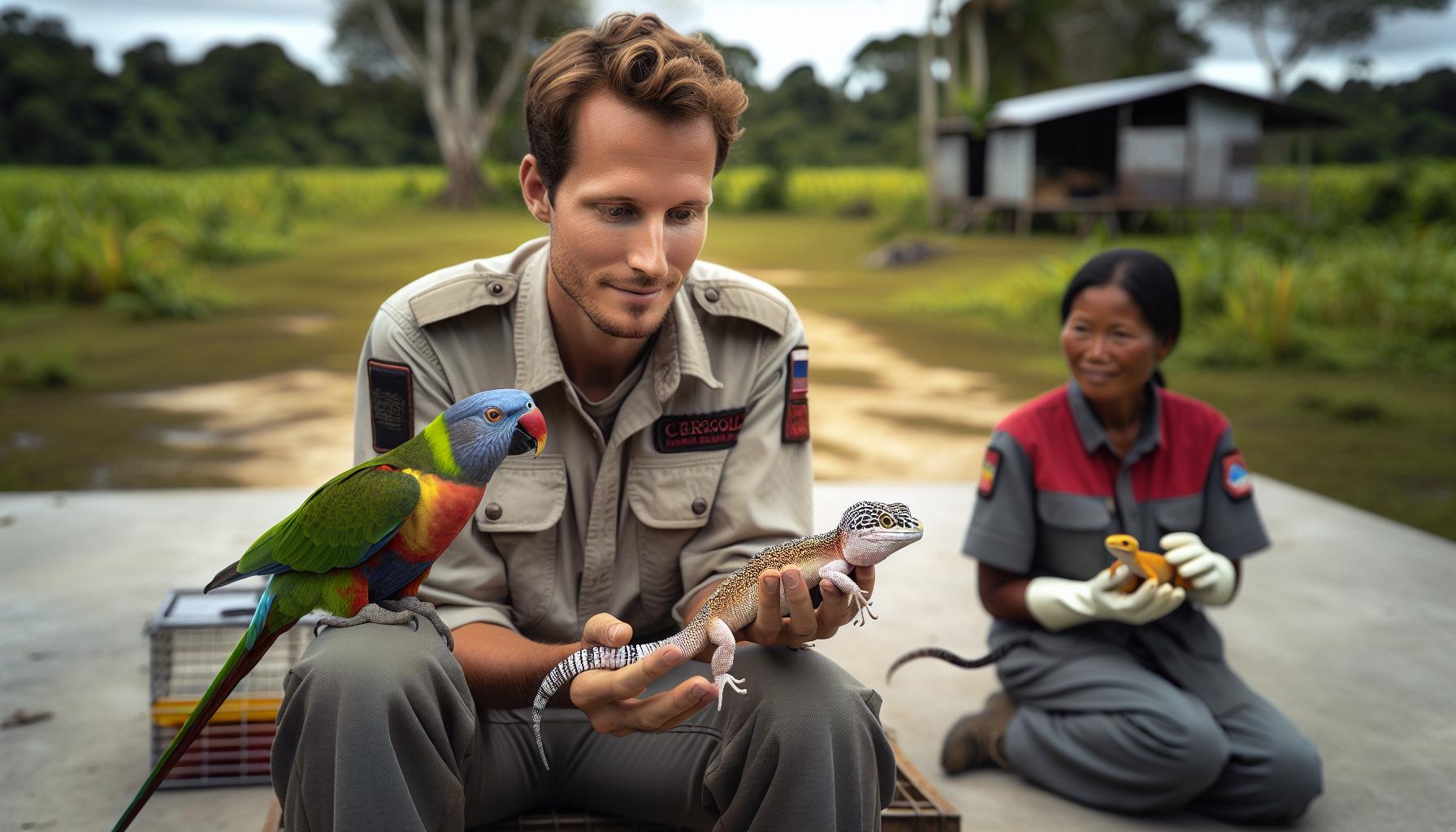
Working with exotic animals is a thrilling and fulfilling career path, but it comes with its own set of challenges and demands. To thrive in this field, certain essential skills and attributes are pivotal for anyone aspiring to interact professionally with these diverse creature companions.
First and foremost, strong observational skills are crucial. Understanding animal behavior can mean the difference between a harmonious interaction and a stressful encounter. Early signs of stress or illness in animals can often be subtle; for instance, a reptile that refuses to eat may indicate environmental stress or health issues. Learning to observe these behaviors not only helps in providing better care but also fosters trust between the caregiver and the animal.
Additionally, knowledge of animal husbandry is vital. Each species has unique care requirements, including nutrition, habitat, and enrichment needs. For example, simple adjustments like altering humidity levels for amphibians or providing climbing structures for birds can significantly enhance their quality of life. This knowledge is often gained through hands-on experience, such as volunteering at a sanctuary or working under experienced professionals who can share invaluable insights.
Communication is another key skill, particularly in environments like zoos or rehabilitation centers where teamwork is essential. Being able to effectively convey information about an animal’s needs, behavior, or any observed changes to colleagues helps ensure that all staff members are on the same page, which is crucial for the animals’ well-being.
Lastly, patience and empathy are fundamental. Every animal is different, with distinct personalities and needs. Some might require time to warm up to human interaction while others may be more curious and outgoing. Understanding these nuances helps build positive relationships and informs how one approaches animal care. Whether it’s spending extra time socializing a nervous animal or carefully monitoring an injured creature’s recovery, these qualities contribute to a successful career in the exotic animal field.
In summary, combining keen observational skills, foundational knowledge of husbandry, effective communication, and a compassionate approach can set the stage for a rewarding experience in working with exotic animals. Each of these skills not only enhances personal interactions but also contributes significantly to the health and happiness of the animals under your care.
Educational Paths and Certifications in Exotic Animal Care

Understanding how to work with exotic animals involves navigating through diverse educational paths and obtaining relevant certifications that equip you with the necessary knowledge and skills. The journey begins with identifying the right program that aligns with your career goals and interests in specific species or fields within exotic animal care.
Many aspiring professionals start their education with a degree in animal science, biology, or zoology. These programs provide a solid foundation in understanding animal behavior, physiology, and ecosystems. For those looking to specialize, degrees specifically tailored to exotic animal care are becoming more available. Programs may include coursework in nutrition, health care, and conservation, emphasizing the unique requirements of various species.
Beyond formal degrees, certifications play a crucial role in enhancing your qualifications. Various organizations offer certifications in specific areas such as wildlife rehabilitation, animal training, and exotic animal husbandry. Obtaining these certifications demonstrates your commitment and expertise, which can be particularly beneficial when applying for jobs or internships. For example, the National Association of Professional Animal Trainers (NAPAT) offers certification that focuses on behavioral training, a vital aspect of working with exotic species.
Finally, hands-on experience is invaluable. Many educational programs incorporate internships or volunteer opportunities in zoos, wildlife sanctuaries, or rehabilitation centers. Engaging with professionals in the field offers practical insights that cannot be gained through textbooks alone. Not only does this experience develop your skills, but it also helps you build a network within the conservation and animal care communities, potentially leading to job opportunities in the future.
In summary, pursuing a career with exotic animals entails a mix of formal education, targeted certifications, and hands-on experience to prepare you for the challenges and joys of working with these remarkable creatures.
Choosing the Right Environment: Zoos, Sanctuaries, and More

When considering a career working with exotic animals, the choice of environment can significantly impact your experience and professional growth. Zoos, wildlife sanctuaries, and rehabilitation centers each offer unique opportunities and challenges, making it essential to align your career goals with the right setting. For instance, zoos traditionally prioritize education and conservation efforts while providing a controlled environment for a diverse range of species. They often have structured programs aimed at public education, which can include behavioral presentations and educational talks. Working in a zoo allows you to gain experience in animal care, exhibit design, and guest interaction, all within a regulated framework that emphasizes safety and animal welfare.
In contrast, wildlife sanctuaries tend to focus more on rehabilitation and providing lifelong care for animals that cannot be returned to the wild. These environments are often less commercialized, allowing for a more hands-on approach to animal care. Sanctuary work can be deeply rewarding, as you help animals recover and live out their natural behaviors. It’s a space where you can witness the impact of rescue efforts firsthand, but be prepared for challenges, such as working with animals that may have behavioral issues due to past trauma.
Additionally, rehabilitation centers specialize in treating injured or orphaned wildlife with the goal of releasing them back into their natural habitats. Staff at these centers must possess a deep understanding of wildlife behavior and ecology, as well as the physical skills to perform medical treatments and rehabilitative care. This often involves intensive hands-on work and close collaboration with veterinary professionals, providing an exceptionally fulfilling pathway for those passionate about wildlife preservation.
In each of these environments, your day-to-day duties can vary based on the facility’s mission. Consider exploring these options through internships or volunteer opportunities, which not only enhance your understanding of different animal care practices but also help you build valuable connections within the field. No matter the path you choose, every interaction with these extraordinary creatures will deepen your appreciation for wildlife and inspire efforts towards conservation.
Common Career Paths in Exotic Animal Care
The world of exotic animal care is both thrilling and deeply rewarding, attracting those who are passionate about wildlife and dedicated to conservation. Career paths in this field vary widely, each offering a unique blend of challenges and opportunities. Whether you’re aiming to work directly with animals or support them through education and research, here’s an overview of common avenues you might explore.
Animal Caretaker or Zookeeper
As an animal caretaker or zookeeper, you’ll have a hands-on role in the daily care of exotic animals. This includes feeding, cleaning enclosures, and monitoring health. Zookeepers often lead educational programs to inform the public about species conservation and responsible pet ownership. For example, working with large mammals like elephants or big cats requires specialized knowledge not just about their care but also about their behaviors and needs.
Wildlife Rehabilitation Specialist
If your passion lies in helping animals recover from injury or trauma, consider becoming a wildlife rehabilitation specialist. These professionals work in rehabilitation centers, caring for sick or orphaned animals. Their goal is to prepare these creatures for reintroduction to the wild. This role requires not only practical skills in animal care but also a deep understanding of wildlife ecology and behavior. Real-life examples include successfully nursing a hawk back to health and releasing it back into its natural habitat.
Conservation Biologist
For those inclined towards research and fieldwork, a career as a conservation biologist could be ideal. These scientists study animal populations, their habitats, and the impact of human activity on ecosystems. By collecting data and developing conservation strategies, they contribute to preserving endangered species. Imagine tracking the migration of a rare bird species to understand its habitat needs better-it’s a vital role in ensuring biodiversity thrives.
Educator or Outreach Coordinator
Education plays a crucial role in conservation efforts, and positions like educator or outreach coordinator allow you to inspire others. By developing programs and community events, you raise awareness about exotic animals and the importance of their conservation. Engaging activities, such as hands-on workshops at local schools, can spark young people’s interest in wildlife care.
In each career path, a commitment to continuous learning and a passion for animals will set you apart. Whether through volunteering, internships, or formal education, gaining diverse experiences will enrich your journey in the world of exotic animal care. The potential to make a meaningful impact on wildlife conservation is not just a dream; it’s a fulfilling reality waiting for those willing to take the leap.
Facing Challenges: Risks and Rewards in the Field
While working with exotic animals can be a dream come true, it comes with its fair share of challenges and rewards that demand careful consideration. The first major challenge you’ll likely encounter is the unpredictability of animal behavior. Each species has its unique habits and instincts, which can pose risks not only to yourself but also to the animal’s well-being. For instance, handling a frightened reptile can lead to defensive behaviors, such as biting or constriction, which requires specialized skills and knowledge to manage safely.
In addition to behavioral challenges, working with exotic animals often involves physical demands and environmental stressors. Long hours on your feet, exposure to different weather conditions, and the necessity for physical endurance to handle potentially large animals are all part of the job. For example, zookeepers must be prepared for harsh climates, whether it means cooling off in the hot sun while caring for desert-dwelling reptiles or bundling up during frigid winters for arctic mammals. This aspect of care is crucial to maintaining both the animals’ and your own physical health.
However, the rewards in this field can be significantly impactful. Witnessing an animal thrive under your care, especially in rehabilitation efforts, can be one of the most fulfilling experiences imaginable. Imagine being part of the journey of a once-injured bird regaining its strength and taking flight back into the wild-it’s a powerful reminder of why the work is so important. Moreover, engaging with the public through educational outreach can foster awareness and appreciation of wildlife, influencing future generations to advocate for conservation efforts.
Ultimately, while the road to a career with exotic animals may be marked with hurdles, the profound connection you can develop with wildlife and the ability to contribute to conservation and education makes it an incredibly rewarding path. As you navigate these challenges and celebrate the victories, remember that each step forward contributes to a greater understanding and support for the magnificent creatures we share our planet with.
Regulations and Ethics in Exotic Animal Work
Working with exotic animals is as exciting as it is complex, and one of the fundamental aspects that aspiring professionals must navigate is the landscape of regulations and ethics. Did you know that, in the United States alone, there are various federal, state, and local laws governing the ownership and care of exotic animals? These regulations aim to ensure the safety of both the animals and the public, and they encompass a wide range of guidelines regarding habitat requirements, breeding, and even transportation of species. Understanding these rules is crucial for anyone looking to enter this field, as violation can lead to serious legal consequences and can jeopardize the well-being of the animals involved.
Understanding Legal Frameworks
The legal landscape surrounding exotic animal work can be daunting, but breaking it down can help. At the federal level, the U.S. Fish and Wildlife Service (USFWS) regulates the importation and exportation of wildlife under the Endangered Species Act. Additionally, the Animal Welfare Act sets guidelines for the treatment and care of animals in research, exhibitions, and facilities. State laws vary widely; some states have strict laws banning the private ownership of certain species, while others require permits and adherence to specific care standards. Therefore, it’s essential to research local regulations in your area thoroughly before pursuing a career in this field.
Ethical Considerations
Beyond legal requirements, ethical considerations are paramount in the animal care profession. It’s vital to prioritize the well-being of the animals over any personal interest. This means advocating against practices that may exploit animals, such as breeding for profit without regard for health or genetic diversity. Opting to work in environments that emphasize conservation and education-like wildlife sanctuaries or rehabilitation centers-can align your career path with meaningful ethical standards. Furthermore, professionals should continuously engage in the conversation about animal rights, ensuring that their actions reflect a commitment to ethical stewardship.
Ultimately, the journey into working with exotic animals demands more than just passion; it requires a solid understanding of the intricate web of regulations and a deep-seated commitment to ethical practices. As you embark on this rewarding career path, remember that your role extends beyond individual animals; you are part of a larger movement towards conservation and responsible ownership. Balancing these elements will not only enhance your professional reputation but also contribute positively to the welfare of the extraordinary creatures you will have the chance to work with.
Continuing Education and Professional Development Opportunities
In the field of exotic animal care, staying informed and up-to-date is essential. The world of wildlife is constantly evolving, with new research, conservation strategies, and regulations emerging regularly. By embracing continuing education and professional development opportunities, you can enhance your skills, expand your knowledge, and ultimately improve the welfare of the animals you work with.
One vital way to further your education is through specialized training workshops. Many organizations offer hands-on sessions that focus on specific animal care techniques, behavioral enrichment methods, or conservation practices. For instance, workshops on animal behavior can provide insights into the nuances of species-specific care, helping you better understand the natural instincts and social structures of the animals you’ll encounter. Another valuable resource is online courses. Websites like Coursera and Khan Academy offer a variety of subjects ranging from veterinary science to ecology, allowing you to learn at your own pace.
Networking is also a crucial component of professional growth. Engaging with fellow wildlife enthusiasts and experts through conferences, seminars, and local conservation events can open doors to mentorship opportunities and collaborative projects. Being part of professional associations, such as the American Association of Zoo Keepers or the Association of Sanctuaries, can connect you to a wealth of resources, including job boards, certification programs, and the latest industry news.
Don’t underestimate the importance of volunteer work and internships as a means of gaining practical experience. Many sanctuaries and conservation organizations welcome volunteers who are eager to learn. These hands-on experiences can not only bolster your resume but also provide invaluable insights into the realities of working with exotic animals. Many organizations also offer continuing education credits for volunteers, making your time even more beneficial.
Lastly, consider pursuing advanced certifications in your area of interest. Specializing in fields such as wildlife rehabilitation or veterinary technology can significantly enhance your qualifications and set you apart in the competitive job market. For example, obtaining a certification in wildlife rehabilitation demonstrates a commitment to animal care and a deeper understanding of the complexities involved in treating and rehabilitating injured or orphaned wildlife.
By actively seeking out these opportunities and committing to lifelong learning, you will not only elevate your career but also contribute positively to the future of exotic animals. Always remember that the journey in animal care is as much about the animals as it is about your personal growth and education. Staying engaged and informed ensures that you can advocate for and protect the creatures you are passionate about.
Finding Your Passion: Specializing in Specific Species
Exploring the world of exotic animals is like diving into an awe-inspiring tapestry of biodiversity, where each species brings its own unique charm and challenges. For those keen on making a career out of working with these fascinating creatures, finding your passion can significantly shape your professional journey. Whether it’s the majestic big cats, vibrant reptiles, or colorful birds, specializing in a specific species allows you to deepen your knowledge and enhance your skills tailored to the needs of those animals.
To start your specialization, it’s essential to research the behavior, habitat, and care needs of various species. For instance, did you know that African elephants are social beings that require ample space and interaction? Understanding these nuances is crucial for anyone looking to work with them in a sanctuary or zoo setting. On the other hand, species like tortoises have vastly different needs, often requiring specific diets and environments to thrive. Curating your experience around particular species not only builds expertise but also helps you recognize the various conservation needs that come with them.
As you narrow down your focus, consider gaining hands-on experience. Volunteering or interning at wildlife sanctuaries or conservation programs presents an excellent opportunity to work closely with the species you are passionate about. These experiences not only offer practical skills but also insights into the challenges you may face in the field. For example, learning how to handle and rehabilitate injured birds of prey can ignite a passion for avian assistance while contributing meaningfully to their conservation.
Networking within specific communities related to your chosen species can also be incredibly beneficial. Engage with experts through online forums, attend conferences, or participate in specialized training workshops. Building relationships with professionals who share your interests can provide guidance on career opportunities and ongoing education in your field. Let curiosity lead your way, whether it’s diving into marine biology to learn more about exotic fish or studying primate communication in relation to their social structures. Each path offers the chance to not just work with animals but to advocate for their welfare passionately.
In your journey to specialize, it’s essential to keep your motivations aligned with conservation and responsible care. As the world of exotic animal care evolves, so too should your commitment to ethical practices and advancing knowledge in the field. Embrace every opportunity to learn, and remember that your passion can be the catalyst for making a significant impact on the lives of the animals you adore.
FAQ
Q: What types of exotic animals can you work with in a professional setting?
A: You can work with a variety of exotic animals such as reptiles, birds, mammals, and amphibians. Each species requires specific knowledge about their habitat, behavior, and care needs. Specializing in a specific type can enhance your expertise and career opportunities. For more details, check the section on Understanding Different Types of Exotic Animals.
Q: How do I gain hands-on experience with exotic animals?
A: Gaining hands-on experience can be achieved through volunteering or internships at zoos, wildlife sanctuaries, or veterinary clinics. Networking with professionals in the field and participating in workshops can also provide valuable experiences. See the section on Hands-On Experience: Volunteering and Internships for more tips.
Q: What are the common challenges faced when working with exotic animals?
A: Common challenges include dealing with stressful situations, understanding species-specific behaviors, and managing potential health risks. It’s crucial to stay informed about the regulations and ethical considerations in exotic animal care. Learn more in the Facing Challenges: Risks and Rewards in the Field section.
Q: What educational programs are best for a career with exotic animals?
A: Pursuing degrees in animal science, zoology, or specific programs focusing on exotic animal care can be beneficial. Many programs offer hands-on training and specialized certifications, which are crucial for career advancement. Refer to the section on Educational Paths and Certifications in Exotic Animal Care for specific recommendations.
Q: Can I start a career with exotic animals without a degree?
A: Yes, starting without a degree is possible through volunteering or entry-level positions. Experience in animal care, even if informal, can open doors in zoos or sanctuaries. However, pursuing education and certifications will significantly enhance your opportunities in the long term. Check out Essential Skills for Working with Exotic Animals for more insights.
Q: What are the ethical considerations in the field of exotic animal care?
A: Ethical considerations include ensuring the welfare of animals, understanding informed consent in interactions, and adhering to conservation principles. Wildlife professionals must commit to practices that promote animal welfare and environmental sustainability. More on this can be found in the Regulations and Ethics in Exotic Animal Work section.
Q: How do I find a job working with exotic animals?
A: To find a job, utilize job boards focused on animal care, network with industry professionals, and join relevant organizations. Tailor your resume to highlight your experiences and skills related to exotic animal care. For further strategies, refer to Common Career Paths in Exotic Animal Care.
Q: What role does continuing education play in a career with exotic animals?
A: Continuing education is vital for staying updated on best practices, new research, and advancements within the field. Workshops, webinars, and certifications can enhance your skills and career prospects. Explore the section on Continuing Education and Professional Development Opportunities for detailed options.
Wrapping Up
As you explore your passion for working with exotic animals, remember that this journey is not just about caring for unique wildlife, but also about the skills, knowledge, and connections you’ll build along the way. By understanding the distinct behaviors, habitats, and care needs of various species, you position yourself for a fulfilling career that impacts both animals and communities positively.
Don’t miss the chance to dive deeper! Check out our guides on becoming an animal caretaker and wildlife conservation strategies to further enrich your knowledge. Whether you’re considering how to enhance your skills or simply seeking guidance on the next steps, we’re here to support you.
Join our newsletter for the latest insights, tips, and stories from fellow enthusiasts who share your passion. Together, let’s make a difference in the world of exotic animals-because every interaction counts in conservation efforts. Share your thoughts in the comments or explore more of our resources, and keep feeding that curiosity!
Get our latest guides, news, and insights highlighted in your Google Search & AI Overviews.