
Have you ever wondered what makes an animal “exotic”? While the term may evoke images of vibrant parrots or playful lemurs, it actually encompasses a broader definition that includes any species not native to your local area. Understanding what exotic means can be crucial for wildlife enthusiasts, prospective pet owners, and conservation advocates alike. The allure of owning or interacting with exotic animals can be exciting, but it also comes with important responsibilities regarding their care and habitat needs. In this article, we’ll delve into the fascinating world of exotic animals, exploring their behaviors, habitats, and the considerations essential for safe and ethical ownership. Get ready to expand your knowledge and appreciation for these incredible creatures!
What Does “Exotic” Mean in the Animal Kingdom?

In the animal kingdom, “exotic” conjures images of vibrant colors, unusual shapes, and behaviors that ignite curiosity. Generally, exotic animals are species that are not native to a particular country or region and often come from distant lands. This definition can encompass a wide variety of creatures, ranging from the familiar, like parrots and iguanas, to the more obscure, such as capybaras and sugar gliders. Exotic animals often evoke a sense of adventure, transporting us beyond our mundane routines and connecting us with the wildness of nature.
These animals possess unique traits that make them captivating companions. For example, many exotic pets exhibit interesting behaviors not seen in more traditional pets. A meerkat, for instance, is known for its social structure and stands upright to survey its surroundings, which can be both entertaining and educational for owners. On the other hand, a hedgehog curls into a ball when frightened, providing insight into its natural defense mechanisms. These behaviors can foster a deeper appreciation for the diversity of life on our planet and the adaptations animals develop to survive.
Furthermore, the term “exotic” can vary by context, often influenced by cultural perceptions and legal regulations. In the United States, for example, some reptiles and mammals are considered exotic even if they are commonly kept as pets, highlighting the fluidity of this classification. It’s crucial for potential owners to understand local laws regarding exotic pet ownership, as these regulations are designed to protect both the animals and the local ecosystem. Being informed not only aids responsible ownership but also enhances the bond between the pet and its human caretaker.
As the fascination with exotic pets evolves, so too does the understanding of their care needs, emotional impacts, and the conservation issues they may represent. Whether it’s a vibrant chameleon or a playful sugar glider, prospective owners should be aware of the commitment involved. With proper knowledge and respect for these remarkable creatures, we can enjoy their unique companionship while contributing positively to their welfare and conservation.
The Unique Traits of Exotic Animals
In the realm of exotic animals, you’ll find captivating traits that set them apart from more familiar pets. For instance, many species exhibit extraordinary behaviors and adaptations that reflect their diverse environments. Consider the vibrant Mandarin dragonet, a small fish known for its astonishing colors and intricate designs, which aren’t just for show; these visual traits help it attract mates while evading predators in the coral reefs of the Pacific Ocean. Similarly, the capybara, the world’s largest rodent, showcases remarkable social behavior. These gentle giants thrive in groups, strengthening bonds through grooming and companionship-a behavior that highlights the importance of social structures in their natural habitats.
Exotic animals also showcase a variety of unique physical features and characteristics. The sugar glider, a small marsupial native to Australia, is particularly enchanting with its ability to glide through the air thanks to a membrane stretching from its wrists to its ankles. This adaptation not only aids in movement but also allows it to escape predators and soar from tree to tree in search of food, making it a fascinating pet for those who can meet its specialized needs. In contrast, the axolotl, a neotenic salamander, captures the imagination with its striking appearance. Known for its feathery gills and regenerative capabilities, this creature draws interest not just as a pet but also in scientific research for its remarkable healing powers.
Beyond behaviors and physical traits, the care needs of exotic animals can be quite distinct. Potential owners should be prepared for specific dietary requirements, habitat setup, and health care considerations that differ significantly from traditional pets. For instance, many reptiles, like the green iguana, require UVB lighting to synthesize vitamin D3 and maintain healthy bones, emphasizing how unique care environments are paramount for their wellness. Understanding these unique traits can lead to better care practices and enhance the bond between pet and owner.
Ultimately, engaging with exotic animals can be a delightful yet responsible venture. Their unique characteristics not only enrich our lives but also call for a deeper understanding of their needs and the conservation efforts surrounding them. Whether observing the playful antics of a ferret or the mesmerizing patterns of a chameleon, appreciating their uniqueness fosters a sense of connection to the broader animal kingdom and encourages responsible stewardship of these extraordinary creatures.
Understanding the Different Definitions of Exotic

Exotic animals ignite a spark of intrigue and fascination, often defined not just by their physical appearance but also by their natural habitats and behaviors. The term “exotic” generally refers to species that originate from far-off places or environments that differ significantly from those of typical domestic pets. This includes creatures that might not be commonly seen on the average suburban street, like macaws from South America or serval cats from Africa. The allure of exotic pets lies in their unique characteristics and the opportunity to engage with a slice of the world that feels wild and untamed.
When discussing what makes an animal exotic, it’s essential to consider various factors that contribute to its classification. These can include geographic origin, ecological niche, and even cultural perceptions. An animal could be considered exotic if it is native to a region unfamiliar to the potential owner-think of the sugar glider, a tiny marsupial from Australia, or the red-eared slider, a turtle species originally from the southern United States but now popular worldwide. While the mere fact that they come from different parts of the globe may qualify them as exotic, their unique adaptations to survive in diverse environments also enhance their allure.
The motivations for seeking an exotic pet often stem from a desire for novelty or the prestige that can come with owning something unique. However, choosing an exotic animal comes with responsibilities that differ from traditional pet ownership. Many exotic animals have specialized care requirements, ranging from distinctive dietary needs to specific habitat setups that mimic their natural environments. For instance, a ball python, while captivating with its beautiful patterns, requires a carefully controlled habitat with the right temperature and humidity levels to thrive.
As animal lovers or potential owners, it’s crucial to respect and understand the differences between native and exotic species. Recognizing that exotic animals are not just sources of entertainment but ambassadors of their ecosystems prompts a conversation about conservation and ethical ownership. Engaging with exotic pets can foster a deeper appreciation for biodiversity and the importance of protecting these unique species in their native habitats. Whether you’re captivated by the enchanting call of a cockatoo or the vibrant colors of a blue poison dart frog, it’s vital to approach exotic animal ownership with informed enthusiasm, ensuring that the allure of the exotic does not overshadow the commitment involved in responsible animal care.
Exotic Animal Species: A Brief Overview
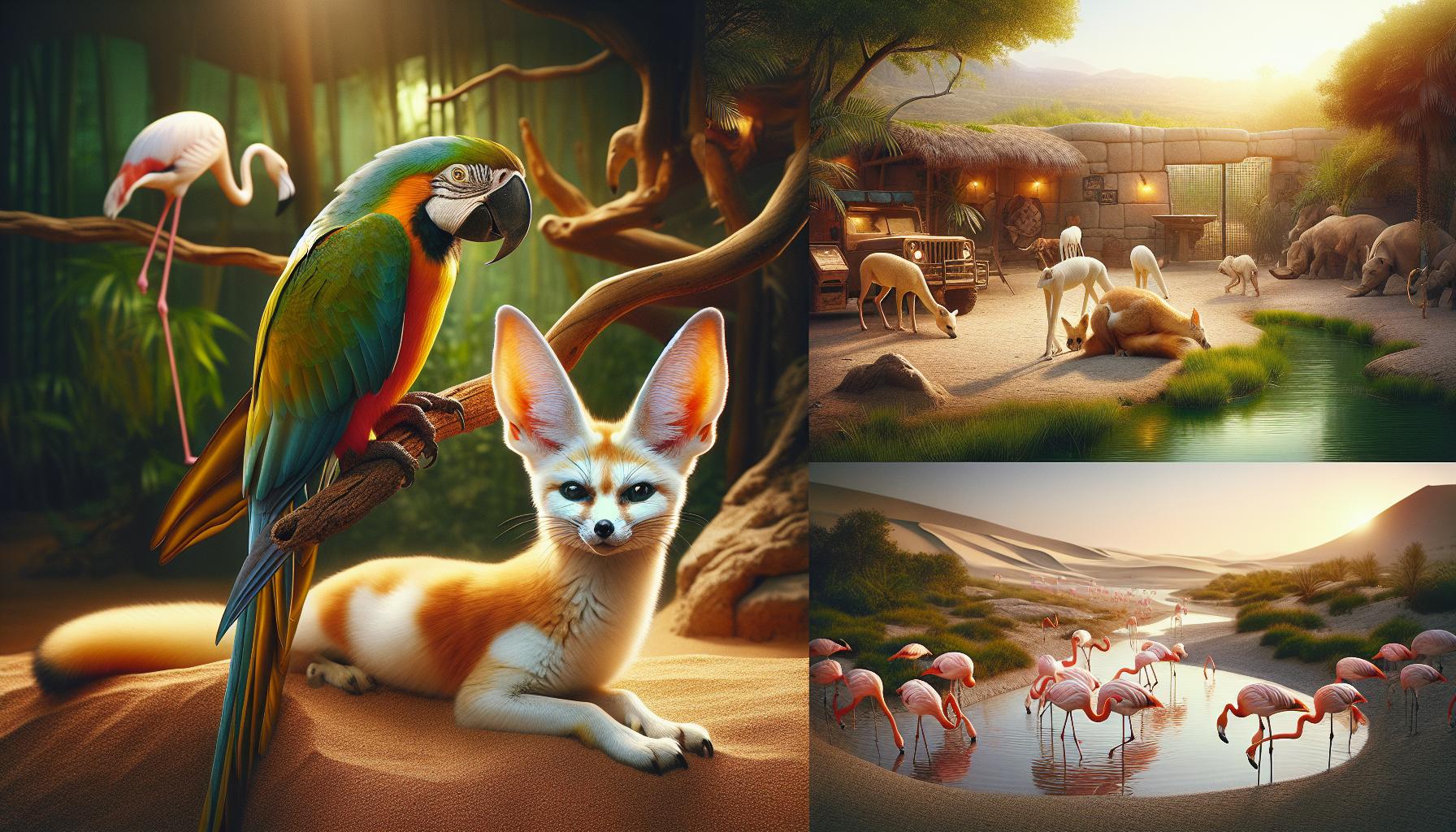
The world of exotic animals is as diverse as it is fascinating, comprising species that are often vastly different from our familiar domestic pets. Exotic animals can be defined by their geographical origins, habitats, or unique behaviors that set them apart. For instance, species like the Macaw, with its vibrant plumage and social nature, originates from the lush rainforests of South America, while the Hedgehog-a small, spiny mammal native to Europe, Africa, and Asia-offers a completely different appeal with its nocturnal habits and adorable appearance.
Among the array of exotic species, reptiles hold a curious place in the hearts of enthusiasts. The Ball Python, for example, is prized for its beautiful morphs and relatively docile nature, making it a common choice for new reptile owners. These snakes require specific environmental conditions, primarily a warm and humid habitat, to thrive. On the opposite end of the spectrum, Sugar Gliders, small marsupials from Australia, enchant owners with their ability to glide through the air. They need a specialized diet and social interactions since they are highly social creatures, often living in colonies in the wild.
Exotic animals are not limited to the usual contours of pet ownership; they bring unique challenges and responsibilities. Fennec Foxes, known for their large ears and playful demeanor, require extensive space to run and play, along with a diet that mimics their natural insectivorous habits. Understanding these needs is crucial for any potential owner who wishes to provide a suitable environment for their exotic companion.
Finally, let’s not forget the allure of aquatic exotic pets, such as Axolotls. These fascinating creatures, often referred to as “Mexican walking fish,” are actually amphibians and are known for their regenerative abilities. They are popular among fish enthusiasts but require specific water conditions and a carefully regulated environment to flourish. Each exotic species presents its own set of care requirements, making research and preparation essential for anyone considering bringing one into their home.
In essence, the exotic animal kingdom is a treasure trove of diversity and wonder, beckoning wildlife lovers with its spectrum of amazing species, each with its own story and unique care needs.
Common Examples of Exotic Animals People Keep
Many people find themselves captivated by the allure of exotic animals, drawn to their unique looks and behaviors. Among the more commonly kept exotic pets are reptiles, marsupials, and even some aquatic creatures.
Reptiles
Reptiles are particularly popular among exotic pet enthusiasts. The Ball Python, for instance, is a favorite due to its docile temperament and stunning variety of color morphs. These snakes thrive in environments that replicate their natural humid habitats and can live for up to 30 years with the right care. Another notable reptile is the Leopard Gecko, known for its friendly disposition and striking patterns. These geckos are ideal for beginners, as they adapt well to captivity and are relatively easy to care for, requiring a warm habitat and a diet of insects.
Marsupials
Moving beyond reptiles, marsupials like the Sugar Glider have also captured the hearts of many. Originating from Australia, Sugar Gliders are small, nocturnal creatures that need social interaction and a varied diet to thrive. These adorable animals can glide through the air and form strong bonds with their owners. Fennec Foxes are another exotic choice, instantly recognizable by their large ears and playful nature. However, they require a substantial amount of space to roam and a diet that mimics their natural insectivorous habits, making them a more challenging pet option.
Aquatic Creatures
In the world of aquatic pets, Axolotls stand out due to their unique regenerative properties and charming appearance. Often called “Mexican walking fish,” these amphibians are easy to care for but require very specific water conditions, including a cool, clean environment with controlled pH levels. They thrive in tanks that provide ample swimming space and hiding spots, reflecting their native habitats.
Whether it’s the vibrant scales of reptiles, the playful antics of marsupials, or the fascinating biology of aquatic pets, exotic animals offer something truly special for enthusiasts. Each species has its specific requirements, emphasizing the necessity of thorough research and responsible ownership for anyone considering adding one to their family.
Why People are Drawn to Exotic Pets
Many enthusiasts are intrigued by the appeal of exotic pets, often captivated by their distinctive looks and behaviors. The allure often lies in their uniqueness-these animals offer something that traditional pets cannot. Exotic pets can evoke a sense of adventure and curiosity, providing owners with the opportunity to form a deeper connection with the natural world. For example, owning a pet like a Fennec Fox, with its large ears and playful demeanor, can feel like having a slice of the wild right in your living room.
A significant factor driving people toward exotic pets is the desire for novelty. Many people seek companions that stand out and make a statement. Owning a reptile such as a Ball Python or an unusual species like a Sugar Glider can spark conversations and help create a distinctive personal brand. This social aspect amplifies the appeal; sharing the joys and challenges of caring for an exotic pet can foster community among like-minded individuals, whether through online forums or local meetups.
However, the fascination with exotic animals also comes with a sense of responsibility. Potential owners are often motivated to become serious caregivers, understanding that exotic pets require environments that mimic their natural habitats. This knowledge leads to a deeper appreciation of wildlife and often translates into a commitment to ethical care practices. Responsible ownership not only enhances the pet’s quality of life but also raises awareness about conservation issues, as owners frequently advocate for the protection of their pets’ wild counterparts.
Ultimately, the draw to exotic pets blends a sense of adventure with a responsibility toward nature. They inspire a commitment to learning and provide unique companionship that challenges conventional notions of pet ownership, making them appealing to a wide variety of animal lovers. As you consider the path of exotic pet ownership, remember to weigh your enthusiasm with thorough research and respect for the incredible creatures you choose to welcome into your home.
Legal Considerations for Owning Exotic Animals
Navigating the legal landscape of exotic animal ownership can feel like a jungle itself. Different regions impose varied regulations governing the keeping of exotic pets, ranging from permissible species to licensing requirements. It’s crucial to do your homework before welcoming an exotic critter into your home, as non-compliance can lead to hefty fines, confiscation of the animal, or even criminal charges.
Many countries and states have specific laws defining what qualifies as an exotic animal. For instance, while some locations allow the ownership of certain reptiles, like iguanas and snakes, others may restrict or ban them due to their potential for ecological disruption or health risks. Before purchasing an exotic pet, check local laws and regulations to ensure the animal is legal to own in your area. Websites or local wildlife authorities can provide up-to-date information about what is permitted and what is not.
Understanding Permits and Licenses
In some jurisdictions, owning certain exotic species may require obtaining a permit or license. This could involve submitting an application that outlines your knowledge and capacity to care for the animal as well as potential health and safety risks. For example, larger species like capuchin monkeys or large felines often necessitate special permits due to their complexity as pets and their needs for large, secure environments. Failing to acquire the necessary permits can have serious ramifications.
- Research Species Specifics: Different exotic animals have differing legal statuses. Always verify the specific species you wish to own.
- Contact Local Authorities: Local animal control offices or wildlife agencies can be excellent resources for understanding regulations.
- Stay Informed: Laws can change, so it’s essential to stay updated on any new regulations that may impact your exotic pet ownership.
Additionally, consider the ethical implications of exotic pet ownership. Conservation laws often protect endangered species, and some exotic animals may be illegal to own not just because of local laws, but also due to international treaties like the Convention on International Trade in Endangered Species of Wild Fauna and Flora (CITES). Owning animals that are threatened or endangered might contribute to the illegal wildlife trade, which undermines conservation efforts around the globe.
Ultimately, being a responsible exotic pet owner begins with understanding the legal framework surrounding exotic animal ownership. Invest the time to ensure that your chosen companion is not only legal to own but also ethically sourced and appropriately cared for. This proactive approach not only fosters a better human-animal bond but also supports broader environmental and conservation efforts.
The Emotional Impact of Exotic Ownership
Owning an exotic pet can evoke a wide range of emotions that intertwine joy, fascination, and sometimes, unforeseen challenges. These pets often bring a unique companionship that differs from traditional pets. For instance, consider the striking beauty of a macaw or the endearing antics of a sugar glider. Their behavior and distinct personalities can create a deep emotional bond, offering pet owners a rich, rewarding experience. It’s not unusual for owners to feel a profound sense of pride and attachment as they nurture and care for these exotic beings.
However, this emotional journey can also be complex. While the initial allure of owning a creature like a fennec fox or a hedgehog is compelling, prospective owners must confront the reality of their care needs, which require significant commitment and understanding. For example, sugar gliders are social animals that thrive on companionship. If neglected, they can exhibit behaviors rooted in stress or anxiety, potentially leading to heartache for a caring owner. Thus, emotional investment in the welfare of an exotic pet requires education and empathy.
Understanding the Balance of Responsibility and Reward
It’s essential to recognize that while exotic pets can deliver emotional satisfaction, they demand responsible ownership. Many exotic species are complex and have specific needs for diet, habitat, and social interaction, which can impact the owner’s emotional well-being. For instance, the care for reptiles like bearded dragons entails precise environmental conditions to thrive. Misjudging these needs can lead to health issues, generating stress for both the pet and the owner.
Moreover, there’s a discussion to be had about the societal perceptions of exotic pets. Engaging with the broader community-whether it’s through social media, forums, or local pet expos-can provide emotional support and a sense of belonging among fellow enthusiasts. Sharing experiences, challenges, and achievements with others can reinforce the positive aspects of exotic pet ownership, while also fostering a sense of community and responsibility towards these unique animals.
In summary, embracing the emotional impact of exotic pet ownership encompasses a blend of joy, responsibility, and community engagement. By diving into the adventure of caring for these unique creatures, owners not only enrich their own lives but also contribute to a greater understanding of the diversity and beauty of the animal kingdom.
Conservation Issues Related to Exotic Animals
The world of exotic animals is filled with wonder and beauty, but it comes with a significant responsibility towards conservation. Did you know that owning an exotic pet can have profound effects on wildlife populations in the wild? For instance, certain species, when harvested unsustainably, can face serious threats to their survival in their natural habitats. This exploitation can lead to declines in populations and even extinction for some species.
When people decide to own exotic pets, it’s crucial to understand where these animals come from. Many exotic species are captured from the wild and sold in markets, which can decimate local populations. Conservation organizations often advocate for responsible practices, emphasizing that potential pet owners should consider adopting animals that are bred in captivity rather than taken from their natural environments. This helps ensure that wild populations remain stable and ecosystems are preserved.
In addition to the ethical concerns of capturing wild animals, there are practical implications for exotic pet owners regarding legal regulations. Various jurisdictions have laws governing the ownership of exotic pets, often aimed at ensuring both animal welfare and public safety. By being informed about these regulations, prospective owners can make decisions that align with both their interests and conservation efforts.
Moreover, fostering a community of awareness can make a long-term difference. Engaging with local conservation groups, supporting wildlife rescue organizations, and educating others about responsible ownership can help protect exotic species. By making informed choices and spreading knowledge about the importance of conservation, exotic pet owners can play a vital role in the ongoing efforts to preserve wildlife and their habitats. Ultimately, responsible ownership should not just focus on individual pleasure but also on the broader impact on global biodiversity.
Myths and Misconceptions About Exotic Pets
Many people are drawn to exotic pets for their uniqueness and charm, but a wealth of myths surrounds these fascinating creatures. One prevalent misconception is that exotic pets are inherently dangerous. While certain species can pose risks-like large reptiles or mammals-many exotic pets, such as smaller reptiles or birds, can be safe and affectionate companions when cared for properly. Understanding each animal’s specific needs and temperaments is essential, as not all exotic species require the same level of care or present the same risks.
Another myth is that exotic animals can thrive in typical household environments. This belief often leads to neglect of their complex needs. For example, sugar gliders and hedgehogs may seem easy to care for, but they require specialized diets, specific habitats, and social interaction to thrive. Owners must commit to understanding these needs, which can include everything from dietary requirements to temperature preferences. By assuming these animals can adapt to human lifestyles without proper adjustments, potential pet owners might set themselves and the animals up for failure.
Some people also assume that owning exotic pets is a passing trend. While they might be popularized in media and on social platforms, the reality is that the commitment involved in caring for an exotic animal often surpasses that of traditional pets. Many exotic animals have long lifespans, and owners must be prepared for the long haul. For instance, parrots can live for several decades, and many reptiles, depending on the species, can also have long life expectancies. This long-term commitment requires careful planning and consideration beyond the initial allure of having a unique pet.
To debunk these myths, it’s crucial for potential owners to engage in thorough research and seek advice from experienced exotic pet owners or veterinarians. Joining exotic pet communities can provide valuable insights and support, helping new owners understand the responsibilities that come with these enchanting animals. With the right knowledge and preparation, owning an exotic pet can be a rewarding and enriching experience for both the owner and the animal.
Exotic Animals in Popular Culture and Media
Captivating and strange, exotic animals often steal the spotlight in popular culture, tantalizing our imaginations through movies, TV shows, and social media. Films like Madagascar celebrate the unique traits of exotic creatures, showcasing our fascination with animals that are not typical household pets. For instance, who can forget the charismatic penguins or the wise old lemur, King Julien? These representations not only entertain but also spark curiosity about their real-life counterparts in the wild.
Social media platforms play a significant role in promoting exotic animals as desirable pets. Influencers and celebrities frequently share their experiences with unusual pets, from miniature pigs to capybaras, highlighting their charm and unique behavior. This visibility influences potential owners, often romanticizing the notion of exotic pet ownership. However, it’s vital to remember that these animals come with specific behavioral and environmental needs that must be understood and respected. The adorable images can overshadow the lengthy commitments required for proper care, leading to misunderstandings about what it truly means to be responsible owners.
Moreover, documentaries and wildlife programs, such as Planet Earth, offer valuable insights into the often fragile habitats of exotic species, revealing the threats they face due to habitat loss, poaching, and climate change. These portrayals can foster a deeper appreciation for wildlife and promote conservation efforts, encouraging viewers to support initiatives that protect these magnificent animals in their natural environments. Pop culture thus not only entertains but can serve as a powerful tool for education and awareness.
By engaging with both the whimsical and the educational aspects of exotic animals in media, we can cultivate informed opinions about their conservation and the ethics of keeping them as pets. Understanding the realities behind the glamor allows us to celebrate these creatures while advocating for their well-being and the preservation of their habitats. Whether through animated films or real-life documentaries, the narrative surrounding exotic animals continues to evolve, captivating our hearts and minds while reminding us of our responsibilities as stewards of the Earth.
Frequently Asked Questions
Q: What are examples of exotic animals considered pets?
A: Exotic animals that are commonly kept as pets include kittens, ferrets, and parrots. More unconventional choices can be hedgehogs and sugar gliders. Each species has unique care needs and personality traits, so it’s essential to research thoroughly before adopting one.
Q: How do exotic animals differ from domestic pets?
A: Exotic animals are typically not bred for domestication and can have wild instincts. In contrast, domestic pets like dogs and cats have been specifically bred for companionship, often resulting in more manageable behaviors. Understanding these differences is crucial for potential owners.
Q: Why are exotic animals popular among pet owners?
A: Exotic animals attract pet owners due to their uniqueness and novelty. People often find their unusual behaviors and appearances fascinating compared to traditional pets, which fuels the desire to own them. However, research on care and legality is vital before acquiring one.
Q: Are there legal restrictions on owning exotic animals?
A: Yes, many regions impose legal restrictions on owning exotic animals due to factors like endangerment, potential danger, and the need for specific care. Always check local laws and regulations regarding ownership to ensure compliance and responsible pet care.
Q: What special care do exotic pets require?
A: Exotic pets often need specialized diets, habitats, and veterinary care that reflect their wild origins. For example, reptiles may require specific heat and light settings, while birds need mental stimulation. Understanding their unique care guidelines is crucial for their health and well-being.
Q: How can owning an exotic pet impact conservation efforts?
A: Owning an exotic pet can support conservation if it’s done ethically, such as acquiring from responsible breeders. However, it can also undermine conservation efforts if it involves illegal wildlife trade. Prospective owners should prioritize ethical sourcing and educate themselves on the species’ needs.
Q: What common misconceptions exist about exotic pets?
A: A common misconception is that exotic animals are easy to care for like cats or dogs. In reality, many require rigorous care, specialized diets, and behavioral understanding. Misunderstanding these needs can lead to welfare issues for both the pet and the owner.
Q: Where can I find more information about care for exotic animals?
A: Researching care for exotic animals can be done through reputable websites, books, and local animal care specialists. Joining exotic pet owner forums can also provide valuable experiences and tips from fellow enthusiasts. Always prioritize credible sources for accurate information.
To Wrap It Up
Understanding what “exotic” means for animals opens up a fascinating world of biodiversity and uniqueness. It emphasizes the importance of responsible ownership and conservation efforts. Whether you’re considering adding an exotic pet to your life or simply fascinated by these remarkable creatures, it’s vital to delve deeper into their specific care requirements and habitats. Don’t miss out on related insights-check out our articles on “Caring for Exotic Pets” and “The Habitats of Exotic Animals” for valuable information and tips.
If you enjoyed learning about exotic animals, we invite you to subscribe to our newsletter for the latest updates and special features. Have questions or thoughts? Share them in the comments below! Engaging with your fellow wildlife enthusiasts not only enhances your knowledge but strengthens our community. Remember, every small action counts in the journey of wildlife conservation-let’s ensure these exotic creatures thrive. Visit our site regularly for more intriguing explorations and become a part of our passionate community today!
Get our latest guides, news, and insights highlighted in your Google Search & AI Overviews.