
When we think about exotic animals, we often imagine unique creatures that ignite our curiosity and imagination. From vibrant parrots to mesmerizing reptiles, the world is home to countless fascinating species. In this article, we’ll explore the top 10 exotic animals that capture hearts and inspire wonder. Understanding these incredible animals isn’t just about admiration; it enhances our appreciation for biodiversity and the delicate ecosystems they inhabit. Whether you’re considering responsible pet ownership or simply want to expand your knowledge, joining us on this journey will deepen your connection with the animal kingdom. Get ready to discover what makes these top picks so special, from their remarkable behaviors to their care needs, and see how they contribute to our planet’s rich tapestry of life. Let’s dive in!
What Makes an Animal Exotic? Understanding the Concept
What truly defines an animal as “exotic”? The term often conjures images of vibrant rainforest creatures, striking reptiles, or rare mammals that seem to step right out of a nature documentary. However, the concept of exoticism extends beyond mere appearance; it is about origin, rarity, and the degree of domestication. Generally, exotic animals are those that are not native to a specific region, particularly those that do not typically inhabit domestic environments. This classification not only encompasses species like Macaws and Fennec foxes but can also include domesticated breeds that exhibit wild characteristics, such as certain hybrids.
Exotic animals often captivate us due to their unusual traits and behaviors. For instance, consider the majestic capybara, a social rodent that thrives in groups and is known for its gentle demeanor. Its unique lifestyle and adaptability to various environments make it a fascinating creature but also introduce specific care needs that potential owners must consider. Moreover, animals like the sugar glider charm enthusiasts with their incredible gliding ability and sociable nature, yet they require proper socialization to thrive in captivity.
Understanding what makes an animal exotic also hinges on appreciating the responsibilities tied to ownership. These animals often require specialized care to ensure their health and well-being, including specific diets, habitat setups, and social interactions. Responsible ownership is not just about feeding and housing; it’s about providing an environment that respects their natural instincts and behaviors. While the allure of owning an exotic pet is undeniable, it’s essential to recognize the commitment involved, as well as the broader impact on wildlife conservation and biodiversity preservation.
In essence, the concept of exotic animals encompasses their unique characteristics, the care they require, and the responsibilities of their owners. This understanding fosters a respectful appreciation for the beauty of wildlife, coupled with a commitment to ethical ownership and conservation efforts.
Top 10 Exotic Animals: A Fascinating Overview
The allure of exotic animals captivates many, with their stunning appearances and unique behaviors often making them the subject of curiosity and admiration. Each of the following top ten exotic animals brings something special to the table, from dazzling colors to memorable personalities. If you’re considering diving into the world of exotic pets or simply want to know more about these fascinating creatures, here’s a glimpse into some of the most popular picks.
1. Macaw
Macaws are renowned for their vibrant plumage and impressive social behaviors. These large parrots can mimic human speech, making them delightful companions for those ready to engage with them. Macaws require spacious aviaries, high-quality diets rich in fruits and nuts, and social interaction to thrive.
2. Fennec Fox
This small desert fox, known for its oversized ears, is an endearing choice for exotic pet enthusiasts. Fennec foxes are social and playful, but they demand ample space and time for stimulation due to their high energy levels. They thrive in households that can accommodate their unique needs and provide them with regular interaction.
3. Capybara
The world’s largest rodent, capybaras are known for their docile nature and social behavior. They are happiest in groups and require a habitat that mimics their natural aquatic environment, including access to water for swimming. Prospective owners must ensure they have enough space for these social animals to roam and interact.
4. Sugar Glider
These tiny, nocturnal marsupials are famous for their ability to glide from tree to tree. Sugar gliders are friendly and bond closely with their owners, but they require a balanced diet and ample socialization to thrive in captivity. A spacious cage with climbing opportunities is essential to keep them healthy and happy.
5. Ball Python
Ball pythons are popular among reptile enthusiasts due to their manageable size and gentle demeanor. They are generally easy to care for, needing a secure environment with proper heat and humidity. Their beautiful color variations make them particularly appealing to exotic pet owners.
6. Hedgehog
Hedgehogs are small, spiny creatures known for their curious personalities. They require specific care, including a suitable diet and temperature-controlled habitats. Regular handling can help them become accustomed to human interaction, making them charming companions.
7. Axolotl
The axolotl, a type of salamander, is a fascinating aquatic pet known for its regenerative capabilities and unique appearance. These creatures require a well-maintained aquatic environment, including proper filtration and temperature control. Their captivating look and low maintenance needs make them a favorite among exotic pet lovers.
8. Kinkajou
A close relative of raccoons, kinkajous are playful and affectionate, making them intriguing pets. However, they require significant social interaction and a diverse diet, including fruits and nectar, to thrive. They flourish in large spaces where they can climb and explore.
9. Serval
The serval is a wild cat known for its graceful long legs and striking coat. While they possess an undeniable beauty, keeping a serval requires extensive knowledge, proper space, and a deep commitment due to their wild instincts. Potential owners must be prepared for the challenges of caring for a wild animal.
10. Bearded Dragon
Bearded dragons are friendly reptiles that are known for their docile nature and ease of care. They require a well-designed terrarium with UV lighting and a varied diet, including insects and vegetables. Their engaging personalities and relatively simple care needs have made them a popular choice for both new and experienced exotic pet owners.
As you explore the world of exotic animals, it’s essential to consider the specific needs and characteristics of each species. Understanding how to meet their care requirements will enrich your experience and ensure a respectful relationship with these unique creatures. Whether you’re an experienced enthusiast or a curious newcomer, the journey into the realm of exotic pets offers endless fascination and learning opportunities.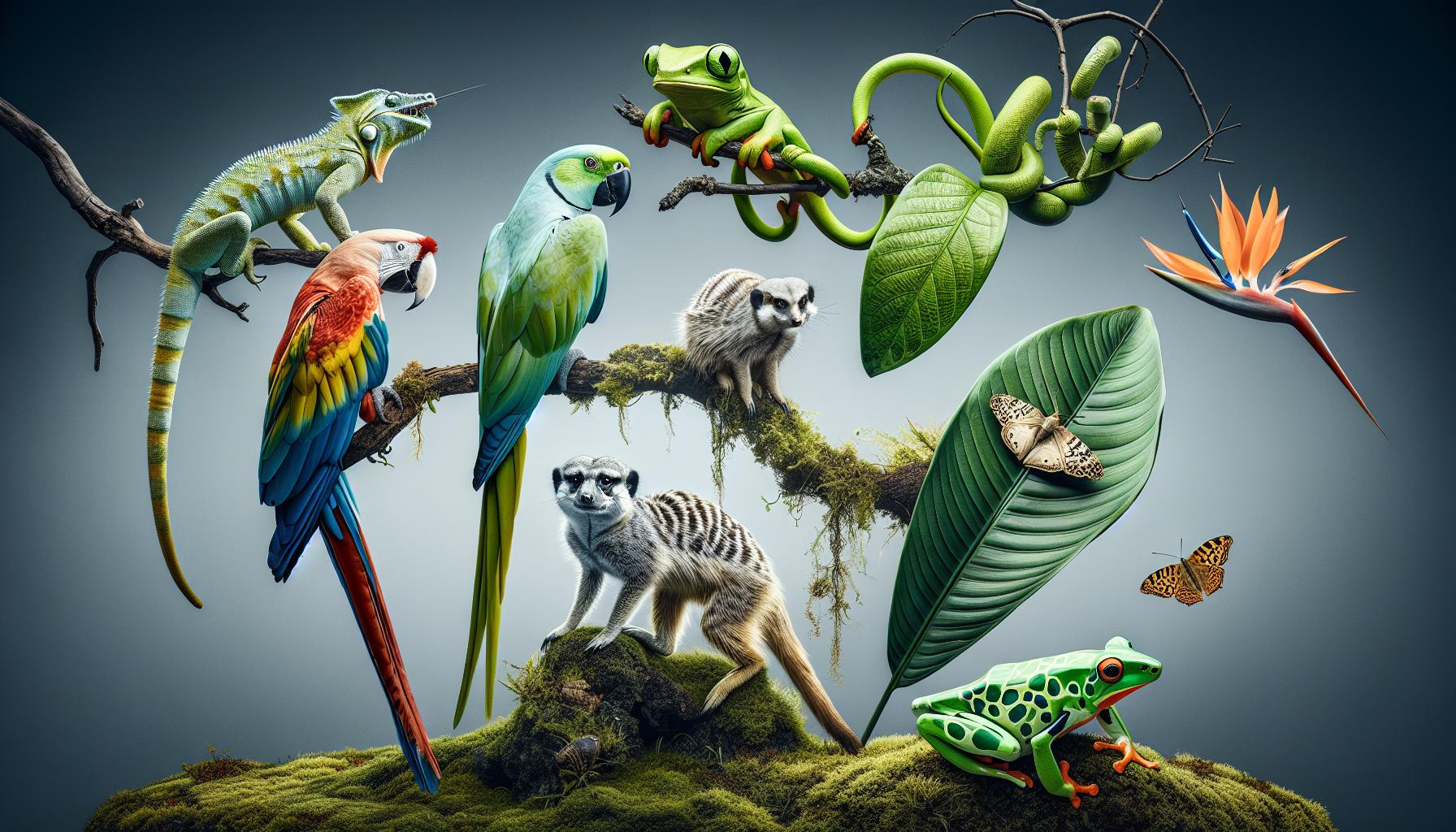
Unique Behaviors of the Most Popular Exotic Pets
The world of exotic pets is bursting with unique and fascinating behaviors that make these animals truly special companions. From the talkative macaw to the playful fennec fox, each species exhibits characteristics that reflect its natural instincts and social needs. Understanding these behaviors not only enhances your bond with these pets but also helps in providing them with a fulfilling environment that meets their behavioral needs.
Macaws, for instance, are incredibly social creatures that thrive on interaction. They often engage in playful antics, showcasing their intelligence through problem-solving and mimicry. Owners can stimulate this behavior by providing them with plenty of toys and opportunities for social engagement, which can include simple games or even teaching them new phrases. Their vibrant personalities can make them quite the little chatterboxes, brightening any home with their lively communications.
Fennec foxes are another intriguing exotic pet known for their highly active and curious nature. With their impressive hearing and boundless energy, these small desert-dwellers excel in digging and exploring. They are best kept in environments that allow for plenty of playtime and enrichment. For example, providing tunnels or hide-and-seek games can satisfy their natural instincts and keep them entertained. Their affectionate behavior towards their owners makes them rewarding pets, as they often bond deeply and enjoy interactive play sessions, especially in the evenings when they become more active.
Capybaras, with their social and herd-oriented nature, offer a completely different dynamic. These gentle giants are happiest when they are around their owners or other capybaras. Their calm demeanors make them approachable pets, and they often express their contentment through soft vocalizations, like purring. Given their semi-aquatic lifestyle, providing a pool or water feature is essential for their physical and emotional well-being. Their unique habit of greeting each other and expressing affection with gentle nibbles and nudges is a heartwarming behavior that endears them to many owners.
Sugar gliders, the tiny marsupials known for their ability to glide, are exceptionally social and can develop strong bonds with their human companions. They engage in behaviors such as “crabbing” when they’re nervous, a sound that mimics hissing, serving as a warning signal. However, when properly socialized, they display playful antics, often jumping and gliding from one perch to another. They need a diverse diet and opportunities to interact with their owners, making bonding activities like cuddling and free-range play vital for their happiness.
Understanding these unique behaviors and needs not only enriches your experience as an exotic pet owner but also fosters a deeper connection with these incredible animals. Nurturing their instincts and providing the right environment can turn exotic pet ownership into a profoundly rewarding journey, filled with discovery and companionship.
Ideal Habitats for Exotic Animals: Nature and Care Needs
When considering exotic pets, it’s essential to create habitats that mimic their natural environments as closely as possible. This not only enhances their well-being but also caters to their specific care needs. Each species comes with its own set of requirements, and understanding these is pivotal for any dedicated pet owner.
For instance, macaws are native to lush rainforests, which means they thrive in environments that offer plenty of space to fly and play. A large aviary or a spacious room with safe branches, toys, and perches is ideal to simulate their natural habitat. These birds are social and require interaction, so positioning their living space near family activities can help them feel included and happier.
Fennec foxes, on the other hand, are adapted to arid desert conditions. They need a warm and dry area with plenty of climbing structures and digging opportunities. A secure outdoor enclosure that allows them to explore while keeping them safe from potential predators can be beneficial. Providing a cool space for them to retreat to during the hottest parts of the day will keep them comfortable and reduce stress.
Capybaras, known for their aquatic tendencies, require access to water. A large pond or kiddie pool where they can swim and cool off is crucial. Also, as herd animals, they should ideally be kept in pairs or groups. Their habitat should include shaded areas and soft grassy spots, as they love to bask and munch on fresh grass.
Sugar gliders are marsupials that need vertical spaces to climb and glide. Their enclosures should be tall with multiple levels, incorporating ropes, hammocks, and safe toys that allow for climbing and gliding. These pets are very social and benefit from interactive playtime outside their cages, making regular, supervised bonding sessions vital for their happiness.
Understanding the unique habitat needs of these exotic animals ensures they not only survive but thrive in a domestic setting. By reflecting on their natural environments and catering to their specific behaviors, owners can foster a happy and enriching life for their pets.
Myth vs. Reality: Common Misconceptions About Exotic Pets
Many people are drawn to exotic pets for their unique appearances and behaviors, yet misconceptions often cloud their understanding. The allure of these animals can lead to oversimplified beliefs about their care, compatibility with humans, and even their legality as pets. Addressing these myths is essential for potential owners, ensuring that they approach the responsibility with knowledge and respect.
One common myth is that exotic pets are just like traditional pets but more interesting. While it’s true that species like reptiles or birds can offer distinct companionship, they come with very specific needs that differ greatly from cats or dogs. For example, sugar gliders require a highly social environment and specialized diets, while certain reptiles need precise temperature gradients to thrive. This underscores the need for anyone considering an exotic animal to research not only their care requirements but also their behavioral tendencies and social interactions, which often require a level of engagement and expertise not typically needed for more common pets.
Another widespread misconception is that all exotic animals are illegal to own. The reality is that legality varies significantly by region and species. Many jurisdictions allow certain types of exotic pets while imposing strict regulations on others. For example, owning a hedgehog may be perfectly legal in one state but prohibited in another. Potential owners must thoroughly check local laws and regulations to avoid legal issues and ensure responsible ownership.
Lastly, there’s a belief that exotic animals can be easily bred or trained like traditional pets. In truth, many exotic pets have complex social structures and life requirements that can make them challenging to domesticate or train. For instance, macaws are known for their intelligence and ability to mimic sounds, but they require significant mental stimulation and social interaction to prevent boredom-related behaviors. Prospective owners should be prepared for a commitment that may involve more time and effort than they initially anticipated.
Understanding these misconceptions helps ensure that both the animals and their human companions can lead happy, healthy lives together. Owning an exotic pet is a rewarding experience, but it requires a commitment to learning about their needs, legal status, and social behaviors to foster a respectful and healthy relationship.
Legal Considerations: What to Know Before Owning an Exotic Animal
Before embarking on the adventure of owning an exotic pet, it’s crucial to familiarize yourself with the legal landscape surrounding exotic animal ownership. Laws can vary not only by country but also by state, city, or even neighborhood, creating a patchwork of regulations that can be confusing for potential owners. For instance, while some states may allow the ownership of animals like capuchin monkeys, others might impose strict bans or require special permits.
Compliance starts with understanding what is classified as an exotic animal. Generally, this term refers to species that are not commonly kept as household pets, which can include various reptiles, birds, and even mammals. As a potential owner, your first step should be to research the specific laws governing ownership of these animals in your area. Websites from local wildlife authorities or state wildlife agencies can offer clarity on which species are permitted and the necessary permits or inspections needed.
Additionally, it’s essential to consider the ethical implications and conservation status of exotic pets. For example, many exotic animals come from the wild, and their capture and trade can negatively impact their populations. Choosing to adopt species that are sustainably bred or readily available through reputable breeders can support ethical management practices. Always check that any breeder or seller complies with the laws that protect wildlife and ensure that their animals are treated humanely.
If you’re considering a specific type of exotic pet, such as reptiles or birds, don’t forget to account for their habitat and care needs against local restrictions. Some varieties require complex environments that could fall under regulatory scrutiny. Furthermore, ensure you are prepared for potential zoning laws that may be in effect, as certain locations might restrict how many animals you can keep or even ban certain species altogether.
In summary, venturing into the realm of exotic pets demands not just a passion for unique animals but a commitment to understanding the legal framework that governs their care and ownership. By doing thorough research and fostering responsible ownership practices, you not only pave the way for a better life for your potential pet but also contribute positively to wildlife conservation efforts.
Caring for Your Exotic Pet: Essential Tips and Best Practices
Caring for an exotic pet can be as rewarding as it is challenging, and understanding their unique needs is crucial for their well-being. For instance, many exotic pets have specialized dietary requirements. For example, reptiles like iguanas require a diet rich in leafy greens and specific UV lighting for proper calcium absorption. Providing the right environment is just as important; ensuring that your pet’s habitat mimics their natural conditions not only promotes health but also helps them thrive emotionally.
When considering popular exotic pets, such as sugar gliders or hedgehogs, keep in mind their social needs. Sugar gliders thrive in pairs or groups, as they are highly social creatures. On the other hand, hedgehogs are more solitary but still require regular interaction with their owners to remain friendly and accustomed to handling. Establishing a routine interaction schedule can help meet their social needs and strengthen your bond.
Another significant aspect of care is health monitoring. Just like cats and dogs, exotic pets require regular veterinary care. Finding a vet who specializes in exotic animals can be vital, as they are trained to handle unique species. For example, routine check-ups for birds can help catch diseases early, ensuring your feathered friend stays vibrant and healthy.
Finally, educating yourself about common misconceptions surrounding exotic pets can help dispel myths. For example, many people believe that reptiles are low-maintenance, but in reality, they require precise temperature control and humidity levels to thrive. Understanding these aspects will lead to responsible ownership and ultimately a happier and healthier companion.
In conclusion, the key to successfully caring for your exotic pet lies in understanding their behavioral nuances, dietary requirements, social needs, and regular health monitoring. By being informed and proactive, you can ensure a fulfilling and enriching environment for both you and your unusual friend.
Exotic Animals in Pop Culture: Influencing Trends and Interest
From the enchanting depiction of exotic creatures in movies to viral social media posts showcasing unusual pets, exotic animals hold a special place in popular culture. This fascination often influences trends in pet ownership and interest in wildlife conservation. For example, films such as Madagascar and The Lion King have not only entertained but also sparked curiosity about species like lemurs and lions, prompting audiences to learn more about their habitats and behaviors.
These portrayals often lead to a spike in the popularity of specific species as pets. Consider the rise of the sugar glider, a small marsupial that gained notoriety through online platforms. Their charming appearance and playful nature have turned them into sought-after companions for those looking for something different from traditional pets. However, it’s crucial to remember that these animals come with unique care requirements and social needs. Potential pet owners should do thorough research to ensure they can meet these demands.
Another aspect of exotic animals’ allure is their presence in social media, where platforms like Instagram and TikTok feature accounts dedicated to showcasing these creatures. From parrots performing tricks to hedgehogs rolling around in tiny outfits, these accounts not only entertain but also educate their audiences about responsible exotic pet ownership. As more people share their experiences, the public’s fascination grows, raising awareness about both the joys and challenges of having exotic pets.
As for trends, we continually see shifts towards adopting more uncommon species as people’s understanding of exotic animals expands. Awareness campaigns that highlight conservation efforts help mitigate misconceptions and encourage responsible ownership. It’s vital that as we marvel at these captivating creatures, we also promote sustainable practices that preserve their natural environments and habitats. Ultimately, while the appeal of exotic animals in pop culture can inspire interest and joy, it’s essential to approach ownership with respect and a commitment to their well-being.
How to Choose the Right Exotic Pet for You
Choosing the right exotic pet can feel like embarking on an exciting adventure, yet it comes with a significant responsibility. Take the time to reflect on what kind of animal would harmonize with your lifestyle, home environment, and personal interests. Exotic pets are not just cool animals to showcase; they have unique needs and behaviors that must be respected and met. Understanding what it takes to care for your potential pet is key to ensuring a rewarding experience for both you and your new companion.
First, consider space requirements and activity levels. For instance, if you’re captivated by the idea of owning a ferret, keep in mind that they are highly active and need plenty of space to play and roam. Ferrets thrive in environments where they can explore, so a small apartment might not be ideal for them. On the other hand, smaller pets like hedgehogs might be a better fit for cozy living spaces, provided they receive adequate enrichment and social interaction.
Next, research the social needs of your chosen species. Certain exotic animals, like parrots, require daily interaction, stimulation, and companionship. They can form strong bonds with their owners, but if left alone for long periods, they might become stressed or develop behavioral issues. In contrast, reptiles such as bearded dragons or ball pythons are more solitary and can be perfectly content in a peaceful habitat as long as their environmental needs-like temperature and humidity-are met.
Additionally, consider the long-term commitment. Some exotic pets, such as larger parrots and turtles, can have lifespans that exceed 30 years! This lengthy commitment means you should plan not just for daily care, but also consider your future lifestyle changes. Will you be able to care for your pet if your life circumstances change, such as moving or starting a family?
Ultimately, the emphasis should be on making responsible choices. Before bringing any exotic pet home, ensure that you fully understand its dietary requirements, housing needs, legal considerations, and potential health concerns. By doing thorough research and reflecting on your living situation, you can find a match that brings joy and wonder to your life while championing the responsible ownership and conservation of these remarkable creatures.
FAQ
Q: What defines an exotic animal?
A: An exotic animal is typically one that is not native to the region where it is being kept. These animals often have specialized care needs and may require unique habitats. Understanding what makes an animal exotic is crucial for responsible ownership, as highlighted in the article’s section on what makes an animal exotic.
Q: Why do people want to own exotic animals?
A: People are often drawn to exotic animals for their unique appearance and behaviors, as well as the thrill of caring for something atypical. The fascination with the unusual is explored in-depth in the article, emphasizing both the excitement and the responsibilities involved in owning these pets.
Q: What are the most common misconceptions about exotic pets?
A: Common misconceptions include the belief that exotic pets are easy to care for or that they thrive in typical pet environments. The section on myth vs. reality in the article clarifies these points, underlining the need for specialized knowledge and care.
Q: Where can exotic animals legally be owned?
A: Legal ownership of exotic animals varies by location; some places require special permits while others ban certain species outright. It is vital to check local laws and regulations, as discussed in the legal considerations section of the article.
Q: What are some examples of popular exotic pets?
A: Popular exotic pets include hedgehogs, sugar gliders, and ball pythons. These animals are favored for their unique traits and manageable care needs. For a comprehensive overview, refer to the section on the top 10 exotic animals in the article.
Q: How can I prepare my home for an exotic pet?
A: Preparing your home for an exotic pet involves creating a suitable habitat that meets the animal’s specific needs for space, temperature, and enrichment. The ideal habitats section of the article provides crucial guidance on setting up the right environment.
Q: What should I consider before choosing an exotic pet?
A: Consider your lifestyle, the animal’s care requirements, and any legal restrictions in your area. Understanding the care needs and behavioral traits of different species will help you make an informed choice, as detailed in the article.
Q: How do exotic animals impact conservation efforts?
A: Owning exotic animals can affect conservation efforts both positively and negatively. While some owners promote awareness, others may contribute to illegal trafficking. The article discusses these conservation challenges, emphasizing the responsibility of pet owners in protecting species.
To Conclude
Now that you’ve discovered our top 10 exotic animals, you might be feeling inspired to learn even more about these incredible creatures and how to care for them responsibly. Whether you’re a curious newcomer or a seasoned exotic animal enthusiast, there are always new insights to uncover! Don’t miss our in-depth guides on common care needs and habitats of exotic pets to ensure you’re well-equipped for your journey.
Ready to dive deeper? Be sure to subscribe to our newsletter for the latest updates and tips on exotic animal care, as well as exciting stories from the wild. If you have any questions or personal experiences to share, we’d love to hear from you in the comments below! Your engagement helps build a community passionate about wildlife conservation and responsible ownership. Let’s explore together and keep the conversation going!
Get our latest guides, news, and insights highlighted in your Google Search & AI Overviews.