

Every year, millions of people are captivated by exotic animals, drawn to their vibrant colors, unique behaviors, and the allure of the wild. The debate over whether these magnificent creatures should be kept in captivity is more relevant than ever. While some argue that captivity can offer protection and breeding opportunities, others raise serious concerns about animal welfare and the ethics of confinement.
As you ponder this complex issue, consider the joys and challenges of exotic animal ownership, the impact on conservation efforts, and our evolving understanding of animal rights. Are we safeguarding biodiversity, or are we compromising the dignity of these creatures? Join us as we explore the pros and cons of keeping exotic animals in captivity, uncovering insights that will make you think critically about this fascinating topic. Your perspective might just change!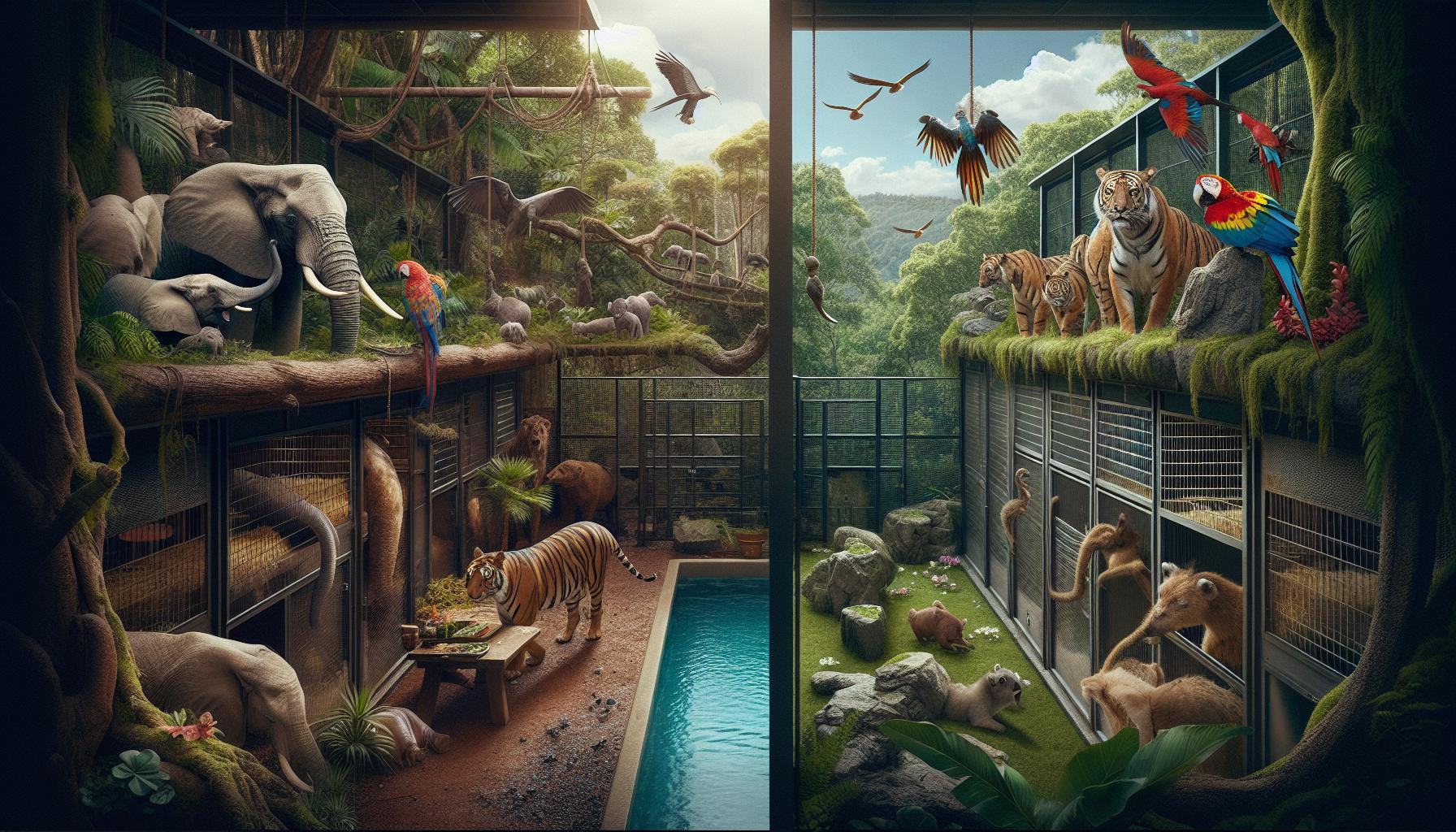
The Ethical Dilemma of Keeping Exotic Animals
Many individuals are captivated by the exotic beauty and unique behaviors of animals that are not native to their environment. This allure often leads to the contentious issue of keeping exotic animals in captivity. While some people may argue that captivity can provide safety and care for these creatures, others raise significant ethical concerns regarding their well-being and the implications of removing them from their natural habitats.
The ethical dilemma hinges on several critical factors. First, preserving the natural behaviors of species in a controlled environment is profoundly challenging. For instance, a tiger in a sanctuary might not be able to exhibit the same hunting behaviors as it would in the wild, potentially leading to mental and emotional distress. This raises questions about whether it is right to prioritize human enjoyment or education over the intrinsic needs of the animal. Second, the impact of captivity on an animal’s psychological well-being cannot be overlooked; in many cases, confined animals can develop stereotypic behaviors, such as pacing or over-grooming, indicative of stress or boredom.
Moreover, the motivations behind keeping exotic animals often center around human desires for status, curiosity, or entertainment, rather than the animals’ welfare. Organizations promoting conservation and education often argue that true wildlife conservation efforts should focus on in-situ strategies-protecting animals in their natural habitats-rather than ex-situ captivity, which may not effectively contribute to the species’ survival. However, proponents of captivity highlight the potential for education and increased public awareness, noting that captivity can play a crucial role in conservation by fostering a connection between people and wildlife, which can motivate broader conservation efforts.
Balancing these perspectives requires thoughtful consideration. When contemplating keeping an exotic animal, it’s essential to understand not only the legal implications and care requirements but also the deep-seated ethical obligations toward ensuring an enriching, species-appropriate environment. Each animal has specific needs, and failing to meet those can lead to dire consequences for the animal and the ecosystem as a whole. Ultimately, the dialogue surrounding exotic animal captivity is complex and nuanced, inviting ongoing reflection and discussion as we navigate the delicate intersection of human interests and animal rights.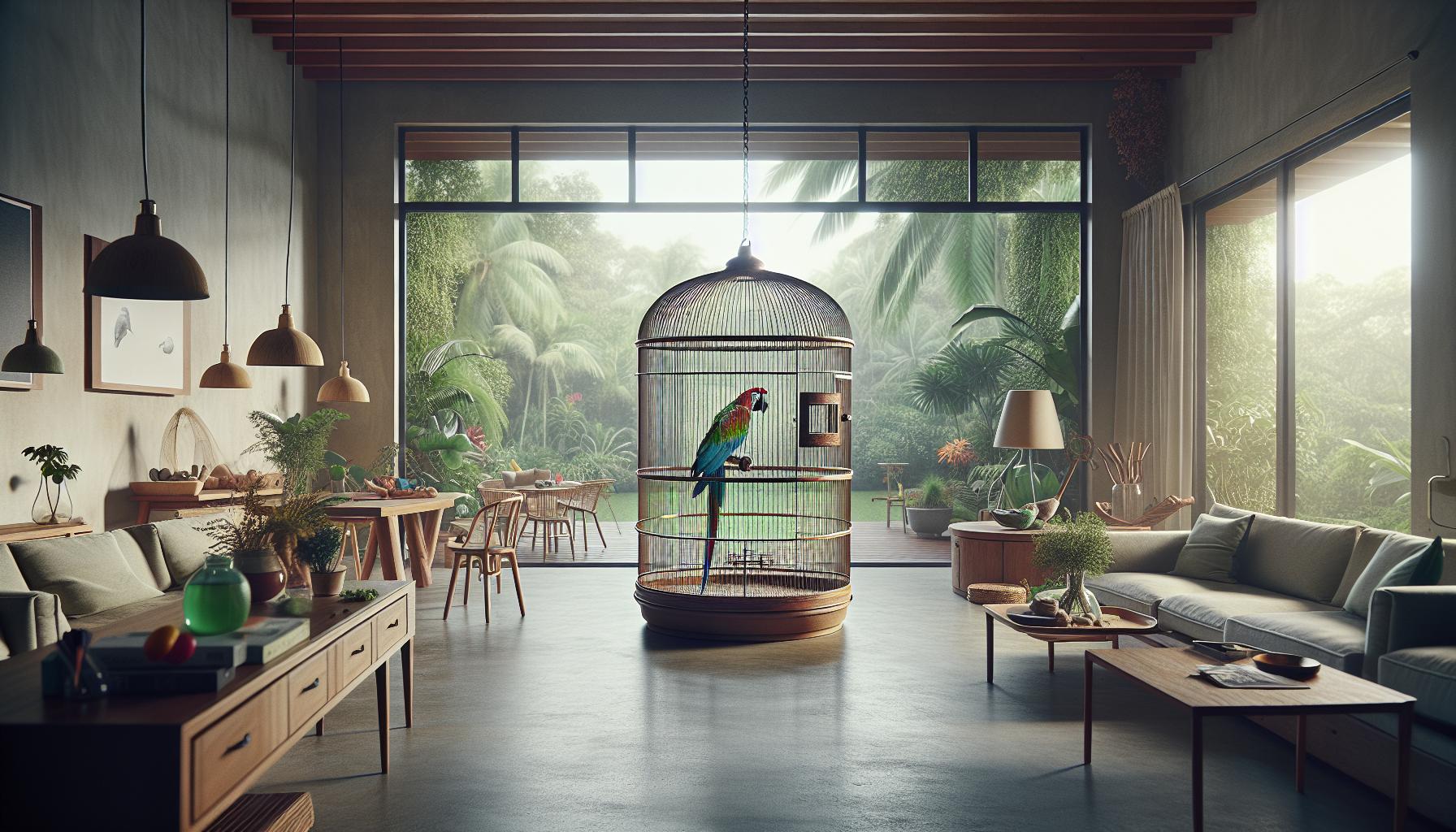
Understanding Animal Behavior in Captivity
Captivating creatures like macaws, lemurs, and snakes draw many people into the world of exotic pet ownership, yet understanding how these animals behave in captivity is paramount. For instance, a parrot, accustomed to the wild’s vast open skies, may experience anxiety when confined to a small cage. In contrast, a well-cared-for parrot that receives daily interaction and mental stimulation can thrive, showcasing its vibrant personality. Understanding these nuances can make all the difference between a happy pet and one that suffers from stress or health issues.
One of the key factors in animal behavior is the species’ natural instincts. Many exotic animals have specific social structures and environmental needs that must be understood for successful care. For example, social animals like meerkats thrive in groups. Keeping them alone can lead to behavioral issues due to loneliness and boredom. This realization should prompt potential owners to consider adopting multiple animals or exploring alternatives, such as fostering their natural behaviors through enriched environments that mimic their wild habitats.
Behavioral Enrichment
Creating an engaging space for an exotic animal can significantly enhance its well-being. Here are some effective strategies for providing enrichment:
- Physical Challenges: Structures for climbing, hiding, or digging can cater to an animal’s natural behaviors.
- Mental Stimulation: Puzzle feeders and toys that require problem-solving keep their minds active.
- Social Interaction: Regular playtime or interaction with caretakers fosters social needs.
Recognizing the difference between behavioral issues arising from captivity and those inherent to the species is essential. Some reptiles, for instance, may not exhibit typical social behaviors, leading to misconceptions about their health or happiness. Owners must learn about their pet’s biology and psychology to provide the best possible care that meets their needs, ultimately benefiting both the animal and its human counterpart.
In summary, understanding the complexities of animal behavior in captivity not only enhances your ability to care for exotic pets but also promotes a deeper appreciation for the wild counterparts of these beloved animals. Each creature is a unique blend of instinct and learned behavior, and successful captivity hinges on recognizing and respecting those intricacies. As we delve further into this topic, it becomes clear that the conversation about whether exotic animals should be kept in captivity is as much about responsibility and science as it is about personal enjoyment.
The Pros of Captivity: Education and Conservation
Captivating exotic animals can play a crucial role in education and conservation efforts, highlighting the benefits of keeping them in captivity. By observing these incredible creatures up close, people gain valuable insights into their behaviors and habitats, fostering a deeper connection to wildlife. For instance, zoos and aquariums often serve as educational hubs where visitors learn about animal care, biodiversity, and the importance of conservation. Interactive exhibits and guided tours create opportunities for the public to engage with conservation messages, making them more aware of the challenges faced by endangered species.
One of the most compelling advantages of captivity is its role in conservation programs. Many facilities participate in breeding programs for endangered species, helping to recover populations that are dwindling in the wild. A prime example is the California condor, which faced extinction in the 1980s. Through captive breeding efforts, conservationists were able to raise and release these magnificent birds back into their natural habitats, significantly increasing their numbers. These success stories illustrate how responsible captivity can contribute to the survival of species that might otherwise vanish.
Moreover, education in captivity often extends beyond the animals themselves. It encourages discussions about habitat preservation, climate change, and the impact of human actions on wildlife. By integrating current research and conservation strategies into their programs, facilities not only educate the public but also inspire future generations to be stewards of the environment. This proactive approach fosters a sense of responsibility among visitors, empowering them to take action in their communities.
Creating Conservation Warriors
Programs that engage the public, such as internships, volunteering opportunities, and citizen science projects, allow individuals to contribute to conservation efforts actively. These initiatives create a community of “conservation warriors” who are informed and motivated to make a difference. By bridging the gap between education and action, captivity can transform passive interest into active participation, further aiding conservation efforts both in situ and ex situ.
In conclusion, while the debate over captivity continues, it is essential to recognize the potential for education and conservation to thrive within these environments. By embracing responsible practices, we can ensure that exotic animals are not only appreciated for their beauty but are also integral to global conservation strategies. This harmonious relationship fosters a culture of wildlife appreciation, propelling both animals and people toward a sustainable future.
Common Exotic Animals and Their Care Needs
When considering the care of exotic animals, it’s essential to understand that each species has unique needs that can be complex to fulfill. For instance, many reptiles thrive in environments that mimic their natural habitats, requiring specific temperature ranges, humidity levels, and dietary needs. A bearded dragon, for example, needs a basking area that reaches about 100°F and a UVB light to ensure proper calcium absorption-key factors that novice owners may overlook.
Understanding Common Species and Their Requirements
Exotic mammals, like capuchin monkeys, are highly social creatures. They need plenty of interactions, not only with their human caretakers but also with other monkeys to thrive. These animals require spacious environments enriched with climbing structures and toys, mimicking their natural agility and social behavior. Without adequate stimulation, boredom can lead to behavioral issues, making proper care crucial for anyone considering such a pet.
Birds such as macaws also require exceptional care to live healthy, fulfilled lives. These vibrant creatures are intelligent, demanding regular social interaction and mental stimulation. A spacious, well-equipped cage is essential, along with a diet rich in fruits, vegetables, and nuts. Their social needs mean that owners must dedicate time each day for activities and bonding, or consider adopting more than one to keep them happy.
Key Care Tips for Exotic Pets
Here are some practical tips to bear in mind for common exotic animals:
- Reptiles: Ensure proper heating, UVB lighting, and a varied diet including insects and vegetables.
- Mammals: Provide social interaction, enrichment toys, and a balanced diet tailored to their species.
- Birds: Offer a large habitat, regular out-of-cage time, and diverse foods like seeds, fruits, and grains.
Before bringing an exotic animal into your home, it’s vital to research their specific needs thoroughly. Owning an exotic pet is a long-term commitment that requires dedication to understanding and fulfilling these unique care requirements. With the right knowledge and preparation, owning exotic animals can be a rewarding experience that contributes to their welfare as well as your own joy.
Alternative Solutions: Sanctuaries vs. Zoos
When it comes to the care and conservation of exotic animals, the debate often centers around sanctuaries and zoos, each serving distinct yet sometimes overlapping purposes in the wildlife ecosystem. Sanctuaries are designed primarily for the rehabilitation and permanent care of animals that cannot return to the wild. These settings prioritize an animal’s well-being, freedom to express natural behaviors, and a stress-free environment, providing a sanctuary from past traumas or exploitation. For example, facilities like the Elephant Sanctuary in Tennessee focus on the social and emotional needs of elephants who have undergone decades of mistreatment, allowing them to roam freely in expansive natural habitats.
Conversely, many modern zoos are evolving into conservation centers, playing crucial roles in species survival efforts. They engage in captive breeding programs that aim to bolster populations of endangered species, such as the California condor and the black-footed ferret. Zoos also provide educational opportunities that raise awareness about wildlife conservation and the threats animals face in the wild. However, the challenge lies in balancing education and conservation with the ethical implications of animal captivity. Critics argue that traditional zoos can still prioritize entertainment over animal welfare, while advocates highlight the advances in habitat design and behavioral enrichment that have improved conditions.
In choosing between visiting a zoo or supporting a sanctuary, it’s important to research the operations and philosophies of these institutions. Not all zoos engage in ethical practices, and not all sanctuaries can provide the necessary resources for comprehensive care. Visitors can make informed decisions by seeking out accredited organizations that adhere to strict animal welfare standards and actively contribute to conservation efforts. Ultimately, supporting facilities that prioritize both animal welfare and conservation can create a positive impact on the lives of exotic animals, fostering a deeper connection and commitment to protecting their wild counterparts.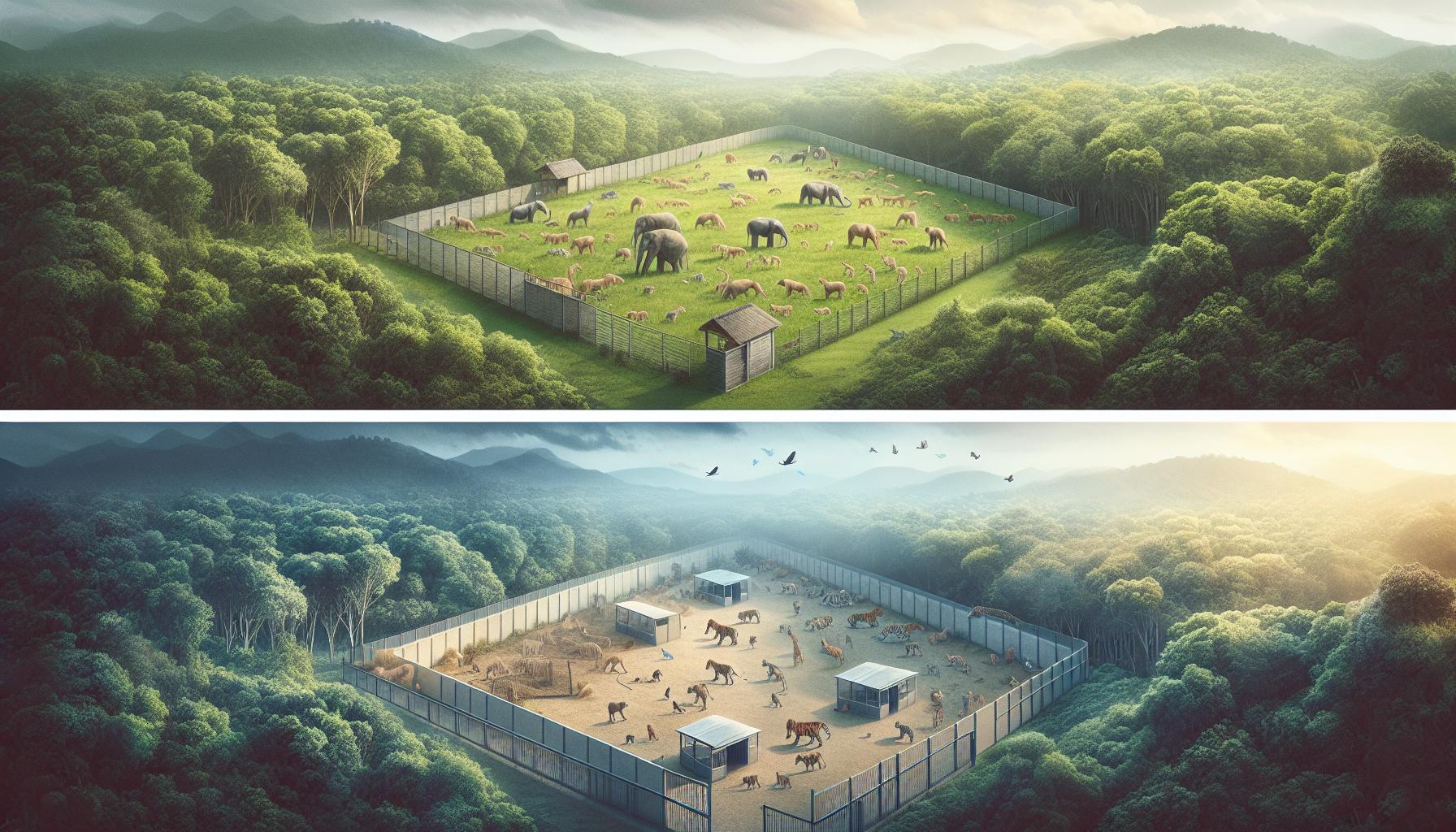
The Role of Rehabilitation in Wildlife Conservation
The journey of rehabilitation in wildlife conservation is both heartwarming and critical. Did you know that nearly 80% of the wild animals that enter rehabilitation facilities each year are the result of human-related incidents? These can include everything from vehicle strikes to illegal wildlife trade. Wildlife rehabilitation centers serve as vital lifelines, helping injured or orphaned animals recover with the ultimate goal of returning them to their natural habitats. This not only assists individual animals but also supports biodiversity and ecosystem health.
In rehabilitation, the focus is on providing a safe environment where animals can regain their health and learn the skills necessary for survival in the wild. Each species has unique needs; for example, raptors like eagles require large flight enclosures for exercise, while mammals such as raccoons thrive in environments that encourage natural foraging behavior. Rehabilitation centers often collaborate with veterinarians to ensure proper medical care and rehabilitation techniques tailored to each species. The process may include behavioral training, where animals learn to hunt, forage, and recognize natural predators-all skills critical for life outside.
However, the success of rehabilitation doesn’t stop at individual animals. It is also about addressing the broader issues that lead to wildlife injuries and orphaned animals. Many facilities engage in public education and outreach programs aimed at reducing human-wildlife conflict and promoting coexistence. For instance, initiatives that teach communities how to create wildlife-friendly gardens or understand local regulations surrounding wildlife can significantly decrease the number of animals needing rescue.
Real-life success stories abound. The story of the California condor, nearly extinct in the 1980s, illustrates the importance of rehabilitation and captive breeding programs. Through dedicated conservation efforts and rehabilitation tactics, this majestic bird has been brought back from the brink and now sees increasing numbers in the wild. Each success not only brings hope for species revival but also strengthens our collective commitment to preserving the precious biodiversity of our planet.
Ultimately, rehabilitation in wildlife conservation emphasizes the interconnectedness of human and animal welfare. It challenges us to reflect on our role in the ecosystem and encourages responsible stewardship of the environments we share with these amazing creatures. The more we protect and rehabilitate wildlife, the richer our world becomes.
Public Perceptions of Exotic Animal Keeping
People have always been fascinated by the idea of owning exotic pets, drawn in by their unique appearances and behaviors. However, this allure often collides with serious ethical considerations about animal welfare and conservation. Public perceptions surrounding the keeping of exotic animals are varied and can significantly influence the conversation about the pros and cons of captivity.
The rise of social media has amplified both positive and negative viewpoints. On one hand, platforms like Instagram and TikTok showcase exotic animals in homes, sparking interest and fascination. Enthusiasts often share stunning images and videos, presenting their pets as loving companions. This visibility has led to increased demand for unusual species like sugar gliders or ball pythons, where owners see these animals as extensions of their lifestyle rather than as beings with complex needs.
Conversely, there is a growing awareness and concern about the ethical implications of keeping exotic animals. Documentaries and wildlife advocacy campaigns illuminate the harsh realities many of these creatures face in captivity, including unsuitable living conditions, stress from confinement, and the potential to exacerbate over-exploitation in the wild. People become more informed about the requirements of these animals and the difficulty of replicating their natural habitats, leading to calls for stricter regulations and better education for potential pet owners.
Moreover, the debate often reflects deeper cultural attitudes toward wildlife. In some societies, there is a long-standing tradition of keeping exotic animals as status symbols, while in others, there is a strong advocacy for animal rights and conservation. As educational efforts grow, more individuals are beginning to view exotic animals through the lens of biodiversity conservation. They see the importance of supporting sanctuaries rather than perpetuating practices that can lead to exploitation and suffering, prompting a shift in how society perceives and interacts with wildlife.
Ultimately, understanding public perception is crucial in addressing the challenges associated with exotic animal keeping. Engaging with communities, sharing accurate information, and fostering responsible ownership can reshape views and promote ethical practices. By balancing fascination with respect for natural behaviors and habitats, enthusiasts can contribute to a more informed dialogue about exotic pets.
Success Stories: Captive Breeding and Release
In the realm of conservation, captive breeding and release programs have emerged as vital lifelines for many endangered species. These initiatives highlight a hopeful narrative amidst the broader discussion about exotic animal captivity. For instance, the California condor, once on the brink of extinction with only 27 individuals left in the wild, has experienced a remarkable recovery due to dedicated breeding programs. By enabling biologists to meticulously select breeding pairs in controlled environments, over 500 condors now soar in the skies, thanks to successful reintroduction efforts. This story exemplifies how structured captive breeding can play a crucial role in maintaining genetic diversity and ensuring species survival.
Key Examples of Success
Many other species have benefitted from similar efforts. The Arabian oryx, a species declared extinct in the wild in the 1970s, now has thriving populations due to captive breeding programs in zoos. These oryx were reintroduced to their native habitats in Oman and other regions, showcasing how carefully managed breeding initiatives can restore species to their natural environments. The black-footed ferret, nearly obliterated by habitat loss and disease, has also seen a resurgence, thanks to breeding programs that have successfully increased their numbers from extinction in the wild. Today, thousands of black-footed ferrets roam thanks to these dedicated efforts.
Challenges and Learning Opportunities
While the success stories are encouraging, they also come with challenges. Not all species adapt well when reintroduced into the wild. For example, the return of the golden lion tamarin faced hurdles as these animals struggled to navigate their natural habitats due to a lack of experience. This emphasizes the importance of creating environments that closely mimic their wild conditions during the captive phase. Moreover, it highlights the ongoing need for research and field studies to prepare animals not just for release, but for successful survival in their original ecosystems.
Captive breeding programs not only endeavor to save species but also serve as educational platforms. They provide invaluable insights into animal behavior, genetics, and ecological dynamics. As more people witness the success of these programs, awareness and appreciation for wildlife conservation continue to grow, inspiring future generations to cherish and protect our planet’s diverse species. By focusing on stories of resilience and recovery, we foster a deeper understanding of the importance of maintaining biodiversity and respecting our roles as stewards of the earth.
Examining Cultural Attitudes Toward Exotic Pets
Cultural attitudes toward exotic pets are as varied as the animals themselves, often hinging on a blend of fascination, misunderstanding, and ethical considerations. In many societies, exotic animals function as status symbols or trendy companions, drawing attention with their vivid colors and unusual behaviors. For instance, owning a macaw or a sugar glider can denote wealth and an adventurous spirit, leading many to overlook the complexities involved in their care. This allure is often fueled by social media, where influencers showcase their unique pets, further glamorizing the idea of exotic ownership without conveying the responsibilities and challenges involved.
However, as awareness surrounding animal welfare grows, a significant portion of the population is starting to question these cultural norms. Documentaries and educational campaigns highlight the harsh realities of exotic pet ownership, such as the stress it imposes on animals that thrive in wild habitats. For example, keeping a Bengal tiger or a capuchin monkey in a domestic setting not only poses safety risks but can also be detrimental to the animals’ physical and mental health. Such discussions encourage prospective owners to consider not only their desire for an exotic pet but also the pet’s needs, which often include large spaces, complex diets, and social interactions that are impossible to replicate in captivity.
Moreover, cultural attitudes are beginning to shift from viewing exotic pets as accessories to recognizing them as sentient beings deserving of respect and proper care. Initiatives aimed at promoting responsible pet ownership are gaining traction, encouraging potential owners to research thoroughly before bringing an exotic animal into their home. This includes understanding species-specific care requirements and the legal implications of ownership. For instance, while some localities allow the ownership of certain species, others impose strict regulations, reflecting an increasing recognition of the ethical dilemmas associated with exotic animal keeping.
In regions where legislation is more progressive, there’s a growing emphasis on seeking alternatives like sanctuaries or zoos that prioritize conservation and education over entertainment. These institutions play a crucial role in reshaping public perception by providing safe environments for exotic animals while fostering appreciation and understanding among visitors. Programs that engage the community and promote wildlife conservation highlight the necessity of preserving natural habitats and the importance of biodiversity. As people become more informed about both the joys and responsibilities of caring for exotic animals, it paves the way for a more compassionate approach that respects wildlife while allowing for genuine educational interactions.
Faq
Q: Why do people keep exotic animals as pets?
A: People often keep exotic animals as pets for novelty, aesthetic appeal, and a desire for a unique companion. They may believe these animals display exotic beauty and can offer an interesting contrast to traditional pets, thus enhancing their social status or personal enjoyment.
Q: What are the psychological impacts of keeping exotic animals in captivity?
A: Keeping exotic animals in captivity can lead to stress and behavioral issues like pacing and aggression, as these animals often suffer from a lack of mental stimulation and natural social structures. Providing an environment that mimics their natural habitat can help alleviate some psychological distress.
Q: How do the needs of exotic animals differ from more common pets?
A: Exotic animals often have specific dietary, space, and social needs that differ greatly from common pets like cats and dogs. They may require specialized care and environments that replicate their natural habitats, which can be difficult to provide in a typical home setting.
Q: What regulations are in place for owning exotic animals?
A: Regulations vary by region but often require permits for ownership of exotic animals to ensure proper care and prevent illegal trade. Many regions have laws that prohibit the ownership of certain species to protect both the animals and public safety.
Q: How can we support conservation without keeping exotic animals?
A: Supporting reputable wildlife sanctuaries and conservation organizations can help. Donating time or resources, promoting awareness about habitat loss, and participating in sustainable practices can contribute significantly to conservation efforts without the need for keeping exotic animals in captivity.
Q: Are there ethical alternatives to keeping exotic pets?
A: Yes, ethical alternatives include visiting sanctuaries, volunteering at rehabilitation centers, or supporting zoos that focus on education and conservation. Engaging in these activities allows individuals to appreciate exotic animals while aiding their well-being in a responsible manner.
Q: What are the health risks associated with keeping exotic animals at home?
A: Health risks can include diseases that are zoonotic, meaning they can transmit from animals to humans, such as salmonella or tuberculosis. Moreover, providing inadequate care can lead to poor health outcomes for the animals themselves, making informed ownership critical.
Q: How can understanding animal behavior improve the conditions for exotic pets?
A: Understanding animal behavior is crucial as it helps owners create environments that cater to the instinctual and social needs of these animals. By observing natural behaviors, owners can implement changes that promote welfare and reduce stress, creating a more suitable home environment.
To Wrap It Up
As we’ve explored, the debate on whether exotic animals should be kept in captivity is both complex and vital. By weighing the pros and cons, we can appreciate the importance of responsible ownership and the emotional and ethical implications involved. Whether you’re an animal lover or a prospective exotic pet owner, understanding their natural behaviors and needs is essential.
If you’re interested in more insights, check out our articles on the best practices for caring for exotic pets and the impact of captivity on animal behavior. Join the conversation by sharing your thoughts in the comments below, or subscribe to our newsletter for updates on wildlife conservation efforts and more intriguing discussions. Together, we can advocate for informed decisions that prioritize animal well-being and conservation. Let’s continue exploring the wonders of the animal kingdom, and consider how we can support creatures both in the wild and in our homes!
Get our latest guides, news, and insights highlighted in your Google Search & AI Overviews.










