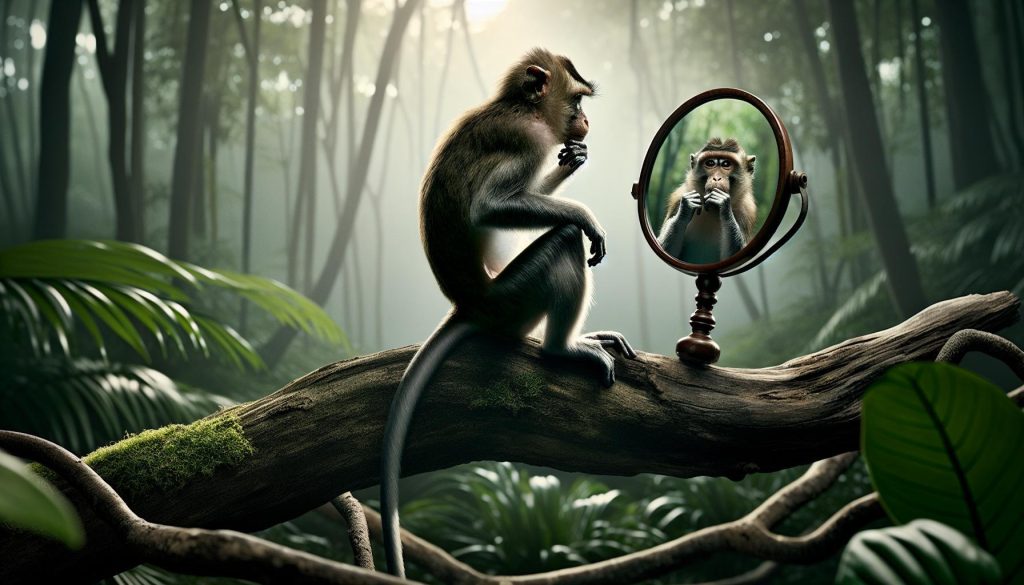
Did you know that some species of monkeys exhibit intelligence comparable to a human toddler? Understanding monkey intelligence is not just an academic pursuit; it helps us appreciate the complexity of these incredible animals. From problem-solving and tool use to social interactions, monkeys display a range of cognitive abilities that continue to intrigue researchers and wildlife enthusiasts alike.
In this article, we’ll delve into the fascinating world of primate intelligence, exploring the various ranking systems used to measure it and what these findings mean for conservation efforts and our understanding of animal behavior. Whether you’re a curious newcomer or a seasoned aficionado of wildlife, this exploration will unveil the remarkable mental faculties of our primate relatives and highlight the importance of their preservation. Join us as we uncover the remarkable IQs of monkeys and what they reveal about the brains of creatures that share our planet.
What Defines Intelligence in Animals?
The quest to understand intelligence in animals often brings us to fascinating places, especially when we look at primates like monkeys. Among the animal kingdom, intelligence is typically characterized by problem-solving abilities, social behavior, tool use, and adaptability. Researchers aim to dissect these characteristics to answer the age-old question: what truly defines intelligence in our fellow creatures?
One of the strong indicators of intelligence is the capacity for complex social interactions. Monkeys, for instance, are known for their intricate social structures, which require skills like cooperation, communication, and even deception. Their ability to form alliances and hierarchies is not just essential for survival but is also a reflection of cognitive capabilities that are quite advanced compared to many other species. Furthermore, monkeys demonstrate impressive problem-solving abilities, such as using tools to obtain food, which showcases their capacity to innovate and adapt.
Another essential aspect that defines intelligence is learning ability. Many species of monkeys can learn not just from their personal experiences but also by observing others. This observational learning exemplifies a higher cognitive function previously thought to be unique to humans. In addition, the emotional intelligence of monkeys, exhibited through empathy and social bonding, adds another layer to our understanding of their intellect-their ability to read emotions in one another and respond accordingly is a critical survival skill that demonstrates both intelligence and adaptability.
Ultimately, defining intelligence in animals is complex and multifaceted, particularly for species as socially intricate as monkeys. Recognizing these traits not only enhances our appreciation of their cognitive world but also underscores the importance of respecting and protecting their environments, as their intelligence can be a crucial element in their survival and adaptation to changing habitats.
Measuring Monkey Intelligence: Methods and Metrics
To gauge monkey intelligence, researchers employ a variety of methods and metrics that illuminate their cognitive prowess. One of the primary approaches is through problem-solving tasks, where monkeys are presented with puzzles that require manipulation of objects to reach a goal, such as obtaining food. For example, a simple task might involve using sticks to extract a banana from a tube. The speed and effectiveness with which they solve these challenges provide a direct measurement of their cognitive abilities.
Observational Learning
Another significant metric is observational learning. Monkeys are known for their ability to learn by watching others. This form of intelligence reflects a higher cognitive function. For instance, in studies where a monkey observes another successfully navigating a maze or using a tool to obtain food, the observer often adopts those techniques in subsequent trials. This capacity not only indicates intelligence but also the ability to adapt strategies based on the experiences of others-knowledge transfer is a key component of advanced cognition.
Social Intelligence Tests
Social intelligence is also crucial in measuring monkey IQ. Monkeys often engage in tasks that require understanding complex social cues and hierarchies within their groups. Tests that assess their responses to social interactions or their ability to cooperate within a group provide insight into their intellectual capacity. An example includes evaluating their responses in collaborative tasks, where success depends on mutual cooperation. These tests highlight not just intellectual capabilities but also emotional understanding, as navigating social dynamics requires a nuanced grasp of others’ emotions and intentions.
Standardized Tests and Metrics
To quantify intelligence across different species, researchers may utilize standardized tests similar to those used for humans. These tests can include a variety of cognitive challenges that assess memory, learning ability, and problem-solving skills. Results from such metrics allow scientists to compare IQ scores among different monkey species and other animals. Engaging the use of both qualitative and quantitative data provides a richer understanding of a monkey’s intelligence, shining a light on their cognitive complexities.
Assessing monkey intelligence is indeed a thrilling empirical endeavor, combining biology, psychology, and ethology. The insights gained from these studies not only enhance our understanding of these intelligent creatures but also inform conservation efforts by underscoring their complex needs and behaviors in the wild.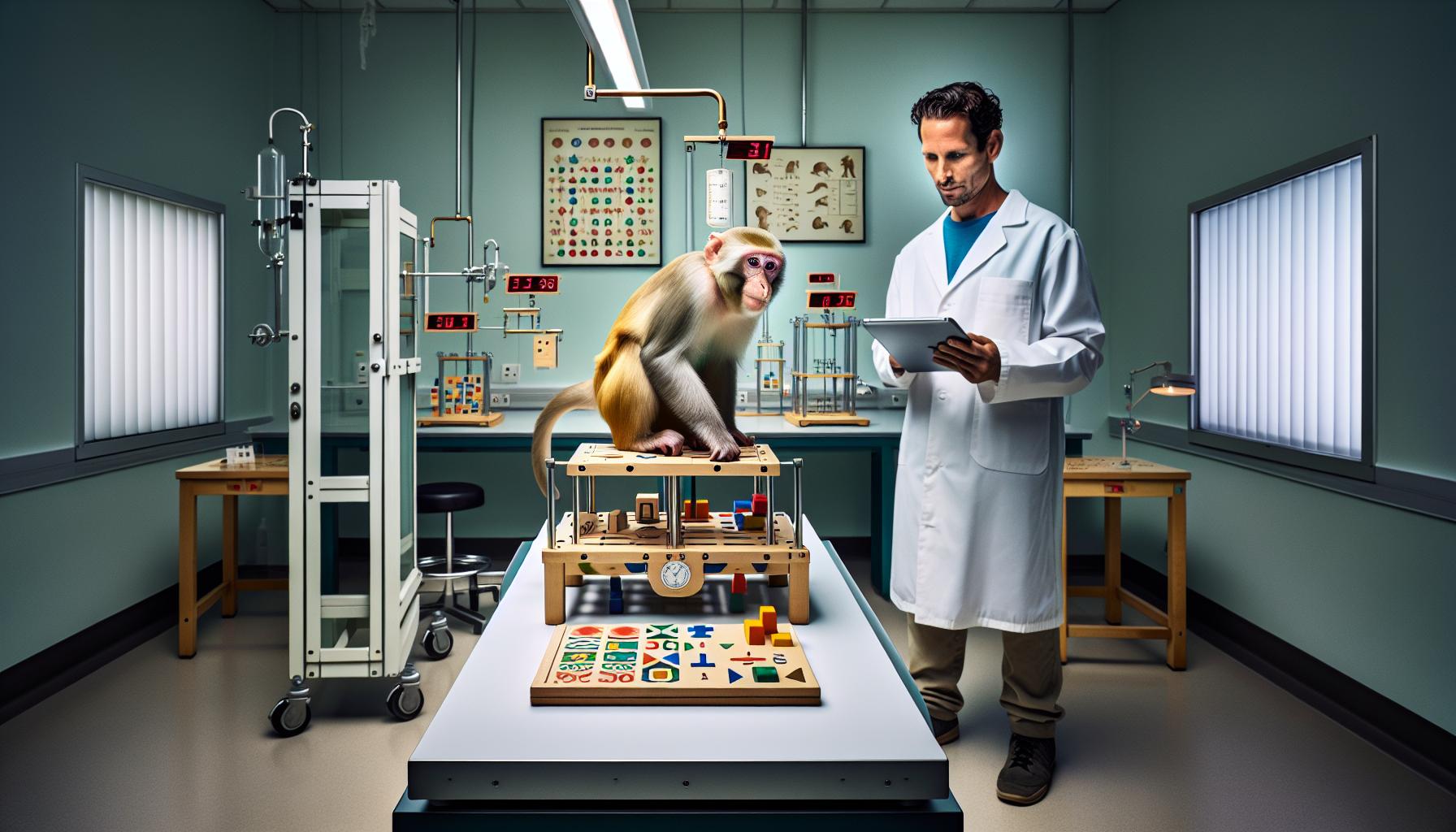
Comparative IQ Scores: Monkeys vs. Other Animals
Monkeys are often celebrated for their remarkable intelligence, which rivals that of many other animals and even some human traits. When comparing IQ scores, monkeys generally fall into a higher cognitive echelon, demonstrating advanced problem-solving skills, social intelligence, and the ability to engage in observational learning. For example, studies suggest that certain species of monkeys, such as capuchins and macaques, may score comparably to 4 to 5-year-old children on various cognitive tasks.
Monkeys vs. Other Primates
Within the primate family, monkeys frequently outperform their closer relatives, such as lemurs. Research indicates that Old World monkeys often exhibit better problem-solving and tool-use skills than their New World counterparts, as well as other primates. This is primarily due to the more complex social structures and environments they navigate. While lemurs can be highly adaptive, their intelligence tends to focus on survival rather than problem-solving, placing them lower on the cognitive scale.
Monkeys and Non-Primate Animals
When comparing monkeys to non-primate species, say dolphins or elephants, the results can vary remarkably depending on the type of intelligence being measured. For instance, dolphins are often noted for their impressive communication and problem-solving abilities, which some studies suggest may surpass those of monkeys. Elephants too exhibit strong emotional intelligence and learned responses that can rival those of monkeys in social settings. However, monkeys excel in tasks requiring manipulation and object-oriented problem-solving, showcasing their unique adaptability in environments where cognitive flexibility is vital.
Ultimately, while monkeys showcase exceptional intelligence, their ranking can fluctuate dramatically depending on the criteria used for measurement. The evaluation of IQ in animals is a complex endeavor, influenced not only by the specific skill sets of various species but also by the environments in which they thrive. Understanding these nuances reveals the rich tapestry of intelligence across the animal kingdom, emphasizing that IQ is just one aspect of cognitive capability.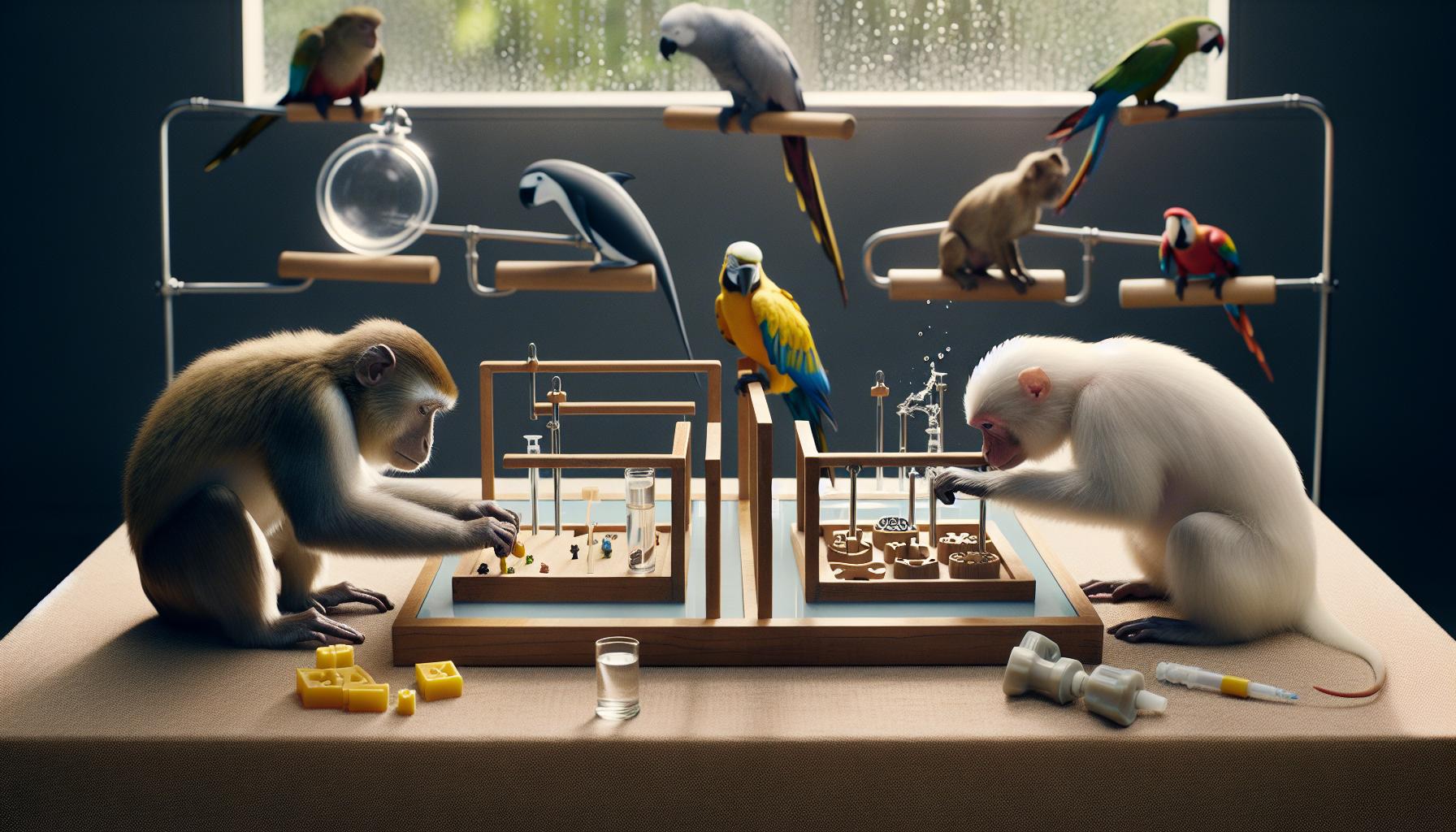
Understanding the Human-Monkey Intelligence Gap
The fascinating divide between human and monkey intelligence sparks endless curiosity. While monkeys exhibit impressive cognitive abilities-like solving puzzles and engaging in social learning-there remains a distinct gap when we compare their intelligence to human capabilities. This difference can be attributed to several factors, including brain structure, social complexity, and environmental influences.
Monkeys possess remarkable problem-solving skills, often demonstrated in experiments that test their ability to use tools or navigate complex tasks. For example, capuchin monkeys have been shown to favor tools that are most effective in reaching their goals, hinting at a level of foresight and planning. However, when it comes to abstract thinking, language, and complex emotional understanding, humans soar above. This disparity is partly due to the size and structure of the human brain, particularly areas associated with executive functions and emotional processing, which facilitate more advanced reasoning and social interactions.
Furthermore, the social environments in which monkeys live often emphasize survival and adaptability rather than abstract reasoning. Many species thrive in tightly-knit communities, utilizing social intelligence to navigate relationships and hierarchies. This social structure is crucial for their survival and impacts the way intelligence is expressed. In contrast, human society promotes technologies, arts, and sciences that rely on different cognitive skills, further widening the intelligence gap.
Understanding this gap not only satisfies our curiosity but also emphasizes the importance of respecting and protecting our primate cousins. Recognizing the unique intelligence of monkeys-and where it diverges from our own-can guide conservation efforts and enhance our appreciation for the rich diversity of cognitive abilities across species, reminding us that intelligence is multi-faceted and varies greatly in the animal kingdom.
Factors Influencing Monkey Intelligence Levels
The cognitive abilities of monkeys are influenced by a fascinating blend of factors that shape their intelligence. From species-specific traits to environmental factors, these elements create a rich tapestry of capabilities among different monkey populations. Brain structure plays a pivotal role; for example, New World monkeys, such as capuchins, exhibit advanced tool use and problem-solving skills, reflecting their brain anatomy designed for complex social interactions and environmental adaptations. Their cerebral cortex, associated with higher cognitive functions, is more developed than in many other animals.
Another significant factor is social complexity. Monkeys live in intricate social systems that demand a high level of interpersonal intelligence. The need to navigate hierarchies, form alliances, and engage in cooperative behaviors fosters cognitive skills that may not be as pronounced in solitary animals. Species like rhesus macaques demonstrate exceptional social learning, often observing and mimicking the behaviors of others to navigate challenges, showcasing a unique type of intelligence influenced by their social structures.
Environmental impacts cannot be overlooked, either. The variety of habitats monkeys occupy-from lush tropical forests to arid savannas-requires adaptability and innovation. For instance, some monkeys have been observed using specific tools available in their environment, such as stones or sticks, to obtain food. This adaptability highlights how residing in diverse ecosystems shapes their cognitive abilities, allowing them to problem-solve dynamically and effectively.
Lastly, individual experiences and upbringing significantly affect intelligence levels within monkey species. In captive settings or sanctuaries, monkeys raised in enriching environments with stimulating tasks often exhibit higher cognitive performance compared to those raised in more restricted conditions. Such findings underline the importance of environmental enrichment in facilitating and enhancing intelligent behaviors, emphasizing that a supportive and engaging environment can unlock the full cognitive potential of these remarkable animals.
Together, these factors reveal that monkey intelligence is not only a product of species but also a complex interplay of brain structure, social dynamics, environmental challenges, and individual experiences. As we continue to explore the intelligence spectrum in the animal kingdom, it becomes increasingly clear that supporting and protecting the environments where these intelligent creatures thrive is essential for their cognitive development and overall well-being.
Fascinating Examples of Smart Monkey Behaviors
In the vibrant world of monkeys, certain species have displayed astonishing intelligence that captivates researchers and animal lovers alike. For example, the capuchin monkey is renowned for its exceptional problem-solving skills and tool use. These small primates have been observed using stones to crack open nuts-an impressive demonstration of ingenuity in a natural setting. By selecting the right tool for the task, capuchins showcase not just physical dexterity but also a deep understanding of cause and effect, a hallmark of higher cognitive processes.
Another intriguing example is the rhesus macaque, which exhibits remarkable social intelligence. Within their complex groups, these monkeys employ sophisticated strategies for conflict resolution and social bonding. Researchers have noted that when faced with challenges, rhesus macaques will often engage in cooperative behaviors, such as grooming, to strengthen alliances-a behavior that highlights their understanding of social dynamics and relationships. This ability to learn from each other and adapt behaviors accordingly indicates a form of intelligence that goes beyond mere survival.
Furthermore, the tufted capuchin has shown not only tool use but also a unique type of behavioral flexibility. These little primates can often adapt their strategies based on resource availability and social context. For instance, they may modify their foraging techniques when different fruits are in season, demonstrating an acute awareness of their environment and available resources. This adaptability is indicative of their cognitive capabilities, which enable them to thrive in varying ecological niches.
Beyond mere anecdotal evidence, studies continuously illustrate that intelligence in monkeys is a multifaceted trait influenced by various factors, including their environment and social structures. The more we learn about these fascinating creatures, the clearer it becomes that their intelligence is not just a reflection of their brain size but a dynamic interplay of behavior, social interaction, and adaptation.
The Role of Environment in Monkey Intelligence
The natural habitat of monkeys plays a crucial role in shaping their intelligence and problem-solving abilities. In environments rich in diversity and complexity, monkeys have the opportunity to develop advanced skills that are essential for their survival. For instance, species like the capuchin monkey, which reside in dense forest ecosystems, exhibit remarkable dexterity and creativity when it comes to finding and using tools. Their ability to crack open nuts with stones is not just a random skill; it demonstrates their capacity to manipulate objects in a specific context, adapting their behavior to meet environmental demands.
Some monkey species, such as the baboon, thrive in savannahs where they need to navigate a landscape filled with predators and competition for food. This high-stakes environment has fostered a level of social intelligence among baboons, leading them to form complex hierarchies and cooperative strategies. The need for social alliances and conflict resolution in these groups encourages cognitive skills that facilitate their survival. Their social structures are often reminiscent of human societies, highlighting how environmental pressures can lead to advanced cognitive development.
In addition, the role of environment isn’t just about physical surroundings; it also includes social dynamics. Research shows that monkeys raised in enriched environments-those providing social interaction, mental stimulation, and variety-tend to display higher levels of problem-solving skills compared to those raised in more isolated, monotonous conditions. This emphasizes the importance of not only the external environment but also the social environment in fostering intelligence.
Understanding how various environmental factors contribute to monkey intelligence can inform conservation efforts and animal care practices. By recognizing the impact of habitat complexities and social structures on cognitive development, we can better appreciate the minds of these incredible primates and work towards preserving their natural environments. Protecting their habitats ensures they have the necessary conditions to thrive, both intellectually and socially.
Monkeys in Popular Culture: Smart or Stereotype?
Monkeys have captivated human imagination for centuries, often seen as the jester of the animal kingdom. These clever primates have appeared in countless films, cartoons, and books, often portrayed as quirky, mischievous, and highly intelligent beings. From Curious George to The Jungle Book, their representation has ranged from comedic to wise, but this raises an important question: are these portrayals a fair reflection of their intelligence, or are they merely stereotypes?
In the realm of popular culture, monkeys frequently symbolize intelligence and adaptability. For instance, in movies like Rise of the Planet of the Apes, the portrayal of intelligent apes challenges viewers to reconsider the boundaries of intelligence across species. These representations often highlight real scientific findings-monkeys are indeed skilled problem solvers and learners. Capuchin monkeys, for example, are known to use tools in the wild, showcasing behaviors that suggest a level of cognitive complexity not far removed from that of young human children. This depiction, however, can skew public perception, leading to the assumption that all monkeys possess similar levels of intelligence and that they act solely based on cleverness rather than instinct or social structure.
Yet, not all representations are flattering or accurate. Often, monkeys are used in entertainment settings, where their intelligence is trivialized for humor’s sake. This can perpetuate stereotypes that reduce these complex beings to mere circus performers or silly characters in children’s shows. Such portrayals ignore the serious social structures, emotional depth, and environmental intelligence that many monkey species, like the gelada and the chimpanzee, actually exhibit. Their intelligence is nuanced and can be context-dependent, influenced by their habitats and social interactions.
Ultimately, understanding the various portrayals of monkeys in media invites us to reflect on how we view intelligence itself. While these depictions can be entertaining and educational, they also hold the potential to misinform. By recognizing both the richness of monkey intelligence and the impact of cultural narratives, we can appreciate these creatures for their true complexity. This understanding is crucial, especially when considering conservation efforts. Protecting their natural habitats and ensuring they thrive in the wild means respecting their true intellect and social nature, rather than reducing them to caricatures on a screen.
Implications of Monkey Intelligence on Conservation Efforts
Monkeys exhibit cognitive abilities that can challenge our assumptions about intelligence in the animal kingdom. Recognizing their intelligence has significant implications for conservation efforts, especially as threats to their natural habitats escalate. When we understand monkeys as complex beings with rich social structures and problem-solving skills, it becomes clear that protecting them goes beyond mere habitat preservation-it involves safeguarding an entire intelligent ecosystem.
One critical aspect of conservation is understanding that intelligent species like monkeys can adapt to their environment to some extent. This adaptability means they often face unique challenges in a changing world, such as habitat destruction, climate change, and human encroachment. Conservation strategies must therefore take into account not only the physical environment but also the social and cognitive needs of monkey populations. For example, preserving social groups and allowing for natural behaviors, like tool use or foraging techniques, are essential for their emotional and cognitive well-being.
Furthermore, the role of education and awareness cannot be overstated in these conservation efforts. By sharing knowledge about monkey intelligence, we can foster appreciation and respect for these animals, encouraging local communities and governments to prioritize their preservation. Programs that promote ecotourism can highlight the fascinating intelligence of monkeys, while also providing economic benefits to local populations. Effective conservation initiatives often involve engaging communities and demonstrating the value of preserving these intelligent creatures, which in turn enhances biodiversity and ecosystem health.
Finally, as we advocate for monkey conservation, ethical considerations come to the forefront. Research involving monkeys must be conducted responsibly, keeping in mind their sentience and societal structures. Ethical research not only ensures the welfare of the animals but also contributes valuable data that can inform conservation practices. By prioritizing the intelligent nature of monkeys in our conservation efforts, we not only protect their habitats but also ensure the survival of their incredible cognitive legacies for future generations.
Ethical Considerations of Intelligence Research in Monkeys
Understanding the intelligence of monkeys opens a fascinating window into their lives and the ethical responsibilities that come with studying them. Monkeys, with their remarkable cognitive abilities that rival those of young children, require researchers to adopt ethical frameworks that prioritize their welfare. Conducting intelligence research in monkeys should go beyond curiosity about their IQ and delve into responsible practices that respect their sentient nature and complex social structures.
To ensure ethical standards are met, researchers must prioritize humane treatment in their methodologies. This includes minimizing stress and potential harm during experiments. A common ethical guideline is the “Three Rs”: Replacement, Reduction, and Refinement. This means seeking alternatives to using live monkeys when possible, minimizing the number of subjects used, and improving experimental procedures to lessen suffering. For example, non-invasive observational studies can yield valuable cognitive insights without intruding on the animals’ natural behaviors.
Another critical consideration is the context in which intelligence research is conducted. Monkeys exist within rich social networks, and studies that disregard their natural habitats and social dynamics can lead to misleading conclusions. Research designs should incorporate these environmental and social factors, ensuring that findings genuinely reflect monkey intelligence rather than artificial lab conditions. The significance of social learning, for instance, is paramount; monkeys learn from one another through complex interactions, which should be acknowledged in any intelligence ranking system.
Moreover, transparency in research findings and their implications for conservation are crucial. Ethical research should contribute to our understanding of monkey intelligence in ways that inform their protection. By recognizing the intelligence of these animals, researchers can advocate for policies that not only support conservation efforts but also promote awareness and respect for their cognitive capabilities. This interconnectedness emphasizes the need to treat monkeys as not only subjects of study but as fellow beings deserving of dignity, care, and a voice in conversations about their future.
In summary, with the growing recognition of monkeys’ intelligence comes a profound responsibility. Ethical considerations in intelligence research are vital to ensure that our pursuit of knowledge about these remarkable animals contributes positively to their welfare and conservation. By prioritizing humane treatment, contextual awareness, and transparency, we can foster a deeper appreciation for these intelligent beings and advocate effectively for their preservation.
Tips for Caring for Intelligent Monkeys as Pets
Caring for monkeys as pets is a unique and challenging endeavor. These intelligent animals possess complex social needs and cognitive abilities that make them captivating companions, yet they also require dedicated and informed caretakers. When considering welcoming a monkey into your home, it’s essential to grasp not just their physical needs but also their mental stimulation requirements. Just like young children, monkeys thrive on interaction, learning, and enrichment.
To create a suitable environment for your pet monkey, you should provide a spacious habitat that mimics their natural setting. Monkeys are naturally active and require ample room to climb and explore. A safe, secure enclosure with various levels, ropes, and branches encourages exercise and mimics their arboreal lifestyle. Additionally, offering toys that challenge their intellect-such as puzzles or interactive feeders-can help engage their minds and prevent boredom, which is crucial for their well-being.
Regular social interaction is vital for monkeys. They are inherently social creatures and can become depressed or aggressive if isolated. Spend time playing, grooming, and engaging in activities that stimulate their learning and social instincts. Consider partnering with an experienced primate behaviorist or joining forums with other monkey owners to share advice and strategies for providing a stimulating environment.
It’s also essential to educate yourself about the dietary needs of your specific monkey species. A varied diet that includes fresh fruits, vegetables, and appropriate proteins will support their health and cognitive function. Regular vet check-ups are a must, as monkeys can suffer from health issues similar to humans, and preventive care is vital.
In summary, caring for a monkey requires serious commitment and knowledge. By creating a stimulating environment, ensuring regular social interaction, and maintaining proper health care, you can foster a loving and enriching relationship with your intelligent pet. Remember, these remarkable creatures are not just pets but complex beings that deserve the best possible care and understanding.
Faq
Q: What is the average IQ of a monkey?
A: The average IQ of a monkey varies among species, but it is generally estimated to be between 40 to 60 on the human IQ scale. This measure reflects their problem-solving abilities and cognitive skills in comparison to other animals. Understanding these figures can help us appreciate the intelligence spectrum in primates.
Q: How do researchers measure monkey intelligence?
A: Researchers measure monkey intelligence using various methods, including problem-solving tasks, memory tests, and social learning assessments. These approaches help determine their cognitive abilities by observing how they interact with their environment and solve challenges.
Q: Can monkeys learn to use tools?
A: Yes, monkeys can learn to use tools, demonstrating advanced cognitive abilities. For instance, chimpanzees, which are closely related to monkeys, use sticks to extract termites from mounds, showcasing their problem-solving skills. This behavior highlights their adaptability and intelligence in natural settings.
Q: Which monkey species is considered the smartest?
A: The Capuchin monkey is often regarded as the smartest monkey species due to its ability to use tools, learn from others, and demonstrate complex social behaviors. Their intelligence in navigating challenges sets them apart from other primate species.
Q: How does monkey intelligence compare to apes?
A: Monkey intelligence is generally lower than that of apes, such as chimpanzees and orangutans. While monkeys excel in social communication, apes show greater problem-solving skills and tool usage, illustrating a broader cognitive range among primates.
Q: What role does environment play in monkey intelligence?
A: Environment significantly influences monkey intelligence. Monkeys in rich, complex habitats often exhibit higher cognitive abilities compared to those in captivity or simplified conditions. Access to diverse challenges fosters their problem-solving skills and adaptability.
Q: Do monkeys have emotions similar to humans?
A: Yes, monkeys experience a range of emotions similar to humans, including joy, sadness, and empathy. Their emotional intelligence contributes to their social structures and interactions, highlighting the complex emotional lives of these primates.
Q: Are there ethical concerns related to studying monkey intelligence?
A: Yes, ethical concerns arise when studying monkey intelligence, particularly regarding conservation and welfare. Researchers must balance the need for scientific insights with the potential stress and harm to monkey populations involved in studies.
Closing Remarks
As we wrap up our exploration of monkey intelligence rankings, it’s clear that these remarkable creatures possess a mind-boggling array of cognitive skills that can rival our own in some respects. From problem-solving abilities to social interactions, monkeys showcase an intelligence that deserves admiration. If you found this topic fascinating, consider diving deeper with our articles on “Comparative Animal Intelligence” and “The Social Lives of Primates.”
Don’t miss out-subscribe to our newsletter for more captivating insights and fun facts delivered directly to your inbox! Questions or thoughts about monkey IQ? Leave a comment below; we love hearing from fellow animal enthusiasts! Your next adventure into the animal kingdom awaits, so let’s keep exploring together. Remember, knowledge is the key to wildlife conservation, and every click helps foster a deeper appreciation for our furry friends.
Get our latest guides, news, and insights highlighted in your Google Search & AI Overviews.