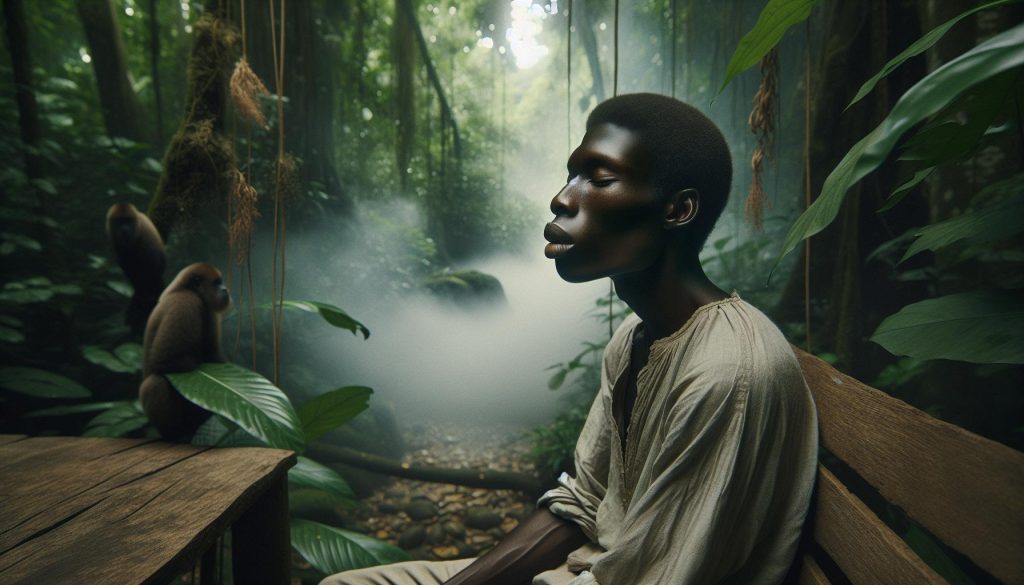
Howler monkeys are renowned for their distinctive and powerful vocalizations, which can travel over three miles through dense forests. These primates use their haunting calls not only to communicate with one another but also to define their territory. If you’ve ever wondered what it’s like to hear these majestic creatures in the wild, you’re in for a treat! Understanding howler monkey sounds offers insights into their social structure and habitat, captivating wildlife enthusiasts and casual readers alike. Curious to learn more about what a howler monkey sounds like? Join us as we explore the fascinating audio world of these incredible animals, uncovering the significance behind their vocalizations and what they reveal about their lives in the wild.
What Makes Howler Monkeys Unique?
Howler monkeys are truly remarkable creatures, and their uniqueness stems from a combination of fascinating physical traits and behaviors. One standout feature is their incredible vocalization ability. They possess an enlarged hyoid bone-essentially a bone in the throat-that acts like a resonating chamber, allowing them to produce their signature loud howls that can be heard from miles away. This impressive vocal skill not only serves as a means of communication but also plays a crucial role in marking territory and strengthening social bonds within their groups.
In addition to their vocal prowess, howler monkeys are known for their adaptability to the arboreal lifestyle of rainforests. With prehensile tails that allow them to grasp branches, they are adept at maneuvering through the tree canopy. Their striking fur, typically black or brown depending on the species, helps them blend into their lush surroundings. This camouflage is vital for evading predators and maintaining their stealth while foraging for leaves, fruits, and flowers, which make up their diet.
Howler monkeys also display complex social structures, typically living in groups that vary in size. Their social interactions are rich and nuanced, characterized by grooming behaviors, playfulness, and vocal exchanges. These interactions not only reinforce social hierarchy but also foster close bonds among group members. Moreover, howler monkeys often engage in synchronized howling sessions, creating a captivating soundscape that echoes through their forest homes. This combination of vocal abilities, physical adaptations, and social behaviors makes howler monkeys a truly unique and fascinating subject of study in the animal kingdom.
The Fascinating Sounds of Howler Monkeys
Howler monkeys are often referred to as the “roar of the rainforest,” a title that aptly captures their extraordinary vocalizations. These monkeys possess one of the most powerful and recognizable sounds in the animal kingdom, with howls that can carry up to three miles through dense jungle foliage. The secret behind their impressive vocal ability lies in their enlarged hyoid bone, which acts as a resonating chamber, amplifying their calls. This anatomical feature enables howler monkeys to produce a range of vocalizations, from deep, guttural growls to high-pitched howls and incessant barks, creating a symphony of sounds that define their habitats.
The sounds of howler monkeys serve multiple purposes within their social structures. Primarily, howling is a means of communication, allowing groups to maintain cohesion over vast distances. They often engage in synchronized howling sessions at dawn or dusk, which helps to establish territory and warn rival groups of their presence. This collective vocalization also plays a role in bonding among members of the troop; it’s a ritual that reinforces social ties and creates a sense of unity. For those curious about what these magnificent sounds actually entail, audio recordings of howler monkeys distinctly showcase the variation in pitch and intensity, painting a vivid picture of their interactive lives in the treetops.
Considering their role in the ecosystem, the sounds of howler monkeys also contribute to the overall soundscape of the rainforest, enriching the auditory experience of this biodiverse habitat. Imagine hiking through the lush green undergrowth when suddenly, the eerie, powerful howls reverberate around you, marking the territory of these incredible primates. This not only adds to the natural ambiance but highlights the interconnectedness of species within the tropical ecosystem. Their vocalizations, therefore, are not just beautiful to hear; they are essential for maintaining order and harmony within their complex social networks.
Understanding howler monkey sounds provides not just insight into their behavior but also fosters an appreciation for the rich tapestry of life in rainforests. Whether you’re a wildlife enthusiast or simply curious about nature’s wonders, listening to these calls can evoke a sense of adventure and connection to the wild.
Why Do Howler Monkeys Howl?
Howler monkeys are renowned for their haunting, powerful howls that echo through the dense forests of Central and South America, but why do these remarkable primates vocalize in such an extraordinary manner? The answer lies in a complex interplay of communication, social bonding, and territorial behavior.
Firstly, howler monkeys use their vocalizations primarily as a means of communication. The unique structure of their vocal cords and the enlarged hyoid bone allow them to produce sounds that can travel up to three miles, making it an essential tool for maintaining contact across the vast expanses of their rainforest habitat. When a howler monkey howls, it’s more than just a call; it’s a message designed to alert other members of the troop or neighboring groups about their location. This is particularly vital in dense foliage, where visibility is often limited.
Moreover, howling serves a crucial role in establishing and defending territory. When a group of howlers congregates for a synchronized howling session-typically at dawn or dusk-they are not just vocalizing for the fun of it; they’re sending a clear signal to rival troops that they occupy this area. This auditory display not only helps prevent potential conflicts but also fosters unity within the group. The strength and vigor of their howls reinforce social bonds among troop members, creating a sense of solidarity and partnership essential for the survival of the group.
Additionally, the howls of these monkeys are an interesting blend of communication and expression. Different species of howler monkeys, such as the Black Howler or the Red Howler, possess distinct vocalizations that further facilitate social interactions and species identification. For instance, a lower pitch may convey deeper, more assertive warnings, while a higher pitch might indicate excitement or alertness. By tuning into these variations, listeners can learn much about the emotions and intentions of these charismatic primates.
In conclusion, howler monkeys howl not just to make noise, but as a vital aspect of their social structure and lifestyle. Their vocalizations anchor their connections to one another and to their environment, making them a significant thread in the intricate tapestry of rainforest life. Observing and listening to howler monkeys in the wild offers an exhilarating experience, inviting all nature enthusiasts to appreciate the rich sounds that define these incredible animals and their lush habitats.
Different Species of Howler Monkeys and Their Calls
The diverse species of howler monkeys each bring their own unique flair to the auditory landscape of the rainforest. Among the most notable species, the Black Howler Monkey (Alouatta caraya) stands out with its deep, resonant howl, often described as a thunderous roar. This vocalization can travel several kilometers, effectively marking its territory and communicating with other howler troops. The Black Howler is primarily found in areas of central and northern South America, ranging from Brazil to Argentina, and its distinctive call can be heard echoing through the trees, especially at dawn.
Another fascinating species is the Red Howler Monkey (Alouatta seniculus), known for its wide range of vocalizations that include not only howls but also barks and grunts. The Red Howler’s calls are typically higher pitched than those of the Black Howler, which allows them to convey a different array of messages within the dense foliage of their habitats in the Amazon rainforest. Their vocal versatility plays a crucial role in their social interactions, alerting group members to potential threats or the presence of food.
The Mantled Howler Monkey (Alouatta palliata) contributes to the symphony of sounds in the tropical forests of Central America with its unique vocal patterns, which are often characterized by a series of deep, melodic howls. These monkeys are particularly adept at using their howls in social bonding, often vocalizing together in a chorus to reinforce group cohesion and to fend off rivals. Their distinctive calls offer a fascinating audio experience for those exploring their habitats in countries such as Costa Rica and Honduras.
For those interested in experiencing howler monkey vocalizations, it can be beneficial to listen to various audio examples that showcase the differences in pitch and tone among species. Observing howler monkeys in the wild, especially during their early morning howling sessions, provides not only a glimpse into their behavior but also a deeper appreciation for the sounds that define their presence in the rainforest. Understanding these vocalizations can enhance your wildlife watching experience, making it a rewarding endeavor for both seasoned enthusiasts and newcomers to primate observation.
Howler Monkey Vocalizations: Audio Examples Explained
The distinctive vocalizations of howler monkeys are one of their most fascinating features, acting as a natural soundtrack to the lush rainforests they inhabit. You might first hear them before you see them; their howls can resonate over long distances, carrying through dense foliage and echoing through the canopy at dawn or dusk. These calls serve multiple purposes, such as marking territory, signaling alarm, or facilitating social bonding within their troops.
Each species has its own unique set of vocalizations that differentiate them even further. For instance, the Black Howler Monkey is known for its deep, resonant howls that can be mistaken for thunder. These powerful sounds not only establish territory but also create a sense of unity among group members. In contrast, the Red Howler Monkey utilizes a range of higher-pitched vocalizations, including howls, barks, and grunts, which allow them to communicate various emotional states or alert their troop to impending danger. Their varied tones and pitches help convey both urgency and social connection in the often chaotic sounds of the rainforest.
A wonderful way to immerse yourself in the world of howler monkeys is to explore audio examples of their calls. Listening to recordings can enhance the experience of observing these monkeys in the wild. For example, during a morning chorus, you might hear a mix of calls: the deep howl of the Black Howler combined with the melodic yelps of a Mantled Howler Monkey creates an impressive, harmonious soundscape that reflects their social lives.
If you’re eager to deepen your understanding of howler monkey vocalizations, consider spending time in their natural habitats, like the cloud forests of Central America or the vast Amazon rainforest. Engaging your senses to recognize the differences between the howls allows for a richer appreciation of these incredible primates. So, next time you hear a howler monkey, pay attention-their sounds are not just noise; they’re a fascinating peek into the lives of these remarkable creatures.
The Role of Howling in Howler Monkey Social Life
Sure! Here’s the requested content for the section:
The howls of howler monkeys resonate through the trees, not just as beautiful sounds echoing in the rainforest but as vital communication tools that shape their social structure. Howler monkeys are social animals that live in troops, and their howling serves many purposes crucial to their community dynamics. From reinforcing social bonds to maintaining group cohesion, vocalizations play a central role in their daily lives.
Howling is primarily a way for howler monkeys to signal their presence and coordinate with each other. When one member of the troop lets out a howl, it invites responses from others, creating a chorus that strengthens the group’s unity. This communal vocalization can signify that the troop is together and serves as a reminder of each member’s location, especially in dense foliage where visibility is limited. The powerful calls also function to intimidate rival troops, effectively marking territory and warding off potential invaders without requiring physical confrontation.
Social Hierarchy and Communication
In the intricate social fabric of howler monkeys, the vocalizations underscore the hierarchy within the troop. Dominant males often lead the howls, sending signals that reinforce their status. These powerful, deep tones can deter intruders and assert dominance over rivals, while softer, more varied sounds can reflect the interactions among troop members, such as playful exchanges or seeking reassurance from one another. The nuances in their vocalizations convey emotions and intentions that help build relationships among individuals.
Listening to a howler monkey troop in the early morning, you can experience this fascinating communication firsthand. The deep, resonant calls of the alpha males might be followed by a chorus of higher-pitched responses from females and younger monkeys, creating a dynamic soundscape that reflects the troop’s interactions. This rich vocal tapestry is not just noise; it’s a vital language that reveals a method of living, bonding, and thriving in the complex ecosystem of the rainforest.
Ultimately, the howling of howler monkeys offers a glimpse into their social lives, showcasing how these remarkable creatures communicate and connect with one another. For anyone keen on wildlife, understanding this auditory interaction enhances appreciation-not just for their calls but for the intricate social dynamics that underpin the lives of these enchanting primates. Listening for their howls in the wild can be a thrilling experience, allowing observers to witness the lively interactions that define their social worlds.
Howler Monkeys and Their Habitats: Soundscapes of the Rainforest
In the heart of lush rainforests across Central and South America, howler monkeys create vibrant soundscapes that embody their rich ecological and social lives. Their distinctive howls can be heard from miles away, piercing through the dense foliage and echoing above the cacophony of other wildlife sounds. These vocalizations not only serve as a form of communication but also help define their habitats, making them one of the most recognizable sounds of the jungle.
Living primarily in tropical rainforests, howler monkeys thrive in the treetops, where they feast on a diet of leaves, fruits, and flowers. Their unique adaptations allow them to navigate and inhabit the upper layers of these ecosystems. As a result, their sounds resonate through this green cathedral, blending with the rustle of leaves and the calls of birds, making their presence known. The iconic howling not only marks their territory but also acts as a social glue within their troops, creating a melodic harmony that binds them together.
The distinctive howls of howler monkeys vary in pitch and intensity depending on the species and their social context. For example, black howler monkeys produce a deep, guttural roar that reverberates through the trees, while the smaller red howlers emit higher-pitched calls that create a different auditory texture in the forest soundscape. These variations contribute to the complex symphony of the rainforest, where different animal calls intertwine, painting a living picture of animal communication and interaction.
Listening to these remarkable primates in their natural habitat offers a unique opportunity to experience the vibrant soundscapes of the rainforest. For wildlife enthusiasts, this auditory spectacle is a reminder of the intricate relationships between animals and their environments. Howler monkeys not only enrich the biodiversity of their habitats but also provide observers with a fascinating insight into the ecological tapestry that forms the backbone of the rainforest ecosystem. Every howl, every call, is a note in the symphony of life where conservation and education intertwine, reminding us of the importance of preserving these enchanting soundscapes for future generations.
Conservation Status: Protecting Howler Monkey Habitats
In the voices of howler monkeys lies a poignant reminder of the fragile state of our rainforests. These magnificent creatures, renowned for their distinct vocalizations that can carry for miles, depend on lush habitats that are increasingly threatened by human intervention. The conservation status of howler monkeys is alarmingly precarious; many species face habitat loss due to deforestation, agricultural expansion, and urban development. Protecting their environment is essential not only for their survival but also for the health of the entire rainforest ecosystem.
To contribute to conservation efforts, it’s vital to understand what makes rainforests so important. These ecosystems are not just home to howler monkeys but also a stunning array of wildlife. They play a crucial role in carbon sequestration, regulate climate, and host countless species. Since howler monkeys are considered indicator species, their health reflects the broader condition of their ecosystem. When their howls start to fade, it signifies deeper problems within their habitat.
Community engagement is essential for successful conservation initiatives. Local groups often lead the charge in protecting howler monkey habitats by promoting sustainable land-use practices. Educating communities about the benefits of maintaining forests-not only for wildlife but for clean air and water-can lead to more sustainable interactions with these vital ecosystems. Responsible ecotourism can also provide financial incentives for local communities to preserve rather than exploit their natural resources.
To help protect the enchanting sounds of the rainforest, individuals can get involved in various conservation programs or support organizations that focus on habitat preservation. By raising awareness, funding research, and advocating for sustainable practices, we can ensure that future generations will also experience the remarkable calls of howler monkeys echoing through vibrant, thriving rainforests. Creating a harmonious balance between human activity and wildlife preservation is crucial for the survival of these extraordinary primates and the rich biodiversity of their habitats.
How to Experience Howler Monkeys in the Wild
Imagine standing in a lush rainforest, the air thick with humidity and the vibrant sounds of nature all around you. Suddenly, a resonant call pierces the stillness, echoing through the trees. That’s the unmistakable sound of a howler monkey! To truly experience these fascinating creatures in their natural habitat, a little preparation goes a long way.
Timing is crucial when planning to observe howler monkeys. Early mornings and late afternoons are ideal, as these are the times when they are most active. Their haunting howls can often be heard miles away, serving as a call that resonates through the jungle. Arriving at your chosen location during these hours not only increases your chances of hearing their sounds but also spotting them as they move about the canopy.
When deciding where to go, destinations in Central and South America are your best bets. National parks such as Manuel Antonio in Costa Rica or Corcovado National Park are renowned for their biodiversity and provide excellent opportunities to see howler monkeys. Joining a guided tour can enhance your experience too; knowledgeable guides can point out monkey families, explain their behavior, and ensure that you remain a respectful observer. Use binoculars to get a closer view without disturbing them, as howler monkeys can be sensitive to human proximity.
To truly appreciate their vocalizations, consider bringing audio recording equipment. Capturing their calls can create a lasting memory of your rainforest adventure. Many species within the howler family have distinct vocalizations, which can vary significantly depending on their geographic location. This means you may hear a variety of sounds throughout your travels, each contributing to the rich soundscape of the rainforest.
Engaging with local conservation efforts can deepen your experience. Many organizations offer volunteer opportunities that focus on habitat preservation and wildlife protection, allowing you to contribute to the well-being of howler monkeys while learning firsthand about their environment. Remember, experiencing howler monkeys in the wild is not just about the sights and sounds; it’s also about fostering a connection with nature and advocating for the incredible ecosystems that house these magnificent primates.
Fun Facts About Howler Monkeys and Their Sounds
Howler monkeys are famous for their incredible vocal abilities, producing some of the loudest sounds in the animal kingdom. Their howls can be heard up to three miles away, echoing through the dense rainforests of Central and South America. This impressive vocalization comes from their specially adapted vocal cords and an enlarged hyoid bone, which acts as a resonating chamber, amplifying their calls. These monkeys often howl in the early morning or late afternoon, creating an immersive soundscape that is part of the vibrant tapestry of rainforest life.
One fascinating aspect of howler monkey sounds is their variation across species and regions. There are several species of howler monkeys, each with its unique call, allowing them to communicate effectively within their habitats. For instance, the mantled howler produces deep, guttural sounds, while the black howler’s call is a more high-pitched wail. This diversity not only aids in identification but also enhances the social interactions within groups. Their vocalizations play a key role in maintaining social structures, marking territory, and attracting mates.
While these sounds are captivating, their importance goes beyond mere communication. Howling serves as a rallying call, helping to reinforce group cohesion. When one howler starts to call, others may join in, creating a chorus that can signal their presence to other animals and potential threats. This behavior highlights their role in the ecosystem, as their calls help other rainforest inhabitants understand their movements and presence.
Want to experience the unique sounds of howler monkeys? Many wildlife enthusiasts recommend visiting natural habitats where these primates live, especially during their active periods. Consider recording their howls; the rich timbre and volume are often more awe-inspiring in person than through any recording. By immersing yourself in their world, you can truly appreciate the extraordinary auditory experience howler monkeys provide, making every rainforest visit a memorable one.
Howler Monkey Sounds in Popular Culture
The sounds of howler monkeys have captivated audiences far beyond the lush canopies of Central and South America. Their iconic howls, echoing through the rainforest, have been utilized in various forms of media, enchanting listeners and serving as a hallmark of wild environments in films, documentaries, and even video games. This auditory signature not only appeals to wildlife enthusiasts but has also permeated popular culture, where it often symbolizes the untamed spirit of nature.
In films, howler monkeys are frequently portrayed to create an atmosphere of primal wilderness. One of the most notable appearances is in the beloved animated movie “The Jungle Book,” where their vocalizations underscore the rich biodiversity of their jungle home. Documentaries, like those from the BBC’s “Planet Earth” series, showcase howler monkeys’ howls during their natural behaviors, allowing audiences to appreciate the complexity of their communication methods and social structures.
Additionally, the intriguing sounds of howler monkeys have found a place in the realm of video games and nature-inspired music. Game developers often incorporate their howls to enhance the immersive experience of forest settings, making players feel more connected to the wild. Similarly, musicians and sound designers might sample howler monkey calls to add an exotic flair to their tracks, bridging the gap between nature and art. This blending of sounds not only entertains but also raises awareness of the natural world, sparking curiosity about wildlife conservation.
In a world increasingly disconnected from nature, howler monkeys remind us of the beauty and significance of wilderness. Engaging with their sounds-whether through documentaries or in our own backyards-deepens our understanding of these remarkable creatures and emphasizes the importance of protecting their habitats for future generations. Listening closely to howler monkeys isn’t just an auditory experience; it’s a gateway to appreciating the delicate balance of our planet’s ecosystems.
Learning About Howler Monkeys: Resources for Enthusiasts
The enchanting calls of howler monkeys serve as one of nature’s vivid soundtracks, offering a unique insight into their behavior and habitat. For those eager to delve deeper into the world of these captivating creatures, there are several excellent resources available to enhance your understanding and appreciation of howler monkeys and their vocalizations.
To begin exploring sounds of howler monkeys, consider listening to audio recordings available on platforms such as the Macaulay Library or Xeno-canto, where enthusiasts and researchers alike share a variety of vocalizations from different species. These sites not only provide high-quality audio but also informative notes about the context of the recordings, allowing you to hear how their howls change with the time of day or social interactions.
Engaging with Howler Monkey Sounds
For an interactive learning experience, podcasts and YouTube channels dedicated to wildlife also feature segments on howler monkeys. Programs such as the BBC’s “The Secret Life of Howler Monkeys” offer fascinating narratives that enhance your understanding of their habitat and social structure while showcasing their iconic sounds. Many educational documentaries, like those produced by National Geographic, include vivid visuals paired with rich audio, immersing you in the howler monkey’s world.
Books and Articles
Books such as “Howler Monkeys: An Introduction to Their Behavior and Ecology” provide a comprehensive look at these primates, including their vocal behaviors. Articles in wildlife journals often discuss specific research findings about their communication patterns, social significance, and environmental threats. Academic platforms like Google Scholar can be a great starting point to access such articles.
Conservation and Responsible Viewing
For those interested in seeing howler monkeys in their natural habitats, organizations like the World Animal Protection often provide resources on ethical wildlife tourism, ensuring you can enjoy observing these animals responsibly. Participating in guided eco-tours in places like Costa Rica or Belize not only gives you a chance to hear their famous howls but also supports local conservation efforts.
In summary, a wealth of resources exists for anyone interested in howler monkeys and their vocalizations. Engaging with recordings, educational videos, insightful readings, and responsible tourism not only enriches your knowledge but also fosters a deeper appreciation for these remarkable animals and the need to protect their habitats.
Frequently Asked Questions
Q: What does a howler monkey sound like?
A: A howler monkey produces loud, deep, and guttural howls that can be heard up to three miles away. Their vocalizations serve to communicate with other monkeys, marking territory and strengthening social bonds. These distinctive sounds are often described as a mix of growls and howls, creating a powerful auditory presence in the rainforest.
Q: Why do howler monkeys howl at night?
A: Howler monkeys howl at night primarily to establish their territory and communicate with their troop. The sound serves as a warning to other howler monkeys to stay away, and it reinforces social bonds among the group members. This behavior is essential for their survival in the dense forests where they live.
Q: How do howler monkeys communicate through their sounds?
A: Howler monkeys use vocalizations not only for territorial claims but also for social interactions within their group. Different pitches and rhythms convey various messages, such as alarm calls or mating signals. Understanding these nuances helps in studying their social structure and behavior.
Q: Can howler monkeys control the volume of their calls?
A: Yes, howler monkeys can control the volume and pitch of their calls. They can vary the intensity of their vocalizations depending on the context, such as during disputes with neighboring groups or while interacting with their troop. This adaptability helps them maintain their communication effectively in the diverse sounds of the rainforest.
Q: What are the different types of howler monkey calls?
A: Howler monkeys produce several types of calls, including long howls for territory marking, shorter growls for intimate communications, and alarm calls for indicating danger. Each type serves a unique purpose in their social interactions and survival strategies, emphasizing their complex communication system.
Q: How can I listen to howler monkey sounds?
A: You can listen to howler monkey sounds on wildlife websites or platforms like YouTube, where audio clips are available. Many educational resources also provide recordings that showcase their unique vocalizations. Hearing their howls can enhance your understanding of their behavior in the wild.
Q: How do howler monkeys’ sounds change with different species?
A: Different species of howler monkeys exhibit variations in their vocalizations, including pitch and rhythm. For example, the Black howler produces a more guttural sound compared to the Central American howler’s higher-pitched howls. These differences help them identify each other’s species and maintain social hierarchies.
Q: Why are howler monkeys important for rainforest ecosystems?
A: Howler monkeys play a vital role in rainforest ecosystems by contributing to seed dispersal through their diet of fruits and leaves. Their vocalizations also maintain the social structure of their groups, which is essential for their survival and the health of their habitat. Conserving their populations helps sustain biodiversity in the rainforest.
The Conclusion
Now that you’ve explored the fascinating sounds of howler monkeys, you might be curious about their behaviors and habitats. Did you know that their vocalizations can travel up to three miles through dense forests? Understanding these incredible creatures can deepen your appreciation for wildlife. If you enjoyed this audio description, check out our articles on other unique animal sounds, such as “The Serenade of the Wolves” and “Birdsong: Nature’s Melodic Wonders.”
Ready to learn more? Subscribe to our newsletter for the latest updates on wildlife species and their behaviors, or explore our interactive resources designed for curious minds like yours. Don’t forget to leave a comment below sharing your thoughts or any questions you may have! Your feedback helps us create even more engaging content, so let’s keep the conversation going.
Get our latest guides, news, and insights highlighted in your Google Search & AI Overviews.