Did you know that some monkeys have a surprisingly varied diet that can include meat? While many people envision monkeys munching on fruits and leaves, certain species also hunt and scavenge for protein-rich snacks. Understanding the dietary habits of these fascinating creatures isn’t just an interesting fact-it sheds light on their behavior, social structures, and their adaptation to diverse environments.
Whether you’re a wildlife enthusiast or simply curious about animal diets, exploring the meat-eating habits of monkeys can reveal important insights about their ecological roles and survival strategies. Join us as we dive into the intriguing world of primate diets, uncovering which species are more inclined to be carnivorous and why this aspect of their biology matters. Discover how these dietary choices influence their relationships with their environment, and get ready to appreciate the complexity of these incredible animals even more!
Do Monkeys Eat Meat? Understanding Their Dietary Preferences
Many people may be surprised to learn that monkeys, while often associated with a primarily herbivorous diet, actually display a range of dietary preferences that include meat consumption. This behavior can be particularly evident in certain species that are classified as omnivores, munching on everything from fruits and leaves to insects, small animals, and even carrion when the opportunity arises. The dietary habits of monkeys are as diverse as the species themselves, shaped by their environments, available resources, and social structures.
Among the many factors influencing a monkey’s choices, social dynamics and learned behaviors play a significant role. For instance, some primate species are known for hunting together, demonstrating complex social interactions during feeding. These behaviors not only ensure a successful hunt but also reinforce social bonds within their troops. Moreover, certain monkey species like the capuchin are observed using tools to access food, which may sometimes include breaking open shells of crabs or nuts, showcasing their problem-solving abilities and adaptability.
Environmental conditions can also dictate whether monkeys will include meat in their diets. In regions where fruit is scarce, monkeys may turn to more opportunistic feeding behaviors, highlighting their flexible dietary preferences. This adaptability is crucial for their survival, especially in changing landscapes where resources fluctuate seasonally. Such dietary shifts not only provide insight into the species’ survival strategies but also emphasize the importance of habitat conservation, as the availability of different food sources can directly impact their dietary habits and overall health.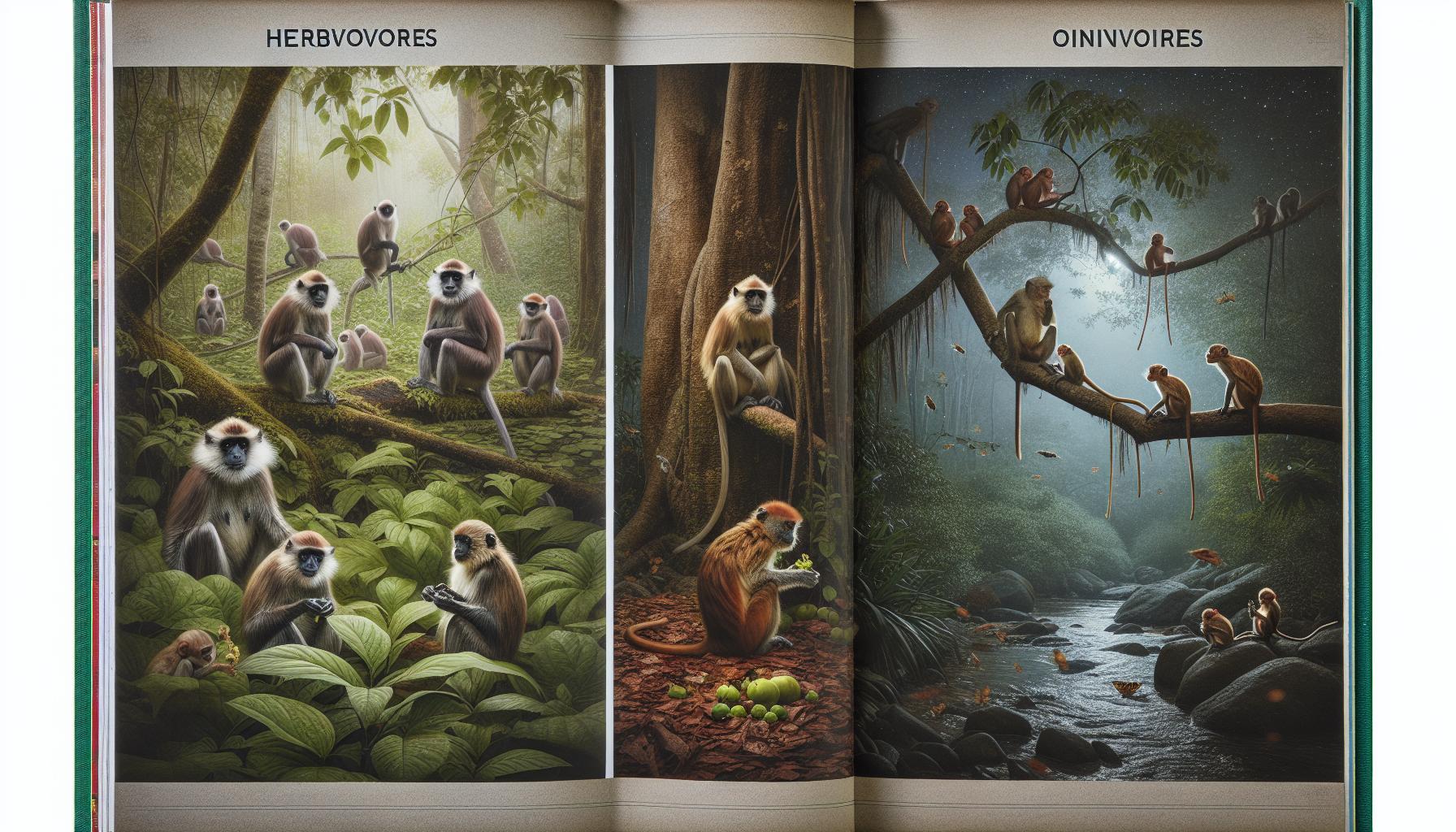
Types of Monkeys: Herbivores, Omnivores, and Carnivores
Monkeys display a remarkable diversity in their dietary preferences, and understanding these can offer insights into their adaptability and behavior. Most monkeys are classified as either herbivores, omnivores, or carnivores based on their primary food sources. Herbivorous monkeys, such as howler monkeys, primarily consume leaves, fruits, and flowers, thriving on the abundant vegetation found in their habitats. Their digestive systems are adapted to break down the cellulose in plant matter, allowing them to extract nutrients efficiently.
Omnivores, like capuchins and macaques, have a more varied diet that includes not only fruits and foliage but also insects, small animals, and even carrion when the opportunity arises. This adaptability not only enhances their survival chances in changing environments but also reflects their intelligence and social structure. For instance, capuchins have been observed using tools to crack open nuts or extract termites from their mounds, demonstrating both their problem-solving capabilities and the cultural knowledge shared among group members.
Carnivorous habits, while less common among monkeys, can be observed in species such as the Japanese macaque, which may occasionally hunt small animals or scavenge from larger predators. These instances highlight the flexibility within their diets, dictated by environmental availability and social dynamics. As food resources change seasonally and regionally, such variations in diet are crucial for the survival of different monkey species. Monkeys’ dietary habits are not static; they reflect a complex interplay between environmental pressures, learned behaviors, and social interactions, making them fascinating subjects of study for wildlife enthusiasts and conservationists alike.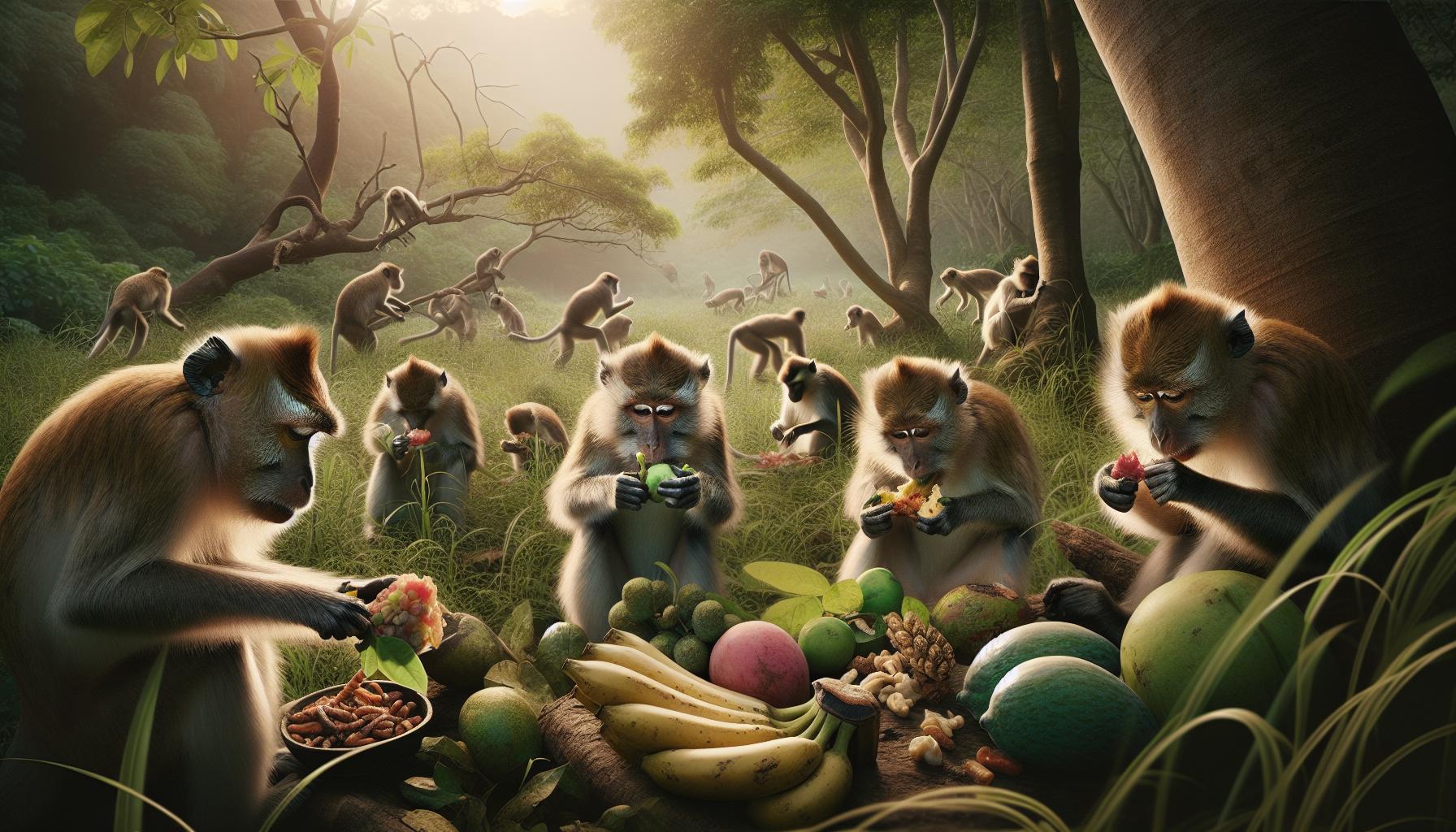
The Evidence: What Studies Reveal About Monkey Diets
Discovering the dietary habits of monkeys reveals intriguing insights into their adaptability and the complexities of their social structures. Research has shown that while many monkeys primarily consume plant-based diets, a significant number indeed engage in meat-eating behaviors, often influenced by environmental factors and social dynamics. For instance, studies have documented omnivorous monkeys, such as capuchins and macaques, regularly incorporating insects and small vertebrates into their diets.
One fascinating aspect of monkey diets is the documentation of tool use, particularly among capuchins. These clever primates have been observed using stones to crack open nuts or employing sticks to fish for termites, demonstrating not just dietary flexibility but also advanced problem-solving skills. This behavioral adaptability, supported by the ability to learn from one another, signifies that dietary choices can rapidly evolve based on the group’s shared knowledge and experiences.
Moreover, seasonal variations can profoundly impact food availability, compelling monkeys to adjust their diets. During certain times of the year, the abundance of fruits and foliage may decrease, prompting monkeys like the Japanese macaque to hunt for small animals or scavenge remains. This dynamic reflects not only the immediate ecological pressures but also the broader implications for survival strategies within their habitats.
Research into monkey diets doesn’t just unveil what these fascinating animals eat; it also emphasizes the importance of preserving their environments. Understanding how factors such as habitat destruction, climate change, and human interactions affect food sources is essential for the conservation of various species. As we continue to learn about their dietary adaptations, we gain critical insights into the ecosystems they inhabit and their overall survival in an ever-changing world.
Common Meat-Eating Monkeys: Species That Hunt and Forage
In the rich tapestry of the animal kingdom, monkeys exhibit diverse dietary habits, including a surprising penchant for meat. Among the various species, some have earned a reputation as adept hunters and foragers, showcasing behaviors that are not only fascinating but also crucial for their survival. For instance, the capuchin monkey is well-known for its cunning approach to diet. These lively primates will forage for insects, small reptiles, and even birds, employing simple tools to aid in their hunt. Their ability to crack open nuts or spear out insects from crevices highlights their resourcefulness.
Another notable meat-eating monkey is the macaque, particularly the Japanese macaque, which is famous for its adaptability. In the colder months, when fruits are scarce, these monkeys have been observed scouring their environments for small prey and carrion. This flexibility in diet allows them to thrive in diverse habitats, from snowy mountains to tropical forests. Their hunting strategies can also be social; groups may collaborate to chase down small animals, revealing complex social structures and learned behaviors within their communities.
The diet of the baboon also intrigues scientists and wildlife enthusiasts alike. Baboons are primarily omnivorous, with a significant portion of their diet consisting of fruits and seeds. However, they will not hesitate to hunt small animals, including birds and young gazelles, especially when food is limited. Their strong social bonds and hierarchical structure often dictate foraging behaviors, as larger males may dominate hunting opportunities.
By exploring the diets of these remarkable species, we uncover not only the dietary habits of monkeys but also the evolutionary advantages conferred by their meat-eating tendencies. Such behaviors illustrate their adaptability and the impact of environmental pressures, providing insights into the intricate balance of ecosystems where these primates reside. Observers and researchers continue to study these fascinating interactions, reminding us of the delicate interplay between diet, behavior, and survival in the wild.
Seasonal and Regional Variations in Monkey Diets
When you think of monkeys, the first image might be of them swinging through lush jungles or chattering amongst treetops, but their dining habits can be just as dynamic as their environments. The dietary choices of monkeys often shift with the seasons and their geographical locations, adapting to changing availability of food resources. For instance, during periods of fruit abundance, many species like the howler monkey focus primarily on fruits and leaves. However, once the fruit season winds down, they may venture to include more protein-rich items like insects or small vertebrates in their diet, showcasing impressive flexibility.
Regional Influences on Diet
The regional habitat plays a pivotal role in shaping what monkeys eat. For example, those living in tropical rainforests generally have access to a diverse array of fruits and flowers year-round. Meanwhile, species in drier environments, such as savannas, are often compelled to hunt for small animals when plant resources become scarce. The olive baboon is an excellent example; in regions where their habitat overlaps with agricultural areas, they may raid crops, but during other seasons, they might rely on hunting small mammals or birds.
Seasonal Adaptations
Seasonal changes can significantly influence food availability, resulting in shifts in dietary habits. A classic scenario is observed among the Rhesus macaque, which demonstrates remarkable adaptability. During winter months, when food resources dwindle, these primates have been seen scavenging for discarded meat near human settlements. Their ability to switch between foraging plant materials and scavenging meat underlines the resourcefulness of many monkey species.
In summary, the intricate relationship between seasonal and regional factors greatly influences the diets of various monkey species. By understanding these adaptations, we can appreciate not just their survival strategies, but also the ecological roles they play in their habitats-reacting to and shaping their environments in fascinating ways.
Nutritional Needs: Why Some Monkeys Eat Meat
While monkeys are often thought of as fruit and leaf eaters, a number of species incorporate meat into their diets, driven by nutritional requirements that go beyond plant-based resources. This dietary flexibility is fascinating and reflects the critical roles that protein and fat play in their overall health and survival. For some monkeys, especially those facing seasonal food shortages, consuming meat can provide essential nutrients that enhance their growth, reproductive success, and overall vitality.
The Role of Protein
Many monkeys require protein to support their active lifestyles, particularly those living in environments where fruits and leaves are not available year-round. For example, the *Japanese macaque*, also known as the snow monkey, has been observed eating small animals and fish during harsh winters when plant food is scarce. Meat consumption during these periods is not just about survival; it allows these primates to maintain their energy levels and health when other food sources are limited. In fact, studies have shown that an adequate protein intake is vital for the development of young monkeys, aiding in their growth and cognitive functions.
Fat Requirements and Brain Development
In addition to protein, fats are crucial for monkeys, particularly for brain development and function. Monkeys like the *squirrel monkey*, which often forage for insects and small vertebrates, gain significant energy from these fat-rich sources. A diet that includes meat ensures that they can meet their metabolic needs, especially since their brains require a high amount of energy derived from fats. As social and intelligent animals, monkeys with access to diverse dietary sources, including meat, tend to exhibit better problem-solving skills and social interactions.
Understanding Adaptability
Ultimately, the dietary habits of monkeys illustrate their remarkable adaptability. The inclusion of meat in their diets is a strategic response to environmental challenges and resource availability. Observing species like the *olive baboon* or the *howler monkey* reveals how environmental pressures influence eating behaviors. These behaviors not only ensure that monkeys meet their nutritional needs but also highlight their role in the ecosystem as opportunistic feeders who can adjust their diets according to the changing landscape.
By understanding why some monkeys eat meat, we gain insight into their complex behaviors and the ecological balances they maintain. It underscores the importance of preserving their habitats, which allow for the diverse diets that support their health and survival in the wild.
Culture and Learning: How Diet Choices Spread Among Monkeys
Monkeys are not only clever creatures but also social learners, and their dietary choices often reflect a culture that spreads among groups. Just like human societies, where food preferences can change based on trends and social influences, monkeys learn about food resources-including the consumption of meat-through observation and imitation. This behavior highlights the communal aspect of foraging and dieting in primate life, where one monkey’s successful meal can quickly influence others.
For instance, studies have shown that *Japanese macaques* observe each other when foraging for food, leading to shared knowledge about hunting small animals or digging for tubers. When one monkey discovers a new food source, such as a particular type of insect or small vertebrae, others are likely to follow suit, adopting this behavior into their feeding repertoire. This learning process can often result in a shift in dietary preferences within a troop, showcasing the remarkable adaptability of these primates.
Cultural Transmission of Diets
The cultural transmission of dietary habits isn’t just about mimicking behavior; it can also involve complex learning. For example, *chimpanzees* and certain monkey species can teach their young about specific hunting techniques, an essential skill for obtaining protein-rich meat. This teaching is crucial during times of food scarcity, where knowledge of meat sources can be a survival advantage. They pass down not only preferences but also the methods for effectively hunting or foraging these items.
Moreover, the spread of dietary habits can vary significantly across different habitats and populations. For example, *olive baboons* in one region may have a diet rich in small mammals due to the availability of these resources, while baboons in another area might predominantly consume fruits and tubers. Environmental pressures and interactions with other species can change what is learned and adopted, showing a dynamic relationship between habitat and diet.
The fascinating interplay between culture and dietary choices in monkeys underscores the complexity of their social structures and adaptability. Observations of these behaviors not only enrich our understanding of primate diets but also highlight the necessity to preserve their habitats where such learning can thrive. As environmental changes loom, recognizing and valuing these cultural aspects of monkey diets becomes crucial in conservation efforts.
Impact of Habitat on Monkey Feeding Behaviors
The diverse habitats of monkeys greatly influence their feeding behaviors, primarily due to the availability of food resources. Monkeys are often found in various ecosystems, ranging from tropical rainforests to savannas, and their dietary choices reflect the environmental conditions surrounding them. For instance, in rainforests, where fruit and foliage are abundant, species like howler monkeys primarily consume leaves and fruits, thriving on the vegetation surrounding them. Conversely, in more arid environments, such as savannahs, monkeys like the olive baboons adapt their diets to include a higher proportion of meat when small mammals or birds become accessible.
Resource Availability and Social Structure
The structure of monkey troops can also dictate foraging behavior. In areas where food is scarce, social dynamics play a crucial role in locating and sharing meat resources. For example, chimpanzees in West Africa are known to hunt in groups, leveraging their social behaviors to target monkeys or small animals more effectively. This cooperative hunting exemplifies how habitat and social structure intertwine, as certain environments may require more collaborative strategies to optimize food acquisition. Thus, the habitat not only shapes what monkeys eat but also how they obtain it.
Seasonal Variations
Seasonality further affects monkey diets, as changing climates influence the availability of fruits and other food sources throughout the year. Many monkeys, such as macaques, exhibit flexible dietary habits that allow them to switch between plant-based diets and opportunistic meat-eating when seasonal changes present different resource opportunities. This adaptability is crucial; during dry seasons when fruits are less plentiful, these monkeys may forage for insects or small animals as protein sources to sustain their energy levels.
In essence, the habitat’s characteristics-ranging from resource availability and seasonal changes to social structures-are integral to understanding monkeys’ varied dietary habits, including their meat consumption. As our ecosystems face ongoing changes, recognizing these relationships becomes vital not only for the conservation of these fascinating animals but also for maintaining the ecological balance they help support.
Human Interaction: How Monkey Diets Are Changing
In recent years, human activities have dramatically influenced the dietary habits of monkeys around the world, leading to significant changes in how these primates forage and thrive. One glaring example is the impact of habitat destruction. As forests are cleared for agriculture and urban development, monkeys are often pushed into smaller, fragmented areas where traditional food sources become scarce. This necessitates a shift in diet towards what might be readily available, often resulting in increased carnivory, as some species begin to consume more insects, small mammals, or even agricultural pests.
Urban environments present a dual challenge and opportunity for monkeys. In many regions, monkeys have adapted to scavenging from human waste and foraging in cities. These bold behaviors not only expose them to novel food sources but also increase human-animal conflicts. Some species, like macaques, have become infamous for raiding markets and homes in search of food, showcasing their adaptability but also raising concerns about their health and safety due to processed foods and potential exposure to diseases.
Moreover, cultural factors play a prominent role in shaping monkey diets. For instance, in regions where certain wildlife is considered a delicacy, hunting pressure increases on those species. This can lead to a reduction in specific monkey populations, which exacerbates shifts in their dietary preferences. Conservation efforts often focus on educating local communities about sustainable practices, helping to balance human needs with wildlife conservation.
With climate change altering habitats and food availability, the interplay between human behavior and monkey diets will likely continue to evolve. As temperatures rise and precipitation patterns shift, the types of food available to monkeys-and consequently their diets-are bound to change. Monitoring these shifts will be crucial in understanding not just the survival of individual species but the health of broader ecosystems where monkeys play essential roles. Staying informed about these changes contributes to both wildlife conservation and the understanding of how species adapt to human impact.
Conservation Concerns: The Role of Diet in Species Survival
As habitats shrink and ecosystems change, the dietary habits of monkeys have become more vital to their survival than ever before. Many species, facing the encroachment of human activity, have had to adapt their diets to cope with dwindling resources. This shift often leads to increased carnivorous behavior, where species that were once primarily herbivorous or frugivorous begin to consume more insects, small mammals, and even carrion. Such dietary changes, while sometimes necessary for survival, can have profound implications for their health and the overall ecosystem dynamics.
For example, the capuchin monkeys, known for their intelligence and problem-solving abilities, have demonstrated innovative foraging techniques that allow them to exploit new food sources, including hunting small animals. This behavior not only showcases their adaptability but also highlights how flexible feeding strategies can enhance species resilience. However, reliance on diverse diets, particularly those that involve meat, can lead to a greater risk of disease transmission, especially when they scavenge in urban settings where they may encounter human waste or other contaminants.
The conservation of monkeys relies heavily on understanding their dietary needs within the context of their habitat. When a species loses access to its preferred food sources due to deforestation or climate change, it can lead to nutritional deficiencies and a decrease in population levels. Therefore, preserving natural habitats is crucial not only for the conservation of these primates but for maintaining the delicate balance of their ecosystems. Conservation efforts must prioritize the protection of their feeding grounds and address the socio-economic factors that drive habitat destruction.
To further address these conservation concerns, it is essential to engage local communities in sustainable practices that support wildlife. Educational programs can inform people about the importance of monkeys in their ecosystems and encourage protective measures. For instance, preserving key fruit-bearing trees and reducing hunting pressure can help stabilize monkey populations and ensure their diets remain varied and nutritionally adequate. By fostering a connection between local communities and their wildlife, we can create sustainable solutions that benefit both humans and monkeys alike, ultimately aiding in their survival as environmental stewards of their habitats.
Interesting Examples: Famous Monkey Behaviors with Meat
Some monkeys have surprised researchers with their meat-eating behaviors, turning the narrative of primate diets on its head. While many people might envision monkeys as typically fruit-loving foragers, specific species showcase remarkable adaptability and skill in hunting. For instance, Japanese macaques, often spotted in snowy regions, have been observed hunting small mammals, including birds and even other primates in some extreme cases. Their ability to endure harsh climates while supplementing their diet with meat reflects their survival instincts and social behaviors.
Similarly, capuchin monkeys demonstrate remarkable intelligence in their foraging strategies. These adept foragers have been documented using tools, like stones, to crack open hard-shelled fruits, yet they will also use similar tools to hunt for small animals, including rodents and insects, when the opportunity arises. This versatility allows them not only to obtain necessary protein but also to engage in complex social interactions that revolve around food sharing. These behaviors hint at a larger picture of social learning and cultural transmission among primate groups.
Bonobos and Their Unique Approaches
Bonobos, often referred to as the “gentler” cousins of chimpanzees, also exhibit intriguing meat consumption practices. While their diet primarily consists of fruits and plant matter, bonobos occasionally partake in hunting small mammals. They do this primarily in small cooperative groups, showcasing a fascinating blend of social dynamics and dietary flexibility. The hunting behavior often serves to reinforce social bonds, as meat is shared among group members, proving that even dietary habits can play a role in the social fabric of these communities.
In exploring these famous behaviors, it becomes clear that meat consumption among monkeys is not just about filling a nutritional gap but also involves complex social interactions and adaptability. Understanding these dietary choices can provide crucial insights into the species’ survival strategies, especially as their habitats continue to evolve and face pressures from humans. By appreciating these unique feeding habits, we can gain a deeper respect for the intelligence and social structures of these captivating primates.
The Future of Monkey Diets in a Changing Environment
As we look toward the future, the dietary habits of monkeys are increasingly influenced by their changing environments. One captivating aspect of primate behavior is their remarkable adaptability; however, as habitats shrink due to deforestation, urbanization, and climate change, their access to traditional food sources is severely impacted. This prompts an urgent question: how will these intelligent creatures adjust their diets in response to environmental pressures?
In regions where natural food sources diminish, some monkey species have been observed altering their feeding behaviors. For instance, urban-dwelling monkeys, like the macaques of Lopburi, Thailand, have begun to rely heavily on human waste, scavenging for snacks from the streets and trash bins. This shift not only highlights their survival instincts but also raises concerns about the nutritional implications of a diet consisting of processed foods. While these adaptations may offer immediate benefits in terms of survival, they could lead to long-term health issues for these monkeys, paralleling concerns seen in other species that have shifted towards a less natural diet.
Moreover, diet changes can influence social structures and dynamics among monkey communities. As some groups become more reliant on human-provided food, behaviors surrounding foraging and sharing may change. Social learning remains vital; as younger monkeys observe and imitate the feeding strategies of their elders, the transmission of dietary knowledge is crucial. Changes in diet can also alter interaction patterns, as the quest for food becomes increasingly competitive in rapidly changing environments.
The future doesn’t only hinge on the monkeys’ adaptability; it also reflects broader ecological relationships. Conservation efforts aimed at preserving natural habitats will play a pivotal role in determining whether monkey diets can remain diverse and balanced. Species that are able to maintain access to a variety of foods are likely to have better health outcomes and stronger populations. Continuing to monitor and support natural ecosystems will not only benefit monkeys but will also help ensure the health of entire habitats, underscoring the interconnectedness of all life in our evolving environment.
Understanding these dynamics is essential for fostering a more sustainable coexistence with our primate relatives, as we navigate the complexities of human impact on the natural world. By championing conservation efforts and recognizing the resilience of these fascinating animals, we can help secure a future where monkeys continue to thrive with their rich dietary traditions, even as their habitats change around them.
Frequently Asked Questions
Q: Do monkeys eat meat regularly?
A: While most monkeys primarily consume fruits, leaves, and seeds, some species, particularly omnivores like the capuchin and rhesus macaque, do eat meat regularly, including insects, small mammals, and bird eggs. This reflects their adaptability in various environments.
Q: What types of meat do monkeys eat?
A: Monkeys typically consume insects, small mammals, birds, and occasionally fish. Some species may hunt or scavenge, showcasing diverse dietary habits that allow them to thrive in different ecosystems.
Q: Why do some monkeys hunt for meat?
A: Monkeys hunt for meat primarily to satisfy their nutritional needs when plant-based food is scarce. Meat provides essential proteins and fats crucial for their growth and energy, especially during resource-limited seasons.
Q: Are all monkeys carnivorous?
A: No, not all monkeys are carnivorous. Most are primarily herbivorous or omnivorous, with some incorporating meat into their diet based on availability and specific ecological niches. Understanding their diet helps us learn about their behavior and habitat needs.
Q: How does habitat affect monkey dietary habits?
A: Habitat significantly impacts monkey diets. In rich, biodiverse areas, monkeys tend to consume more fruits and plant matter, while in harsher environments, they may rely on meat and insects for sustenance, adapting to the food sources available.
Q: Are there any monkeys known for sophisticated hunting behaviors?
A: Yes, species like the chimpanzee and tamarin exhibit sophisticated hunting strategies, such as coordinated group hunting and tool use. Understanding these behaviors sheds light on their cognitive abilities and social structures.
Q: Do monkeys learn to eat meat from each other?
A: Yes, monkeys can learn dietary preferences through social interactions. Younger monkeys often observe and mimic the eating habits of older or more experienced group members, highlighting the cultural aspects of their diets.
Q: How do changes in human activity influence monkey diets?
A: Human activities, such as deforestation and urbanization, alter natural habitats, forcing monkeys to adapt their diets. Many have begun foraging for human food, which can affect their health and behavior. Explore more about these impacts in the section on human interactions in the article.
Future Outlook
As we’ve uncovered, monkeys have diverse diets that can vary significantly by species, with some even indulging in opportunistic meat-eating. Understanding these dietary habits is essential not only for wildlife enthusiasts but also for anyone considering responsible ownership of exotic pets. If you’re curious about the fascinating world of primate diets, check out our articles on “The Top 5 Primates and Their Unique Feeding Habits” and “How to Care for Your Exotic Pet: Dietary Needs.”
Don’t forget to subscribe to our newsletter for more engaging facts and tips on wildlife care and conservation! Need more insights or have questions? Join the conversation below-your thoughts could help others in the community. Remember, every click leads you to a new discovery, so explore our site for more captivating content!
Get our latest guides, news, and insights highlighted in your Google Search & AI Overviews.