When you think of capuchin monkeys, you might picture their playful antics or their role in movies as the charming sidekick. However, there’s a darker side to these intelligent creatures that deserves attention. While capuchin monkeys are not inherently dangerous to humans, their behavior and the potential for aggressive encounters raise valid concerns. Understanding their social structures and instincts can help foster a safe and respectful interaction with these wild animals. In this exploration of “Can a Capuchin Monkey Kill You? The Shocking Truth Revealed,” we’ll delve into the surprising behaviors, risks, and responsible ownership of capuchin monkeys, ensuring you’re informed about both the allure and the reality of these fascinating primates. Join us as we uncover the truth about capuchins, addressing your curiosity and highlighting the importance of biodiversity and conservation in our shared world.
Can Capuchin Monkeys Be Dangerous? Understanding Aggressive Behaviors
Capuchin monkeys are fascinating creatures, but their complex social structures and natural instincts can lead to aggressive behaviors that might surprise many. These primates, known for their intelligence and playful demeanor, possess a range of social strategies that sometimes involve competition for resources like food and mates. Understanding the reasons behind their aggression is crucial for anyone looking to appreciate or interact with these animals, whether in the wild or in captivity.
Aggression in capuchins often stems from situations where resources are limited. Much like other primates, they can become territorial, displaying aggression to maintain their social hierarchies. This aggressive behavior can manifest not only towards their own kind but also in interactions with humans and other animals. The potential for aggression increases when capuchins feel threatened or provoked, which is an essential consideration for pet owners or those who encounter them in the wild. It’s important to note that capuchins exhibiting aggressive behavior are not “bad” animals but are simply responding to environmental pressures much like we do.
Another key aspect to consider is that capuchins engage in reconciliation behaviors after conflicts, indicating a sophisticated understanding of their social structures. They often resolve disputes with grooming or other forms of social interaction, showcasing their intelligence and social awareness. However, it’s essential to recognize the signs indicating a capuchin may become aggressive, which include vocalizations, physical posturing, and changes in social behavior. Understanding these cues can enhance safety and foster mutual respect during human encounters.
Ultimately, while capuchin monkeys can display dangerous behaviors, particularly when they feel threatened or are competing for resources, responsible interactions-whether in a sanctuary, as part of conservation efforts, or in their natural habitat-can significantly minimize risks. Awareness and education about their social dynamics and behaviors can help ensure safe and enriching experiences for both the monkeys and humans.
Common Myths About Capuchin Monkeys and Their Threat Level

Capuchin monkeys often draw attention for their remarkable intelligence and dynamic personalities, but they also evoke myths about their potential threat to humans. Many people believe that these small primates are harmless or merely playful pets, while others might think they possess a dangerous streak just waiting to be unleashed. In reality, understanding capuchins and debunking common myths surrounding their behavior is crucial for safe interactions and responsible ownership.
One prevalent myth is that capuchin monkeys are inherently aggressive and will bite at the slightest provocation. While it’s true that capuchins can display aggressive behaviors, especially when they feel threatened or are competing for resources, such incidents are often misinterpreted. In fact, aggression in capuchins usually stems from environmental factors rather than a predisposition to harm. For example, when social hierarchies are threatened within a troop, or when food is scarce, these primates may react defensively. It’s essential to acknowledge their complex social structures and recognize that most situations that incite aggression can be avoided with proper handling and awareness of their cues.
Another myth suggests that capuchins make suitable household pets. However, this notion significantly underestimates the care and social interaction that capuchins require. These animals are highly social beings that thrive in groups and need constant mental stimulation and physical activity to prevent neurotic behaviors. When isolated or neglected, they may exhibit increased aggression and anxiety. So, while a capuchin might seem like an exotic addition to your family, owning one without extensive commitment and knowledge can lead to serious consequences, both for the animal and the owner.
Moreover, there’s a misconception that capuchins are non-threatening due to their size. While it’s unlikely that a capuchin could kill a human, their sharp teeth and powerful bite can cause considerable injury if they feel cornered or afraid. Understanding the reality of their behavior allows individuals to appreciate capuchins for what they are-fascinating, intelligent animals with intricate social needs-rather than just cute creatures. Responsible and informed interactions can significantly enhance our understanding and respect for these remarkable primates, whether in the wild or in managed care settings.
To foster kindness and safety in our interactions with capuchins, it’s vital to educate ourselves about their behaviors, recognize the contexts in which they may become aggressive, and debunk myths that overlook their complexities. By doing so, we can ensure that our encounters with these monkeys are enriching experiences for both species.
The Natural Habitat of Capuchin Monkeys: What You Need to Know

Capuchin monkeys are fascinating creatures that inhabit the lush tropical forests of Central and South America, stretching from Honduras all the way down to Colombia. These intelligent primates thrive in environments that provide both ample food sources and cover from predators. Their habitat typically includes low-lying areas like rainforest edges, mangroves, and even some savannas, where they can easily swing through the trees and forage on the ground. Capuchins are often seen foraging for fruits, nuts, and insects, showcasing their adaptability and resourcefulness in diverse ecosystems.
When discussing capuchin monkeys’ natural habitat, it’s essential to recognize their strong social structure. Living in groups of 10 to 35 individuals, these monkeys exhibit complex social interactions that help them navigate the challenges of their environment. This social behavior is crucial not just for communication but also for the success of their group in locating food and avoiding predators. For capuchin monkeys, their habitat isn’t just a place to live; it also plays a vital role in their social dynamics and survival tactics.
If you’re looking to observe capuchins in their natural setting, consider places like national parks in Costa Rica or Brazil. These areas offer a glimpse into their lively communities and provide educational experiences about their ecological role. Always remember, however, that while watching these monkeys can be a delightful experience, maintaining a safe distance is key to preventing any potential aggressive encounters. Understanding their habitat can help you appreciate their behaviors and needs better, fostering a more respectful interaction with these incredible animals.
When it comes to capuchins as pets, their natural habitat serves as a reminder of their complex needs. These monkeys thrive in social groups, so isolating a single capuchin in a home environment can lead to stress and behavioral issues. By respecting their wild origins and understanding their habitat preferences, we can promote awareness about their proper care and conservation in the face of habitat loss and human encroachment.
Diet and Behavior: Are Capuchin Monkeys Predators?
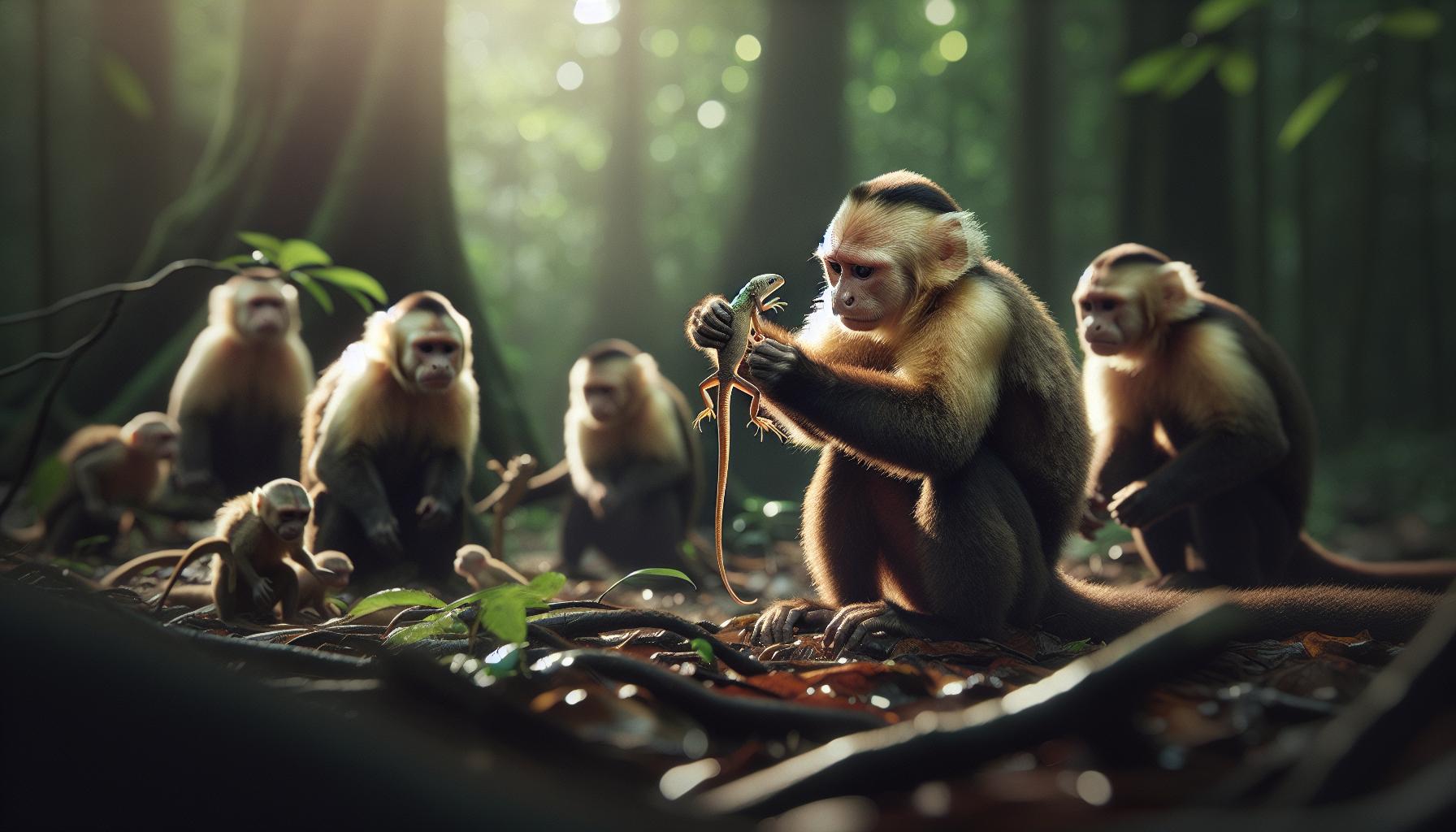
Capuchin monkeys, while primarily frugivorous, have a broader diet that occasionally includes prey. Fascinatingly, these intelligent primates are known to exhibit omnivorous behavior, incorporating a variety of food sources into their meals. In the wild, they forage for fruits, nuts, seeds, and even small animals such as insects and occasionally small vertebrates. This scavenging behavior illustrates their adaptability, as they adjust their diet based on the availability of food in their environment.
Foraging Strategies
Capuchins possess remarkable tool-using capabilities, which they employ in their quest for food. For example, they may use stones to crack open hard nuts or shells, showcasing not just their dexterity but also their problem-solving skills. In terms of social behavior, group foraging is common, allowing them to benefit from the collective knowledge of the group. This dynamic promotes cooperation and strengthens social bonds, essential aspects of their living in groups.
Are They Dangerous Predators?
While capuchins have the ability to hunt small animals, the question of whether they pose a danger to humans or larger animals is nuanced. Generally, capuchins do not engage in hunting larger prey instances and are not considered dangerous predators. Their foraging habits are more geared toward scavenging and opportunistic feeding rather than predation. However, like all wild animals, they can exhibit defensive aggression if they feel threatened. Adult capuchins can bite, and their sharp teeth may cause harm if provoked, highlighting the importance of maintaining a respectful distance.
Implications for Ownership
For those considering capuchins as pets, it’s crucial to recognize these behaviors. Their dietary needs are complex and require a commitment to providing a varied and balanced diet that mimics their natural foraging habits. Moreover, understanding their potential for aggression-rooted in stress or fear-is vital for safe interactions. As with any exotic pet, research, preparation, and respect for their natural behaviors and habitat are paramount in ensuring a harmonious relationship. This not only reflects responsible ownership but also respects the wild origins of these captivating creatures.
Signs of Distress: When Capuchin Monkeys May Become Aggressive
Capuchin monkeys, despite their playful and curious demeanor, can exhibit signs of distress that may lead to aggressive behavior. Understanding these signs is crucial for anyone interacting with or observing these intelligent creatures, whether in the wild or in captivity. Recognizing the early indicators of stress can help mitigate potential conflicts and foster a safer environment for both humans and monkeys.
When capuchins feel threatened or uncomfortable, their body language often shifts dramatically. Key signals include:
- Vocalizations: Loud barks, screams, or growls can indicate distress or aggression. These sounds are their way of communicating discomfort or asserting dominance within their social hierarchy.
- Facial Expressions: A capuchin’s expressions can tell a lot; baring teeth, a tense posture, or wide eyes might suggest that the monkey is feeling threatened and ready to defend itself.
- Postural Changes: When a capuchin stands tall, raises its arms, or makes sudden movements, it may be bluffing or preparing to engage in aggressive behavior. Conversely, a crouched body could signify fear, while a turned back might indicate a defensive posture.
In addition to these physical signs, context plays a significant role. Factors like sudden loud noises, the presence of unfamiliar individuals or animals, or changes in their environment can trigger stress responses. For example, if a capuchin is cornered or unable to escape, its natural flight response may evolve into aggression as a last resort to protect itself.
Aggressive behaviors may also arise from social dynamics within groups. Dominance hierarchies are prevalent among capuchins, and conflicts can emerge over resources such as food or territory. Observers should be aware of these interactions, as a perceived threat to their rank or resources can lead to sudden aggression.
An understanding of these behaviors not only enriches our appreciation of capuchins but also emphasizes the importance of respectful distance and cautious observation, especially for those who might encounter them in the wild or as exotic pets. Recognizing signs of distress helps ensure safer interactions and supports the wellbeing of these remarkable primates.
Comparing Capuchin Monkeys with Other Potentially Dangerous Primates
Capuchin monkeys are often viewed as cute and amusing creatures, but when placed alongside other potentially dangerous primates, their behaviors can be more alarming. For instance, consider the infamous macaque monkeys. Known for their intelligence and adaptability, some macaque species can be aggressive due to their complex social structures. They often engage in territorial disputes and competition for resources. This starkly contrasts with the more playful demeanor of capuchins, although both species can show aggression under stress or in defense of their young.
When comparing capuchins to larger primates such as baboons or chimpanzees, the risks increase significantly. Baboons, for example, possess powerful jaws and can inflict serious injuries if provoked. While capuchins can bite and display aggression, their smaller size and less potent physical capabilities generally mean they are not as immediate a threat as their larger relatives. However, it’s important to recognize that even a small monkey can be unpredictable and potentially dangerous, particularly as they reach sexual maturity and their behavior becomes less manageable.
The Role of Social Hierarchy
Both capuchins and more aggressive primates exhibit behaviors influenced by social hierarchies. Capuchins have complex social structures where rank and resource competition can lead to aggressive encounters. Similarly, chimpanzees are known for their aggressive behaviors, particularly during conflicts over territory. The key difference lies in the scale of power; a dominant chimpanzee is far more likely to cause serious harm than a capuchin acting out of fear or stress.
Human Interaction Risks
Human interactions with these primates often reveal the unpredictability of capuchins compared to larger primates. While both may attack if they feel threatened, capuchin monkeys are less likely to display outright violence than, say, a chimpanzee, which has been known to cause severe injuries. Still, it’s essential to approach all primates with caution, respect their space, and understand that any monkey can be dangerous if provoked.
In conclusion, while capuchin monkeys are not the most dangerous primates, they are part of a broader context of potentially aggressive species. It’s crucial for anyone interacting with these animals to be aware of their capabilities and the social dynamics that can lead to aggressive behavior, ensuring safe and respectful encounters.
The Role of Domestication: Can Capuchin Monkeys Be Pets?
Capuchin monkeys are undeniably captivating creatures, often adored for their playful antics and striking intelligence. However, the question of whether these animals can be kept as pets is a complex one. While some enthusiasts advocate for their domestication, it’s essential to understand that capuchins are social animals with unique needs that can make them quite challenging to care for in a domestic setting.
Firstly, capuchins require extensive social interaction and mental stimulation. They are not solitary creatures; in the wild, they live in complex social groups. Keeping a single capuchin isolated from other monkeys can lead to significant behavioral issues, including anxiety and aggression. Unlike traditional pets, such as dogs or cats, they exhibit specific social behaviors that require companionship from their species to thrive. As they grow and reach sexual maturity, their behaviors can become more unpredictable, posing risks for owners, especially if they lack experience with primates [3].
Moreover, potential owners should be aware of the legal implications of owning a capuchin monkey, as many regions have strict laws regulating or even prohibiting the keeping of exotic pets, including primates. It’s crucial to research local regulations thoroughly before considering bringing one into your home. For example, while some people postulate on platforms like Reddit about sourcing baby capuchins, the reality is that these monkeys require not just a legal framework but also a commitment to a lifelong responsibility that includes specialized care, socialization, and potential veterinary costs [1].
Lastly, while many might view capuchins as cute, human-like creatures, the truth is that they can exhibit aggressive behaviors under stress or fear. Early exposure to humans can create strong bonds, but negative interactions or insufficient mental and physical stimulation can lead to aggressive tendencies. Thus, understanding the risks and being prepared to meet the substantial care requirements is crucial before considering a capuchin as a pet. As with any exotic pet, a thorough understanding of their natural behaviors, needs, and the potential challenges of domestication is vital for ensuring both the animal’s welfare and the owner’s safety.
Understanding Capuchin Monkey Social Structures and Aggression
Capuchin monkeys are fascinating creatures that thrive in complex social structures akin to those of human societies. In the wild, they live in troops, often led by an alpha male or female, where social dynamics play a crucial role in their behavior. These monkeys communicate through a variety of vocalizations, gestures, and postures, which help maintain relationships and hierarchies within the group. This intricate social life not only fosters a sense of community but also lays the groundwork for understanding their aggression. Capuchins may become aggressive primarily when competing for resources, establishing dominance, or protecting their young.
Aggression in capuchins can manifest in various ways. It’s typically linked to the struggle for food or mating rights, common triggers seen across many primate species. During periods of food scarcity, for instance, tensions may rise, leading to territorial disputes or skirmishes. In a troop, the act of asserting dominance can involve displaying strength through vocalizations and physical confrontations, making clear who is in charge. Additionally, even playful interactions can turn aggressive if one monkey feels threatened or disrespected. Understanding these behaviors is vital for anyone considering caring for a capuchin, as misreading their intentions can lead to misunderstandings and potentially dangerous situations.
Moreover, it’s important to recognize that while capuchins are capable of aggression, they also exhibit remarkable reconciliation behaviors. Post-conflict, monkeys often engage in grooming or other friendly interactions to mend social bonds. This highlights their intelligence and social awareness, indicating that they don’t merely act on instinct but possess the ability to navigate complex emotional landscapes. For potential owners or wildlife enthusiasts, appreciating this duality-of aggression and social reconciliation-is important in fostering a safe and enriching environment for these remarkable primates.
Understanding these social structures and the underlying reasons for aggression can significantly influence how we interact with capuchins, whether in the wild or in a domesticated setting. By respecting their social needs and providing appropriate stimulation, we can enhance the welfare of these engaging animals while minimizing the risk of aggressive behaviors. Careful observation and understanding of their social cues will not only enrich their quality of life but also ensure the safety and well-being of those around them.
Human Interactions: Risks and Safety Precautions
Capuchin monkeys are undeniably fascinating, with their playful antics and intelligent behavior captivating many wildlife enthusiasts. However, understanding the dynamics of human interactions with these primates is essential for ensuring safety for both people and the animals. Capuchins can exhibit aggressive tendencies under certain situations, which is why knowing how to approach them is crucial.
When encountering capuchin monkeys, whether in the wild or in captivity, it’s important to remember that they are still wild animals, and their behavior can be unpredictable. Here are a few key precautions to consider:
- Do not feed them. Feeding wild monkeys can lead to aggressive behavior as they may come to expect provisioning from humans. This can alter their natural behaviors and make them more troublesome over time.
- Avoid direct eye contact. In many primate species, including capuchins, direct eye contact can be perceived as a challenge or threat. Instead, try to keep your gaze slightly averted while still being aware of their surroundings.
- Maintain a safe distance. Observing from a distance allows you to enjoy their behavior without causing stress or provoking an aggressive response. If a capuchin feels cornered or threatened, it may react defensively.
- Respect their space. If you see them displaying signs of distress, such as vocalizations or aggressive posturing, give them plenty of space. These behaviors can be an indication that the animal feels threatened or is asserting dominance.
It’s also useful to be familiar with local laws and safety guidelines regarding wild monkeys, especially in areas where they are known to live. Encounters can happen unexpectedly, and being informed can help prevent escalating situations. In one study, capuchin monkeys were observed displaying affiliate behaviors towards humans who imitated them, suggesting that playful and respectful interactions can enhance positive experiences. However, this should always be approached cautiously and initiated only in controlled environments, such as wildlife reserves or sanctuaries where the monkeys are accustomed to human presence.
For those considering capuchins as pets, it’s vital to understand that their social and behavioral needs are complex. In captivity, they require significant social interaction and mental stimulation. Without proper care, they can become aggressive or develop behavioral issues. If you’re thinking about bringing one into your home, ensure that you’re prepared to provide an environment that meets their physical and psychological needs.
Overall, wisdom and respect for these remarkable creatures go a long way in ensuring safe and enjoyable interactions. Whether observing them in the wild or caring for them as pets, keeping in mind their wild instincts and social behavior can make all the difference in creating a harmonious relationship.
What to Do If Encountering a Capuchin Monkey in the Wild
When you find yourself in the presence of a capuchin monkey in the wild, it’s an exciting experience but one that requires caution. These intelligent and agile primates are known for their playful behavior, but they can also exhibit aggressive tendencies if they feel threatened or cornered. Understanding how to navigate this encounter with respect and awareness can help ensure a safe interaction for both you and the monkey.
First and foremost, keep your distance. Observing from afar allows you to enjoy their antics without invading their personal space. Monkeys, including capuchins, can be surprisingly defensive, especially when they perceive you as a potential threat. If you notice any aggressive posturing-like vocalizations, showing teeth, or sudden movements-grant them plenty of space. These behaviors are clear indicators that they might feel threatened or are asserting dominance in their territory.
Next, do not attempt to feed them. While it may seem harmless to toss a snack their way, this action can condition capuchins to expect food from humans, potentially leading to aggressive behavior if they don’t receive it. Instead, use your camera to capture their behavior from a safe distance. Remember that they are wild animals, and altering their natural behavior can have harmful effects.
Above all, stay calm. Avoid direct eye contact, as it can be interpreted as a challenge. Instead, maintain a relaxed demeanor and observe their behavior without looming over them. If a capuchin approaches, remain still and quiet. Usually, they will lose interest and return to their activities. If they show signs of aggression or approach too closely, slowly back away while continuing to face them-never turn your back or run, as this may trigger a chase response.
Lastly, always respect local laws and guidelines when interacting with wildlife, including capuchin monkeys. Being mindful of regulations can enhance your experience and contribute positively to conservation efforts. By understanding their behaviors and respecting their space, you can ensure a rewarding encounter that celebrates the beauty of these remarkable creatures.
Legal Implications of Owning a Capuchin Monkey
In many places around the world, the idea of owning a capuchin monkey can seem appealing due to their intelligence and playful demeanor. However, the legal landscape surrounding the ownership of these primates is complex and varies significantly by region. It’s crucial to understand the legal implications before considering a capuchin monkey as a pet, especially given the potential risks and responsibilities involved.
Firstly, in the United States, there are no federal laws specifically regulating the ownership of primates such as capuchin monkeys. This lack of regulation means that laws can differ greatly from one state to another, with some states requiring permits and others outright banning primate ownership entirely. For instance, California does not allow private ownership of monkeys, while other states may have fewer restrictions. This regulatory patchwork can create confusion about what is legally permissible, making thorough research necessary before acquiring a capuchin.
Moreover, ownership often entails more than just following state laws; potential owners must consider local ordinances and community regulations. For example, certain municipalities may implement strict zoning laws prohibiting exotic pets even if state law allows them. Additionally, those wishing to own a capuchin may need to obtain a license that verifies they can provide a suitable living environment and proper care. This includes factors like cage size, socialization needs, and dietary requirements.
The implications of ownership extend beyond legality to ethical considerations as well. Organizations like the Association of Zoos & Aquariums advocate against keeping primates as pets, highlighting the risks involved for both the animals and the owners. These monkeys can become aggressive if not properly cared for or if they feel threatened, which poses a safety risk to humans. Moreover, the exotic pet trade contributes to issues like illegal wildlife trafficking and habitat destruction, underscoring the need for responsible stewardship of these intelligent beings.
In conclusion, while capuchin monkeys are undoubtedly fascinating creatures, potential owners should approach the idea of ownership with caution. Understanding and complying with local and state regulations is crucial, as is considering the ethical implications of keeping such a socially complex animal as a pet. For those drawn to these primates, exploring alternatives such as wildlife sanctuaries or educational programs can provide a fulfilling connection to capuchin monkeys without the challenges of private ownership.
Conservation Status of Capuchin Monkeys and Human Impact
Capuchin monkeys are not just adorable and intelligent; they play a crucial role in their ecosystems. However, their conservation status is increasingly concerning due to human activities that threaten their natural habitats. These fascinating primates are primarily found in the tropical forests of Central and South America, where they thrive in diverse environments. As deforestation, habitat destruction, and the illegal pet trade rise, the survival of capuchin monkeys hangs in the balance, drawing attention to the need for conservation efforts.
Human impact on capuchin monkeys extends beyond habitat loss. Urbanization affects their foraging strategies and social behaviors, forcing these monkeys to adapt to new environments where they often come into conflict with humans. Research indicates that interactions with people can alter their natural tendencies, potentially leading to increased aggression in some individuals when they feel threatened or cornered. This behavioral shift can fuel myths about capuchins posing danger to humans, overshadowing their more common, playful nature.
To truly help capuchin monkeys, conservation initiatives must focus on habitat protection, promoting sustainable land use, and combating illegal wildlife trade. Engaging local communities in conservation practices can create a sense of ownership and responsibility towards preserving these remarkable primates. By fostering awareness and respect for capuchins and their natural habitats, we can ensure they continue to thrive in the wild, ultimately helping to dismantle the fears surrounding their interactions with humans.
In conclusion, the conservation status of capuchin monkeys serves as a reminder of the delicate balance between human activities and wildlife survival. Protecting their habitats not only benefits these intelligent creatures but also maintains the rich biodiversity of the ecosystems they inhabit. Embracing responsible stewardship offers a pathway for harmonious coexistence, allowing both humans and capuchin monkeys to thrive together.
Frequently asked questions
Q: Can capuchin monkeys attack humans?
A: Yes, capuchin monkeys can attack humans, especially if they feel threatened or are provoked. It’s important to respect their space and avoid approaching them in the wild. Understanding their social behaviors can help mitigate risks when interacting with these animals.
Q: How dangerous are capuchin monkeys compared to other primates?
A: Capuchin monkeys are generally less dangerous than larger primates like baboons or macaques. However, they possess sharp teeth and a strong bite, which can inflict serious injuries. Their intelligence also allows them to devise means of aggression if they feel cornered.
Q: What should you do if a capuchin monkey approaches you?
A: If a capuchin monkey approaches, remain calm and avoid sudden movements. Do not feed or try to touch them. Instead, slowly back away while keeping your eyes on the monkey, allowing it to move away comfortably.
Q: Are capuchin monkeys known to carry diseases?
A: Yes, capuchin monkeys can carry diseases that may be transmitted to humans, such as herpes simian virus and tuberculosis. It’s crucial to maintain proper hygiene and avoid direct contact to reduce the risk of infection.
Q: Why do capuchin monkeys display aggressive behaviors?
A: Capuchin monkeys may display aggressive behaviors due to fear, territorial disputes, or protection of their young. Understanding their social structure and dynamics is key to interpreting these behaviors and avoiding potential conflicts.
Q: Can a capuchin monkey be trained to be a pet?
A: While some people attempt to train capuchin monkeys as pets, they are not suitable for most households. They have complex needs that require an environment mimicking their natural habitat, making them challenging to care for responsibly.
Q: What are the signs that a capuchin monkey is distressed?
A: Distressed capuchin monkeys may exhibit signs like vocalizations, pacing, or aggressive posturing. Recognizing these behaviors can help in understanding their emotional state and avoiding confrontations.
Q: Do capuchin monkeys have natural predators?
A: Yes, in the wild, capuchin monkeys may face threats from larger predators such as jaguars and birds of prey. Their ability to live in social groups often helps protect them from these dangers, showcasing their instinct for collaborative safety.
The Conclusion
Thank you for exploring the fascinating world of capuchin monkeys with us! While these intelligent primates can exhibit unpredictable behaviors, understanding their needs, habitat, and social structures is crucial for safe interactions. If you’re intrigued by the complexities of animal behavior, check out our articles on “The Intelligence of Primates” and “How to Care for Exotic Pets” for deeper insights.
Feeling inspired? Don’t forget to subscribe to our newsletter for the latest updates on wildlife and exotic animal care! Your concerns matter-if you have any lingering questions about capuchin monkeys or exotic pet ownership, drop them in the comments below. We’ve got a treasure trove of content waiting for you, including tips on responsible pet ownership and fascinating animal behavior facts.
Remember, knowledge is key when it comes to engaging with wildlife safely and responsibly. Let’s keep learning together!
Get our latest guides, news, and insights highlighted in your Google Search & AI Overviews.