
If you’ve ever admired the lush, vibrant beauty of monkey grass, also known as liriope, you may wonder when to tackle its seasonal trimming for optimal health and growth. Timing is crucial-cutting back this hardy ground cover at the right moment can enhance its appearance and promote vigorous new growth while preventing overcrowding. Whether you’re a diligent gardener or a casual plant lover, understanding the best times to prune your monkey grass is essential for maintaining a thriving landscape. In this guide, we’ll explore the seasonal timing of when to cut back monkey grass, providing you with expert tips to ensure your plants flourish beautifully. Let’s dive into the details and discover how to keep your garden looking its best all year round!
When is the Best Time to Cut Back Monkey Grass?
Cutting back monkey grass, known for its lush green look and hardiness, is an essential part of maintaining its health and vibrant appearance. The best time to give it a trim generally aligns with the changing seasons. Late winter or early spring, just before new growth begins, is often the ideal timeframe. This timing allows the plant to recover quickly from the pruning and encourages fresh growth as the weather warms up.
During this period, temperatures start to rise, and the threat of hard frost diminishes, which creates favorable conditions for monkey grass to thrive. If you prune too early in the winter, the plant may be left vulnerable to cold snaps; pruning too late in the spring might disrupt the new growth, leading to a less vigorous plant overall. For those in milder climates, a light trim in the fall can also help remove any dead or brown foliage, promoting a healthier start for the next growing season.
When considering the timing, pay attention to the plant’s condition as well. If you notice that your monkey grass has become overgrown or the center is thinning out, it might signal that it’s time for a cutback, regardless of the season. A quick assessment of the growth and health of your monkey grass can guide you in making the best decision for your plants.
By strategically timing your cuts, you not only enhance the visual appeal of your landscape but also support the overall health and vigor of your monkey grass, allowing it to flourish beautifully year after year.
Understanding the Growth Cycle of Monkey Grass
Monkey grass, or Liriope, is a resilient and popular choice for landscaping, known for its hardy nature and lush appearance. Understanding its growth cycle is essential for anyone looking to maintain a vibrant garden. This perennial plant primarily thrives in warm climates, surviving winter chill and spring warmth with ease. Typically, monkey grass experiences a growth surge in early spring as temperatures rise, stimulating new shoots that emerge from the ground. This is a crucial time because the plant begins to allocate energy toward leaf and flower production.
Throughout the summer months, monkey grass flourishes, boasting lush green foliage and vibrant purple flower spikes. These blossoms can bring delightful color to your garden, but they also indicate that the plant is nearing a period of dormancy. As fall approaches, the leaves may begin to yellow and die back, signaling that the plant is preparing to enter its dormant stage. It’s during this transition that pruning becomes particularly important. By trimming the foliage in late winter or early spring, just before new growth starts, you help the plant conserve energy and encourage robust growth for the coming seasons.
In summary, the growth cycle of monkey grass is marked by distinct phases: an early growth spurt in spring, a flourishing summer, and a winding down in fall. By aligning pruning activities with this cycle, gardeners can enhance the plant’s overall vitality and visual appeal. Monitoring the plant’s growth at each stage can also yield valuable insights into its health, allowing for timely interventions and maintenance. Remember, a well-cared-for monkey grass not only beautifies your yard but also creates a welcoming habitat for local wildlife!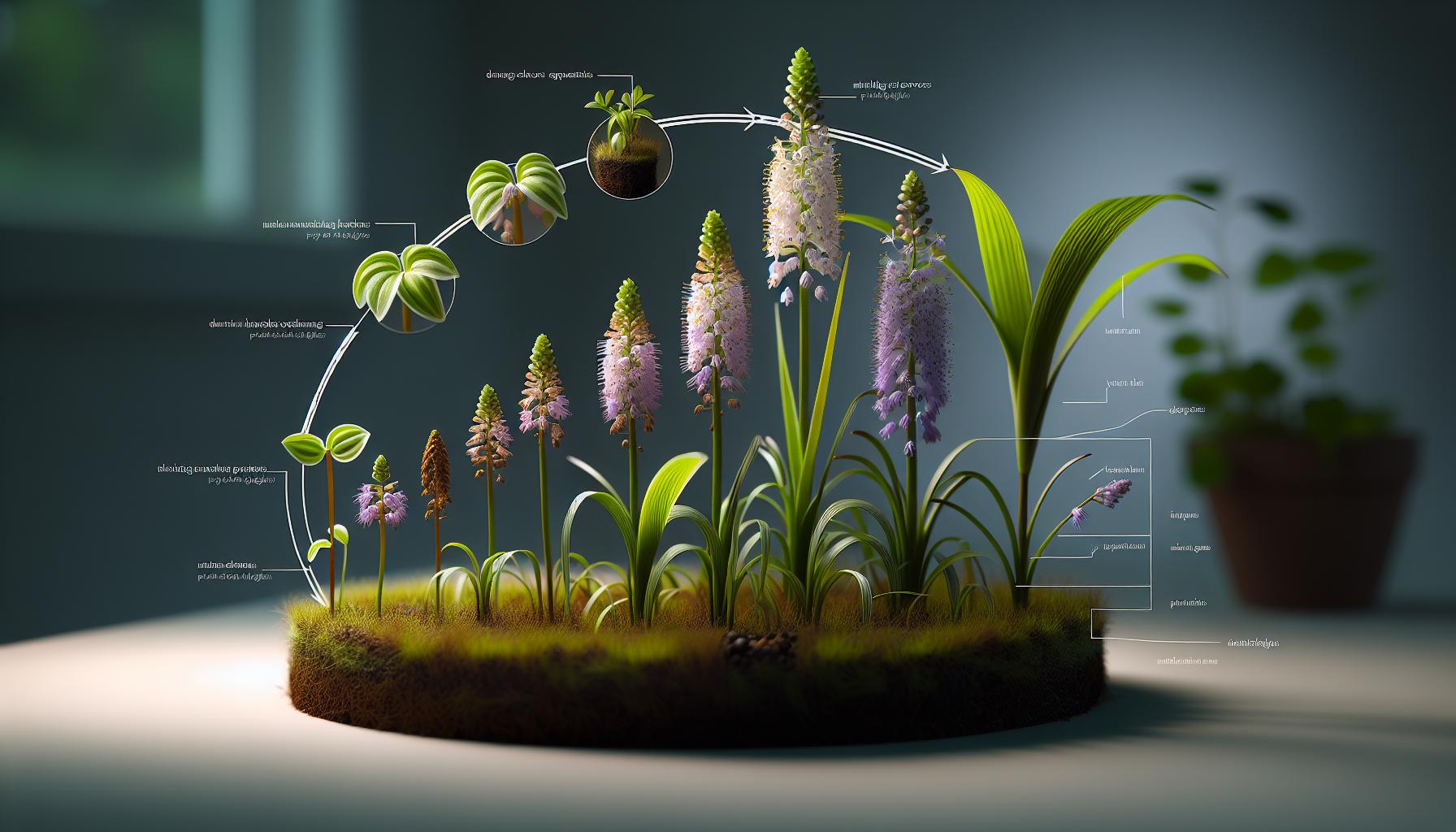
Signs Your Monkey Grass Needs Pruning
Recognizing when your monkey grass, or Liriope, needs pruning is key to maintaining its health and beauty. This robust perennial can withstand various conditions, but neglecting its upkeep can lead to unsightly clumps and hinder its growth. Look for signs that signal it’s time to grab those shears!
One of the most telling indicators is the appearance of brown or yellow leaves. As the growing season winds down in late summer or early fall, it’s common for some foliage to yellow and begin to die back. This is a natural part of the plant’s growth cycle, but excess browning can point to overcrowding or the need for rejuvenation pruning. If you start seeing dead or browned segments that don’t recover as weather conditions improve, it’s definitely a sign that a trim is needed.
Another sign is the formation of a dense, sprawling mat. Over time, monkey grass can become overgrown, making it difficult for new shoots to emerge. If you notice that the grass has developed a thick, tangled appearance, it’s likely time for a good pruning session. Cutting back the overgrowth can reinvigorate the plant and allow sunlight to reach the younger, healthier leaves below.
When considering your timing for pruning, don’t overlook the increased weed competition around your monkey grass. If weeds are starting to pop up in the thick of your monkey grass planting, the dense growth could be hindering air circulation and moisture retention. Pruning can help alleviate these issues, giving your monkey grass a fighting chance against unwanted guests!
Be mindful of your plant’s growth pattern and stay attentive to these signs, as regular pruning not only keeps monkey grass looking its best but also supports its long-term health, offering you a vibrant display season after season. Remember, a little care goes a long way in creating a thriving garden!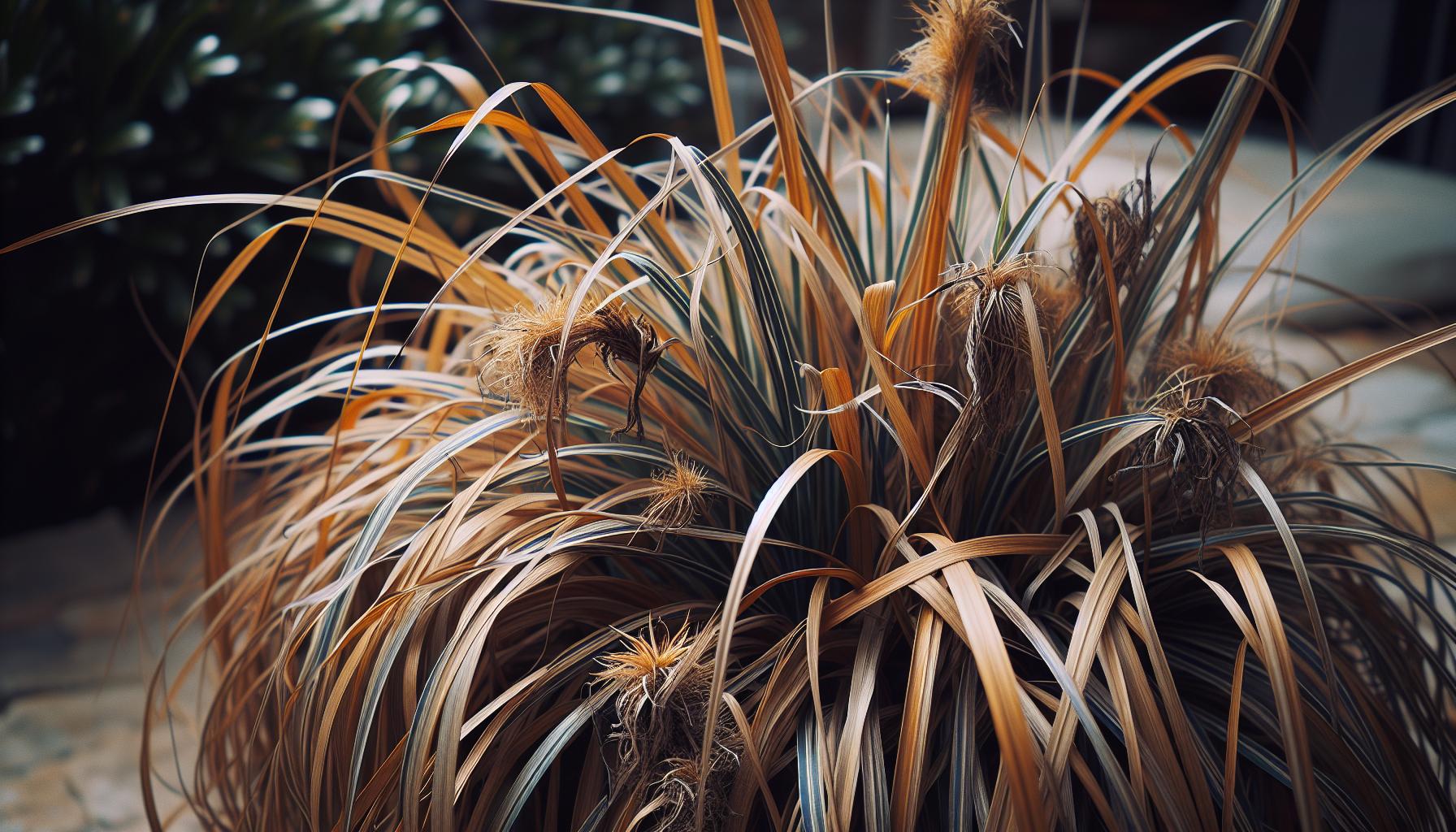
Step-by-Step Guide to Cutting Back Monkey Grass
To rejuvenate your monkey grass and keep it thriving, following a methodical cutting approach is essential. This resilient plant, often found in gardens, can flour. Properly executing a pruning session can transform your landscape, ensuring that your Liriope maintains its lush appearance and health.
Start by gathering your tools! You’ll need a pair of sharp garden shears or scissors, gloves to protect your hands, and perhaps a bucket for collecting the trimmed foliage. Moreover, consider wearing long sleeves as you might encounter some prickly leaves.
- Timing is Key: The best time to prune monkey grass is in early spring, just before new growth begins. This timing allows you to remove any dead or damaged leaves while avoiding interference with the plant’s growth cycle.
- Inspect Before You Prune: Take a moment to thoroughly inspect your monkey grass. Look for any dead or browning leaves that can be cut back to promote fresher growth. Remember, cutting too early may damage tender new shoots.
- Start Pruning: Begin at the base of the clumps. Cut back the leaves to about 4 to 6 inches above the ground. If the clumps are particularly dense, you can cut deeper, but avoid removing more than one-third of the plant at once, as this may stress the roots.
- Maintain Evenness: Work your way around the clump, ensuring an even trim. This helps maintain a tidy appearance and encourages uniform growth.
- Cleanup: After pruning, gather the trimmings and dispose of them properly. This will not only tidy up your garden but also help prevent pests and disease from taking hold in your monkey grass.
By following these steps, you will not only refresh your monkey grass but also support its robust health. Regular pruning fosters better air circulation and light penetration, both crucial for a vibrant garden display. Embrace this ritual as part of your seasonal garden care-you may find that cutting back can be quite therapeutic!
Seasonal Care: Fall vs. Spring Maintenance
Maintenance of monkey grass, a hardy and versatile plant, can vary significantly between fall and spring, each season presenting unique opportunities and considerations for care. Understanding these differences can enhance the health and appearance of your garden, allowing the Liriope to thrive.
In the spring, focus on rejuvenation. As new growth begins to emerge, this is the ideal time to prune back any dead or brown foliage. This process not only helps in tidying up the plant’s appearance but also encourages robust new growth. The optimal time for this is just before the first signs of new shoots, generally in early spring. Cutting too early can stunt fresh growth, while waiting too long may hinder your ability to remove any competing weeds or dead material that could sap the plant’s energy.
Conversely, fall maintenance is about preparing for the colder months. While many gardeners choose to leave monkey grass standing for winter interest, trimming back the foliage can provide benefits as well. Late fall is a good time to cut back any faded leaves and create a tidy appearance in your garden. However, avoid cutting them too low, as the remaining foliage can help protect the roots from cold temperatures. A good rule of thumb is to leave a few inches above the ground, which can also provide habitat for beneficial insects over the winter.
Ultimately, your approach may depend on your specific climate and garden aesthetic. In warmer regions, you may find that pruning can be minimal, while in temperate zones, thorough cleanup in both seasons can lead to a healthier plant. Adapting your care routine to the seasonal whims of your garden transforms your monkey grass from a background plant into a vibrant centerpiece of your landscape.
Common Mistakes When Trimming Monkey Grass
When it comes to maintaining monkey grass, avoiding common pitfalls during trimming is crucial for keeping these hardy plants thriving. One of the most frequent mistakes gardeners make is timing their cuts incorrectly. Many enthusiasts cut back their monkey grass too early in the spring, before new growth begins, or too late when growth is already established. Ideally, you want to prune just before the first signs of new shoots appear. This allows the plant to rejuvenate, ensuring it has the energy to flourish.
Another common error lies in cutting back too aggressively. While it might seem beneficial to take the shears to your monkey grass and reduce it to almost ground level, this can do more harm than good. Leaving a few inches of foliage is vital, as it helps insulate the roots against harsh winter temperatures and provides a habitat for beneficial insects. Overzealous trimming can deprive the plant of the protection it needs to recover after the cold months.
It’s also important to recognize the significance of proper tools. Using dull or inappropriate tools can damage the plant and lead to ragged edges that invite pests or disease. A sharp pair of shears or hedge clippers will make clean cuts, promoting healthier growth. Additionally, failing to clean tools between uses can risk spreading diseases from one plant to another. A quick disinfecting wipe between trimming different areas can save you from a lot of potential headaches later.
Lastly, neglecting the surrounding environment is another mistake not to be overlooked. Many gardeners forget to assess the condition of their monkey grass’ surroundings, particularly the soil and nearby plants. Adequate space and good drainage are crucial for healthy growth. Make sure to check for competing weeds or plants that might hinder the monkey grass’s growth. By trimming wisely and taking the environment into account, you’ll enhance the overall vitality of your monkey grass and create a vibrant, lush landscape that’s a delight to behold.
Tools You Need for Monkey Grass Pruning
For the vibrant health of your monkey grass, selecting the right tools for pruning can make all the difference. Just like a skilled chef needs sharp knives, a gardener needs the right equipment to ensure clean cuts and promote robust growth. The goal is to trim your monkey grass effectively while minimizing stress on the plant, and that starts with proper tools.
A sharp pair of pruning shears is essential. Look for ones with a bypass design, which ensures a clean cut rather than ripping the foliage. This helps reduce the risk of disease entering through damaged plant tissue. For larger patches of monkey grass or thicker clumps, hedge clippers or electric shears can save time and effort while maintaining even cuts. Remember to sharpen your tools regularly; dull blades can do more harm than good, causing ragged edges that invite pests.
Don’t forget about safety gear! A sturdy pair of gardening gloves will protect your hands from sharp edges and irritants while working. Additionally, wearing gardening glasses can shield your eyes from debris and plant sap. In some cases, long sleeves and pants can offer an extra layer of protection, especially if your monkey grass is in a more rugged area.
Lastly, after you’ve made your cuts, it’s important to clean your tools. This simple step helps prevent the spread of pests and diseases from one plant to another. A quick wipe with a disinfectant solution between different areas not only safeguards your plants but also extends the lifespan of your equipment. With the right tools and practices, your monkey grass will thrive, offering lush greenery that brightens up any landscape.
How to Enhance Growth After Pruning
After giving your monkey grass a trim, you might be wondering how to give it the best chance for vibrant growth. Think of it as a fresh start-much like how we feel rejuvenated after a good haircut! The key to boosting growth after pruning lies in a mix of timely care and mindful practices.
Watering is paramount immediately after pruning. Newly cut plants need a good drink to help them recover from the shock of cutting. Aim to keep the soil consistently moist but not saturated. Providing water in early morning can help prevent evaporation losses, ensuring your monkey grass absorbs what it needs for regrowth.
Fertilization is another critical factor to encourage robust growth. A balanced, slow-release fertilizer high in nitrogen is ideal for promoting healthy foliage. Apply the fertilizer according to the package instructions, typically in early spring or soon after pruning. This timing aligns perfectly with monkey grass’s active growth phase, giving it the boost it needs to flourish through the warmer months.
Additionally, consider implementing a gentle mulching layer around your monkey grass. Organic mulch not only helps retain soil moisture but also suppresses weeds that could compete for nutrients. As the mulch breaks down, it adds vital organic matter to the soil, enriching it and creating a healthier environment for your plants.
Lastly, keep a keen eye on your monkey grass for any signs of pests or diseases, especially after pruning. Early intervention is essential in addressing issues like spider mites or fungal diseases. Use organic repellents or fungicides when necessary, and be sure to promote good air circulation around your plants to minimize the risk of these problems developing.
By adopting these practices, you’ll set your monkey grass on a path to thriving renewal, ensuring it remains lush and vibrant throughout the seasons. Gardening is not just about maintaining plants; it’s about nurturing a lively ecosystem that can flourish with your care.
Long-Term Benefits of Regular Trimming
Regular trimming of monkey grass offers a multitude of long-term benefits that can transform your garden into a vibrant, thriving ecosystem. Think of pruning as a way to revive and invigorate your plants, akin to a spring cleaning for your garden. By keeping monkey grass well-trimmed, you enhance its natural growth patterns, encourage lush new foliage, and maintain a neat and appealing appearance throughout the seasons.
One of the most significant advantages of consistent cutting back is improved air circulation. When you remove excess growth, the remaining grass thrives with better airflow, reducing the likelihood of fungal diseases and pests. This preventative measure helps maintain a healthier environment for your plants while allowing them to flourish more robustly. Not only will your monkey grass look better, but it will also stand up against environmental stressors more effectively.
Another benefit to consider is the stimulation of new growth. Regularly trimming monkey grass encourages it to produce fresh, vibrant shoots, ultimately leading to a denser and more resilient mat of grass. Imagine lush, green clumps that not only stand out but also provide a soft, inviting texture to your landscape. Cutting back encourages the plant to focus its energy on new development rather than expending resources on aging foliage, which can become unsightly and wasteful.
Furthermore, maintaining your monkey grass through regular pruning allows for greater design flexibility in your garden. Controlled growth means you can strategically place it alongside other plants, ensuring that everything from heights to colors integrates seamlessly. The result is a more cohesive aesthetic that can adapt based on your landscaping vision and any changes in seasonal plantings.
In conclusion, by committing to a regular trimming schedule, you’re investing in the long-term health and beauty of your monkey grass. Not only does this practice promote vigorous growth and disease resistance, but it also enriches your garden’s overall visual appeal and functional harmony. Embrace the art of pruning, and watch your garden flourish in return!
Addressing Pests and Diseases in Pruned Monkey Grass
Addressing the health of your monkey grass post-pruning is crucial for maintaining the vibrancy and longevity of these hardy perennials. Just as a well-tended garden fosters a healthy ecosystem, active vigilance against pests and diseases will help ensure that your monkey grass flourishes. After cutting back your monkey grass, it’s important to keep an eye out for common issues that could plague your newly pruned plants.
A key aspect of pest management is understanding which critters are likely to call your monkey grass home. Common pests include aphids, spider mites, and whiteflies. These tiny invaders can undermine your plant’s health by feeding on sap and excreting honeydew, which can encourage mold growth. Regular checks after pruning are essential. If you spot any pests, simple solutions like a strong blast of water can dislodge them. For larger infestations, consider introducing beneficial insects like ladybugs that naturally prey on aphids or using insecticidal soap for a targeted approach without harming beneficial wildlife.
Moreover, pruned plants can sometimes fall prey to fungal infections, especially if there’s excess moisture or insufficient airflow. Properly trimming your monkey grass promotes better air circulation, which is a natural deterrent against fungal spores. If you notice any signs of fungal disease, such as discolored leaves or black spots, immediately remove the affected parts and apply a fungicide if necessary. Maintaining a balanced watering schedule-allowing the soil to dry slightly between waterings-will also help keep fungal issues at bay.
In addition to these preventive measures, it’s beneficial to enrich the soil with organic matter during the growing season. This not only enhances growth but also improves the plant’s resilience against diseases and pests. Use mulch, compost, or specific fertilizers designed for ornamental grasses to create a robust foundation for your monkey grass.
Remember, garden health is a balance; addressing pests and diseases proactively will keep your monkey grass thriving and lush, ensuring that your garden remains a joyful, vibrant space for you and the creatures that share it.
Creative Landscaping Ideas with Monkey Grass
Monkey grass, with its lush green blades and resilient nature, opens up a world of creative landscaping possibilities. This hardy perennial thrives in a variety of conditions, making it a popular choice among gardeners looking to add texture and visual interest to their outdoor spaces. Its dense growth habit creates an ideal backdrop or filler plant that can enhance the overall design of a garden.
One innovative way to use monkey grass is to create natural borders. By planting it along pathways, flower beds, or around trees, you can define spaces while providing a beautiful visual transition between different areas of your garden. Not only does this method help prevent soil erosion, but it also keeps weeds at bay thanks to its aggressive growth. Pair it with flowering perennials or ornamental shrubs for a stunning contrast that highlights both foliage and blooms.
Creating Layers with Monkey Grass
Using monkey grass in layered planting schemes can add depth and dimension to your yard. For instance, place taller plants such as hollyhocks or sunflowers in the back, while monkey grass fills in the front. This combination not only draws the eye but also enhances the visual texture of your garden. Additionally, monkey grass works wonderfully in mass plantings; large swaths can create a lush, carpet-like effect that feels immersive and inviting.
Monkey Grass as Ground Cover
Given its ability to thrive in a variety of soils and light conditions, monkey grass is also an excellent ground cover option. It can quell the urge for a manicured lawn, particularly in shady areas where grass might struggle. Its dense foliage not only suppresses weeds but can also provide habitat for beneficial garden wildlife. Imagine the joy of spotting a curious bumblebee or a playful squirrel among the grasses!
Incorporating monkey grass into your landscaping design is all about experimenting with its versatile potential. Whether you’re looking to define edges, create layers, or fill those tricky spots in your yard, this perennial offers beauty and resilience. Just remember the importance of seasonal timing when it comes to cutting back your monkey grass to keep it healthy and promote optimal growth, ensuring your landscape remains vibrant year-round.
Frequently asked questions
markdown
Q: When is the ideal time to prune monkey grass?
A: The ideal time to prune monkey grass is in early spring, just before new growth begins. This timing promotes healthier growth and allows you to remove any dead or damaged foliage from the previous winter.

Q: How often should I cut back my monkey grass?
A: You should cut back monkey grass once a year, typically in early spring. Regular annual pruning encourages dense growth and keeps the plant looking tidy, enhancing its visual appeal in your landscape.

Q: Can I trim monkey grass in the fall instead of spring?
A: While you can trim monkey grass in the fall, it's generally less effective. Fall pruning may expose the plants to winter damage and does not promote new growth as effectively as spring pruning does.

Q: What happens if I don't cut back my monkey grass?
A: If you do not cut back monkey grass, it can become overgrown, unattractive, and prone to pests and diseases. Regular trimming helps keep it healthy and looking its best.

Q: Should I remove dead leaves from monkey grass?
A: Yes, you should remove dead leaves from monkey grass, preferably during your annual pruning in spring. This helps improve air circulation and reduces the risk of disease.

Q: What tools do I need for cutting back monkey grass?
A: For cutting back monkey grass, you will need sharp garden shears or pruning scissors. A pair of gloves can protect your hands from sharp edges. Ensure your tools are clean to prevent disease transmission.

Q: Can monkey grass be divided when cutting back?
A: Yes, monkey grass can be divided during pruning in early spring. This is a great way to propagate new plants and manage the size of existing ones, promoting healthier growth and spacing.

Q: How do I care for monkey grass after pruning?
A: After pruning, care for monkey grass by ensuring it receives adequate water and nutrition. Applying a balanced fertilizer in spring can enhance its growth and recovery post-trimming.
Future Outlook
As you consider when to cut back monkey grass, remember that timing can significantly impact its health and your garden’s aesthetic. Proper care can ensure vibrant, lush growth for seasons to come. Ready to take action? Check our guide on “Best Practices for Lawn Care” for tips that complement your monkey grass maintenance. If you’re looking for more landscaping inspiration, explore our article on “Top Plants for Low-Maintenance Gardens.”
Don’t let the seasons catch you off guard-subscribe to our newsletter for expert advice delivered straight to your inbox! Have questions or tips of your own? We invite you to share your thoughts in the comments below. Your journey with monkey grass doesn’t have to end here; let’s continue to grow our gardening knowledge together!
Get our latest guides, news, and insights highlighted in your Google Search & AI Overviews.