Did you know that the biggest flying squirrel can glide up to 150 feet in a single leap? These remarkable creatures, often referred to as “gliders,” captivate wildlife enthusiasts and researchers alike with their unique adaptations and stunning aerial abilities. In this article, we will explore the largest species of flying squirrel, uncovering its impressive size, habitat, and fascinating behaviors. Whether you’re curious about their role in the ecosystem or considering them as exotic pets, learning about these majestic animals not only satisfies your curiosity but also fosters a deeper appreciation for biodiversity. Join us as we delve into the world of the size champion of flying squirrels and discover what makes them a truly extraordinary part of our wildlife heritage.
What Are Flying Squirrels? An Overview
Flying squirrels are fascinating creatures that are often more mysterious than their tree-dwelling cousins. Unlike traditional squirrels, these nocturnal animals have a special adaptation that allows them to glide through the air, making them exceptional acrobats in the forest canopy. With their large, expressive eyes and fluffy tails, flying squirrels possess an endearing charm that captivates wildlife enthusiasts and casual observers alike. There are about 50 species of flying squirrels around the world, generally classified into two main categories: the smaller species found primarily in North America and Asia, and the giant species, like the Giant Flying Squirrel, which hides in the dense forests of the East.
These mammals belong to the family Sciuridae and are well-known for their unique patagium-a membrane that stretches from their wrists to their ankles, allowing them to glide peacefully from tree to tree. This adaptation is not just for show; it provides efficient means of escaping predators and navigating their arboreal habitats. Typically, flying squirrels prefer habitats that offer a good mix of trees, which provide food and shelter. Diets vary widely based on species, but they generally include fruits, nuts, and even some fungi, making them an integral part of their ecosystem as consumers of both plant and animal matter.
Interesting behaviors mark flying squirrels as well. They are generally social animals, often living in groups, which can help enhance their protective strategies against predators. Their primary activity during the night involves gliding and foraging, which showcases their astonishing ability to maneuver in the air with precision. While conservation efforts are underway to protect many species of wildlife, flying squirrels often face challenges such as habitat destruction and climate change, underscoring the need for continued awareness and protective measures for these incredible gliders of the night sky.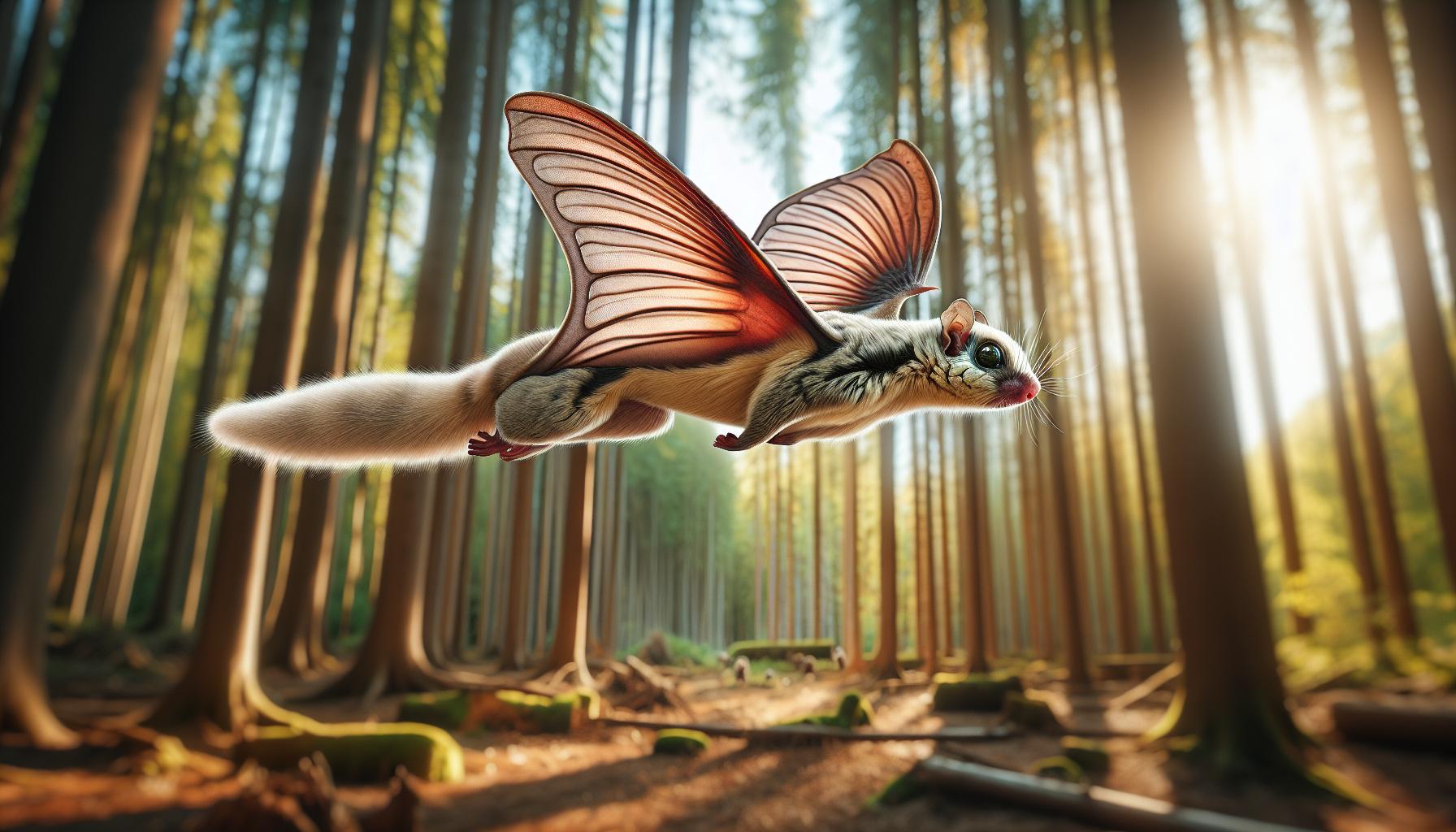
Meet the Size Champion: The Giant Flying Squirrel
The Giant Flying Squirrel, known scientifically as *Petaurista philippensis*, is a remarkable testament to the wonders of wildlife. With its impressive wingspan that can reach up to 2 feet and a body length that can exceed 2 feet without the tail, this species is the largest of the flying squirrels. Despite its name, it doesn’t actually “fly” in the traditional sense; rather, it glides through the treetops with remarkable agility, thanks to its expansive patagium, the membrane that stretches from its wrists to its ankles. This adaptation not only aids in gliding between trees but also helps them evade predators in their native Southeast Asian forests.
Physical Characteristics
Giant Flying Squirrels are adorned with beautiful fur that can range from grey to reddish-brown. They possess large, expressive eyes that allow them to navigate in low-light conditions, enhancing their nocturnal lifestyle. To put their size into perspective, their bodies can weigh between 1.5 to 4.5 pounds, making them significantly heftier than their smaller cousins. The fluffy tail, which can be as long as their body, acts as a stabilizer while gliding and plays a crucial role in communication between individuals.
Habitat Preferences
These magnificent creatures prefer dense forests that provide ample cover and a rich supply of food. They are primarily arboreal, spending most of their lives high up in the canopy, where they build nests in tree cavities. Favoring hardwood forests, they thrive in regions with a mixture of tall trees and a diverse understory that offers fruits, nuts, and other food sources essential for their diet. Defending their territory from other flying squirrels is also an aspect of their behavior, as they seek to maintain access to vital resources.
Diet and Feeding Habits
The diet of the Giant Flying Squirrel is primarily herbivorous, composed mainly of leaves, fruits, seeds, and flowers. They play a crucial role in seed dispersal and contribute significantly to the health of their ecosystem. Interestingly, they also enjoy a variety of fungi, which adds to the diversity of their diet and helps maintain the balance of their habitat.
Behavioral Traits
Social creatures by nature, Giant Flying Squirrels often form groups, which can provide safety in numbers. Communication among group members is facilitated through a series of vocalizations and tail movements. Their nighttime activities usually include gliding from tree to tree, foraging, and engaging in social interactions, making them fascinating to observe.
In summary, the Giant Flying Squirrel is a stunning embodiment of adaptability in the wild, combining impressive physical traits with social behaviors that contribute to its survival and the health of its ecosystem. Maintaining awareness of their needs and habitat is essential to ensure that this enchanting species can thrive for generations to come.
Physical Characteristics of the Largest Species
The Giant Flying Squirrel, or Petaurista philippensis, truly captivates with its remarkable size and distinctive features that set it apart in the world of wildlife. This extraordinary species is not just the largest flying squirrel; it boasts physical characteristics that are both impressive and beautifully adapted to its arboreal lifestyle. With a weight that can range from 1.5 to 4.5 pounds and a body length exceeding 2 feet, excluding the tail, these creatures embody a unique blend of size and grace.
One of the most striking attributes of the Giant Flying Squirrel is its thick and luxurious fur, which can vary in color from shades of grey to reddish-brown. This dense coat not only provides warmth but also serves as camouflage among the leaves and branches of their forest homes. Their large, expressive eyes are another captivating feature; these adaptations allow them to see well in the dim light of their nocturnal environment, aiding their nighttime activities and foraging efforts.
The anatomy of the Giant Flying Squirrel is specially designed for gliding. The expansive patagium, which stretches from its wrists to its ankles, enables smooth, controlled descents from tree to tree. This membrane acts like a parachute, allowing the squirrel to cover impressive distances-up to 150 feet in a single glide! Their bushy tails, as long as their bodies, serve a dual function: they provide balance while gliding and communicate various signals to other squirrels in the vicinity.
In summary, the Giant Flying Squirrel’s physical characteristics not only contribute to its survival in lush tropical forests but also make it a fascinating species for wildlife enthusiasts. Understanding these traits can deepen appreciation for these remarkable animals and underscore the importance of their conservation in the ecosystems they inhabit.
Habitat Preferences of the Biggest Flying Squirrel
The Giant Flying Squirrel thrives in the lush canopies of tropical and subtropical forests, where it can take advantage of the abundant resources and ample space for gliding. These remarkable creatures prefer dense vegetation, particularly in areas with large trees that provide both shelter and a diverse range of food options. The broad expanses of trees offer the ideal playground for their incredible gliding abilities, allowing them to move gracefully from tree to tree in search of food and safety.
Preferred Habitats
Giant Flying Squirrels are often found in:
- Lowland and montane rainforests
- Subtropical forests
- Wooded valleys and riverine forests
These habitats not only provide the necessary food sources but also protect them from potential predators. The height of the trees is particularly important, as being elevated allows these squirrels to avoid ground-based threats while they forage in the upper layers of the forest.
The habitat preferences of the Giant Flying Squirrel can be influenced by several factors, including forest structure and the availability of food. They tend to favor areas with a rich diversity of trees, especially those that produce fruits and nuts, which are integral to their diet. In addition to the preferred tree species, the structure of the forest-such as the presence of large tree canopies-plays a significant role in their gliding and nesting behaviors. They construct nests high in the trees, utilizing hollows and tree cavities to keep themselves safe from predators and harsh weather.
Overall, the habitat of the Giant Flying Squirrel is a delicate balance of resources and safety that influences its social behaviors, feeding habits, and overall survival. By understanding these preferences, conservationists can better protect these enchanting creatures and their forest homes. When conservation efforts focus on preserving the integrity of their natural habitats, it not only benefits the Giant Flying Squirrel but the entire ecosystem that relies on a diverse and healthy forest environment.
Diet and Feeding Habits of Giant Flying Squirrels
Giant Flying Squirrels have a fascinating and diverse diet that reflects their adaptability and resourcefulness in the wild. Primarily herbivorous, these remarkable creatures feast on a variety of foods, which contributes to their health and vitality. They are known to enjoy fruits, nuts, seeds, and flowers, but what’s truly captivating is their preference for specific food sources depending on their habitat.
In the lush canopies of tropical and subtropical forests, these squirrels can often be found munching on the ripe fruits of fig trees and mulberry bushes. Their keen sense of smell helps them locate food from considerable distances, allowing them to take advantage of the seasonal bounty offered by their environment. Moreover, during periods of scarcity, they can adapt their diet to include tree bark and even the leaves of certain plants, showcasing their resilience and dietary flexibility.
While foraging, Giant Flying Squirrels play an essential role in their ecosystem. By consuming fruits and nuts, they contribute to seed dispersal, helping to maintain the health and diversity of their forest habitats. This process not only aids in tree regeneration but also supports the entire ecosystem by ensuring a rich environment for plants and animals alike.
Socially, these squirrels often forage in small family groups, which can enhance their foraging efficiency. The younger squirrels learn from the adults, picking up vital skills in locating and selecting food. This cooperative behavior is not just beneficial for feeding; it also strengthens social bonds within their groups, highlighting the importance of community in the survival of these magnificent animals. Whether gliding through trees or bonding over a shared meal, Giant Flying Squirrels exhibit a vibrant mix of behavior that reflects their unique role in the forest ecosystem.
Behavioral Traits: Social Structure and Activity Patterns
Giant Flying Squirrels are not just remarkable for their size but also for their complex social behaviors and activity patterns. These agile creatures are often seen gliding gracefully from tree to tree, an impressive feat that reflects their unique adaptations. Interestingly, not only is their physical agility noteworthy, but their social structure also plays a crucial role in their survival and well-being.
Living primarily in family groups, Giant Flying Squirrels exhibit a strong social system where cooperation is key. These groups typically consist of a breeding pair and their offspring, which may remain with their parents for a time before venturing out on their own. This family-oriented structure allows the younger squirrels to learn essential skills from the adults, such as foraging techniques and safe tree navigation. This mentorship enhances their survival chances in the wild, where knowledge of food sources and safe habitats is vital.
Their nocturnal nature adds another layer to their behavior. Active at night, Giant Flying Squirrels take advantage of cooler temperatures and reduced predation risk. They rely on their keen sense of smell to locate food and communicate with one another using a series of vocalizations and body language. Grooming is also an important social activity, serving to strengthen bonds within the group. This cooperative behavior promotes a sense of community, vital for a species that faces threats from habitat loss and predation.
Giant Flying Squirrels are generally solitary or form loose colonies, depending on food availability and environmental conditions. In regions where food is abundant, you might observe these squirrels more frequently interacting in groups. Conversely, during leaner times, they can become more territorial and may forage alone. Their ability to adapt to various conditions showcases not only their resilience but also the dynamic nature of their social interactions in the wild. By understanding these behavioral traits, we can appreciate the importance of maintaining healthy forest ecosystems, where these fascinating creatures can thrive.
Conservation Status and Protection Efforts
The fate of the Giant Flying Squirrel hangs in the balance as habitat destruction and environmental changes threaten its existence. These remarkable creatures are indicators of a healthy forest ecosystem, and their decline signals broader ecological issues. Conservation efforts are essential for preserving this fascinating species and the habitats they depend on.
Effective protection starts with habitat preservation. Giant Flying Squirrels thrive in old-growth forests with ample tree cover for gliding and nesting. Initiatives aimed at safeguarding these ecosystems, such as establishing protected areas and promoting sustainable land-use practices, are critical. Community involvement is essential as well; local conservation programs that educate the public about the importance of these squirrels can foster a sense of stewardship.
Another vital aspect of conservation is research. Scientists are studying the behavior, reproductive patterns, and population dynamics of Giant Flying Squirrels to better understand their needs. This data helps inform conservation strategies and ensures that efforts are aligned with the species’ ecological requirements. Organizations often collaborate to ensure comprehensive approaches, sharing findings that can benefit similar species facing similar threats.
Moreover, addressing external threats such as poaching and climate change is crucial. Creating awareness about the laws protecting these animals can help reduce illegal hunting. Additionally, promoting climate resilience through habitat restoration can enable them to adapt to changing conditions. Every action counts, whether it’s participating in local tree-planting events or supporting environmental policies that prioritize wildlife conservation.
In summary, the survival of the Giant Flying Squirrel requires a multifaceted approach, combining habitat preservation, research, public education, and law enforcement. By coming together, communities and individuals can ensure that these amazing creatures continue to glide through the treetops for generations to come.
Comparing the Giant and Other Flying Squirrel Species
The fascinating world of flying squirrels is filled with remarkable diversity, but none can quite compare to the Giant Flying Squirrel, which holds the title of the largest member of the family Sciuridae. These gentle giants stand out not only for their impressive size but also for their unique behavioral patterns and habitat preferences. Let’s explore how the Giant Flying Squirrel compares to other flying squirrel species, revealing both their shared traits and distinctive features.
Giant Flying Squirrels boast impressive body lengths that can reach up to 18 inches, excluding their long tails, which are nearly as long as their bodies. In contrast, smaller species like the Northern Flying Squirrel typically measure around 10 to 12 inches. This size difference impacts their lifestyles, as larger squirrels generally require more extensive habitats to support their needs. While smaller flying squirrels can make do with a narrower range of trees, the Giant Flying Squirrel thrives best in mature, expansive forests with plenty of lateral movement space for gliding.
Despite the size disparity, many species share similar characteristics, such as their membrane-known as the patagium-that extends from their wrists to their ankles, allowing them to glide gracefully through the trees. Behaviorally, both the Giant and smaller flying squirrels exhibit nocturnal habits, though the former is less social and often found alone or in pairs, while smaller species might be seen in larger groups. An interesting example is the Southern Flying Squirrel, which is known for its more communal behavior, often nesting in groups and sharing food resources.
When it comes to diet, all flying squirrels are omnivorous, feasting on a variety of fruits, nuts, and fungi. However, the Giant Flying Squirrel, due to its size, has a more varied diet that can include larger food items like bark and leaves, which smaller squirrels may not handle as easily. This adaptability in diet also reflects their broader foraging range in the wild, enabling them to thrive in the diverse forest ecosystems they inhabit.
In conclusion, while the Giant Flying Squirrel reigns as the size champion among its relatives, it shares many traits with smaller species that emphasize the rich ecological roles flying squirrels play. Understanding these comparisons not only showcases their adaptability and ecological significance but also highlights the importance of conservation efforts aimed at preserving their habitats for future generations.
Fascinating Facts About the Biggest Flying Squirrel
The Giant Flying Squirrel is not just the heavyweight champion of the flying squirrel family; it’s also a marvel of nature with some truly captivating qualities. For starters, these remarkable creatures can glide for distances of up to 1,500 feet! This impressive ability allows them to navigate their forest homes with ease, soaring gracefully from tree to tree while avoiding ground predators. Their large size and extended patagium-the membrane that stretches from their wrists to their ankles-are key adaptations for this aerial acrobatics.
In terms of physical traits, the Giant Flying Squirrel is uniquely suited to its arboreal lifestyle. With a body length that can reach up to 18 inches, plus an additional tail length that balances its weight and assists in steering during flight, it’s a sight to behold. Not only does this squirrel have incredible physical prowess, but it also has an incredibly fluffy tail, which it uses for stabilization when gliding and as a blanket during cooler nights.
When we look at their diet, the Giant Flying Squirrel is a true omnivore. They have a penchant for fruits, nuts, and fungi, but also enjoy munching on leaves and even tree bark. This dietary flexibility allows them to thrive in their natural habitats, which are predominantly mature forests in Southeast Asia. The largest member of the Sciuridae family plays a vital role in its ecosystem by helping to disperse seeds and fungi, thereby supporting forest health and sustainability.
Finally, while they may often be solitary or live in pairs, Giant Flying Squirrels have fascinating social interactions, especially during mating seasons. They communicate through a series of vocalizations and body language, which adds to their charm. It’s also worth noting that these squirrels are primarily nocturnal, becoming active in the evening when they forage for food. Their unique traits, behaviors, and ecological roles make them a fascinating subject of study for wildlife enthusiasts, conservationists, and anyone intrigued by the wonders of nature.
How to Care for a Flying Squirrel as a Pet
Caring for a flying squirrel as a pet can be a rewarding experience, especially if you’re fascinated by these unique creatures. However, it’s important to understand their specific needs and behaviors to provide a healthy and happy environment for them. These nocturnal animals, such as the Giant Flying Squirrel, are known for their playful and social nature, but they also require a commitment of time and resources that can rival that of more traditional pets.
To create an ideal habitat for a flying squirrel, consider a large multi-level cage that mimics their natural environment. They thrive in spaces that allow for climbing and gliding, so include platforms, ropes, and plenty of chewable wood. A secure, enriching environment filled with toys, tunnels, and hiding spots will keep them stimulated. Remember, they are social animals; thus, if possible, consider adopting a bonded pair. Keeping them together can significantly reduce stress and help satisfy their social needs.
When it comes to diet, flying squirrels require a varied and balanced meal plan. A mixture of high-quality pellets designed for squirrels, fresh fruits, vegetables, and occasional nuts can provide essential nutrients. Make sure to avoid common pitfalls like feeding them junk food or too much sugar, as these can lead to health issues. Fresh water should always be available, and it’s a good idea to wash their food bowls daily to maintain hygiene.
Behaviorally, flying squirrels are most active at night, so expect them to be lively during those hours. Providing time outside their cage is crucial for exercise and mental stimulation, just be sure to supervise them to avoid accidents. Incorporate some training into their routine using positive reinforcement techniques, which can help you bond with your pet while enriching their lives.
Finally, always remain aware of their conservation status in the wild. Keeping flying squirrels as pets should be done responsibly and ethically, as their populations need protection. Opt to adopt from rescues or reputable breeders who practice humane breeding, ensuring that your pet is healthy and well-cared for. By meeting their needs and understanding their unique lifestyles, you can enjoy a wonderful relationship with your flying squirrel companion.
Flying Squirrel Myths: Debunking Common Misconceptions
It’s a common misconception that flying squirrels can glide like birds; instead, they possess a special membrane called the patagium that stretches from their wrists to their ankles, enabling them to glide gracefully from tree to tree. Many people also believe that all flying squirrels are exceptionally large, while in reality, some species are quite small. The Giant Flying Squirrel, for instance, is indeed the largest of the bunch, but others can be as small as 10 inches long!
Another myth is that flying squirrels are solitary creatures. In fact, many species are quite social and thrive in family groups. They have complex social networks, often engaging in playful interactions that help them bond with one another. Additionally, contrary to popular belief, flying squirrels do not make good pets for everyone. They require significant space, social interaction, and specific dietary needs to thrive, making responsible ownership essential.
When it comes to their diet, a prevalent myth is that flying squirrels thrive solely on fresh fruits and vegetables. While these can be part of their diet, they also need a source of protein and fat, which typically comes from nuts, seeds, and specially formulated pellets. Understanding their nutritional requirements helps ensure these delightful creatures remain healthy.
In summary, while flying squirrels may seem like exotic pets or whimsical forest dwellers, they’re complex animals with unique needs and behaviors. By debunking these myths, we encourage proper education and advocacy for their protection in the wild, reminding potential owners of the responsibilities that come with bringing a flying squirrel into their home.
The Role of Flying Squirrels in Their Ecosystem
Flying squirrels, especially the giant variety, play vital roles in their ecosystems-acts that often go unnoticed by those who admire these creatures from a distance. As gliders of the forest canopy, they contribute significantly to seed dispersal and the health of their arboreal habitats. When flying squirrels consume nuts and fruits, they inadvertently plant seeds in new locations through their droppings, promoting forest growth and biodiversity. Their feeding habits help maintain the delicate balance of their ecosystems by facilitating the regeneration of tree species essential for the habitats of countless other organisms.
Moreover, flying squirrels serve as prey for various predators, making them an integral part of the food web. Owls, hawks, and even small foxes depend on flying squirrels as a food source. This predator-prey relationship ensures that populations remain balanced and that ecosystems can thrive. By understanding their role as both seed dispersers and prey, we gain insight into how interconnected and reliant various species are on one another for survival.
In social structures, these creatures often form family groups, which aid in raising their young and protecting them from predators. Their social behavior fosters cooperation and communication, essential for their survival. Playful interactions not only strengthen bonds but also enhance the agility and skills required to navigate their vertical playgrounds in the trees.
As habitats shrink due to urban development and deforestation, the conservation of flying squirrels becomes increasingly crucial. Protecting their environments doesn’t just benefit them; it secures a vital component of the ecosystem that supports numerous species. By promoting awareness and encouraging protection efforts for these remarkable animals, we take important steps toward sustaining the health and vitality of our forests for generations to come.
Q&A
Q: What is the size of the giant flying squirrel compared to other species?
A: The giant flying squirrel can measure up to 4 feet in length, including its tail, making it significantly larger than other flying squirrels. In comparison, most other species range from 9 to 20 inches in total length, emphasizing the giant’s status as the size champion among flying squirrels.
Q: Where can giant flying squirrels be found in the wild?
A: Giant flying squirrels are primarily located in the forests of Southeast Asia, including countries like India, Malaysia, and Thailand. They thrive in dense, high-canopy forests, which offer ample opportunities for gliding between trees and finding food.
Q: How do giant flying squirrels glide through the air?
A: Giant flying squirrels use a special membrane called the patagium, which stretches from their wrists to their ankles, allowing them to glide gracefully. They can glide distances of up to 150 feet by controlling their movements through the air using their limbs and tail for balance.
Q: What do giant flying squirrels eat in the wild?
A: These squirrels mainly feed on a diet rich in fruits, nuts, and leaves. They are also known to consume the bark of certain trees, showcasing their ability to adapt their diet based on food availability in their forest habitats.
Q: Are giant flying squirrels social animals?
A: Yes, giant flying squirrels are generally social creatures. They often live in groups and exhibit a variety of social behaviors, including grooming and vocalizing to communicate with each other. This social structure helps them navigate their complex forest environments.
Q: How can you care for a giant flying squirrel as a pet?
A: Caring for a giant flying squirrel requires a spacious habitat with vertical space for climbing and gliding. A varied diet including fruits, nuts, and specially formulated pellets is crucial. Additionally, ensure a safe environment free from potential hazards, and provide social interaction to meet their behavioral needs.
Q: What conservation efforts are in place for giant flying squirrels?
A: Conservation efforts for giant flying squirrels focus on habitat preservation, especially in protected forests. Organizations work to monitor populations and support reforestation initiatives to combat deforestation, which is a significant threat to their survival.
Q: Do giant flying squirrels have any natural predators?
A: Yes, their natural predators include birds of prey, snakes, and mammals like leopards. Due to their size, adult giant flying squirrels are less vulnerable than smaller species, but they must still be vigilant against these threats in their natural habitats.
Concluding Remarks
As we wrap up our exploration of the biggest flying squirrel, it’s clear that these remarkable creatures display a fascinating blend of size, agility, and charm. Understanding their unique habitats and behaviors not only enriches our knowledge but also reinforces the importance of wildlife conservation. If you’re eager to dive deeper into the natural world, check out our articles on Flying Squirrel Care Tips and The Wonders of Wildlife Habitats.
Don’t miss out! Subscribe to our newsletter for the latest updates and insights into intriguing animals like the flying squirrel. Got questions or insights of your own? We’d love to hear them in the comments below! Remember, every exploration helps us appreciate and protect these extraordinary species-let’s keep the conversation going and continue our adventure into animal wonders together!
Get our latest guides, news, and insights highlighted in your Google Search & AI Overviews.