
Did you know that flying squirrels aren’t actually flying? These fascinating creatures glide gracefully from tree to tree, showcasing incredible adaptations that help them navigate their forest homes. But what are they officially called, and what do their scientific names reveal about them? Understanding the taxonomy of flying squirrels not only satisfies our curiosity but also sheds light on their unique behaviors and habitats. By exploring the scientific nomenclature, you connect with their diverse species and learn about the crucial roles they play in their ecosystems. Join us as we delve into the world of flying squirrels, uncovering their names and the secrets behind those enchanting glides!
What Are Flying Squirrels? Understanding the Basics
Flying squirrels are intriguing nocturnal creatures known for their remarkable ability to glide through the trees. Belonging to the family Sciuridae, these mammals aren’t just your ordinary squirrels; they possess a special membrane called the patagium that stretches from their wrists to their ankles. This adaptation allows them to glide up to 150 feet from tree to tree, making them masters of aerial acrobatics. While the briefest burst into the air might startle an observer, it’s all part of their natural behavior as they navigate their forest habitats.
These small, furry mammals are predominantly found in North America and Asia, with several species including the Northern Flying Squirrel (Glaucomys sabrinus) and the Southern Flying Squirrel (Glaucomys volans). They play vital roles in their ecosystems by aiding in seed dispersal, thus contributing to forest regeneration. Flying squirrels are social animals, often living in family groups and using their vocalizations to communicate, especially in the dark hours when they are most active.
Understanding their care needs is crucial if you’re considering them as pets. They require spacious environments that mimic their natural habitats, including plenty of climbing opportunities and safe places to glide. Additionally, their diet should consist of a balanced mix of fruits, nuts, and specially formulated pellets to ensure they receive the necessary nutrients for a healthy lifestyle.
In summary, flying squirrels are more than just cute; they are fascinating creatures that contribute significantly to their ecosystems. Their unique adaptations and social behaviors make them a delightful subject of study and a wonderful, albeit demanding, pet for enthusiasts. Whether in the wild or as pets, responsible care and conservation efforts are essential to ensure their populations continue to thrive.
The Fascinating Evolution of Flying Squirrels
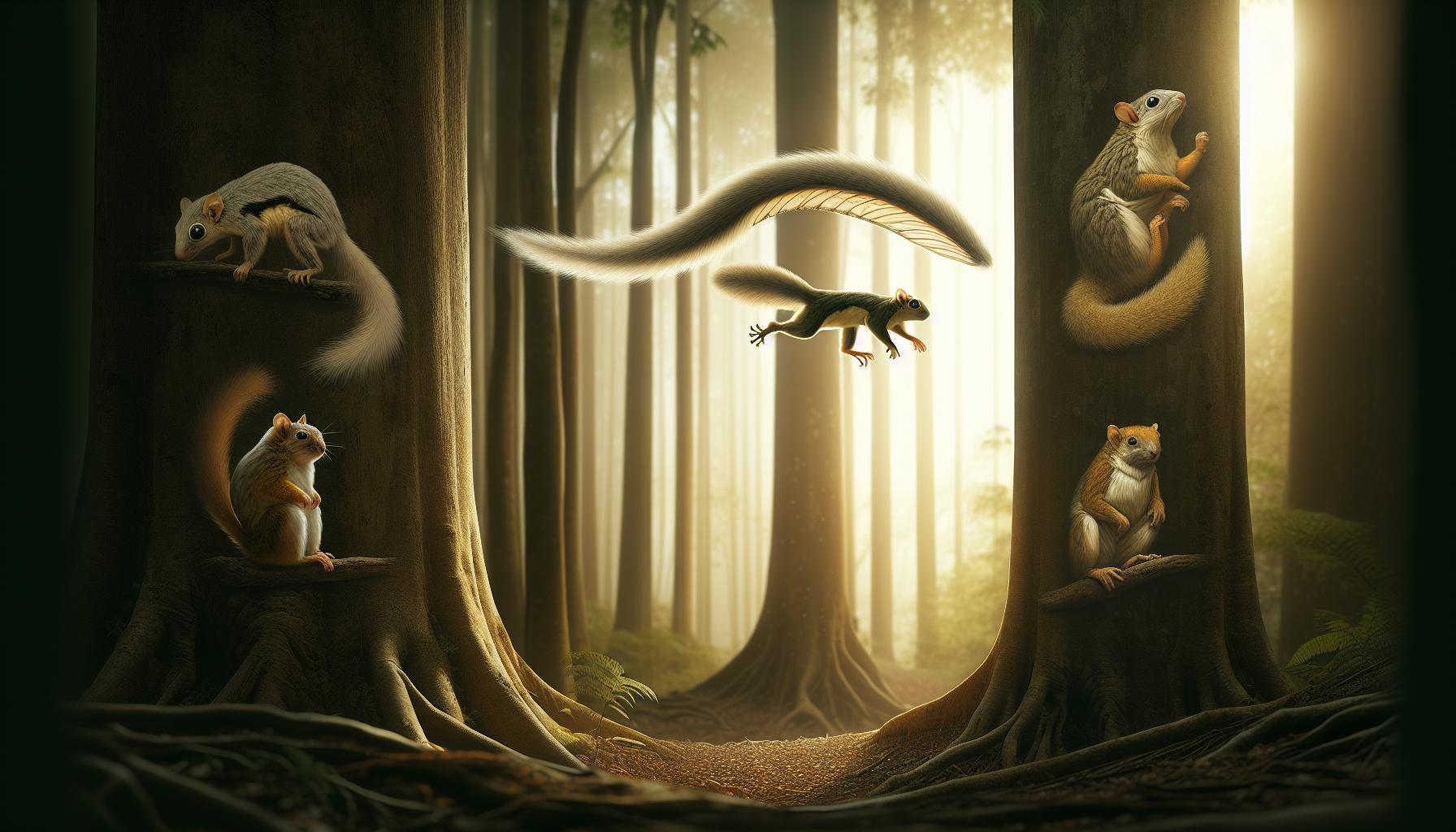
The evolution of flying squirrels is a captivating journey that showcases the wonders of adaptation in the animal kingdom. With their remarkable gliding abilities, these creatures have unique adaptations that set them apart from their terrestrial relatives. The lineage of flying squirrels is believed to date back over 40 million years, with their ancestors finding refuge in trees, which shaped their development into the agile gliders we see today. Their adaptations arise primarily from their need to navigate the forest canopy, a dynamic environment rich in resources but also fraught with challenges.
One of the most significant evolutionary features of flying squirrels is the patagium, a membrane that stretches from their wrists to ankles. This flexible skin allows them to glide seamlessly between trees, taking advantage of the vertical space in their ecosystems while avoiding ground predators. Fossil evidence suggests that as forests expanded, so did the flying squirrel’s ancestors, culminating in the development of specialized gliding capacities to exploit these arboreal habitats. Their gliding ability not only aids in escaping threats but also plays a crucial role in food foraging and mate selection.
To better understand the connection between evolutionary traits and nomenclature, consider the scientific names of flying squirrels. For instance, the Northern Flying Squirrel is classified as Glaucomys sabrinus, while the Southern Flying Squirrel holds the name Glaucomys volans. The genus name Glaucomys is derived from Greek, meaning “grey mouse,” reflecting their fur color and small size. This taxonomy is not merely a system of labels; it tells a story about their evolutionary history and the ecological niches they occupy.
The legacy of flying squirrels is not just an academic interest-they are pivotal members of their ecosystems, contributing to seed dispersal and promoting biodiversity. Their evolutionary journey emphasizes the importance of habitat conservation, as their specialized adaptations make them vulnerable to habitat loss. Understanding their fascinating evolution enhances our appreciation of these remarkable creatures, prompting us to support efforts to protect their natural environments and ensure their survival for future generations.
Common Species of Flying Squirrels and Their Traits
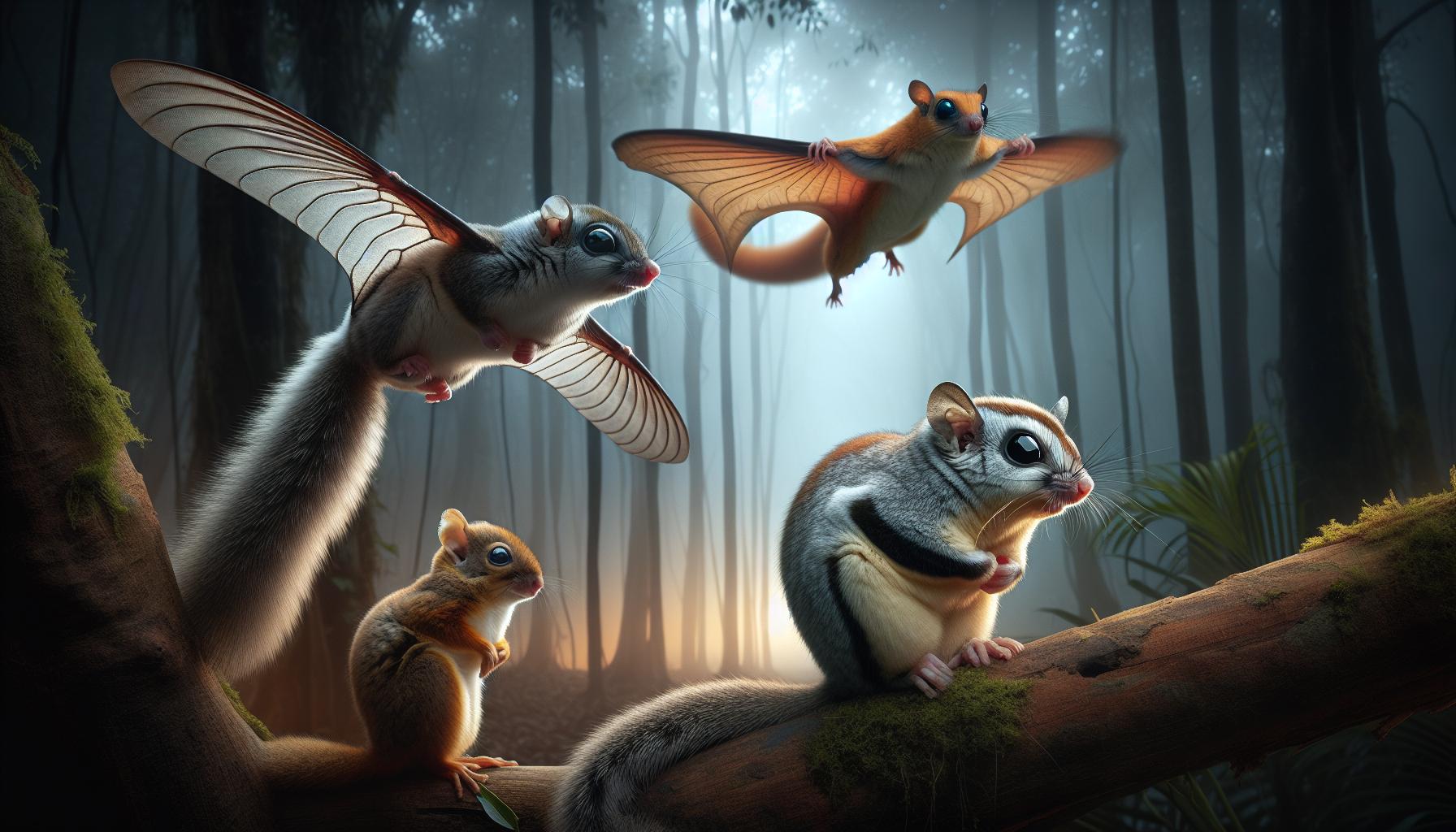
Flying squirrels are truly a marvel of nature, showcasing both incredible adaptations and diverse species across the globe. They aren’t just remarkable for their gliding abilities; each species brings unique traits to the table, allowing them to thrive in various environments. Let’s explore some of the most common flying squirrel species and highlight their fascinating characteristics.
Northern Flying Squirrel (Glaucomys sabrinus)
One of the most well-studied species, the Northern Flying Squirrel, is primarily found in mature forests across North America. This nocturnal creature has a soft, grayish-brown coat and large, expressive eyes that are perfect for nighttime navigation. Their size can range from about 10 to 12 inches in body length, not including their tail, which can add an additional 8 to 10 inches. These squirrels thrive in dense, old-growth forests, where they can glide between trees at impressive distances of up to 150 feet, thanks to their extensive patagium.
Southern Flying Squirrel (Glaucomys volans)
The Southern Flying Squirrel is slightly smaller, usually measuring around 9 to 10 inches long. Primarily found in the eastern United States, this species has a more chocolate-brown coloration compared to its northern counterpart. Southern Flying Squirrels are known for their playful nature and social behavior, often living in communal nests. They prefer habitats with plenty of tree cover and abundant food sources, which include nuts, fruits, and fungi. Their ability to glide helps them evade predators and find food more efficiently, making them quite adept at surviving in varied environments.
Pet-Quality Flying Squirrels
While most flying squirrels are wild animals, some enthusiasts choose to keep them as pets. When looking into this, it’s essential to consider the dietary and habitat needs that closely resemble their natural surroundings. Pet flying squirrels typically require spacious cages and enrichments that encourage climbing and foraging, closely mirroring their wild lifestyle. Owners must be aware of the legalities surrounding the ownership of flying squirrels as pets, as regulations can vary by region.
Flying squirrels make remarkable contributions to their ecosystems, including aiding in seed dispersal and maintaining forest health. Their agile movements in the treetops not only provide them with safety but also promote biodiversity by allowing various species to coexist in their habitats. By understanding the different species and their traits, we can appreciate these enchanting creatures and the intricate roles they play in their environments.
Scientific Names Explained: Why Do They Matter?
Understanding the scientific names of flying squirrels isn’t just an academic exercise; it offers a window into their biology and conservation status. Each scientific name comprises two parts: the genus and the species. For example, the Northern Flying Squirrel is classified as Glaucomys sabrinus, where Glaucomys tells us it belongs to the genus of flying squirrels. This classification system helps researchers communicate clearly about the different species, avoiding confusion that could arise from common names that vary by region.
These scientific names also carry historical significance. They often reflect characteristics of the animal or the person who discovered it. The term Glaucomys is derived from the Greek word for “glaucos,” meaning gray or blue-green, hinting at the beautiful coats of these nocturnal creatures. Knowing their scientific names allows enthusiasts and researchers alike to appreciate the evolutionary relationships between different species of flying squirrels and their unique adaptations to different environments.
Moreover, understanding these names is crucial for conservation efforts. When scientists identify a species as endangered or vulnerable, having an accurate name enables effective communication with policymakers and conservation organizations. Specific names allow for targeted efforts in habitat preservation, educational programs, and legal protections. For instance, knowing the specific habitat needs of the Southern Flying Squirrel (Glaucomys volans) can guide conservationists in restoring forests where these squirrels thrive.
In sum, scientific names are not just labels; they are keys to understanding and conserving the biodiversity of flying squirrels. By familiarizing ourselves with these names, we engage deeper with the natural world and contribute to the efforts that protect these amazing creatures.
Fun Facts About Flying Squirrel Behavior
Did you know that flying squirrels can’t actually fly? Instead, they glide gracefully through the air, thanks to a special membrane that stretches from their wrists to their ankles, allowing them to sail from tree to tree. This remarkable adaptation not only helps them evade predators but also makes them incredibly nimble in navigating their forest habitats.
Social creatures at heart, flying squirrels exhibit fascinating group behaviors. They often communicate with each other using a variety of vocalizations, including chirps and whistles. These sounds serve multiple purposes, such as attracting mates, warning of danger, or simply maintaining social bonds within a group. When it comes time to sleep, these nocturnal animals prefer to snuggle together in tree cavities or nests, sharing warmth and comfort during the chilly nights.
Curious Feeding Habits
Flying squirrels have a diverse diet primarily consisting of fruits, nuts, and fungi, and they are known to be quite the little foragers. Interestingly, they engage in a behavior known as “caching,” where they collect and store food in various locations to eat later. This is particularly important during winter months when food is scarce. Not only does this behavior ensure they have enough to eat, but it also plays a vital role in forest ecology: the nuts they forget to retrieve can sprout into new trees!
Finally, these captivating creatures are adaptable to their environments, showing variations in behavior depending on their geographic location. For instance, Northern Flying Squirrels (Glaucomys sabrinus) are more reliant on mature forests and tend to have a more solitary lifestyle, while Southern Flying Squirrels (Glaucomys volans) are commonly found in mixed habitats and often engage in group living. This behavioral diversity showcases their ability to thrive in a range of ecosystems, reminding us of the importance of preserving their habitats for future generations.
Flying Squirrel Habitats: Where Do They Live?
Flying squirrels thrive in lush, wooded habitats that provide the perfect environment for their unique gliding abilities. These adorable creatures are primarily found in North America, specifically in regions with ample tree cover, including deciduous and mixed forests. The trees not only offer a place to glide from, but they also serve as critical shelter for nesting and foraging. Interestingly, these habitats are not just limited to dense forests; flying squirrels can also adapt to urban areas with sufficient tree populations.
When considering the two main species-Northern Flying Squirrels (Glaucomys sabrinus) and Southern Flying Squirrels (Glaucomys volans)-each demonstrates distinct habitat preferences. The Northern Flying Squirrel favors mature forests, where large, old trees create the essential nesting cavities it relies on. Meanwhile, Southern Flying Squirrels are more versatile, often found in mixed habitats that include broadleaf trees, conifers, and even suburban neighborhoods, where they have been observed foraging for food scraps.
These nocturnal creatures are unique in their choice of living spaces; they typically build nests in hollows of trees or in leaf nests called dreys, which are constructed high above the ground from twigs and leaves. This strategic choice not only keeps them safe from ground predators but also allows easy access to their food sources, such as nuts, fruits, and fungi, found throughout their vertical playground.
Understanding where flying squirrels live is crucial for their conservation. Preserving their forest habitats ensures they have everything they need to thrive-both for their survival and the overall health of the ecosystems they inhabit. Their presence indicates a rich and diverse forest, which is a sign of a healthy environment. So, next time you’re in a wooded area, keep an eye out for these enigmatic gliders; with a little luck, you might catch a glimpse of them soaring gracefully through the trees.
Dietary Needs and Feeding Habits of Flying Squirrels
Flying squirrels are not only adorable but are also fascinating for their unique dietary needs and feeding habits. These nocturnal mammals primarily thrive on a diet rich in nuts and seeds, with a particular fondness for acorns. They are classified as granivores, meaning their diet heavily includes plant-based foods. In addition to nuts and seeds, flying squirrels can also enjoy lichen and various types of fungi, which are abundant in their forested habitats. This diverse diet is vital for their health, especially during colder months when food sources become scarce.
While they are opportunistic feeders, their reliance on certain food types can vary based on geographic location and seasonal changes. For instance, in late summer and fall, they may focus on storing acorns and hickory nuts, which they cache for the winter. This behavior highlights their intelligent planning and resourcefulness. In suburban areas, they have been observed scavenging for leftover human food scraps, showcasing their adaptability and versatility when it comes to feeding.
Understanding the dietary habits of flying squirrels is essential for those who might consider keeping them as pets. They require a balanced diet that mimics their wild feeding patterns. This can include not just nuts and seeds, but also fruits and vegetables from your grocery store. It’s crucial to provide a varied menu, as relying too heavily on one type of food could lead to nutritional deficiencies. When cared for in a domestic setting, offering supplements and specialized foods designed for flying squirrels can help ensure they receive proper nutrition while keeping their playful and spirited nature intact.
Ultimately, flying squirrels play an important role in their ecosystems by aiding in seed dispersal, which contributes to forest growth and health. Observing their foraging behavior can be a delightful experience, revealing their intricate connections to the environment around them. So, whether you’re a wildlife enthusiast or simply curious about these charming animals, understanding their dietary needs enriches your appreciation of their role in nature.
Flying Squirrels in Pop Culture: Myths and Misconceptions
Flying squirrels have captured the imagination of many, often portrayed in ways that veer into the realm of myth. These enchanting creatures, known scientifically as members of the family Sciuridae, often get mistaken for other types of wildlife or even mythical beings due to their unique ability to glide. This capability has led to assumptions that they are merely magical creatures rather than the fascinating mammals they truly are. For example, many people presume they can actually “fly” like birds, which is a significant misconception. In reality, flying squirrels glide through the air using a special membrane called the patagium, stretching between their front and hind limbs, allowing them to soar gracefully among trees.
Cinematic portrayals often embellish the lives of flying squirrels, showcasing them as whimsical sidekicks to various animated heroes. Films and cartoons frequently depict these animals exhibiting human-like traits or engaging in elaborate action sequences, which can lead to misunderstandings regarding their true behavior and ecological role. In actuality, flying squirrels are primarily nocturnal, leading a lifestyle filled with foraging and socializing in quieter environments. Their natural instincts and behaviors involve a level of subtlety that isn’t always conveyed in media, where they are depicted as cheeky or overly talkative.
Many folks are curious about scientific names, too; flying squirrels belong to different genera, including *Petaurista* for the largest species, like the Indian giant flying squirrel, and *Glaucomys* for the common flying squirrels found in North America. The complexity of their scientific classification can sometimes confuse animal enthusiasts, leading to the belief that there are many different “types” of flying squirrels when in fact they represent a range of species with specific adaptations for gliding. It’s important to clarify that these categorizations are essential for conservation efforts, as they help biologists understand the habitat needs and risks faced by different species.
Ultimately, taking the time to debunk these myths can enhance our appreciation for flying squirrels. By understanding their true nature, behaviors, and scientific significance, we can foster a deeper respect for these incredible creatures and their vital role in our ecosystems. As wildlife enthusiasts, exploring the reality of flying squirrels beyond pop culture interpretations will enrich our connection to these remarkable animals.
Conservation Status: Protecting These Amazing Creatures
In the wild, flying squirrels face numerous challenges that threaten their populations. Habitat destruction, primarily due to urban development and logging, is one of the most significant threats. As forests shrink, these creatures lose their homes and vital social structures, leading to fragile populations. Recognizing their scientific names, like Petaurista for the giant species and Glaucomys for the common varieties, plays a crucial role in conservation efforts. By classifying them properly, conservationists can focus on the specific needs of each species, devising targeted strategies to protect them.
Moreover, pollution and climate change exacerbate habitat degradation, impacting food sources and overall ecosystem health. As temperatures rise, the delicate balance within their habitats shifts, potentially endangering their survival. To combat these threats, local and global conservation initiatives are becoming increasingly critical. Organizations work to establish protected areas and ensure sustainable forestry practices, fostering environments where flying squirrels can thrive. Encouragingly, some regions are seeing success stories as populations stabilize with effective conservation measures.
It’s essential for wildlife enthusiasts and the general public to engage with these efforts. Individuals can contribute by advocating for wildlife-friendly policies, participating in local conservation programs, or simply spreading awareness about the importance of preserving this enchanting species. Taking small actions, like creating flying squirrel-friendly environments in backyards-such as providing trees and nesting boxes-can make a difference. Each of us has a role to play in safeguarding these remarkable creatures for future generations, ensuring they continue to glide through our forests for many years to come.
How to Care for Flying Squirrels as Pets
Caring for a flying squirrel as a pet can be a rewarding experience for animal lovers, but it also comes with responsibilities that require commitment and knowledge. These fascinating creatures, particularly the common species like Glaucomys volans, thrive in environments that mimic their natural habitat. Understanding their needs will help ensure a happy and healthy life for your new pet.
First and foremost, flying squirrels require a spacious cage that allows for plenty of climbing and gliding. A multi-level cage filled with branches and platforms will encourage their natural behaviors. Nesting boxes are essential, as they provide a safe retreat and a place to sleep. Remember, these nocturnal animals are most active at night, so creating an environment that accommodates their night-time activities is crucial. Furthermore, consider providing soft bedding materials, such as shredded paper or fabric, to keep them comfortable.
When it comes to diet, flying squirrels are omnivores and require a balanced mix of foods. A high-quality pellet specifically designed for flying squirrels should form the base of their diet. Supplement this with fresh fruits, vegetables, and occasional protein sources like insects or cooked eggs. It’s important to avoid foods high in sugar or fat, such as peanuts and human snacks, as these can lead to obesity and health issues.
In addition to proper housing and diet, flying squirrels thrive on social interaction and stimulation. Regular playtime outside their cage is essential-just be sure to squirrel-proof the area. This not only enriches their life but also builds trust between you and your pet. Introducing toys like ropes to climb, foraging toys, and hammocks can also keep them engaged. Always be gentle and patient, as flying squirrels can be skittish and need time to adjust to their new surroundings.
Incorporating these elements into your flying squirrel care routine not only supports their physical well-being but also nurtures a strong bond. Their playful and curious nature can bring joy to any home, making the effort well worth it. Remember, understanding their specific habits and needs-stemming from their scientific names like Petaurista for larger species-rejuvenates your pet care experience while contributing positively to conservation awareness and the well-being of these unique creatures.
Understanding the Importance of Flying Squirrels in Ecosystems
The critical role flying squirrels play in their ecosystems often goes unnoticed, yet these small creatures contribute significantly to their environment. As nocturnal foragers, flying squirrels primarily feed on fruits, nuts, and fungi, playing a crucial role in seed dispersal. When they eat fruits and nuts, the undigested seeds are often scattered across their territory, allowing for new plants and trees to grow. This natural process helps maintain forest diversity and supports the intricate balance of their ecosystems.
Moreover, flying squirrels act as prey for various larger predators, including owls, hawks, and foxes. Their presence in the food chain is essential for sustaining these predator populations. By being part of this cycle, flying squirrels help regulate the populations of species above them in the food web, illustrating their integral role in promoting ecological stability. Furthermore, their nesting sites often provide homes and safety for other wildlife, including birds and small mammals, demonstrating their interconnectedness with different species in their habitat.
Conservation of flying squirrels is vital not only for their survival but also for the health of the ecosystems they inhabit. Habitat destruction, particularly from urbanization and logging, poses significant threats to these creatures. Maintaining forested areas and creating wildlife corridors can aid in ensuring that these remarkable animals continue to thrive in the wild. Supporting local conservation efforts can make a profound difference, encouraging a healthier environment for all species involved in the intricate web of life.
By understanding the importance of flying squirrels, we not only admire their unique qualities but also recognize the broader ecological implications of their existence. As we continue to explore the natural world, these seemingly small creatures remind us of the interconnectedness of life and the necessity to protect and conserve the habitats that sustain them.
Tips for Spotting Flying Squirrels in the Wild
While flying squirrels are primarily nocturnal and often go unnoticed, spotting them in their natural habitat can be an exciting endeavor for wildlife enthusiasts. These agile gliders use their unique membranes, called patagia, to soar between trees, which makes them fascinating subjects for observation. Understanding their behavior and preferred environments will greatly enhance your chances of seeing these elusive creatures.
To increase your likelihood of spotting flying squirrels, consider venturing out during early morning or late evening when they are most active. Select areas with dense trees, especially hardwoods like oaks and hickories, as these provide ample food sources and nesting sites. In fact, flying squirrels thrive in forests with mature trees that have plenty of cavities or hollows for them to nest in.
When you are in the field, keep an eye out for movement in the trees. Their large eyes and soft fur can sometimes blend with the bark, making them hard to spot. Listen carefully for their soft chirps or the rustling of leaves as they glide through the canopy. Bring binoculars for a closer view and practice remaining quiet, as too much noise can scare them away.
Another great tip is to look for signs of their presence. You might see small holes in trees or accumulating nest debris beneath potential nesting sites-these can be indicators that flying squirrels are nearby. Additionally, scatter some unsalted nuts or fruits near areas where you suspect they might be, as this can attract them temporarily for a better viewing opportunity.
Remember to approach any wildlife watching responsibly. Observe from a distance to avoid disturbing their natural behaviors, and do not attempt to touch or feed them directly. Respecting their habitat helps ensure these delightful creatures remain a part of our ecosystem for generations to come.
Frequently Asked Questions
“`markdown
Q: What is the scientific name of the common flying squirrel?
A: The scientific name of the common flying squirrel is *Glaucomys volans*. This species is primarily found in North America and is known for its ability to glide through the trees using a membrane that stretches from its wrist to its ankles.
Q: How many species of flying squirrels are there?
A: There are approximately 50 species of flying squirrels worldwide. The most well-known include the northern flying squirrel (*Glaucomys sabrinus*) and the southern flying squirrel (*Glaucomys volans*), each adapted to various habitats.
Q: Are flying squirrels rodents?
A: Yes, flying squirrels are classified as rodents in the family Sciuridae. They share many characteristics with other rodents, including continuously growing incisors and a propensity for climbing and gliding.
Q: What is the difference between flying squirrels and sugar gliders?
A: Flying squirrels belong to the family Sciuridae, while sugar gliders are marsupials from the family Petauridae. Despite both being capable of gliding, their biological classifications and habitats differ significantly.
Q: Why do flying squirrels have such large eyes?
A: Flying squirrels possess large eyes to enhance their night vision, allowing them to be more active during dusk and dawn. This adaptation helps them navigate and find food in low-light conditions.
Q: Where do flying squirrels typically live?
A: Flying squirrels are usually found in wooded areas, specifically deciduous and mixed forests. They prefer habitats with ample trees for gliding and nesting sites, such as tree cavities or hollows.
Q: What is the role of flying squirrels in the ecosystem?
A: Flying squirrels play a crucial role in their ecosystems by aiding in seed dispersal and supporting the health of forest habitats. Their foraging habits help maintain biodiversity within their environments.
Q: Can flying squirrels be kept as pets?
A: Yes, flying squirrels can be kept as pets, but they require specialized care, social interaction, and a suitable habitat. It is essential to research their needs and ensure proper care before considering them as pets.
“`
In Conclusion
Thank you for exploring the fascinating world of flying squirrels! Now that you’ve learned about their scientific names and unique characteristics, why not dive deeper? Check out our articles on the behavior of flying squirrels and how to care for them as pets for even more engaging insights.
If you’re curious about their habitats or want tips on responsible ownership, we have plenty of resources to guide you. Don’t forget to sign up for our newsletter to stay updated on all things wildlife! Your journey into the animal kingdom doesn’t have to end here-share your thoughts in the comments and connect with other wildlife enthusiasts. Together, we can uncover more wonders of nature!
Get our latest guides, news, and insights highlighted in your Google Search & AI Overviews.