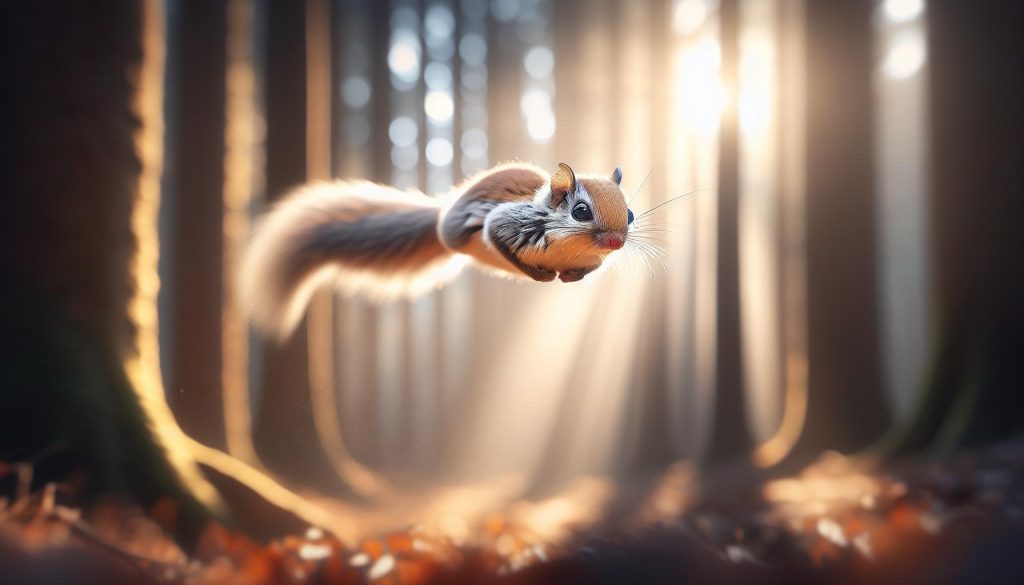
Have you ever spotted a flying squirrel gliding gracefully between trees and wondered what makes these creatures so unique? Flying squirrels are not only fascinating for their extraordinary ability to glide through the air but also for their distinctive features that set them apart from their terrestrial relatives. With large, expressive eyes and a unique membrane stretching between their limbs, these nocturnal wonders are a joy to observe. In this photo guide, we’ll delve into what flying squirrels look like, exploring their varied colorations, sizes, and characteristics. Whether you’re a wildlife enthusiast or just curious about these enchanting animals, you’ll find engaging insights that enhance your appreciation for them. Join us on this exciting journey to discover the charm of flying squirrels and learn why they deserve a place in our hearts and ecosystems.
What Do Flying Squirrels Look Like? Key Features Explained
Flying squirrels are captivating creatures, with features that blend functionality and charm. These nocturnal animals possess large, expressive eyes specialized for low-light conditions, enhancing their ability to forage at night. Their soft, thick fur coats serve as insulation against the cold, allowing them to thrive in diverse environments, particularly in wooded areas where they can glide among the trees. One of their most distinctive traits is the patagium, a membrane that extends from their wrists to their ankles. When spread wide during gliding, it provides a remarkable surface area to catch air, allowing them to soar gracefully from branch to branch.
Distinctive Colorations and Patterns
The coloration of flying squirrels adds to their appeal. Typically, the northern flying squirrel (Glaucomys sabrinus) sports a mix of gray and brown fur, offering excellent camouflage against tree bark. In contrast, the southern flying squirrel (Glaucomys volans) has a lighter, almost creamy underbelly with a rich brown upper body. These hues not only help these animals blend in with their surroundings but also play a role in communication, as subtle changes in fur texture can be observed during social interactions.
Body Structure: Size and Shape
Flying squirrels vary in size depending on their species. The northern variety measures about 10 to 12 inches in length, while the southern flying squirrel is slightly smaller, typically around 9 to 11 inches. They have flattened tails that serve as rudders during flight, helping them navigate through the air with precision. Their limbs are uniquely adapted, allowing them to grasp tightly to branches, and their claws are excellent for climbing.
The Amazing Membrane: Understanding the Patagium
The patagium is one of the most incredible anatomical features of flying squirrels. This skin membrane is not just for show; it is essential for their gliding ability. By stretching out their limbs and spreading the patagium, flying squirrels can glide distances of up to 500 feet. This adaptation not only aids in escaping predators but also helps them traverse vast spaces in search of food and mates.
With such fascinating adaptations, flying squirrels showcase the wonders of evolution, merging beauty and utility in their design. Spotting these remarkable animals in the wild can be a thrilling experience, especially during dusk when they become most active and vocal. Whether you’re an avid wildlife enthusiast or simply curious, understanding the features of flying squirrels enhances appreciation for these enchanting mammals.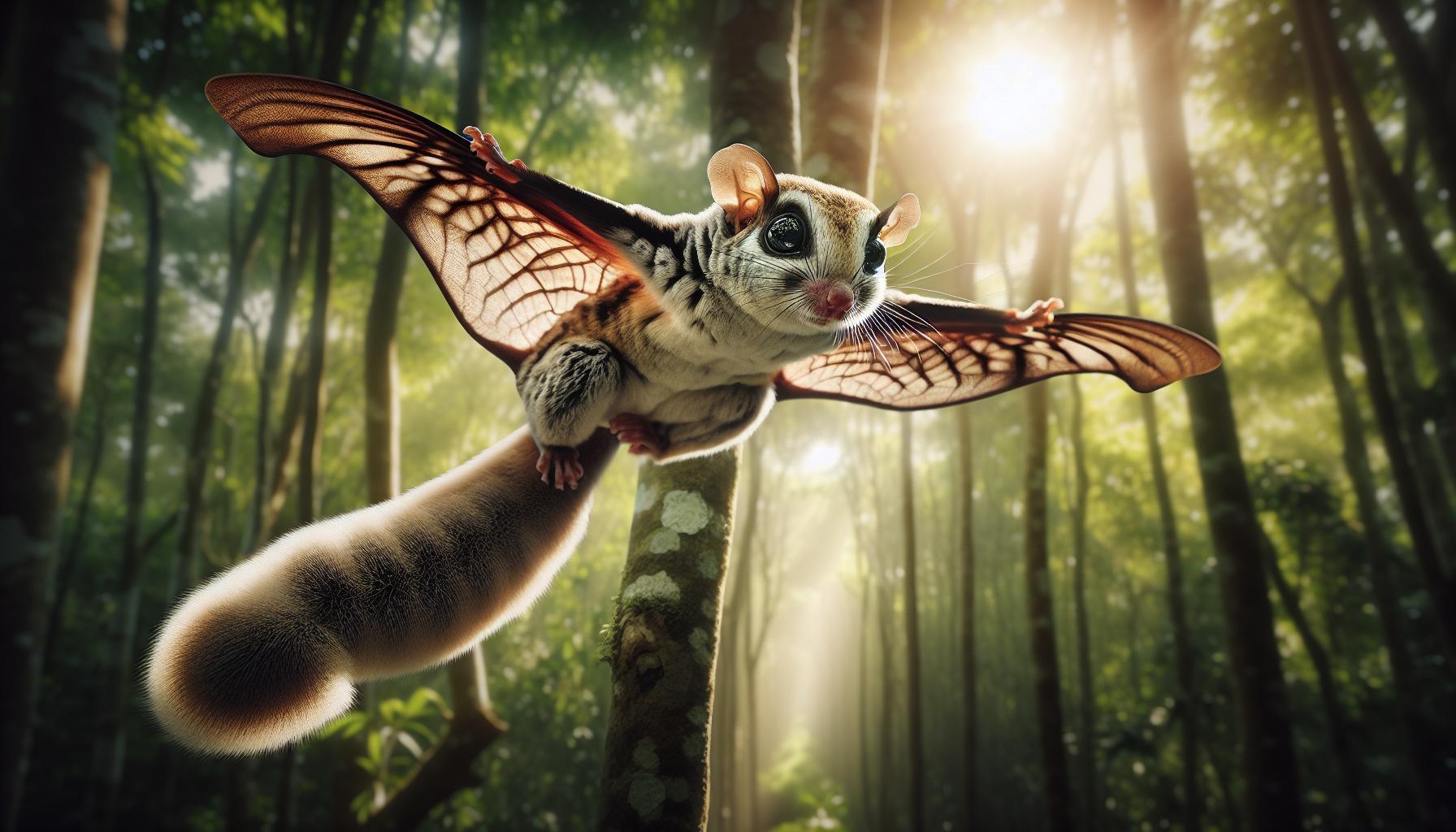
Distinctive Colorations and Patterns of Flying Squirrels
The stunning appearances of flying squirrels are not only a feast for the eyes but also critical for their survival. With their unique colorations and patterns, these nocturnal creatures are beautifully adapted to their forested habitats. The northern flying squirrel (Glaucomys sabrinus) showcases a delightful mix of gray and brown fur that allows it to blend seamlessly into the bark of trees-an essential trait for avoiding predators. In contrast, the southern flying squirrel (Glaucomys volans) presents a more distinct visual palette, characterized by a creamy underbelly coupled with a rich brown upper body, creating a striking yet effective camouflage against the dappled light of their wooded environments.
Color plays a vital role beyond aesthetics; it also impacts social interaction among these animals. The subtle differences in fur texture and shade can convey important messages between individuals, especially during mating rituals or territorial disputes. When viewed under UV light, flying squirrels reveal an even more fascinating aspect of their fur-they glow a pinkish hue! This bioluminescence is thought to play a role in communication, particularly at night when their visibility is limited.
Flying squirrels also exhibit variations in coloration across different regions and environments. For instance, those living in colder climates may have thicker, denser fur that not only provides warmth but also a slightly different coloration to better match their snowy surroundings. This adaptability showcases the remarkable resilience and evolutionary tactics of these enchanting mammals. If you’re keen to spot them in the wild, look for these unique hues and patterns as they glide gracefully among the branches, their captivating appearances reflecting their extraordinary adaptations to life high above the ground.
Body Structure: Size and Shape of Flying Squirrels
The flying squirrel is a true marvel of nature, combining a petite frame with remarkable adaptations for a life among the treetops. These nocturnal creatures typically measure between 8 and 12 inches long, including their bushy tails, which can add an additional 8 to 10 inches to their overall length. Their size allows them to navigate through branches with agility, and their lightweight bodies facilitate gliding, which is essential for their survival.
In terms of structure, flying squirrels possess a unique body design that includes rounded faces, large, expressive eyes, and small, furry ears. This facial structure not only enhances their adorable appearance but also serves crucial functions in their nocturnal life. The large eyes are specially adapted for low-light environments, giving them excellent night vision to spot potential predators or prey during their twilight activities. Their bodies are equipped with a specialized membrane, called the patagium, which stretches from their wrists to their ankles. This amazing feature enables them to glide effectively from tree to tree, achieving distances of up to 150 feet in a single leap.
Key Measurements
| Feature | Measurement |
|---|---|
| Body Length | 8 to 12 inches |
| Tail Length | 8 to 10 inches |
| Weight | 4 to 5 ounces |
This lightweight yet sturdy design is crucial for their gliding ability. When they jump from a heights, they stretch their limbs, deploying their patagium to catch air like a parachute. This action not only aids in travel but also makes them appear larger to potential predators. The tail, often used for balance and steering during glides, also plays a role in communication and social interactions among flying squirrels.
In summary, the unique size and shape of flying squirrels illustrate nature’s ingenuity. Their adaptations not only allow them to thrive in their woodland habitats but also enhance their charm, drawing in wildlife enthusiasts and casual observers alike. Whether they’re silently navigating the night sky or playfully interacting with each other, flying squirrels continue to captivate our imagination with their graceful form and fascinating abilities.
The Amazing Membrane: Understanding the Patagium
The patagium is nothing short of a biological marvel, serving as the key to the flying squirrel’s enchanting ability to glide from tree to tree. This unique membrane, a parachute-like flap of skin, stretches from their wrists all the way down to their ankles. When a flying squirrel leaps, it stretches out its limbs, deploying this specialized membrane to catch air. Think of it as nature’s own version of a hang glider! This clever adaptation not only allows them to glide gracefully but also helps them navigate their forested habitats in search of food and shelter.
The effectiveness of the patagium is evident in the remarkable distances flying squirrels can cover during a single glide-up to 150 feet! This capability is essential for avoiding predators and reaching food sources without descending to the forest floor. The wingspan created by the patagium enhances their aerial maneuverability, allowing them to glide smoothly between trees and even change direction mid-air. It’s a breathtaking sight, reminiscent of the way birds take flight, showcasing the wonders of evolutionary design.
Furthermore, the patagium is also beneficial in communicating with other squirrels. By altering their body position and movements while gliding or landing, they can convey different messages to their companions, strengthening social bonds within their groups. This fascinating feature symbolizes not just their adaptation to arboreal life but also their rich interaction within the ecosystem.
In essence, understanding the patagium shines a light on the incredible adaptations that enable flying squirrels to thrive in their environments. It serves as a reminder of how nature innovates through evolution, creating unique solutions for survival in the wild. So the next time you catch a glimpse of a flying squirrel gliding through the night sky, take a moment to appreciate the marvelous engineering of their patagium!
Comparing Flying Squirrel Species: A Visual Guide
Did you know that there are several fascinating species of flying squirrels, each with its own unique characteristics? These nocturnal creatures are not only captivating with their gliding abilities but also come in different sizes and colors, making them a delight for wildlife enthusiasts. In this section, we’ll explore some of the most notable species of flying squirrels, providing a visual guide that highlights their differences and similarities.
Popular Species of Flying Squirrels
- Southern Flying Squirrel (Glaucomys volans): One of the most common species in North America, the Southern Flying Squirrel is about 8-10 inches long, including its tail. It has soft grayish-brown fur, which blends perfectly with the bark of the trees it inhabits. Their large, dark eyes help them navigate in the low light of dawn and dusk, which is when they are most active.
- Northern Flying Squirrel (Glaucomys sabrinus): Slightly larger than its southern counterpart, the Northern Flying Squirrel can grow up to 12 inches long. This species has a thicker coat, typically exhibiting a more silvery-gray hue, and is found in the northeastern U.S. and Canada. It thrives in mature forests, where it can glide between tall trees.
- Western Flying Squirrel (Glaucomys oregonensis): As the name suggests, this species is native to the western United States. Smaller than the Northern species, the Western Flying Squirrel measures about 8-10 inches. It has a distinctive cream-colored underside and a darker back, making it easily identifiable in its mountainous habitat.
- Asian Flying Squirrels: Various species, such as the Petaurista genus, are found across Asia, including the giant flying squirrel. These squirrels can surpass three feet in length and showcase a stunning array of fur colors, often with intricate patterns that help camouflage them in the canopy.
Visual Features and Behavior
The physical characteristics of these species can be quite enlightening. For instance, while all flying squirrels have the signature patagium-a membrane that allows them to glide-they may differ in the length and width of their tails, as well as the thickness of their fur. These adaptations are crucial for their survival and locomotive efficiency in various environments.
When it comes to behavior, despite being primarily nocturnal, flying squirrels share their habitats with other species. Observing how they interact can provide insight into their social structures and communication methods. For example, young flying squirrels often exhibit playful behavior that not only strengthens their social bonds but also hones their gliding skills, an essential survival trait.
Understanding the differences among flying squirrel species enhances our appreciation of these unique animals. From their physical attributes to their habitat preferences, each species presents a fascinating glimpse into the diverse world of wildlife. Whether you’re an aspiring wildlife photographer or just a curious nature lover, spotting different types of flying squirrels in the wild can be an unforgettable experience.
Where to Spot Flying Squirrels in the Wild
If you’re eager to catch a glimpse of these enchanting creatures, knowing where and when to look is vital. Flying squirrels are primarily nocturnal, so your best chances of spotting them are during the twilight hours, either at dusk or just before dawn when they are most active. These elusive critters prefer wooded areas with mature trees, as they rely on the canopy for gliding. Here are some prime spots to consider:
- Wooded Parks and Nature Reserves: Many flying squirrels can be found in urban parks or nature reserves that have dense woodland. Locations like Natural Bridge State Park in Kentucky, which is known for sightings around bird feeders, can be a great starting point to observe them in their natural habitat [[1]].
- Forested Areas: Look for areas with big trees and plenty of cover. The southern flying squirrels are commonly seen in the southeastern United States, while the northern flying squirrels inhabit the northeastern U.S. and Canada. You might try visiting dense forests in these regions-especially those that host a mix of hardwoods and conifers, as they attract various insects and fruits that flying squirrels enjoy.
- Mountain Regions: If you’re on the west coast, the Western Flying Squirrel thrives in mountainous areas like the Sierra Nevada, where it glides among conifers. Hiking in these regions during the right season can lead to delightful encounters with these agile gliders.
- Nighttime Spotting: When searching for flying squirrels, go out equipped with a flashlight. You can spot their large, reflective eyes shining in the dark. Pay attention to tree trunks and branches as they tend to glide from one tree to another. If you’re quiet and patient, you might be rewarded with the sight of them launching gracefully through the air.
Understanding their habitats and knowing the right times to observe can significantly enhance your chances of spotting these fascinating animals. Whether you’re an avid nature enthusiast or a casual observer, being in the right place at the right time can lead to one of the most charming wildlife encounters imaginable.
Behavioral Traits: Unique Characteristics of Flying Squirrels
Flying squirrels are not just remarkable for their ability to glide between trees; they are also fascinating in their behavior and social dynamics. These nocturnal creatures display a range of unique traits that set them apart from other squirrels. For instance, southern flying squirrels are known for their intelligence and curiosity, often exploring their environments with remarkable agility. They possess excellent climbing skills and can navigate their arboreal habitats with ease, making them adept at evading predators and foraging for food.
One noteworthy aspect of their behavior is their social structure. Unlike many other squirrel species that tend to be solitary or territorial, flying squirrels often live in groups, sometimes sharing nests with multiple individuals. This communal living provides them with warmth during colder months and enhances their safety in numbers. Notably, female flying squirrels can exhibit more territorial behavior, especially concerning nesting sites, whereas males are generally more tolerant and less aggressive. This dynamic facilitates a complex social interaction within their groups, essential for their survival.
Furthermore, their communication styles are quite unique. Flying squirrels use a range of vocalizations, from soft chirps to loud barks, to convey different messages, whether it’s signaling danger or coordinating movements within a group. These vocalizations, combined with their large, expressive eyes well-adapted for low-light conditions, help them navigate and communicate during their nocturnal activities.
In summary, understanding the behavioral traits of flying squirrels enhances our appreciation for these extraordinary rodents. Their social structures, communication styles, and remarkable adaptations to a nocturnal lifestyle make them an intriguing subject for wildlife enthusiasts. Whether you’re observing them gliding through the trees or watching their playful antics from a distance, there’s no denying the charm of these agile little creatures.
Similarities and Differences: Flying Squirrels vs. Other Squirrels
Flying squirrels are unique among their rodent relatives, standing out not only for their gliding abilities but also for their distinct physical and behavioral traits. When comparing them to other squirrels, such as the more commonly known tree squirrels, several similarities and differences emerge, enriching our understanding of these fascinating creatures.
For starters, both flying squirrels and other squirrel species share common characteristics such as a bushy tail, sharp claws, and a diet that includes nuts, fruits, and vegetation. However, flying squirrels are generally smaller and possess a patagium, which is a membrane stretching from their limbs that enables them to glide gracefully between trees. This adaptation is a significant point of divergence; unlike ground or tree squirrels that rely primarily on running and climbing, flying squirrels escape predators by gliding, often covering distances of up to 150 feet in a single leap.
Distinctive Features
When it comes to distinguishing features, flying squirrels often have a softer, denser fur, typically ranging from grayish to reddish-brown hues, allowing them to blend seamlessly into their arboreal habitats. In contrast, tree squirrels, like the familiar gray squirrel, usually have coarser fur and exhibit a more varied coloration, often including starkly defined patterns. This camouflage is crucial for flying squirrels, as they are nocturnal and need to avoid predators in low-light conditions.
Social and Behavioral Differences
Behaviorally, flying squirrels tend to be more social than their tree-dwelling cousins. While most tree squirrels are solitary or live in pairs, flying squirrels often gather in family groups, sharing nests for warmth and safety. Their vocalizations range from soft chirps to distinctive barks, facilitating their communication within these social groups. Unlike the often territorial nature of tree squirrels, especially during mating seasons, flying squirrels exhibit a more communal behavior, fostering a supportive social structure that can be advantageous for survival.
In conclusion, while flying squirrels share some basic traits with other squirrels, their unique adaptations for gliding, softer fur, and social behaviors set them apart in the world of rodents. Observing these differences not only enhances our appreciation for flying squirrels but also deepens our understanding of the diverse strategies squirrels have evolved to thrive in their environments.
Captivating Photos: Visual Documentation of Flying Squirrels
Flying squirrels enchant us with their graceful gliding abilities and adorable appearance, making them a favorite subject for photography. These small, nocturnal creatures boast soft, dense fur that can vary in color from a warm reddish-brown to a cooler grayish hue. Capturing their playful antics in the wild or in a backyard habitat is not only enjoyable but also gives us a glimpse into their unique lifestyles.
A stunning photograph of a flying squirrel mid-glide can reveal the powerful extension of the patagium, the membrane that allows them to soar from tree to tree. When photographing them, keep in mind their activity peaks during twilight and nightfall; using a camera with good low-light performance will help you capture those fleeting moments as they leap from branch to branch. Look for settings rich in trees and ideally where there’s little disturbance, as these adorable animals are more likely to appear in calm environments.
To make your photography efforts more rewarding, consider the following tips:
- Be Patient: Flying squirrels are naturally shy and may take time to emerge from their nests.
- Use the Right Equipment: A camera with a zoom lens allows you to photograph these creatures from a distance, minimizing stress on them.
- Observe Their Behavior: Spending time watching their movements before snapping photos can help you anticipate their jumps and postures.
- Respect Their Space: Always prioritize the squirrels’ wellbeing-avoid causing too much noise or disruption?
Photographs can capture their delightful expressions and social interactions, as flying squirrels often gather in small family groups. Each image tells a story of their strong family bonds, playful traits, and adaptability to their forest environments. Sharing these visuals not only highlights their beauty but also raises awareness about their conservation needs, inspiring others to appreciate and protect these amazing gliders of the canopy. So, grab your camera and set out on an adventure to document the charming world of flying squirrels!
What to Consider Before Adopting a Flying Squirrel
Adopting a flying squirrel might seem like a whimsical idea, but it comes with serious responsibilities. These charming nocturnal creatures require a specific environment and set of care practices to thrive. Before making the leap, it’s important to consider their unique behavioral needs, diet, and social requirements. Flying squirrels are social animals that can easily become lonely, so it’s often recommended to keep them in pairs if possible. Understanding their natural instincts is crucial; they glide and leap, needing ample space to exercise and explore.
Creating a suitable habitat is paramount. Flying squirrels need tall cages with plenty of levels and room to glide. A minimum cage height of 4 to 6 feet is advisable, along with various branches to mimic their natural environment. Be prepared for some initial investment not only in a proper enclosure but also in enrichment items like tunnels, hammocks, and climbing toys that stimulate their physically active lifestyle.
Diet is another key point to consider. Flying squirrels thrive on a balanced diet that includes high-quality pellets, fresh fruits, and vegetables. It’s essential to avoid a diet too high in sugars and fats, which can lead to health issues. Consulting with a veterinarian who specializes in exotic pets can help you devise an appropriate feeding plan.
Lastly, flying squirrels are typically very shy creatures and can take time to become accustomed to their human companions. Patience is vital, as forcing interactions can lead to stress for the animal. Think about whether you can provide the attention and enrichment these animals need, and ensure that you are ready for a long-term commitment-flying squirrels can live for up to 15 years in captivity. By fully understanding their requirements, you can create a rewarding environment for both you and your new furry friend.
Conservation Status: Protecting Our Flying Squirrel Friends
Flying squirrels are captivating creatures known for their enchanting gliding abilities, but they face significant conservation challenges. Many flying squirrel species, particularly those that depend on mature forests, are experiencing population declines due to habitat loss from logging and urban development. For instance, the Carolina northern flying squirrel is specifically highlighted as an endangered species, carefully monitored through annual population counts in its natural habitat at Grandfather Mountain, North Carolina [[3]](https://grandfather.com/flying-squirrels/).
Protecting these unique animals starts with understanding their specific habitat requirements. Flying squirrels thrive in forests rich in trees with thick canopies that provide both food and shelter. Conservation efforts focus on preserving these habitats and restoring areas that have been degraded. Effective actions include reforestation initiatives and creating protected areas where humans cannot encroach on their habitat. Moreover, engaging local communities in conservation efforts, such as promoting awareness about the ecological roles of flying squirrels and the impact of deforestation, is crucial for long-term success.
Diverse organizations and research efforts are dedicated to reversing the trends affecting flying squirrels. For example, rescue and rehabilitation programs, like those that work with the red giant flying squirrel, serve as a testament to the positive impacts humanity can have on wildlife preservation [[2]](https://chandrimadebi.com/rescuing-red-giant-flying-squirrel-wildlife-conservation/). There are also collaborative research initiatives to study their behaviors and interactions within ecosystems, providing critical information that can inform better conservation strategies.
As stewards of the environment, we can contribute to the well-being of flying squirrels. Simple actions such as supporting sustainable forestry practices, participating in local conservation projects, and advocating for the protection of natural habitats can make a difference. By fostering a connection with these extraordinary animals and understanding their ecological importance, we can help ensure that future generations will continue to marvel at their gliding grace and vibrant sociability.
Fun Facts About Flying Squirrels That Will Amaze You
Did you know that flying squirrels have an incredible ability to glide over 150 feet in a single leap? These small mammals are not only agile gliders but also have some unique adaptations that make them fascinating to observe and study. Their large, expressive eyes are an adaptation to their nocturnal lifestyle, enabling them to see well in low light conditions. Flying squirrels are known for their social behavior; they often nest in groups within tree hollows, providing warmth and safety while they snooze during the day.
Key Features of Flying Squirrels
One of the most astonishing features of flying squirrels is the patagium, a large membrane stretching from their wrists to their ankles. This special membrane functions like a parachute when they leap from trees, allowing them to glide gracefully from one branch to another. Their lightweight bodies and broad, flattened tails help them steer while airborne.
- Species Variety: There are 50 species of flying squirrels, each with distinct coloration and patterns, making them a delight for wildlife enthusiasts.
- Diet: These little acrobats are omnivores. While they enjoy fruits and nuts, some species also consume insects, eggs, and even small birds.
- Communication: Flying squirrels are quite vocal; they use a variety of sounds to communicate, especially during the breeding season.
Where to Spot Them
If you’re looking to spot these elusive creatures in the wild, head to mature forests with plenty of tree cover. Look for them at dusk when they begin their nighttime activities. With a bit of patience and a keen eye, you might just witness their impressive gliding skills firsthand!
Flying squirrels also have an amazing relationship with their environment; they play a crucial role in their ecosystems by helping spread seeds and maintaining forest health. This leads us to the importance of their conservation. Many species face threats from habitat loss, making it vital for us to support their preservation in any way we can. Whether you’re an aspiring exotic pet owner or a seasoned wildlife watcher, understanding these extraordinary animals will enhance your appreciation for the world around us.
Frequently asked questions
Q: What are the main characteristics of flying squirrels?
A: Flying squirrels have soft, fluffy fur, large eyes, and a patagium, a membrane stretching from their wrists to their ankles. This unique structure allows them to glide effortlessly through trees. Their size varies by species, but they generally have a body length of about 10 to 14 inches. For more insights, check the section on key features.
Q: What colors and patterns do flying squirrels usually have?
A: Flying squirrels typically feature a blend of gray, brown, and cream coloring, often with darker stripes or spots on their backs. Their undersides are usually lighter, providing camouflage against predators when resting. Explore more about distinctive colorations in the article.
Q: How large do flying squirrels get compared to other squirrels?
A: Flying squirrels are generally larger than common tree squirrels, measuring about 10 to 14 inches, excluding their tails. Their larger size helps them glide effectively. For a detailed comparison, see the section on body structure.
Q: Where are you most likely to see flying squirrels in the wild?
A: Flying squirrels inhabit wooded areas in North America and parts of Asia, often found in old-growth forests. They are nocturnal, making sightings rare during the day. Learn more about where to spot flying squirrels in our guide.
Q: What adaptations do flying squirrels have for gliding?
A: Flying squirrels possess a patagium, which is a flap of skin that extends from their forelimbs to hindlimbs. This adaptation enables them to glide between trees, effectively covering distances up to 150 feet. More on the amazing membrane can be found in the article.
Q: How can you distinguish between different species of flying squirrels?
A: Each species of flying squirrel can be distinguished by size, color, and geographic location. For example, the Southern Flying Squirrel is smaller and has a more pronounced patagium than its Northern counterpart. Check the visual guide for comparisons.
Q: What do flying squirrels eat?
A: Primarily herbivorous, flying squirrels enjoy a diet of fruits, nuts, and flowers. They also consume insects and fungi. Understanding their diet can help if you’re considering adopting a flying squirrel.
Q: Why are flying squirrels important to their ecosystem?
A: Flying squirrels play a crucial role in their ecosystem by aiding in seed dispersal, which helps maintain healthy forests. They also serve as prey for larger predators, promoting biodiversity. For more on their conservation status, please refer to our dedicated section.
Insights and Conclusions
Now that you’ve explored our photo guide on what flying squirrels look like, you’re equipped with a deeper appreciation for this fascinating creature! Whether you’re captivated by their unique features or considering them as potential pets, remember to respect their natural habitat and care needs. If you’re intrigued by other wildlife, check out our related articles on common pets and exotic animals, or delve into understanding their behaviors and habitats further.
Don’t miss out on staying updated-sign up for our newsletter for expert tips and the latest wildlife insights right to your inbox! Have questions or want to share your experiences? Join the conversation in the comments below! Your curiosity fuels our community, and we’re here to explore more wonders of the animal kingdom with you. Keep discovering and let your adventure continue!
Get our latest guides, news, and insights highlighted in your Google Search & AI Overviews.