Did you know that those seemingly flying squirrels you spot in the trees are actually gliders? These incredible mammals possess a unique adaptation in their anatomy that allows them to soar gracefully between branches. But what exactly do you call the membranes that enable this remarkable gliding behavior? Understanding the anatomy of flying squirrels, particularly the term for their “wings,” not only enriches our appreciation of these creatures but also sheds light on their evolutionary journey. As you dive into this exploration, you’ll uncover fascinating insights about their habitat, behavior, and the critical role they play in their ecosystems. So, if you’ve ever had a moment of wonder about these agile tree-dwellers and their unique adaptations, keep reading to discover all the details!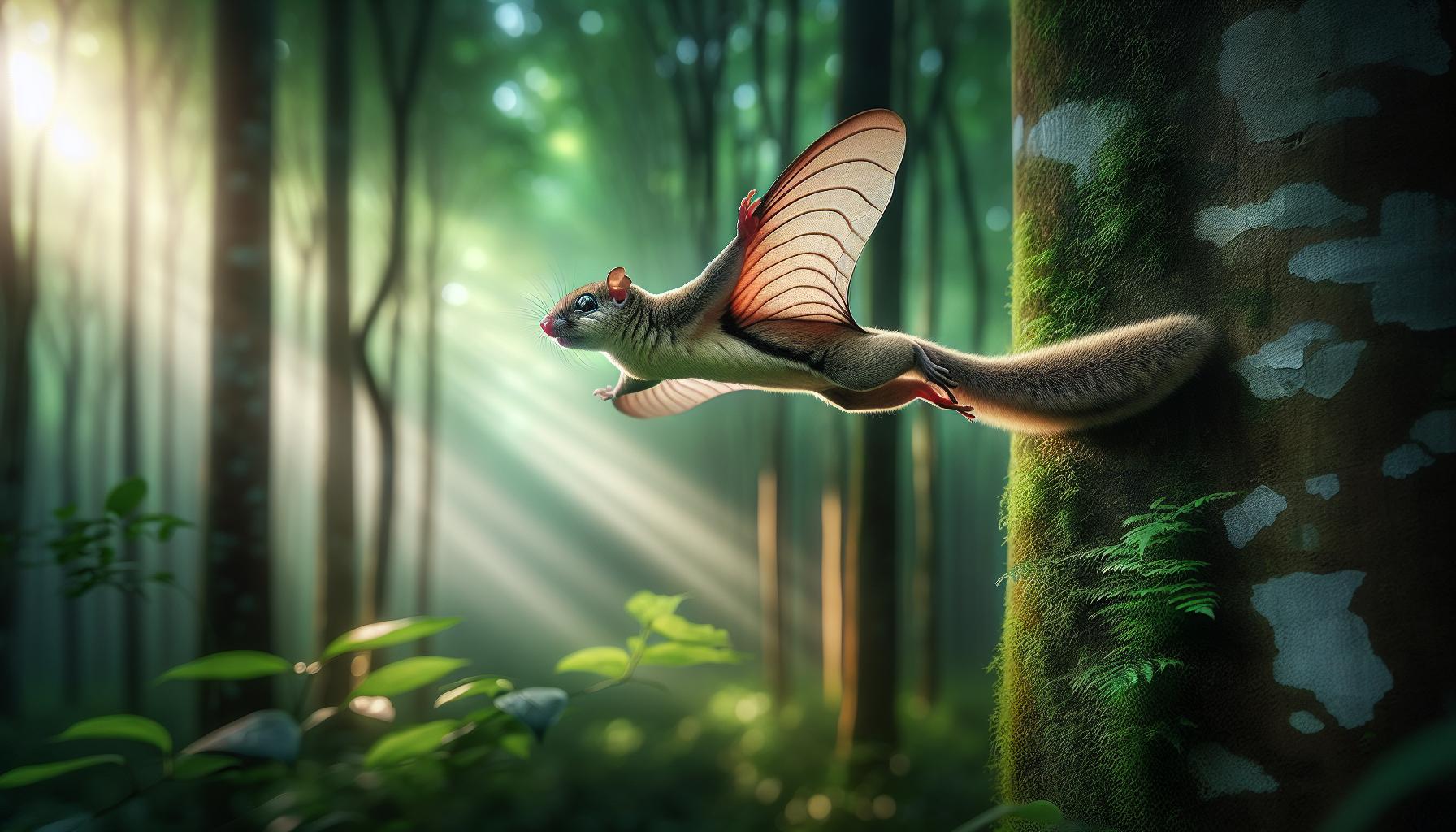
What Are Flying Squirrels? A Quick Overview of Their Characteristics
Flying squirrels are truly remarkable creatures, captivating wildlife enthusiasts with their unique gliding abilities and adorable features. These small mammals, belonging to the family Sciuridae, are not actually capable of true flight, but rather glide between trees in their forest habitats using a special membrane called the patagium, which stretches from their wrists to their ankles. This adaptation allows them to soar gracefully through the air, covering impressive distances in search of food or escaping predators.
One of the most distinguishing characteristics of flying squirrels is their broad, flat tail, which plays a crucial role in steering during their glides. This tail acts like a rudder, allowing them to navigate smoothly through the forest canopy. With their large, expressive eyes, flying squirrels are primarily nocturnal, which means they are most active at night, foraging for nuts, fruit, and even insects. Their dense, silky fur provides insulation during colder months and helps them blend into their arboreal surroundings, making them less conspicuous to potential threats.
Flying squirrels come in several species, each with its own unique traits. For instance, the Northern Flying Squirrel (Glaucomys sabrinus) is recognized by its striking gray belly fur and can be found across North America, while their southern counterparts are often slightly smaller. These endearing creatures not only embody the spirit of the night forest but are also a vital part of their ecosystems, involved in seed dispersal and maintaining the health of their habitats.
Whether you’re a seasoned nature lover or just beginning to explore the wildlife around you, understanding flying squirrels and their fascinating adaptations enhances our appreciation for these wonderful creatures and underscores the importance of conserving their habitats. So next time you’re in wooded areas at dusk, keep an eye out for a flurry of activity as these little acrobats glide silently through the trees!
Understanding the Anatomy of Flying Squirrel Wings
Flying squirrels are wonders of nature, not just for their captivating gliding ability but also for their fascinating anatomical adaptations. The term “wings” might conjure up images of birds, but in flying squirrels, these structures are actually specialized membranes known as the patagium. This membrane stretches from their wrists to their ankles, providing a broad surface area that is crucial for gliding. When they leap from a height, they spread their limbs, extending the patagium to create a wing-like effect that allows them to glide gracefully through the trees.
Wing Tip Anatomy
One of the most intriguing aspects of flying squirrel anatomy is the configuration of their ‘wing’ tips. At the wrists, the cartilage allows for flexibility and movement, enabling these creatures to adjust the angle of their wing tips. According to research, the upward angle of these wing tips helps form airfoils, which reduce drag and increase lift, enhancing their ability to glide effectively. This design is essential for navigating the complex vertical environments of forests where they live.
Mechanics of Gliding
When a flying squirrel glides, it can cover distances of up to 150 feet or more in a single leap. They control their glide using their tail, which functions similarly to a rudder, steering them as they soar from tree to tree. The combination of the broad patagium and a flat, bushy tail equipped with fur makes flying squirrels masters of aerial acrobatics. This extraordinary adaptation not only aids in travel but also plays a vital role in foraging for food and evading predators.
- No true flight: Unlike birds, flying squirrels do not flap their wings; they glide.
- Patagium: The skin membrane connecting limbs is crucial for gliding.
- Steering and control: Their tail acts as a rudder, essential for maneuverability.
In a nutshell, the unique anatomy of flying squirrels’ wings-defined by the patagium and their specialized wing tips-plays a crucial role in their survival in forest habitats. For enthusiasts or anyone interested in wildlife, appreciating these remarkable adaptations can deepen your understanding of the ecology and behavior of these charming mammals.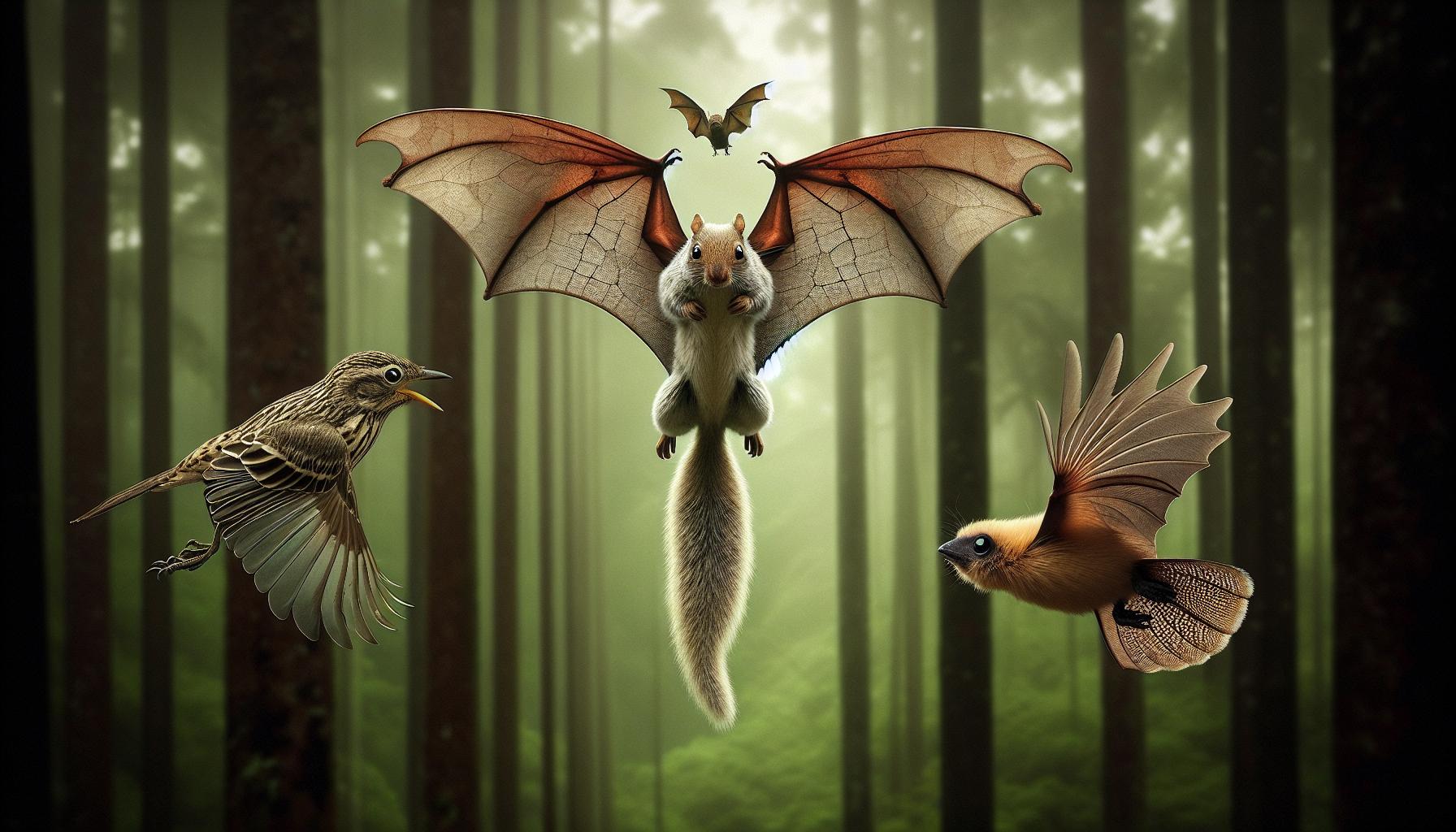
Comparing Flying Squirrel Wings to Other Species
Flying squirrels are remarkable creatures, not just for their ability to glide gracefully through the trees, but also for their unique anatomical adaptations that distinguish them from other gliding animals. Unlike the true wings of birds or bats, which are made of feathers or skin stretched over a skeletal framework, the “wings” of flying squirrels consist of a flexible membrane called the patagium. This skin extends from their wrists down to their ankles, functioning like a parachute that allows them to glide instead of fly.
When we compare flying squirrels to other species capable of gliding, such as flying phalangers (or sugar gliders) and certain species of colugos, we see fascinating differences and similarities in their adaptations. For instance, while the patagium is a common feature among these gliding mammals, flying squirrels possess a more developed structure that allows them to maneuver effectively through wooded environments. Sugar gliders have a similar membrane, but their gliding abilities are enhanced by their smaller size and lighter weight, enabling them to make sharper turns and cover more intricate paths between trees.
The mechanics of how these adaptations work can be seen in their wildlife behavior. A flying squirrel’s tail, for example, serves as a rudder to steer during a glide, much like how a sugar glider uses its limbs and body positioning for directional control. Colugos, on the other hand, utilize a much larger surface area of skin, which creates a wider gliding path but limits their maneuverability compared to the more acrobatic flying squirrels. This adaptability allows flying squirrels to navigate their arboreal habitats with remarkable precision as they hunt for food and evade predators.
In summary, comparing flying squirrel wings to those of other gliding species reveals intriguing insights into the diversity of adaptations in the animal kingdom. Each species has evolved unique features tailored to their ecological niches, showcasing nature’s creativity in meeting survival challenges. Whether you observe a flying squirrel gliding between trees or a sugar glider swooping through the night sky, it’s a testament to the wonders of evolution and the unique paths taken by these incredible mammals.
The Origin and Evolution of Flying Squirrel Flight
The evolution of flying squirrels is a remarkable story of adaptation that highlights the ingenuity of nature in responding to ecological challenges. First emerging about 35 million years ago, these fascinating creatures developed their gliding abilities as a means to traverse the treetop canopy of forests while avoiding ground-based predators. Instead of true flight like birds or bats, flying squirrels utilize a unique membrane-the patagium-which stretches from their wrists to their ankles. This adaptation allows them to glide gracefully between trees, covering distances of up to 150 feet in a single leap.
Much of the evolutionary pressure that shaped the flying squirrel’s gliding ability is tied to their arboreal lifestyle. By developing the patagium, these squirrels can move efficiently among the branches, finding food, escaping from predators, or seeking refuge. This gliding mechanism also minimizes the energy expended during movement, making them well-suited for a life spent in the trees, where accessing food and avoiding dangers are critical for survival.
The flying squirrel lineage has diversified over time, leading to species such as the Southern Flying Squirrel and the Northern Flying Squirrel, each exhibiting unique adaptations relevant to their habitats. For instance, the Southern Flying Squirrel is known for its well-defined color contrast between its dark back and white belly, which helps with camouflage in the dappled light of the forest. Additionally, the thickness of their patagium is more pronounced compared to other gliding mammals, allowing for better gliding performance in dense woodland areas.
Moreover, ongoing conservation efforts are crucial for protecting the habitats of these unique animals. As urban sprawl and deforestation threaten their environments, understanding their evolutionary journey helps underscore the importance of protecting the ecosystems where flying squirrels thrive. Whether you’re a wildlife enthusiast or simply curious about these charming gliders, recognizing their evolutionary adaptations can deepen your appreciation for the natural world. Each glide they take is not just a spectacle of beauty but also a testament to millions of years of evolution and adaptation.
How Do Flying Squirrels Use Their Wings for Gliding?
Flying squirrels possess an extraordinary gliding ability that captivates nature lovers and scientists alike. Instead of flapping wings, their unique anatomy features a membrane known as the patagium, which stretches between their limbs, transforming them into skilled gliders. When a flying squirrel leaps from a tree branch, it uses its patagium to catch the air, effectively increasing its surface area and allowing for a controlled descent. This enables them to glide gracefully from tree to tree, sometimes covering distances of up to 150 feet!
The gliding technique starts with a strategic leap. As they spring off from a height, flying squirrels arch their backs, extending their limbs to spread the patagium and optimize their glide path. Their body shape is designed for this purpose; a streamlined silhouette minimizes air resistance, allowing for smooth and efficient movement through the air. During a glide, they can adjust their trajectory using their tails and limbs, allowing for precise landings on narrow branches or the ground.
Moreover, gliding isn’t just about moving from point A to point B. It plays a crucial role in their survival. By gliding, flying squirrels can evade predators, explore for food, and navigate their arboreal habitats with remarkable efficiency. The agility granted by their wings-or rather, their patagium-makes them adept at negotiating the treetop canopy, where they can find fruits, nuts, and insects. While they are not true flyers like birds or bats, their adaptations make gliding an effective method of locomotion perfectly suited to their forest environment.
Being aware of these fascinating adaptations enhances our appreciation for flying squirrels. Their remarkable gliding ability embodies nature’s ingenuity and highlights the importance of conserving the habitats that support these unique creatures. Whether you’re spotting them in the wild or caring for them as pets, understanding how they use their wings deepens our connection to the wildlife around us.
Unique Adaptations in Flying Squirrel Anatomy
Flying squirrels are remarkable creatures with unique adaptations that make them perfectly suited for a life high in the trees. One of their most striking features is the patagium, a membrane that stretches from their wrists to their ankles, allowing them to glide through the air. While they aren’t capable of true flight, this adaptation enables them to soar gracefully between trees, often covering impressive distances. The patagium not only increases their surface area but also helps them control their descent and direction during glides.
Beyond the patagium, flying squirrels have specialized anatomical features that enhance their gliding abilities. Their lightweight, streamlined bodies reduce air resistance, facilitating more efficient movement through the air. They possess long, bushy tails that act like rudders, giving them better control over their trajectory. When they leap from branch to branch, flying squirrels can alter the position of their limbs and tail to steer and stabilize themselves mid-air. This combination of physical traits allows them to navigate their arboreal habitat with remarkable agility.
The leg strength of these squirrels is also noteworthy. Their powerful hind legs allow for strong leaps, propelling them off branches and into the air. Additionally, their sharp claws help them grip onto bark and branches, providing a secure foothold when they prepare for take-off or upon landing. These adaptations not only equip flying squirrels for gliding but also enhance their ability to forage for food in the canopy-gathering fruits, nuts, and insects with ease.
In essence, the unique anatomy of flying squirrels reflects millions of years of evolution tailored to life in the trees. Every feature contributes to their success as gliders, illustrating nature’s incredible ability to adapt. By understanding these adaptations, we gain a deeper appreciation for these fascinating creatures and the environments they inhabit.
The Role of Wings in Flying Squirrel Behavior
Flying squirrels exhibit a fascinating array of behaviors that revolve around their remarkable wings, or more accurately, their patagium-a membrane that stretches from their wrists to their ankles. This unique adaptation enables them to glide gracefully through the forest canopy, allowing them to cover significant distances while foraging for food or escaping predators. The way they utilize their wings directly influences their interaction with the environment, their social structures, and even mating behaviors.
One of the most striking aspects of flying squirrel behavior is their gliding technique. When launching from a high branch, they have the ability to adjust the angle of their limbs and use their tails as a rudder. This maneuverability not only aids in efficient gliding but also allows them to deftly navigate through the intricate maze of branches and leaves. During glides, they can alter their descent angle and direction, which is essential for avoiding obstacles and achieving a safe landing. For example, when a flying squirrel leaps from a tree, its ability to control its glide path ensures it can reach another branch safely or return to the trunk when threatened.
In addition to navigation, the wings play a crucial role in social interactions among flying squirrels. These creatures are typically nocturnal, and much of their communication occurs in low light. The patagium enhances their vocal signals and body language during social interactions. For instance, when establishing territory or during mating displays, the extension and retraction of this membrane can signal confidence and fitness to potential mates or rivals. This form of visual communication enriches their social dynamics and is a critical component of their behavior.
Moreover, gliding is not merely a means of locomotion; it allows flying squirrels to access food sources that are otherwise unreachable. By utilizing their wings for long glides, they can scout vast areas for ripe fruits and nuts, enhancing their foraging efficiency. The flexibility and effectiveness of their flight-like gliding behavior make them exceptional foragers in a three-dimensional forest environment, offering an evolutionary advantage that is vital for their survival.
Overall, the role of their unique wings in flying squirrel behavior illustrates the incredible adaptations these creatures have developed to thrive in their arboreal habitats. From gliding and social communications to foraging excellence, every aspect of their lifestyle is interconnected with the remarkable features of their anatomy.
Myths and Misconceptions About Flying Squirrel Wings
Flying squirrels often captivate the imagination, leading to a variety of myths and misconceptions about their unique adaptation: the patagium. This skin membrane, stretching from their wrists to their ankles, is frequently mistaken for wings, which contributes to misunderstandings about how these creatures navigate their arboreal habitats. One prevalent myth is that flying squirrels can truly “fly” like birds; in reality, they are gliders, using their patagium to glide gracefully from tree to tree rather than engaging in powered flight.
Another common misconception is that flying squirrels possess the ability to control their gliding with the same precision as birds do. While flying squirrels can adjust their body position and tail to steer during their glides, their control is limited compared to the aerial maneuvers performed by avian species. Instead, they rely on their incredible instinct and agility to navigate through the forest canopy, allowing for impressive acrobatics that may seem like flying to the untrained eye.
There’s also a fascinating aspect of folklore that plays a role in perceptions of flying squirrels. Certain Native American mythologies refer to flying squirrels as magical creatures, which adds a layer of intrigue and mystique around their patagium. Stories liken their gliding to flight, leading to beliefs that they possess extraordinary powers. Understanding these narratives helps create a deeper appreciation for how these animals have been viewed across cultures, blending science and storytelling.
Understanding these myths not only clears up misconceptions but also highlights the remarkable evolutionary adaptations of flying squirrels. By debunking these myths, we can foster a more accurate view of how these enchanting creatures live, glide, and thrive in their natural habitats, encouraging a greater appreciation for their role in the ecosystem and a commitment to their conservation.
Caring for Pet Flying Squirrels: What You Need to Know
When considering bringing a flying squirrel into your home as a pet, it’s essential to understand their specific care needs, ensuring that you can provide a nurturing environment that replicates their natural habitat. These charming creatures are social animals, often preferring companionship-so if you plan on keeping one, consider adopting a pair. As nocturnal rodents, they are most active at night, showcasing their playful gliding skills with their remarkable patagium, the membrane that extends from their wrists to ankles, allowing for gliding rather than flying.
To create a suitable habitat for your flying squirrel, choose a spacious cage that simulates their natural environment. A multi-level enclosure with plenty of branches, hiding spaces, and soft bedding is ideal. Enhance their living space with climbing areas and toys that encourage exercise and mental stimulation. Ensure that the cage is escape-proof, as these agile creatures are adept at squeezing through small openings.
Diet is another crucial aspect of care. Flying squirrels benefit from a balanced diet rich in fruits, vegetables, nuts, and specially formulated pellets. Avoid feeding them high-fat foods and always provide fresh water. As for social interaction, make time to handle and bond with your pet, allowing them to become comfortable with you. Gentle handling helps build trust, making them more affectionate companions.
Remember, the health and well-being of flying squirrels depend significantly on enrichment and stimulation. Activities such as free-range playtime in a supervised environment can help fulfill their natural instincts to explore and glide. By understanding their needs and providing proper care, you can enjoy the delightful experience of having a flying squirrel as part of your family, while also respecting their unique ecology and sociability.
The Importance of Conservation for Flying Squirrels
Flying squirrels are remarkable creatures that not only captivate our hearts with their gliding abilities but also play a crucial role in their ecosystems. Unfortunately, many species of flying squirrels are under threat due to habitat loss, making conservation efforts vital for their survival. Protecting these species ensures not only their continuation but also the health of the environments they inhabit.
These small mammals depend heavily on specific habitats, often residing in old-growth forests and mixed woodlands. Their reliance on trees for nesting and gliding means that deforestation and urban expansion can lead to significant declines in their populations. When we lose trees, we lose the intricate web of life that supports them, affecting not only flying squirrels but countless other species as well. Conservation efforts often include restoring their habitats through reforestation projects and protecting existing woodland areas from development.
Moreover, awareness and education about the ecological roles of flying squirrels contribute to their conservation. For instance, helping to disperse seeds, insects, and fungi, these creatures foster the growth of diverse plant life, which in turn supports a broad range of wildlife. Engaging communities in conservation initiatives can enhance local stewardship and foster a culture of appreciation for these unique animals. Programs that promote coexistence, such as creating wildlife corridors and preserving forest understory, can help mitigate the impacts of habitat fragmentation.
By prioritizing the conservation of flying squirrels, we not only safeguard a charming piece of wildlife but also promote overall biodiversity. Encouraging responsible pet ownership and educating potential pet owners can further reduce the pressure on wild populations. For those interested in observing these intriguing creatures in the wild, protected areas and nature reserves offer wonderful opportunities to appreciate their behaviors while supporting conservation efforts firsthand. As we work together to protect flying squirrels, we ensure that future generations can enjoy their wondrous gliding antics.
Where to Observe Flying Squirrels in the Wild
Observing flying squirrels in their natural habitat can be a truly enchanting experience. These elusive creatures tend to be nocturnal, making spotting them a delightful challenge for wildlife enthusiasts. If you’re eager to catch a glimpse of these gliders in action, certain locations and tips can enhance your chances.
Ideal Locations for Observation
Flying squirrels often inhabit old-growth forests, mixed woodlands, and areas close to mature trees. Here are some prime locations where you can best observe these fascinating mammals:
- National Parks and Wildlife Reserves: Places like Great Smoky Mountains National Park are home to several species of flying squirrels. These protected areas not only have the ideal habitat but also allow you to experience their natural behavior.
- Local Forests and Nature Trails: Explore local parks or nature trails after sunset. Look for areas with dense tree cover where these creatures are likely to reside.
- Urban Green Spaces: Surprisingly, flying squirrels can thrive in urban environments. Parks with large trees, such as Central Park in New York City, may offer opportunities to spot them.
Tips for Effective Watching
To increase your chances of seeing flying squirrels, consider these practical tips:
- Go Out at Night: Since flying squirrels are nocturnal, plan your outings during twilight or after dark. Bring a flashlight or night vision gear to help illuminate your surroundings.
- Be Quiet and Patient: As with many wildlife observations, patience is key. Move slowly and quietly, allowing the squirrels to feel safe enough to come out.
- Look for Signs: Pay attention to their distinctive calls, rustling in the leaves, or droppings beneath trees, which can indicate their presence.
Remember, conservation is crucial for the survival of flying squirrels and their habitats. By observing responsibly, you can help raise awareness and appreciation for these incredible creatures while enjoying a memorable encounter with nature. Whether you’re an experienced wildlife watcher or a curious newcomer, each sighting of a gliding squirrel is a reminder of the wonders of our natural world.
Q&A
Q: What are the wings of a flying squirrel called?
A: The wings of a flying squirrel are not technically wings like those of birds; they are called patagia. This is a membrane that stretches from their wrists to their ankles, allowing them to glide effectively in the air.
Q: How do flying squirrels use their patagia when gliding?
A: Flying squirrels use their patagia to catch air, which helps them glide from tree to tree. By spreading their limbs and controlling their body posture, they can steer and slow their descent, enhancing their ability to navigate their environment.
Q: Can flying squirrels truly fly using their wings?
A: No, flying squirrels cannot fly in the same way that birds do. Instead, they are gliders. Their patagia allow them to glide gracefully through the air, using gravitational force and lift generated by their limbs to cover distances between trees.
Q: What adaptations help flying squirrels glide?
A: Flying squirrels have several adaptations for gliding, including their wing-like patagia, lightweight bodies, and specialized limb structure. These features all contribute to their ability to glide efficiently, minimizing energy use while traveling in the forest canopy.
Q: Do flying squirrels have feathers like birds?
A: No, flying squirrels do not have feathers. Instead, they possess fur-covered patagia that serve a similar function by creating a surface area to catch air. This fur also helps with insulation and camouflage in their habitats.
Q: How far can flying squirrels glide using their wings?
A: Flying squirrels can glide up to 150 feet (about 45 meters) in one leap, depending on the species and environmental conditions. Their ability to cover such distances is essential for escaping predators and finding food in the wild.
Q: What is the role of gliding in a flying squirrel’s survival?
A: Gliding plays a crucial role in a flying squirrel’s survival by allowing them to escape predators, navigate between trees, and access food sources efficiently. By utilizing their patagia, they can explore larger areas without the need for extensive ground travel.
Q: Are flying squirrels social in their behavior?
A: Yes, flying squirrels are generally social animals. They often live in small groups and communicate with one another using a variety of sounds. Their social nature can enhance their foraging success and protection from predators when gliding through the trees.
For more fascinating facts about flying squirrels and their unique adaptations, feel free to explore our other sections on their behavior and conservation needs!
Insights and Conclusions
Now that you’ve uncovered what flying squirrel wings are called, it’s time to dive deeper into the fascinating world of these agile creatures. Did you know that their unique anatomy allows them to glide over 150 feet in a single leap? If you’re curious about how they thrive in their habitats or how to properly care for them, check out our articles on flying squirrel behavior and habitat needs.
Feeling inspired? Don’t miss out on more amazing facts-subscribe to our newsletter for the latest wildlife insights delivered right to your inbox! Join our community of wildlife enthusiasts, and share your thoughts in the comments below. We’d love to hear about your experiences with these enchanting animals. As you continue exploring, be sure to learn more about other incredible species like sugar gliders or learn tips for responsible pet ownership. Each click brings you closer to the wonders of the animal kingdom!
Get our latest guides, news, and insights highlighted in your Google Search & AI Overviews.