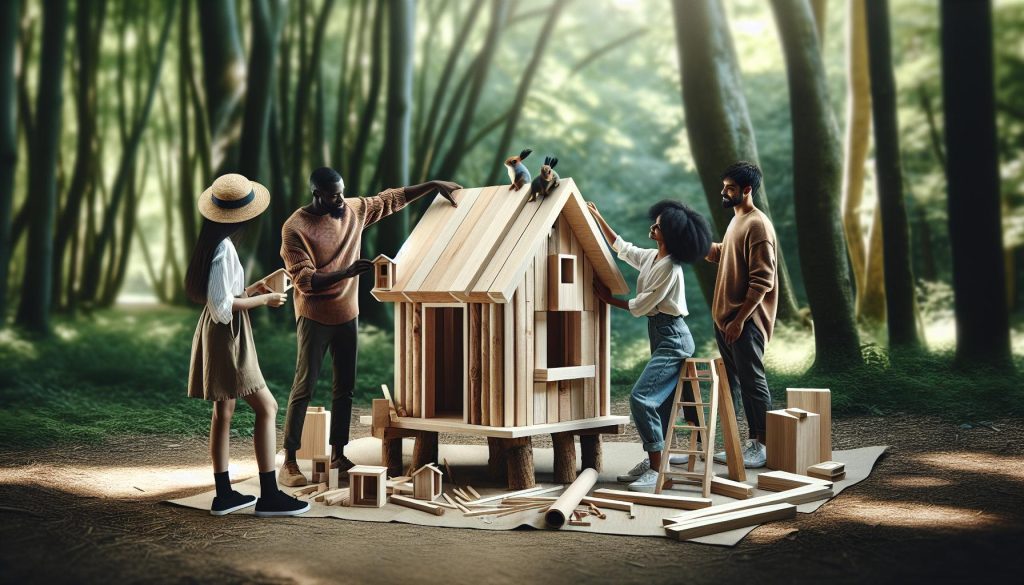
Did you know that flying squirrels are more than just nighttime acrobats? These enchanting creatures, with their adorable big eyes and gliding skills, thrive in the trees of our backyards and woodlands. If you’re a wildlife enthusiast, creating a flying squirrel house not only provides a safe haven for these critters but also allows you to observe their delightful antics up close. In this guide, we’ll walk you through the DIY blueprint for building a cozy home for your furry friends, ensuring you meet their unique needs while contributing to local wildlife conservation. Whether you’re a seasoned DIYer or just starting out, our easy-to-follow instructions will inspire you to make a difference in your community. Get ready to elevate your backyard experience by welcoming flying squirrels into your world!
Choosing the Right Location for Your Flying Squirrel House
can significantly affect whether these adorable creatures feel at home in your yard. Flying squirrels prefer areas with plenty of trees and a good canopy cover. A location that mimics their natural habitat is ideal. To attract them, consider placing the house close to mature trees, which provide the necessary shelter and food sources, like acorns, nuts, and fruits.
It’s also important to think about exposure. A spot that’s too sunny may heat up excessively, while a dark, damp area could foster mold. Aim for shade during the hottest parts of the day, but ensure there is enough light for the squirrels to feel secure and comfortable. Additionally, placing the house at least 10 feet off the ground can help protect them from predators, making for a safer haven.
When considering human activity, think about the disruption in your yard. Flying squirrels are nocturnal, so a quiet, low-traffic area would suit them best. Try to avoid locations near bright lights or areas with frequent human intervention, as these can deter them from utilizing your squirrel house. By choosing a cozy, safe nook among the trees, you’re not just offering shelter; you’re creating a thriving environment where they can flourish.
Essential Materials for Building a Cozy Home
To create a welcoming sanctuary for flying squirrels, choosing the right materials is crucial. These fascinating creatures thrive in well-constructed habitats that emulate their natural environment, ensuring they feel safe and comfortable. A sturdy, insulated squirrel house not only protects them from the elements but also contributes to their well-being, and the materials you select play a vital role in achieving this.
First, wood is the most common and effective material for constructing a flying squirrel house. Opt for untreated cedar or pine, which are naturally resistant to rot and insects. The wood should be at least ¾ inch thick to provide adequate insulation against temperature extremes. Using reclaimed wood is a fantastic eco-friendly choice, allowing you to repurpose materials while minimizing your carbon footprint.
Another critical aspect is insulation. Insulating the interior with materials like straw or shredded paper can help regulate the temperature inside the house, keeping it warm in winter and cool during hot weather. A layer of insulation can also absorb sound, providing a quieter space for your new residents. Additionally, ensuring proper ventilation is essential to prevent moisture buildup inside the squirrel house. Small vents near the top will allow fresh air circulation without compromising safety.
Consider adding a roof made of metal or shingles. This design can help keep out rain and snow effectively and adds durability to the home’s structure. Sealing gaps with non-toxic caulking or weather strips ensures that the house stays dry, enhancing both comfort and structural integrity.
Moreover, entry and exit holes should be carefully sized to allow easy access for the squirrels while preventing larger predators from intruding. A diameter of about 4 inches is often recommended. Placing the entrance high on the house encourages squirrels to safely enter and exit from tree branches.
In summary, selecting natural and weather-resistant materials for building your flying squirrel house will create a cozy haven that promotes healthy living for these cute critters and keeps them safe from external threats. With a little creativity and care, you can cultivate a thriving environment right in your own backyard!
Step-by-Step DIY Blueprint for Crafting the Perfect House
Building a flying squirrel house can be an enjoyable and rewarding project that greatly benefits these charming creatures. To create the perfect haven for them, follow this detailed DIY blueprint that combines safety, comfort, and durability, ensuring your flying squirrels will thrive in their new home.
Materials Needed:
Before diving into construction, gather your materials:
- Untreated wood (cedar or pine) – ¾ inch thick
- Wood screws or nails
- Insulation material (straw or shredded paper)
- Weatherproof roofing material (metal or shingles)
- Non-toxic caulking or weather strips
- Wood glue (optional)
Construction Steps:
- Cut the Wood: Begin by cutting the wood into the following pieces:
– Back panel: 24″ x 24″
– Front panel: 24″ x 24″ (with a 4″ diameter entry hole, placed about 8″ from the bottom)
– Side panels: 20″ x 24″ (make two)
– Base panel: 18″ x 18″
– Top panel: 26″ x 26″ (to allow for overhang)
- Assemble the Walls: Use wood screws or nails to attach the two side panels to the back panel, followed by the front panel to create a box shape. Ensure the entrance hole is at the top. A sturdy construction is key to withstand the elements.
- Insulate the Interior: Inside the house, add insulation using straw or shredded paper. This will help regulate temperature and absorb sounds, providing a cozy atmosphere for your squirrels.
- Add Ventilation: Drill small holes near the top of the house for ventilation to prevent moisture buildup, which can lead to rot and health issues for your squirrels.
- Attach the Base: Secure the base panel to the bottom of your house, making sure it is well-fitted and sturdy.
- Complete with a Roof: Attach the top panel, ensuring it overhangs the sides to keep out rain. Use weatherproof material like metal sheets or shingles for strength and durability.
- Seal Gaps: Finally, go around the edges with non-toxic caulking or weather strips to close any gaps and ensure your house is weather-tight.
By following these steps, you will have a beautifully crafted flying squirrel house that not only meets their needs but also enhances your backyard space. Remember to observe the squirrels and make adjustments as needed, combining your construction skills with care and respect for these unique animals. Happy building!
Design Features That Make Squirrels Feel at Home
Creating a flying squirrel house that resonates with these playful creatures entails thoughtful design features tailored to their specific needs. Flying squirrels are arboreal by nature, thriving in wooded habitats which provide both safety and easy access to food. When crafting their home, consider incorporating elements that mimic their natural environment, as this will help the squirrels feel more secure and comfortable.
A well-ventilated design is crucial. This can be achieved by adding small ventilation holes near the top of the house. These openings allow fresh air to circulate while preventing moisture buildup, which is essential for maintaining a healthy living space. Squirrels have sensitive respiratory systems, so ensuring good air quality will contribute to their wellbeing. Additionally, a cozy, insulated interior lined with materials such as straw or shredded paper will help regulate temperature, making the house inviting in both warm and cold seasons.
The entrance hole is another important feature. It should be roughly 4 inches in diameter, allowing flying squirrels to enter and exit easily while keeping out larger predators. Positioning the entry hole high on the front panel mirrors the heights at which they naturally nest, providing a sense of security. Also, consider adding multiple levels or platforms inside the house. Squirrels are natural climbers and love to engage in vertical space; these features would not only enrich their environment but also encourage exercise.
To further enhance the living experience, you might include perches or small branches within the house. These can serve as lookout points, allowing squirrels to feel safe while observing their surroundings. A sturdy, weatherproof roof is essential too; features like an overhanging roof can shield against rain and create a sheltered area, which flying squirrels instinctively seek out. By combining these thoughtful design elements, you create a space that not only protects but also delights your furry friends, allowing them to thrive in their new home.
Understanding the Needs of Your Flying Squirrel
Flying squirrels are not just adorable little creatures; they have specific needs that must be met in order to thrive in your backyard or garden. Understanding their natural instincts and lifestyle choices is crucial when constructing a cozy and inviting home for these nocturnal furry friends.
Firstly, flying squirrels are highly social animals. They often live in family groups and enjoy interaction with other squirrels. This means that, although they’ll appreciate a well-designed house, it’s equally important to have other trees or structures nearby where they feel safe to roam and socialize. If you place multiple squirrel houses within a reasonable distance in your yard, you’ll encourage them to explore and settle in without feeling isolated.
Furthermore, flying squirrels are expert climbers and rely on trees to provide them with both food and safety. When designing their living space, consider incorporating features that allow for climbing and jumping. A naturalistic design with elevated platforms or branches within the squirrel house can simulate the environment they are accustomed to. These elements not only encourage natural behavior but also contribute to their physical health through exercise.
Diet and Foraging Needs
In their natural habitat, flying squirrels consume a balanced diet of fruits, nuts, seeds, and even insects. When placing their house, think about nearby food sources. If your yard is equipped with oak trees, maple trees, or fruit-bearing shrubs, it provides an inviting setting that meets their dietary needs. You can also supplement their foraging by placing specialized feeders filled with nuts or dried fruit nearby, which will aid in attracting them to their new home.
Lastly, flying squirrels have a penchant for safety and security that influences their living conditions. The entry hole of their house should be positioned high and be approximately 4 inches in diameter to ensure protection against predators. Incorporating observation spots within their home will further enhance their sense of security, allowing them to monitor their surroundings while feeling safe.
By creating an environment that reflects their instinctual needs for social interaction, climbing, foraging, and security, your flying squirrel house will not only be a beautiful addition to your yard but also a welcoming haven for these delightful creatures.
How to Attract Flying Squirrels to Your New House
Flying squirrels may often be overlooked, but attracting these charming creatures to your backyard can be a truly rewarding experience! The secret to enticing them lies in creating an inviting environment that caters to their social and dietary needs. Start by positioning the squirrel house in a safe, high location that mimics their natural habitat, preferably close to trees that provide shelter and food sources.
To further entice flying squirrels, consider enhancing your yard with their favorite snacks. These nocturnal foragers delight in a varied diet that includes fruits, nuts, and seeds. Placing a few squirrel feeders filled with items like sunflower seeds, apples, and walnuts can go a long way. Additionally, planting native trees such as oak or hickory can create a natural buffet. Don’t forget to keep the area free of excessive noise and human activity, as flying squirrels are naturally shy and will shy away from disturbances.
Creating a Welcoming Environment
Setting the stage for flying squirrels involves incorporating elements they find comforting. Here are some effective strategies:
- Establish a Safe Perimeter: Hang the squirrel house at least 10-15 feet above the ground to protect them from predators and ensure easy access to nearby trees for climbing.
- Provide Natural Climbing Opportunities: Install ropes or natural branches leading to the squirrel house. This gives them additional routes to explore, making them feel secure.
- Celebrate Their Nocturnal Nature: Ensure that your yard is dimly lit at night. Excessive artificial light can deter them from venturing out-consider using soft outdoor lighting that won’t disrupt their nighttime activity.
Another wonderful way to attract these delightful creatures is by sharing your space with their wild counterparts. By fostering an ecosystem that includes important native insects and plants, flying squirrels will be drawn to a more diverse food supply. Remember, patience is key; it may take some time for these shy critters to venture out and discover the cozy home you’ve prepared for them!
Common Mistakes to Avoid When Building a Flying Squirrel House
When crafting a home for flying squirrels, it’s essential to keep in mind that your aim is to provide a safe and comfortable environment for these nocturnal delights. One common error novice builders make is underestimating the significance of location and height for the squirrel house. If the house is hung too low, it can expose these sensitive creatures to predators. Aim for a height of at least 10-15 feet off the ground, ideally placed on a sturdy tree that provides nearby climbing structures. This simulates their natural habitat while ensuring better protection from threats.
Another frequent mistake is utilizing inappropriate materials. Avoid treated woods or toxic paints, as the chemicals can harm these small inhabitants. Instead, opt for untreated wood, which is safer and more breathable. Ensure that the design includes ventilation holes, promoting air circulation, and consider using materials like plywood or cedar, which are resistant to decay and provide sturdy insulation against the elements.
Not providing adequate entrances is yet another oversight. Flying squirrels need access points that suit their size and needs. Typically, a single entrance hole should have a 4-inch diameter, which allows easy access while keeping the area protected from larger animals. Remember, these critters thrive in dark, enclosed spaces-they appreciate a cozy nook to retreat to.
Finally, neglecting to incorporate proper maintenance accessibility can lead to problems down the line. Design your squirrel house with removable panels or hinged roofs to facilitate routine inspections and cleanings. Keeping the space clean helps prevent diseases and ensures a pleasant living environment, enhancing the chances of attracting these wonderful creatures to your backyard!
Tips for Maintenance and Care of Your Squirrel House
Keeping your flying squirrel house in top shape is crucial for ensuring a happy, healthy habitat for your furry friends. Regular maintenance not only enhances the comfort of these adorable creatures but also protects them from potential hazards. Imagine regularly checking in on a cozy little nook where these nocturnal acrobats thrive!
Start by committing to routine inspections, ideally every few weeks during the active seasons of spring and summer. Look for signs of wear, such as cracks or loose fittings that could compromise the structural integrity of the house. A sturdy design will withstand weather changes, but periodic checks will help you spot and address any issues early, avoiding costly repairs or risks to the squirrels’ safety.
It’s also essential to keep the space tidy. Use a small handheld vacuum or a brush to remove debris, old nesting materials, or any signs of pests. A clean house promotes health and prevents the buildup of harmful bacteria or mold. Squirrels tend to be quite clean animals, so a well-maintained home reflects their natural behaviors and needs.
When you inspect your squirrel house, pay close attention to the entry points. Ensure that the holes remain unobstructed and are the proper size (about 4 inches) to allow flying squirrels in while keeping larger animals out. If you notice any deterioration, it might be time to make repairs. Also, consider adding a shelter over the entrance, providing additional protection from rain or snow.
Lastly, think about the surrounding environment. Planting native trees and shrubs nearby can enhance your yard’s attractiveness for squirrels, offering them natural foraging opportunities while also providing shade and cover. Remember, a well-cared-for squirrel house isn’t just about the structure; it’s about creating a welcoming environment that encourages these charming creatures to call your backyard home!
Enhancing Your Yard for Happier Flying Squirrels
To create a welcoming haven for your flying squirrels, consider transforming your yard into a vibrant ecosystem that meets their natural behaviors and needs. These charming nocturnal creatures thrive in habitats rich in trees and vegetation, which provide essential shelter, foraging opportunities, and safe glide paths for their acrobatic leaps. The more natural and suitable your yard is, the more likely flying squirrels will take up residence.
Start by planting a variety of native trees and shrubs. Oak, maple, and birch are excellent choices, as they not only provide food sources through their seeds and leaves but also offer nesting sites. Consider adding fruit-bearing plants like berry bushes, which can serve as a food sanctuary. A diverse plant palette promotes a balanced ecosystem, attracting insects and small animals that enhance the food chain, making your yard an inviting spot for flying squirrels and other wildlife.
Building the Right Environment
Creating horizontal connections through branches is vital for flying squirrels, which are good at gliding but also enjoy securely moving through the trees. Encourage this behavior by leaving fallen branches and logs in your yard. These create natural bridges and hiding spots, giving them safe pathways as they explore. Moreover, putting up a few nesting boxes or tree cavities can further entice these gliding rodents to make your yard their home. Flying squirrels prefer undisturbed areas, so maintaining some natural brush piles or dense shrubbery can make them feel safe.
Providing Food and Water
In addition to natural vegetation, consider strategically placing a feeder with appropriate squirrel food-such as seeds, nuts, and dried fruits. This can provide a reliable food source, especially during winter months when natural resources may be scarce. A small birdbath can offer fresh water, crucial for hydration, especially in hot months. However, ensure that it’s shallow enough to prevent drowning and has a steady supply of clean water.
Creating a Safe and Serene Atmosphere
To keep your flying squirrel friends happy, minimize disturbances in your yard. Limiting the use of harsh chemicals and pesticides helps maintain a healthy environment for both the squirrels and the insects that are part of their diet. Additionally, keeping noise levels to a minimum helps them feel secure in their new home.
Designing your yard with these thoughtful changes not only enhances its beauty but also ensures a thriving habitat for flying squirrels. By fostering a natural and supportive environment, you’ll not only witness these fascinating creatures in their element but also contribute to local wildlife conservation.
How to Document and Share Your Squirrel House Journey
Capturing the journey of building a flying squirrel house can be as delightful as welcoming these charming nocturnal creatures into your backyard. Sharing this experience not only inspires others but also fosters a community of wildlife enthusiasts who appreciate the beauty of nature. Start by documenting your process through photos and videos, showcasing each stage-from selecting the perfect spot and gathering materials to the construction process. High-quality visuals help convey the coziness and craftsmanship of your project, drawing in viewers who may want to embark on their own flying squirrel house adventure.
To effectively share your journey, consider utilizing various platforms. Social media sites like Instagram and Facebook are perfect for posting updates, while blogs or personal websites allow for more in-depth storytelling. When creating posts, accompany your images with informative captions that provide insights or tips. For example, explain why you chose specific materials or the significance of various design features, enhancing the educational value of your content. Engaging with followers through comments and questions can turn your project into a communal effort, where you exchange ideas and inspire each other.
Creating Engaging Content
While posting photographs and updates, why not introduce a storytelling element? Share anecdotes about unexpected challenges or exciting discoveries during your building process. Perhaps you encountered local wildlife or had a funny mishap with your materials-these narratives add a personal touch that resonates with your audience. Additionally, consider creating a tutorial or guide based on your experiences. Not only does this solidify your role as a knowledgeable source, but it also helps newcomers navigate the complexities of squirrel house construction.
Highlighting Conservation Efforts
Alongside documenting your flying squirrel house project, emphasize the importance of wildlife conservation. Discuss the ecological benefits of providing shelter for flying squirrels and share resources about their behaviors and habitats. You might even collaborate with local wildlife organizations to raise awareness about the challenges these creatures face, offering tips on how others can create safe environments for them. This blend of personal narrative and educational outreach not only enriches your content but also contributes positively to broader conservation initiatives.
By showcasing your journey creatively and informatively, you will not only celebrate your craftsmanship but also encourage others to engage with their local wildlife. Your flying squirrel house project can serve as both a personal achievement and a beacon of inspiration for nature lovers everywhere.
Understanding Local Wildlife Laws and Regulations
When embarking on the exciting journey of building a home for flying squirrels, it’s vital to understand the legal framework surrounding wildlife in your area. Many people don’t realize that local wildlife laws can dictate many aspects of how you can interact with and provide for these charming creatures. In some states, certain species might be protected, and there could be regulations concerning how you can house or feed them. Always start by checking with your local wildlife agency or department of natural resources to ensure your plans comply with laws and regulations.
Take the time to research which flying squirrel species inhabit your area-such as the eastern gray squirrel or the northern flying squirrel-and learn about their specific needs. In some places, you might need a permit to keep wildlife, even if your goal is simply to create a welcoming habitat. Familiarize yourself with general wildlife protection laws, which typically emphasize the preservation of natural habitats and the humane treatment of animals. This ensures that your DIY project is not only enriching for the squirrels but also aligns with conservation efforts.
If you’re unsure where to begin, consider reaching out to local wildlife rehabilitation groups. They often have valuable insights into the legalities of interacting with flying squirrels and can provide tips on creating your squirrel house in a way that respects local wildlife laws. Furthermore, these organizations might guide how to monitor and maintain your setup to keep it safe and conducive to your furry visitors’ needs.
Finally, maintaining documentation of your project can be beneficial not only for your peace of mind but also for any potential inquiries from wildlife officials. Photos, plans, and a log of your activities can help demonstrate your commitment to responsible wildlife care. By doing your homework and sticking within the bounds of local regulations, you can create a beautiful sanctuary for flying squirrels, fostering a harmonious relationship between you and your local wildlife.
Creating a Safe Environment for Your Flying Squirrels
Crafting the perfect environment for flying squirrels can transform your backyard into a thriving sanctuary, benefiting both the furry residents and your family. Did you know that flying squirrels are nocturnal, often making them more active at dusk and dawn? This behavior necessitates a haven that offers safety and comfort during their nighttime activities. The key to creating a safe space lies in understanding their natural habitat and behavioral tendencies.
To begin with, choose materials for the squirrel house that are both durable and non-toxic. Constructing the home using untreated wood ensures that chemicals do not leach into the space, promoting a healthy living area. Ventilation is also crucial, as it prevents heat build-up during warmer months. Small entry holes are essential; they should be just large enough for the squirrels to enter but not so big that predators can squeeze through. A height of about 5-10 feet is ideal for placement, as it protects them from ground-level threats.
Additionally, consider adding natural features such as branches, vines, and nearby trees. These elements not only create a natural feel but also allow squirrels to glide safely in and out of their home. Secure the area around the squirrel house from common hazards like loose pets or heavy foot traffic to help them feel more secure. Providing nesting materials like leaves, straw, and shredded paper can also make your flying squirrel house more inviting.
Safety isn’t just about the physical structure; it’s also about understanding their needs. Regularly check for pests or signs of wear and tear, ensuring the house remains a safe haven. By taking these thoughtful steps, you create an engaging environment that encourages flying squirrels to thrive while respecting their natural behaviors and well-being.
Frequently Asked Questions
Q: What materials are best for building a flying squirrel house?
A: For a flying squirrel house, use untreated wood like cedar or fir, as it’s durable and safe for wildlife. Ensure materials are weather-resistant and avoid toxic paints or coatings. Plywood can also work, but make sure it’s thick enough to withstand various weather conditions.
Q: How big should a flying squirrel house be?
A: A flying squirrel house should be at least 12 inches tall, 10 inches wide, and 12 inches deep. This size provides ample space for squirrels to move and nest comfortably. Refer to the Step-by-Step DIY Blueprint section in your article for more specific dimensions.
Q: When is the best time to build a flying squirrel house?
A: The ideal time to build a flying squirrel house is during spring or early fall. This timing allows you to prepare before squirrels establish nesting sites, ensuring they have a safe, cozy shelter during their active seasons.
Q: How can I ensure that my flying squirrel house is safe?
A: Ensure your flying squirrel house is safe by selecting sturdy materials and avoiding sharp edges. Additionally, place the house in a secure location, away from predators. Include features like a sloped roof for drainage to keep the interior dry.
Q: What types of entering holes are best for flying squirrel houses?
A: The entrance hole for a flying squirrel house should be approximately 3 inches in diameter. This size allows easy access for flying squirrels while keeping out larger animals. A round entrance is preferable to ensure smooth entry and exit.
Q: How do I decorate or enhance my flying squirrel house?
A: You can enhance your flying squirrel house by adding natural features such as nearby trees, vines, or other foliage. Avoid bright colors or artificial decorations, as they may deter squirrels. Placing the house near food sources like nut-bearing trees can also attract them.
Q: Will flying squirrels use a house right away?
A: Flying squirrels may take time to discover and use their new house. It’s common for them to investigate for several days or weeks. To encourage occupancy, consider placing some nesting material inside and keep the house in a quiet, undisturbed location.
Q: How can I monitor if my flying squirrel house is being used?
A: To monitor use, observe from a distance, noting any squirrel activity around the house, especially during dawn and dusk. You can also install a small camera to capture footage without disturbing their habitat, helping you learn more about their behavior.
Concluding Remarks
Building a flying squirrel house not only creates a cozy home for these fascinating animals but also enriches your backyard wildlife experience. By following our DIY blueprint, you’re providing shelter that mimics their natural habitat, ensuring they feel safe and comfortable. Don’t wait-start your project today and enjoy the delightful sight of these acrobatic creatures in your yard!
If you’re eager to learn more about caring for flying squirrels or enhancing your backyard for wildlife, check out our articles on habitat tips and feeding essentials. Join our community of wildlife enthusiasts by signing up for our newsletter, where you’ll find more engaging content and updates. Share your building experience in the comments below, and don’t forget to share this guide with fellow animal lovers! Your journey toward helping local wildlife starts now!
Get our latest guides, news, and insights highlighted in your Google Search & AI Overviews.