Did you know that flying squirrels are not only adorable but also fascinating creatures when it comes to their reproductive habits? If you’re curious about how many babies these charming little gliders typically have in a litter, you’re in the right place! Understanding their litter size can give us insight into their behavior and overall ecology. Whether you’re an avid wildlife enthusiast or just someone intrigued by nature’s wonders, knowing more about these delightful animals helps foster a deeper appreciation for wildlife conservation. So, let’s explore the world of flying squirrels and discover how many little ones they bring into the world!
How Many Babies Do Flying Squirrels Typically Have?
Flying squirrels are delightful little critters that can charm anyone with their gliding abilities and endearing appearances. Typically, flying squirrels give birth to a litter size ranging from 1 to 4 babies, with the average being around 2 to 3 young per litter. These births usually take place once or twice a year, depending on environmental conditions and food availability. The young are born blind and hairless, requiring significant care from their mothers during the early stages of life.
One fascinating aspect of flying squirrel reproduction is their mating system. Males often compete for female attention, showcasing their agility and strength. After mating, the gestation period lasts approximately 40 to 46 days, after which the female gives birth in a nest or hollow tree, carefully chosen for its safety and warmth. This maternal environment plays a crucial role in ensuring that the babies develop properly until they are mature enough to venture out on their own.
The early weeks of a flying squirrel’s life are filled with challenges, but the mother’s attentive care significantly enhances their chances of survival. Not only does she keep them warm and safe, but she also provides essential nutrients through her milk. As the babies grow and begin to develop their signature gliding skills, they become increasingly adventurous-playing and exploring while still relying on their mother for protection and guidance. This period of learning is vital, as it equips them with the skills necessary for their independence once they fledge the nest.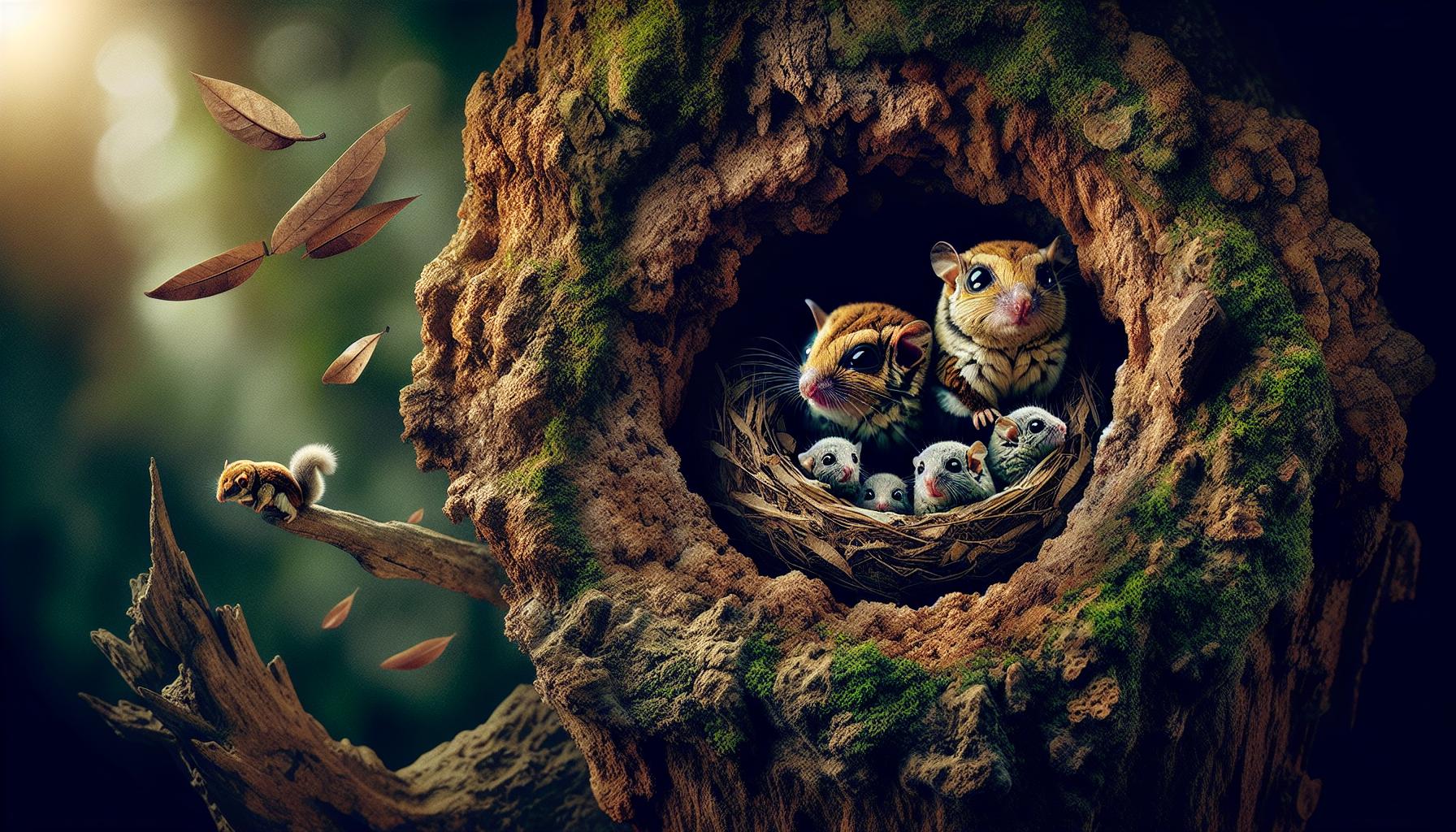
Understanding the Gestation Period of Flying Squirrels
Flying squirrels, with their enchanting gliding abilities and charming demeanor, have a unique reproductive cycle that reflects their adaptability in the wild. The gestation period, lasting between 40 to 46 days, is crucial for the development of their young. During this time, female flying squirrels prepare for the arrival of their babies in a carefully selected nest, often located in a hollow tree or secure nook that provides warmth and safety.
This brief gestation results in litters typically ranging from 1 to 4 babies, with the average hovering around 2 to 3. Environmental conditions, food availability, and maternal health can all influence the number of offspring. For instance, in areas with abundant food sources, a mother may give birth to a larger litter, allowing her genes to spread more effectively within the population.
As the gestation period winds down, the mother engages in behaviors that reflect her readiness for motherhood. She will often reinforce her nesting site, gathering soft materials to create a comfortable environment for her newborns. Once the babies arrive, they are born hairless and blind, relying entirely on their mother’s care for warmth and nourishment. This stage is critical; the mother’s nurturing ensures that the young grow rapidly, preparing them for independence while instilling essential survival skills they’ll need as they venture out into the world someday.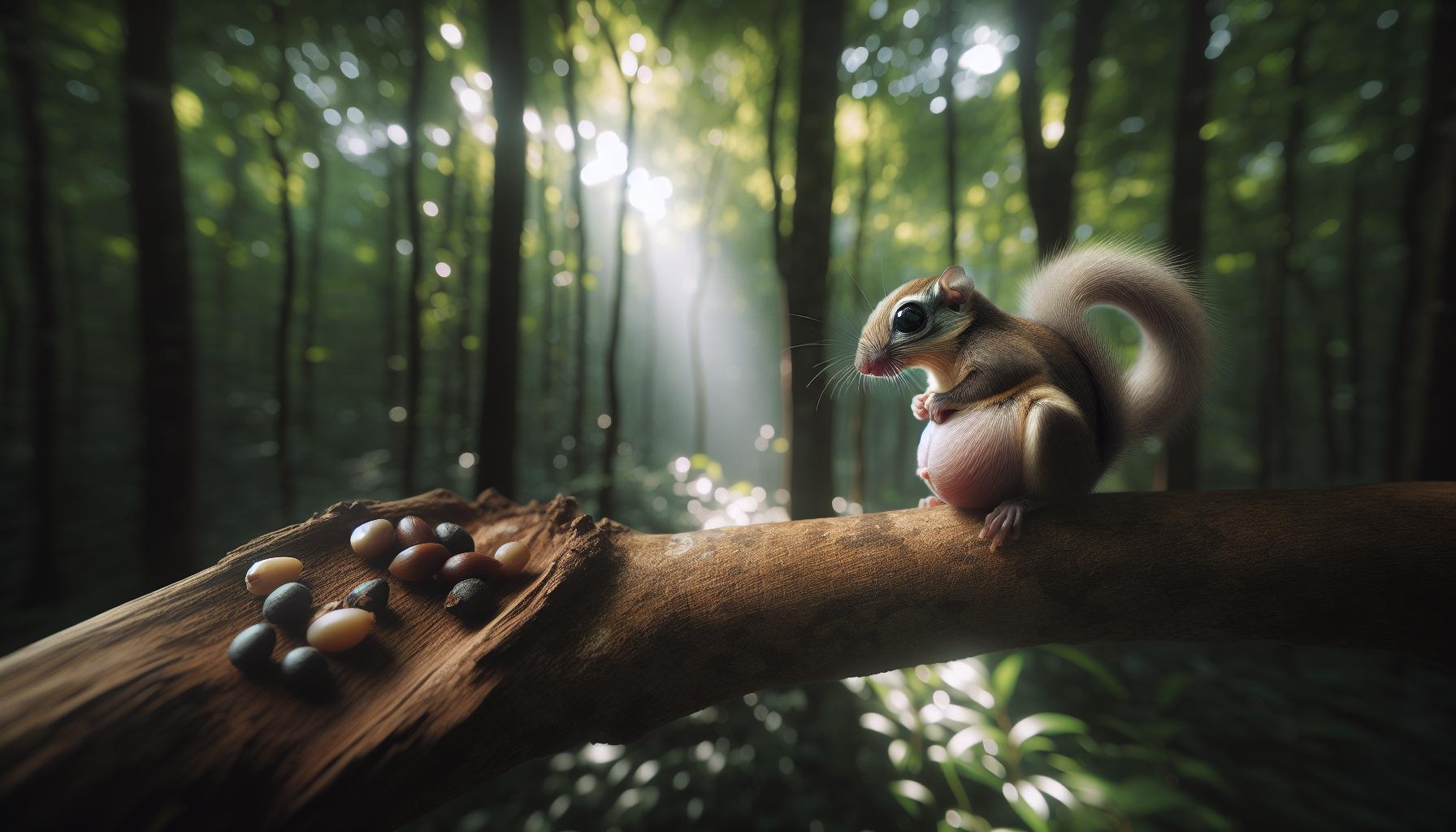
Factors Influencing Litter Size in Flying Squirrels
Flying squirrels exhibit fascinating reproductive dynamics, and several factors can influence the size of their litters. One of the primary determinants is environmental conditions. In regions where food sources are plentiful, mothers tend to give birth to larger litters. For instance, during seasons with abundant tree nuts or fruits, flying squirrels can increase their offspring numbers to capitalize on a rich food supply, which supports both the mother and her young.
Maternal health also significantly impacts litter size. A well-nourished, healthy mother is more likely to produce a larger number of babies. Stress factors, such as habitat disturbance or food scarcity, can adversely affect her reproductive capabilities, resulting in fewer offspring. It’s akin to how humans might focus on quality over quantity; under stress, a mother might opt for fewer, but ultimately healthier, children.
Additionally, genetic factors play a role as well. Different populations of flying squirrels may demonstrate varying reproductive traits, which often reflects their adaptations to local environments. Regions that offer stable climates and ample resources can see flying squirrels increasing their litter sizes over generations, while more challenging environments may lead them to maintain smaller, manageable litters.
To sum it up, the interplay between environmental conditions, maternal health, and genetic factors creates a complex yet captivating picture of how flying squirrels adapt their reproductive strategies to ensure the survival of their species. Understanding these influences not only enhances our appreciation for these unique creatures but also underscores the importance of habitat conservation in supporting their reproductive success.
Behavioral Changes During Pregnancy in Flying Squirrels
The reproductive behavior of flying squirrels becomes particularly interesting during pregnancy, as these fascinating creatures experience notable changes that prepare them for motherhood. Typically, a female flying squirrel will undergo estrus twice a year, leading to a gestation period of about 40 to 45 days. This time is crucial, as it not only involves the physical development of the embryos but also significant behavioral adjustments from the expectant mother.
One of the first changes you might notice is a shift in the female’s social behavior. Pregnant flying squirrels tend to become more solitary. In the wild, they may retreat from their more active social circles to create a safe, quiet environment in which to raise their young. This change helps reduce stress and minimizes potential risks from predators or competition for food. The mother may select a nesting site with excellent cover, ensuring a sheltered and comfortable space for childbirth and the initial rearing of the babies.
Additionally, as the pregnancy progresses, dietary needs also evolve. Pregnant females often seek out nutrient-rich foods to support their own health as well as the developing babies. They might intensify their foraging efforts and opt for more energy-dense items like nuts, fruits, and fungi. This behavioral change not only reflects a response to the increased demands of pregnancy but also highlights how diet plays a critical role in litter size and the overall health of the offspring.
While caring for their young, flying squirrels exhibit further behavioral adaptations. After giving birth, mothers display nurturing behaviors that include grooming and keeping their little ones warm and safe. They create a bond with their young through tactile interactions, which are essential for the emotional and physical development of the babies. This nurturing phase is crucial not only for the survival of the newborns but also establishes the foundation of future social behaviors they will carry into adulthood. Understanding these phases in a flying squirrel’s life sheds light on the complexities of their reproduction and the importance of a stable environment for successful breeding.
Caring for Newborn Flying Squirrel Babies
After the exciting moment of birth, caring for newborn flying squirrels becomes a vital and delicate role for the mother. Typically, flying squirrels give birth to a litter of two to six babies, though the exact number can vary based on several factors, including the mother’s health and the availability of food. These tiny, hairless infants are entirely dependent on their mother for survival during their initial weeks.
In the first few days after birth, newborns rely solely on their mother for warmth and nutrition. The mother flying squirrel will often stay close to her nest, providing not just physical warmth but also initiating the crucial bonding process through grooming and touch. This interaction supports the emotional and physical development of the young, helping to establish a secure attachment between mother and babies.
Protection and Nesting
Safety is paramount in the wild, and mother flying squirrels instinctively choose nesting sites that provide excellent cover from predators. Often, they select tree cavities or hollows that offer shelter and protection. Mothers are known to be cautious and will spend a lot of time in their nest, especially in the early weeks when the offspring are most vulnerable. If a disturbance occurs, she may even move her young to a different, safer location, showcasing her instinct to protect her litter.
Nourishing the Young
Feeding is another crucial aspect of caring for her babies. For the first several weeks, mother flying squirrels will nurse their young, with each baby consuming milk several times a day. As they grow, the mother will gradually introduce them to solid foods, which include fruits, nuts, and small insects. This gradual transition is essential as it helps the babies develop the skills they will need for foraging once they become independent.
To enhance the chances of survival for their young, mothers also manage their own diet carefully. They seek out nutrient-rich foods to maintain their health while nursing, knowing that a well-nourished mother can yield healthier, robust babies.
In summary, the care that a mother flying squirrel provides is critical not only for the immediate survival of her young but also for their development into independent adults. The bond formed during these first weeks will influence their social behaviors and adaptability in their natural environment. Understanding this nurturing process highlights the importance of safe habitats and resources for flying squirrel populations, ensuring that this captivating species continues to thrive in the wild.
What Happens to Baby Flying Squirrels?
The early days of a baby flying squirrel’s life are nothing short of a tiny miracle. Once they make their grand entrance into the world-a litter usually consisting of two to six little ones-they are entirely reliant on their mother for everything. Nestled in the comforting safety of a tree cavity, these newborns spend their early weeks completely vulnerable, their eyes closed and fur non-existent. They depend on their mother not just for warmth but for the crucial nutrition they need to grow strong and healthy.
As the babies grow, significant changes begin to unfold. Within a few weeks, they will start to develop their fur and open their eyes, gradually transitioning from the nest to exploring their surroundings. Mother flying squirrels are incredibly dedicated, checking on their young frequently and nursing them several times a day. This nurturing relationship fosters not only survival but also social bonding. It’s critical during this phase that the babies learn from their mother how to navigate the world, which includes foraging for food as they mature.
Moving Towards Independence
At about eight to ten weeks, flying squirrel babies begin to venture out of their nests and explore their territory, although they still rely on their mother for safety and guidance. They will learn the essential skills of climbing and gliding-skills that flying squirrels are known for. It’s an exciting time, as they mimic their mother’s movements and start to understand the world beyond their cozy home.
By the time they reach twelve weeks, most young flying squirrels are ready to be on their own. They will disperse into nearby trees, establishing their own territories. Unfortunately, not all young make it to adulthood; many face challenges such as predators, finding food, or adapting to new environments. Indeed, these challenges play a vital role in the survival of the fittest within the flying squirrel community.
Understanding what happens to baby flying squirrels provides insight into their complex life cycle and highlights the importance of nurturing habitats where they can thrive. Conservation efforts play a crucial role in ensuring that these adorable little creatures can mature into the strong, skilled fliers they are meant to be, facilitating a balance within our ecosystems. Whether you are a casual enthusiast or a budding wildlife expert, these insights into the lives of baby flying squirrels enrich our appreciation for their existence and the delicate interplay of nature.
Comparing Flying Squirrels to Other Squirrel Species
Flying squirrels are fascinating creatures, not just for their gliding abilities but also for how they compare to other squirrel species in terms of reproductive traits. While a flying squirrel typically has a litter size of about two to six babies, this rate varies significantly among the other members of the squirrel family. For instance, tree squirrels, common in many suburban areas, often give birth to larger litters ranging from three to six young, depending on species and environmental factors. Ground squirrels, however, might have slightly smaller litters, usually around three to five, and their breeding success is often influenced by terrain and food availability.
One interesting aspect is that while flying squirrels are nocturnal and primarily rely on tree cavities for nesting, tree squirrels are diurnal and may build nests in hollows or even construct dreys out in the open. This difference in behavior impacts not only their viewpoint on parenting but also how they care for their young. Flying squirrels are known for their particularly intense maternal care, often remaining with their young for an extended period, while tree squirrels may encourage independence more quickly.
When considering other species like the larger gray or red squirrels, their reproductive strategies differ. For example, gray squirrels typically have two litters per year, with each litter consisting of three to four young. In contrast, flying squirrels usually have only one litter each year, which could explain their strong maternal bonding as they ensure that every baby has the best chance of survival.
While all squirrels share common traits, such as foraging skills and social structure, their approaches to rearing young reflect adaptations to their unique habitats and lifestyles. Observing these differences not only helps us appreciate the diversity within squirrel species but also highlights the specialized care flying squirrels provide to their comparatively smaller litters. Understanding these dynamics fosters greater awareness of wildlife conservation needs, ensuring that habitats are preserved for generations of these adorable animals to thrive.
Interesting Facts About Flying Squirrel Reproduction
Flying squirrels are not just charming for their ability to glide gracefully through the night sky; their reproductive habits also hold many captivating insights. One remarkable aspect of their reproduction is the timing and frequency of their litters. Typically, southern flying squirrels mate in early spring and again in summer, resulting in an average of 2 to 6 young per litter, with most litters consisting of about 3 to 4 offspring. This relatively small litter size is balanced by the intense maternal care these mothers provide, ensuring that each baby has a strong start in life after an approximate gestation period of 40 days [[1]].
What makes their reproductive strategy even more fascinating is the lack of paternal involvement. After mating, male flying squirrels leave the female to raise the young on her own. This solitary parenting approach allows mothers to invest all their energy in nurturing their offspring. They create nests in tree cavities, providing warmth and security as the young develop from hairless, helpless infants into more independent juveniles [[2]].
Also noteworthy is the adaptability of flying squirrels in various habitats, which can significantly influence their breeding success. They thrive in areas with abundant tree cover, where nesting sites are plentiful. This relationship between habitat and reproduction showcases the importance of environmental conservation efforts to ensure robust populations of these delightful creatures. In regions where natural habitats are preserved, flying squirrels tend to have healthier litters and improved survival rates, demonstrating the intricate link between habitat quality and the reproductive health of wildlife.
Overall, flying squirrels offer a compelling glimpse into the delicate balance of nature, where maternal instincts, habitat, and reproductive strategies converge to foster the survival of their young. As we learn more about these enchanting animals, it becomes increasingly clear that protecting their environments is vital for sustaining their populations and maintaining the rich biodiversity of our forests.
The Role of Habitat in Breeding Success
The environment in which flying squirrels reside plays a key role in their reproductive success. These charming nocturnal creatures are highly dependent on habitats that provide the necessary resources for raising their young. Suitable nesting sites, ample food sources, and a safe environment free from significant threats are vital for ensuring that mothers can successfully rear their litters of typically 2 to 6 babies.
Flying squirrels thrive in areas with lush, mature forests where tree cover is abundant. This dense foliage not only helps with concealment from predators but also provides ample cavities for nesting. Female flying squirrels often choose to nest in tree hollows, which offer a warm, secure space for their vulnerable offspring. The availability of such nesting sites can directly influence the health and size of a litter. In regions with rich biodiversity and a variety of tree species, mothers have an easier time finding suitable locations to give birth and care for their young.
Food availability is another critical factor that links habitat to breeding success. Flying squirrels primarily feed on a diet of nuts, fruits, and mushrooms. During the critical months of raising their young, having access to these food sources is imperative. Nutrient-rich diets allow lactating mothers to produce high-quality milk, which is essential for the growth and development of their babies. In environments where food is plentiful, mothers can invest more energy into raising their offspring, leading to healthier, stronger young that are better equipped to survive on their own.
Conservation efforts aimed at preserving forest habitats are crucial for sustaining flying squirrel populations. By protecting their natural environments, we can ensure that these delightful creatures continue to thrive. The connection between habitat quality and reproductive success highlights not only the importance of maintaining biodiversity but also the role that each of us can play in safeguarding these unique ecosystems. By promoting thoughtful conservation practices, we contribute to the survival of flying squirrels and help maintain the balance of life in our forests.
Common Challenges for Baby Flying Squirrels
Despite their adorable appearance, baby flying squirrels face a myriad of challenges from the moment they enter the world. These tiny creatures, typically born in litters of 2 to 6, are entirely dependent on their mothers during the early weeks of life. One significant issue is the risk of predation; young flying squirrels are vulnerable to a variety of predators, including hawks, owls, and snakes. Their reliance on their mother’s protection and the safety of their tree hollows is crucial in these early days.
Nutrition also plays a vital role in their survival. While the mother is nursing her babies, any shortage of resources such as food can affect the quality of her milk. If she cannot find sufficient nuts, fruits, and fungi, her young may not receive the nutrients necessary for proper growth and development. This scarcity can lead to weakened immune systems, making the babies even more susceptible to illness and predation.
Another pressing challenge involves environmental factors. Weather conditions, such as extreme temperatures or heavy rains, can impact the nesting sites. Inadequate shelter during harsh weather may expose the young to chilling or overheating, both of which can be lethal. Furthermore, habitat destruction poses a long-term threat, as the loss of mature forests means fewer nesting sites and food sources, ultimately jeopardizing the future of these enchanting nocturnal gliders.
Overall, understanding these challenges underscores the importance of conservation efforts. By protecting their habitats, we can help ensure that these delightful beings not only survive but thrive, enriching the biodiversity of our forests for generations to come.
Conservation Efforts for Flying Squirrels and Their Young
Conservation efforts for flying squirrels and their adorable young are crucial for maintaining the delicate balance in their habitats. These nocturnal creatures not only contribute to the ecosystem as seed dispersers but also serve as a key indicator of forest health. Unfortunately, habitat loss due to urbanization, deforestation, and climate change poses a significant threat to their survival. Protecting existing habitats while creating new safe environments is vital.
To aid in their preservation, various organizations are actively working on reforestation projects to replenish the trees that provide both food and nesting sites. For instance, planting native hardwood trees is essential, as flying squirrels rely on specific species for nesting and foraging. In addition to tree planting, establishing protected areas ensures flying squirrels have safe havens away from human interference, vital for the successful rearing of their young.
Engaging local communities in conservation can also make a significant impact. Educational programs that raise awareness about the importance of flying squirrels can foster a sense of responsibility and stewardship among residents. By highlighting how these creatures benefit the ecosystem and sharing simple actions individuals can take, such as creating wildlife-friendly gardens or maintaining dead trees for nesting, communities can play a part in ensuring the survival of these charming gliders.
Lastly, reporting sightings of flying squirrels helps conservationists monitor populations and identify potential threats. Whether they are seen gliding through the trees at dusk or nesting in old maple hollows, every observation contributes valuable data. By working together, we can help ensure that flying squirrels continue to thrive and enchant us with their unique charm for generations to come.
How to Help Stray or Orphaned Baby Flying Squirrels
If you come across a stray or orphaned baby flying squirrel, your heart might just melt for these adorable nocturnal creatures. Did you know that flying squirrels typically give birth to 2 to 5 babies in a litter? This small number reflects their investment in parental care, meaning that helping orphaned individuals can make a significant difference in their survival.
When handling a stray baby flying squirrel, the first step is to assess the situation. If the baby appears uninjured and you’ve located a nesting parent nearby, it’s best to leave it alone. The mother may return in due time. However, if the baby is injured or you are certain it’s orphaned, you need to act promptly. Baby flying squirrels are highly vulnerable; their survival depends greatly on proper care.
Steps to Help an Orphaned Baby Flying Squirrel
- Contact a Wildlife Rehabilitation Center: Always reach out to a local wildlife rehabber for guidance. They can provide the best advice tailored to your specific situation and, if necessary, take the baby for rehabilitation.
- Provide the Right Environment: If you must keep the baby temporarily, create a cozy, warm environment. Use a small box lined with soft cloths to replicate a nest. Keep it in a quiet area away from pets and humans.
- Feeding: Do not attempt to feed the baby unless advised by a professional. Baby flying squirrels often require a specific formula that mimics their mother’s milk. Pet stores occasionally offer appropriate products, but consulting with an expert first is crucial.
- Avoid Handling: Limit your handling of the baby to only what is necessary. Stress from excessive handling can negatively impact its health.
Similar to other young mammals, they thrive on their mother’s care, not just in nutrition but also in social interactions and learning essential skills. Therefore, returning them to a suitable environment or a rehabilitation center where they can learn to thrive in the wild is paramount.
It’s heartening to know that many wildlife conservation efforts include programs that rehabilitate and reintroduce flying squirrels into their natural habitats. Each small effort to help these young ones can lead to thriving populations of flying squirrels in our forests. Together, let’s create a safe haven for these charming gliders so they can continue to fascinate us with their gliding antics for generations to come.
Faq
Q: How many babies do flying squirrels usually have in a litter?
A: Flying squirrels typically have 2 to 4 babies in a litter. However, under optimal conditions, they can have up to 7 offspring. This variation is influenced by factors such as the mother’s health, habitat quality, and food availability.
Q: What is the gestation period for flying squirrels?
A: The gestation period for flying squirrels is about 40 to 45 days. After this period, the mother gives birth to her young in a nest, where they will remain until they are mature enough to explore their surroundings, typically around 10 weeks old.
Q: When do baby flying squirrels start to leave the nest?
A: Baby flying squirrels usually begin to leave the nest at around 8 to 10 weeks of age. They are initially dependent on their mother for food and protection but will start to explore and learn to glide shortly after.
Q: How can I tell if a flying squirrel is pregnant?
A: Signs of pregnancy in flying squirrels include changes in behavior, such as increased nest building and a noticeable increase in weight. Also, as they near their due date, their abdomen may visibly distend.
Q: What do newborn flying squirrels eat?
A: Newborn flying squirrels rely entirely on their mother’s milk for nutrition during the first few weeks. As they grow, they will gradually start eating solid foods, such as fruits and nuts, introduced by their mother.
Q: How do flying squirrels care for their young?
A: Mother flying squirrels exhibit strong maternal instincts, keeping their babies warm and feeding them regularly. They frequently check on their young and will move them to different nests if necessary for protection.
Q: What factors can affect the litter size of flying squirrels?
A: The litter size of flying squirrels can be influenced by several factors, including the mother’s age, health, environmental conditions, and available food resources.
Q: Do flying squirrels mate for life?
A: No, flying squirrels do not mate for life. They typically have a seasonal breeding cycle and may mate with multiple partners during their breeding season. This behavior can help ensure genetic diversity among offspring.
For further insights on flying squirrel behavior and care needs, feel free to explore other sections of our article!
The Conclusion
Now that you know about the fascinating litter size of flying squirrels, it’s clear these adorable critters manage to balance their youthful charm with the responsibilities of parenthood. If you’re curious about how their unique behaviors play out in the wild or what their habitat looks like, check out our related articles on “Flying Squirrel Care Needs” and “Understanding Their Habitat.”
Don’t miss your chance to dive deeper into the world of flying squirrels! Subscribe to our newsletter for the latest updates on wildlife facts-your gateway to becoming a savvy nature enthusiast. Got questions or stories to share? We’d love to hear from you in the comments below. Remember, every bit of engagement helps us spread awareness about these incredible animals, so share this article with fellow nature lovers!
Explore more about flying squirrels, their behaviors, and their habitats to enrich your knowledge. You can click here to view our complete guide on exotic pets or learn about the conservation efforts that protect these amazing creatures. Your interest fuels our passion for wildlife education-thank you for joining us on this adventure!
Get our latest guides, news, and insights highlighted in your Google Search & AI Overviews.