Have you ever watched a flying squirrel gliding gracefully through the trees and thought, “What if I could have one as a pet?” While these charming creatures, with their big eyes and playful antics, can captivate anyone, owning a flying squirrel is not as straightforward as it seems. As unique exotic pets, they require specialized care, attention, and a commitment to their well-being that goes beyond the basics. In this article, we’ll explore the realities of caring for a flying squirrel, addressing concerns about their behavior, habitat needs, and what it truly means to share your life with these delightful little animals. If you’re considering adding a flying squirrel to your family, read on to uncover the essential insights that will help ensure a happy, healthy relationship with your furry friend.
Can You Legally Own a Flying Squirrel? Understanding Regulations
While flying squirrels might seem like an adorable addition to your family, their legality as pets can vary significantly depending on where you live. In some states and regions, having a southern flying squirrel as a pet is perfectly legal, while in others, it is entirely prohibited. This inconsistency is often rooted in wildlife protection laws designed to conserve native species and prevent importation of potential non-native pests.
Before diving into the joys of flying squirrel ownership, it’s imperative to check local regulations that govern exotic pets. Some states require permits that may include detailed background checks or additional fees. For example, in states like California and New York, flying squirrels are not permitted as pets, reflecting a broader push to protect their habitats and discourage the capture of wild animals for personal ownership. In contrast, states such as Texas and Florida may allow flying squirrels as pets but with specific guidelines to ensure their well-being and responsible ownership.
Even if you find that flying squirrels are legal to own in your state, it’s advisable to also consider the ethical implications of keeping such animals as pets. Many animal welfare organizations advocate for better understanding of an animal’s natural behavior and habitat, suggesting that potential owners should educate themselves thoroughly before making such a commitment. Engaging with knowledgeable breeders or rescues can provide insights into not only legal requirements but also the responsibilities that come with caring for a flying squirrel, including habitat needs, diet, and socialization.
In summary, thorough research is essential. Always consult local wildlife laws and consider ethical aspects before adding a flying squirrel to your household. Making informed decisions helps ensure a fulfilling relationship with your potential pet while contributing positively to conservation efforts.
The Unique Traits of Flying Squirrels You Need to Know
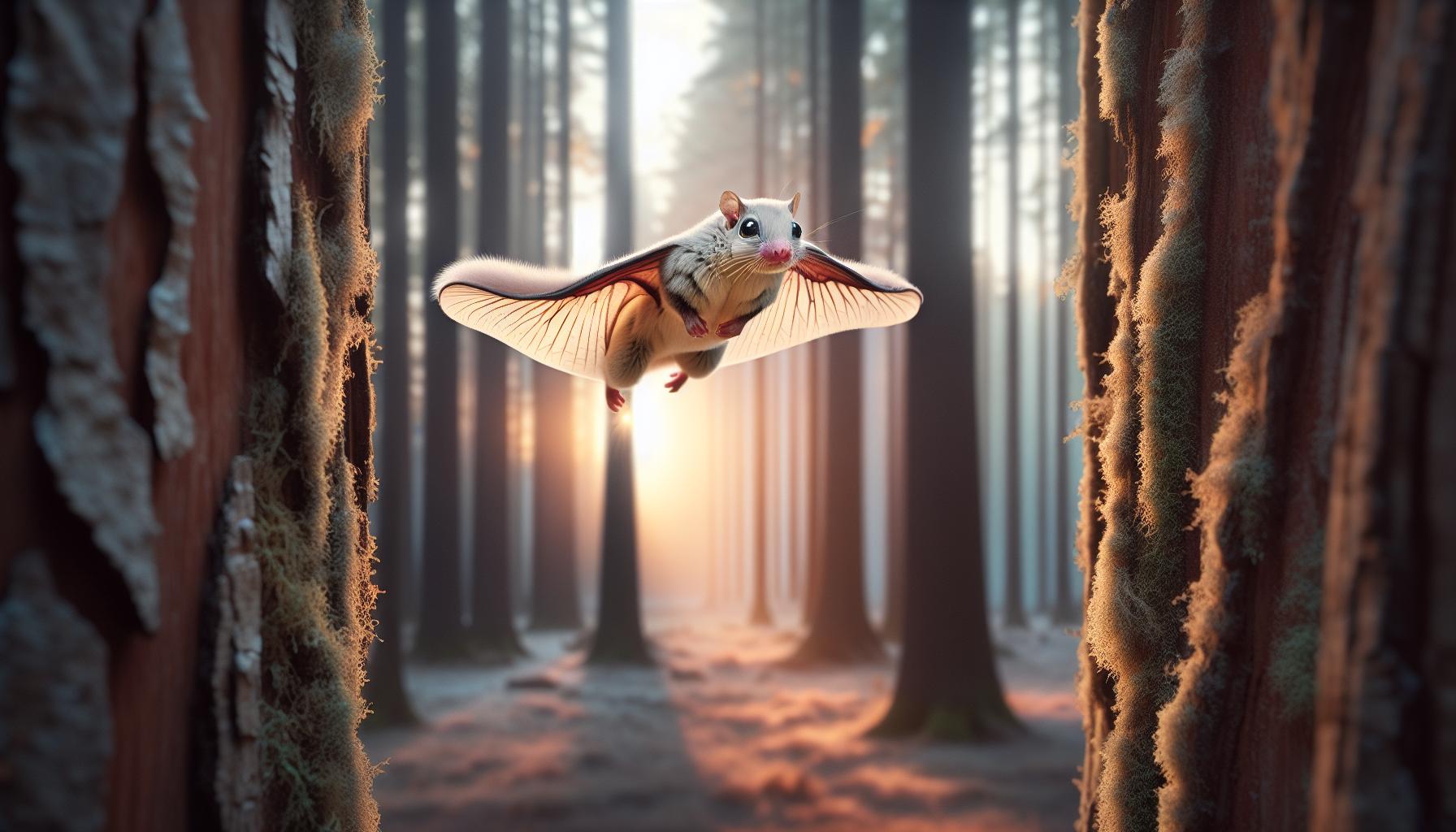
Flying squirrels are enchanting little creatures characterized by their ability to glide gracefully through the trees. These nocturnal mammals are equipped with a unique membrane that stretches from their wrists to their ankles, allowing them to soar up to 150 feet from tree to tree. But there’s much more to these fluffy acrobats than meets the eye. Their playful nature and social behaviors make them fascinating pets, although they require a certain level of commitment and care that potential owners should be prepared for.
Physical Attributes
Flying squirrels stand out not just for their gliding abilities but also for their appearance. Generally, they have soft fur ranging from grayish-brown to reddish-tan, making them quite appealing as pets. Their large eyes are adapted for low-light conditions, allowing them to navigate their nighttime environments efficiently. This adaptability reflects their natural habitat, where they thrive in forests filled with hardwoods that grant them the elevation they need for gliding.
Behavioral Characteristics
In terms of behavior, these squirrels are inherently social animals. They thrive on interaction-both with humans and other flying squirrels. Owners often find that flying squirrels engage in playful antics, climbing and jumping as they explore their surroundings. Their intelligence means they can be trained to some extent, responding to commands or even performing tricks, which adds to the fun of having them around. However, they are also creatures of habit, preferring routine and familiar environments, so it’s crucial to establish a stable habitat once you invite a flying squirrel into your home.
Diet and Nutrition
When considering owning a flying squirrel, understanding their dietary needs is essential. They are omnivorous, which means their diet should consist of a variety of foods, including fruits, vegetables, nuts, and specially formulated pellets designed for flying squirrels. Proper nutrition supports their active lifestyle and helps prevent health issues down the line. A well-balanced diet will not only keep them happy but also contribute to their longevity.
With these characteristics in mind, flying squirrels can be a delightful addition to your family-not just for their cuteness but for their engaging personalities. However, prospective owners should carefully consider their needs and traits to ensure a harmonious and fulfilling relationship.
Feeding Your Flying Squirrel: Diet and Nutrition Essentials
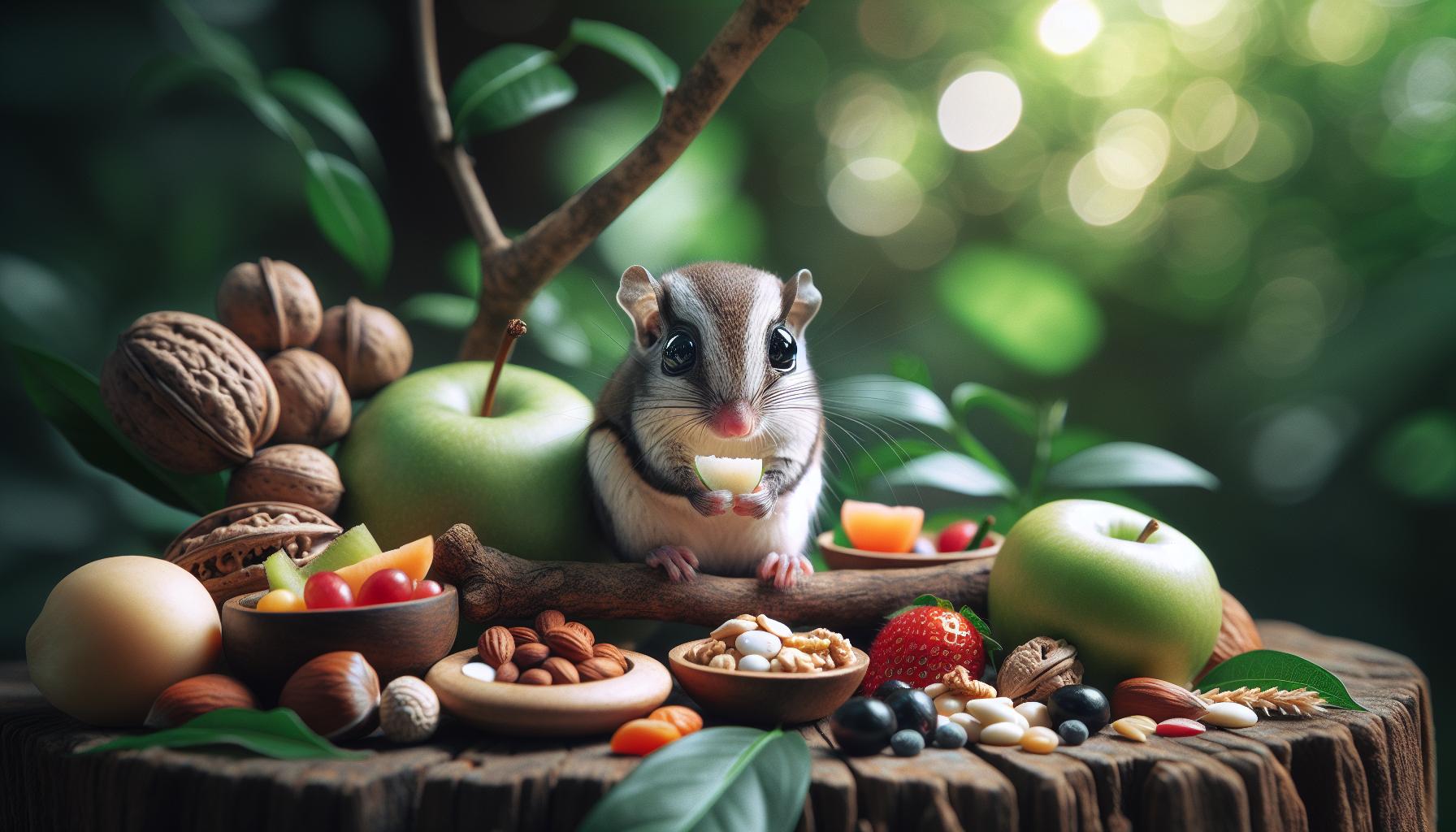
Flying squirrels are not just adorable companions; they also have specific dietary needs that are crucial for their health and happiness. As omnivores, their diet should be varied, mimicking their natural foraging habits in the wild. In the wild, they consume a mix of fruits, nuts, seeds, and occasionally insects. This diverse diet helps them obtain essential nutrients that support their active lifestyles.
To keep your flying squirrel healthy, you should aim to provide a balanced mix of foods. Here’s a quick guide to the essentials:
Key Dietary Components
- Nuts: Almonds, walnuts, and pecans are excellent choices. Just be sure to feed them unsalted and in moderation due to high fat content.
- Fruits: Fresh fruits like apples, berries, and bananas can provide vital vitamins. Offer a variety but avoid overly sugary fruits to prevent obesity.
- Vegetables: Leafy greens and other veggies add fiber to their diet. Dark leafy greens like kale or collard greens are particularly beneficial.
- Specialized Pellets: Invest in high-quality pellets specifically formulated for flying squirrels. These ensure they receive all necessary vitamins and minerals.
- Calcium Supplements: Due to their high risk of calcium deficiency, consider offering a calcium block or powder to sprinkle on their food.
Feeding Schedule
Establishing a routine is crucial. Young flying squirrels generally require more frequent feedings-around twice daily-while adults might thrive on once-daily feedings. Always provide fresh water, changing it daily to ensure hydration.
Incorporating these dietary practices not only supports their physical health but also enhances their playful energy and longevity. A well-fed flying squirrel is a happy one, and a happy squirrel will undoubtedly bring joy to your home. Remember, while treats are fun, moderation is key to maintaining their health and preventing any dietary-related issues.
Creating the Perfect Habitat for Your Flying Squirrel
Creating an ideal habitat for your flying squirrel is essential to their well-being and happiness. Because these creatures are naturally arboreal, their living space should closely resemble their native environment. A suitable habitat will not only keep them safe but also encourage their playful and curious behaviors.
Begin with a large, tall cage made of sturdy wire, as flying squirrels need ample vertical space to climb and jump. The dimensions should ideally be at least 24 inches wide, 36 inches high, and 24 inches deep to provide enough room for exploration. A multi-level cage is ideal as it allows them to move around and engage in their natural behaviors. Inside the cage, include various branches for climbing, platforms for jumping, and a nest box where they can feel secure and rest.
Essential Habitat Components
To create a stimulating environment, incorporate the following elements into their living space:
- Nest Box: Provide a cozy nest box filled with soft bedding material, such as shredded paper or fleece, to give your flying squirrel a safe place to sleep. Ensure it has proper ventilation.
- Hideouts: Flying squirrels appreciate dark spaces. Use tunnels or small caves where they can retreat and feel secure.
- Climbing Structures: Install branches, ropes, or ladders made from natural materials. This promotes climbing and helps maintain their physical health.
- Toys: Add items like chew toys, hanging bells, and tunnels to keep your pet mentally stimulated and entertained.
- Feeding Station: Create a designated area for food and water that is clean and easily accessible. Use heavy bowls that cannot be tipped over.
Remember to place the habitat in a quiet, warm area of your home, away from direct sunlight and drafts. Regular cleaning is vital to prevent odors and ensure your flying squirrel’s health; aim to clean their cage at least once a week, replacing bedding and cleaning food bowls. Your flying squirrel will thrive in an environment that caters to their needs for space, security, and stimulation, creating a happy and healthy companion.
Socialization and Bonding: How to Connect with Your Pet

Building a strong bond with a flying squirrel can be one of the most rewarding aspects of ownership. These adorable creatures thrive on social interaction and can develop deep connections with their human companions. To foster this bond, you need to approach them with patience and understanding. Start by letting your flying squirrel acclimate to their new environment; this period of adjustment typically lasts a few days. Afterward, you can begin to engage them in gentle, positive interactions.
One effective method to deepen your relationship is through hand-feeding treats like nuts, fruits, or specially formulated snacks. This not only promotes trust but also helps them associate you with positive experiences. Always offer treats from a safe distance at first, gradually moving your hand closer as they grow more comfortable. It’s essential to observe their body language-if they seem stressed or scared, give them space and try again later. Consistency is key; short, regular interaction sessions tend to be more effective than long, infrequent ones.
Playtime and Interaction
In addition to feeding, engage your flying squirrel in interactive play. These little explorers love to jump and glide, so creating a safe play area is crucial. Consider using a large, enclosed space where they can safely explore and play with various toys. Items like tunnels, climbing ropes, and chew toys can keep them physically and mentally stimulated. You might find that they enjoy chasing small, lightweight objects or playing peek-a-boo in and out of hideouts. These activities not only satisfy their natural instincts but also build your relationship through shared experiences.
Another important aspect of bonding is creating a regular routine. Flying squirrels feel secure with predictability, so establish a consistent schedule for feeding, playtime, and quiet time. This helps them learn what to expect and reinforces their trust in you as their caretaker. As your relationship grows, you may notice them becoming more affectionate, seeking out your company, and even enjoying cuddles when they feel safe-a delightful manifestation of their trust and bond with you.
By understanding their needs and engaging with them in positive, enriching ways, you’ll create a lasting friendship with your flying squirrel that is bound to bring joy and companionship into your life.
Common Health Issues in Flying Squirrels and Prevention
Many potential owners are smitten by the idea of having a flying squirrel as a pet, drawn to their charming appearance and playful demeanor. However, understanding the common health issues they might face is crucial to ensuring a happy and healthy life for your furry friend. While these adorable creatures can make delightful companions, they are also susceptible to certain health problems that require your attention.
One of the most notable health concerns for flying squirrels is obesity. These critters have a tendency to overeat, especially if offered treats too frequently. A well-rounded diet is essential; it should consist of high-quality pellets supplemented with fresh fruits and vegetables. Be mindful not to succumb to their pleading eyes too often! By maintaining a consistent feeding schedule and monitoring portion sizes, you can help prevent weight-related issues. Regular exercise, facilitated through safe playtime and climbing opportunities, will further aid in keeping them fit.
Another potential issue is dental health. Like many rodents, flying squirrels can suffer from dental problems if their teeth do not wear down properly. Providing hard foods, chew toys, and even branches from safe trees can promote natural tooth wear, reducing the risk of excessive growth and associated pain. Keep a close eye on their chewing habits and look for signs of dietary neglect, such as refusing food or excessive drooling.
Moreover, flying squirrels can carry parasites such as mites, fleas, and ticks, which can affect both their health and your home. Regular health check-ups with a vet experienced in exotic pets are recommended to catch any infestations early. Create a clean living environment, regularly washing their bedding and providing a dust-free enclosure to minimize the risk of these unwanted guests.
Lastly, be aware of the signs of common illnesses, such as lethargy, changes in appetite, or unusual behaviors. If you notice any concerning symptoms, consult a veterinarian promptly. By being proactive and attentive, you can help ensure that your flying squirrel thrives as a cherished member of your family, enjoying all the playful antics that make them so endearing.
Playtime! Engaging Activities for Your Flying Squirrel
Flying squirrels are not only adorable but also incredibly playful, requiring ample opportunities for physical and mental stimulation to thrive. Engaging in playtime is essential for keeping your flying squirrel active, happy, and healthy. These little acrobats love to climb, glide, and explore, making playtime an excellent opportunity for bonding and exercise.
Creating a fun environment involves using climbing structures and toys that mimic their natural habitats. Consider setting up a play area filled with safe branches, ropes, and hammocks, allowing your flying squirrel to exhibit their natural behaviors. These animals are natural climbers and leapers. Providing them with items such as ladders or jungle gyms made from untreated wood can foster their instinctive behaviors. Don’t forget to introduce toys like small tunnels, balls, or even empty cardboard boxes-these can be sources of endless entertainment!
Interactive Playtime Activities
Here are some engaging activities you can enjoy together:
- Obstacle courses: Create a mini obstacle course using household items like boxes, tubes, and blankets. Encourage your flying squirrel to navigate the course with treats as motivation.
- Foraging games: Hide small pieces of food or their favorite treats around their play area. This stimulates their natural foraging instincts and provides mental enrichment.
- Flying lessons: Safely practice gliding by encouraging your flying squirrel to leap from one perch to another (ideally, a distance that feels safe for them).
- Chew toys: Offer a variety of chew toys made from safe materials to promote dental health while providing a playful distraction.
In addition to these activities, regular out-of-cage time is crucial for socialization. Supervised playtime outside their enclosure allows them to bond with you and provides a safe area for exploration. Always keep an eye on them during these moments to ensure their safety.
Overall, the key to a joyful and thriving flying squirrel is a blend of physical activity, mental stimulation, and genuine bonding time. Through interactive play, these charming creatures not only get to express their instinctual behaviors but also deepen their relationship with you as their dedicated caretaker.
The Costs of Owning a Flying Squirrel: What to Expect
Owning a flying squirrel can be an exciting and rewarding experience, but it also comes with a range of costs that potential owners should consider thoroughly. The initial purchase price of these charming creatures can vary widely, typically starting around $200 and going up to $500 or more, depending on the availability, the breeder, and whether the squirrel is a rare color variant or a more common type. Keep in mind that this price is just the beginning of your investment.
In addition to the upfront cost, you’ll need to budget for ongoing expenses. Essential items include a proper cage, which can range from $100 to over $300, depending on size and quality. Flying squirrels require stimulating environments, so you’ll also need to invest in toys, climbing structures, and other enrichment items, which can add another $50 to $100. Food is another recurring expense; a well-balanced diet may cost around $20 to $30 monthly. Remember, it’s crucial to provide them with a high-quality diet that includes pellets, fresh fruits, and insects to ensure they stay healthy.
Beyond these basic needs, you should also consider routine veterinary care. Regular check-ups, vaccinations, and potential emergency visits can quickly add up. An annual vet visit might cost anywhere from $50 to $200, depending on your location and the veterinarian’s specific expertise with exotic animals. Additionally, you might need to factor in costs for potential health issues, as flying squirrels can be prone to certain conditions that may require veterinary intervention.
When calculating the overall costs, you should expect to invest approximately $500 to $1,000 or more in the first year, taking into account the initial costs and ongoing expenses. After that, an annual budget of about $300 to $600 can help cover food, supplies, and veterinary care. Ultimately, while the financial commitment is significant, the joy and companionship of a flying squirrel can be incredibly enriching, making it worth the investment for passionate pet owners.
Is a Flying Squirrel Right for You? Assessing Your Lifestyle
Owning a flying squirrel can be a delightful yet demanding commitment. Before welcoming one into your home, it’s essential to reflect on whether your lifestyle aligns with the needs of these charming little mammals. Flying squirrels are social creatures that thrive on interaction, so if you lead a busy life or frequently travel, you might need to reconsider your ability to meet their companionship needs.
Flying squirrels are naturally active, primarily nocturnal, and require an enriching environment to express their playful behavior. They need a setup that includes climbing structures, toys for mental stimulation, and plenty of space to glide and explore. If your living space is limited, think about how you can create a safe and engaging habitat for them. A spacious cage alone won’t suffice if it’s not complemented by regular playtime and social interaction.
Consider your daily schedule. These furry friends typically need attention and socialization during their active hours, which may not align with typical work hours. If you primarily work a 9-to-5 job, hosting a nocturnal pet might mean less interaction than they require. Additionally, flying squirrels can become quite attached to their caregivers, which is heartwarming but may result in separation anxiety if they don’t receive ample love and attention.
In summary, assessing your lifestyle is crucial. If you’re dedicated to providing the care, interaction, and enriching environment that a flying squirrel needs, then you may find the companionship rewarding. However, if your life is too hectic for consistent engagement or if you cannot provide a suitable habitat, it might be wise to consider other pet options that better fit your circumstances.
Flying Squirrel Adoption: Where to Find One
Adopting a flying squirrel can truly be an enchanting experience, as these fascinating creatures are not only playful but also social, often forming strong bonds with their human companions. If you’re considering welcoming one into your home, knowing where to find them is an essential first step.
Many animal rescue groups and wildlife rehabilitation centers can be great places to start. These organizations often have flying squirrels that are in need of loving homes. Look for local wildlife rescues, humane societies, or breed-specific rescues that may specialize in exotic animals. For example, you might find dedicated Facebook groups or community forums where enthusiasts share available animals for adoption. You can connect with people who have experience caring for flying squirrels, and they might have leads on where to find one, as seen in a community post seeking to adopt a Southern Flying Squirrel [[2]](https://www.facebook.com/groups/140703856026537/posts/8716296388467198/).
Another option is to consider adoption kits offered by organizations like Earth Rangers, which can be a delightful way to contribute to conservation efforts while symbolically adopting a flying squirrel [[3]](https://www.theearthrangersshop.com/products/flying-squirrel?srsltid=AfmBOopNGEl2G926IdtOGVyW4XH6RnQU_jnUl2xLU6fKkivZfVNc-DiO). While this type of adoption does not provide a pet for your home, it supports the welfare of these animals in the wild and can be a meaningful choice for those unable to care for a pet directly.
When searching for your new companion, always prioritize responsible ownership. It’s important to understand the legal requirements in your area, as laws regarding the ownership of flying squirrels can vary significantly by state or region. Ensure that you are prepared to provide an environment that meets their specific needs-these adorable creatures thrive with ample space for gliding and climbing, a diverse diet, and social interaction. Bringing a flying squirrel into your home is a joyful but serious commitment that requires careful consideration and dedication.
Responsible Ownership: Ethical Considerations and Conservation
Owning a flying squirrel can be a rewarding experience, but it also comes with serious responsibilities. These charming creatures are more than just pets; they are part of a wildlife ecosystem, and understanding their needs is paramount for any potential owner. When considering ownership, it’s important to recognize the ethical implications involved, including conservation and the impact on local populations.
Before adopting a flying squirrel, it’s essential to research the legalities within your state or locality. Some areas have strict regulations regarding the ownership of exotic pets, including flying squirrels. Always ensure you acquire your pet from a reputable source, such as a licensed breeder or a rescue organization. This not only supports responsible breeding practices but also helps reduce the number of animals in shelters that need homes. Remember, illegal capture and sale of wildlife can lead to ecological imbalances and endanger local species.
To foster a healthy and happy environment for your flying squirrel, consider the following ethical practices:
- Provide ample space: Flying squirrels need room to glide and climb, mimicking their natural habitats. Invest in a large, multi-level enclosure with various perches and climbing opportunities.
- Diverse diet: Proper nutrition is crucial. A well-balanced diet includes fruits, vegetables, nuts, and specially formulated pellets. Regularly research and adjust their diet to meet their changing needs.
- Social interaction: These animals are social by nature and thrive on interaction. Spend quality time with your flying squirrel daily to strengthen your bond and ensure their emotional well-being.
- Support conservation: Consider contributing to wildlife conservation efforts, such as habitat restorations or participating in programs that promote awareness about flying squirrels and their ecosystem. Symbolic adoptions through trusted organizations can also support conservation while granting you updates on species preservation efforts.
In addition to personal responsibilities, it’s important to advocate for the ethical treatment of all wildlife. Educate yourself and others about flying squirrels and their role in the ecosystem. Engaging with local wildlife organizations can provide further opportunities to participate in conservation initiatives, ensuring that these adorable pets do not inadvertently contribute to the decline of wild populations.
By embracing responsible ownership, you not only enhance the life of your flying squirrel but also contribute positively to wildlife conservation efforts overall. Owning a flying squirrel should be approached with respect for the animal and a commitment to maintaining a balance with nature. This fulfilling journey comes with the opportunity to learn about and contribute to the preservation of the beautiful world of wildlife.
Alternatives to Pet Flying Squirrels: Exploring Other Options
Some people find the idea of having a flying squirrel as a pet incredibly appealing. However, if you’re unsure about commitment or prefer to explore other options, you’re in luck! There are plenty of alternative pets that can offer the same charm and engagement without the extensive responsibilities that come with flying squirrels.
Consider small mammals like sugar gliders. These adorable nocturnal creatures have similar gliding abilities and social needs. Sugar gliders are highly interactive and require attention, making them fantastic companions for those who value a playful pet. Their dietary needs are also manageable, comprising fresh fruits, vegetables, and specially formulated diets.
Another option is the ferret. Known for their playful and curious nature, ferrets can be entertaining in a large, enriching environment. They require social interaction, can be litter trained, and, much like flying squirrels, they thrive on engaging activities that challenge their minds. However, their energy is different from that of flying squirrels; ferrets often engage in bursts of manic play, which can be delightful to watch!
If you’re more inclined toward birds, consider a cockatiel. These feathered friends are known for their affectionate nature and ability to learn tricks and mimic sounds. They require less specialized care than flying squirrels and can bond closely with their owners, creating a joyful atmosphere in your home.
Lastly, for those interested in reptiles, a gecko, such as a crested gecko, might be a fitting choice. These creatures don’t require as much hands-on interaction as mammals but can still offer unique engagement with their active behaviors and fascinating feeding routines.
Here are a few points to keep in mind when exploring alternatives:
- Evaluate Compatibility: Consider your lifestyle, living situation, and how much time you can dedicate to animal care.
- Research Care Requirements: Understand the dietary, habitat, and social needs of any pet you consider.
- Check Local Regulations: Ensure that any pet you choose is legal in your area and comes from ethical sources.
Ultimately, whether it’s a sugar glider, ferret, cockatiel, or gecko, exploring alternatives can lead to a fulfilling pet experience that aligns with your lifestyle. Each type of pet offers unique joy and companionship, keeping wildlife conservation and responsible ownership at the forefront of your journey!
Faq
Q: Can flying squirrels be trained like dogs?
A: Flying squirrels can be trained, but not to the extent of dogs. They can learn simple commands and tricks through positive reinforcement, but their independent nature means training may require patience and consistency. Focus on bonding during training to build trust.
Q: What do flying squirrels need for a comfortable habitat?
A: A comfortable habitat for flying squirrels includes a spacious cage, suitable bedding, and enrichment items. Ensure the cage is tall with plenty of levels for climbing, and add branches and toys to stimulate their natural behaviors. Refer to the “Creating the Perfect Habitat” section for detailed guidelines.
Q: How much attention do flying squirrels require daily?
A: Flying squirrels need at least 1-2 hours of attention daily. They are social animals that thrive on interaction with their owners. Regular handling and playtime are essential for their mental and physical well-being.
Q: Are flying squirrels good pets for children?
A: Flying squirrels can be challenging pets for young children. Their delicate bodies and tendency to startle can make them unsuitable for very young kids. Supervise any interactions and teach children gentle handling to ensure both the pet’s and child’s safety.
Q: Do flying squirrels make noise at night?
A: Yes, flying squirrels are nocturnal and can be quite vocal at night. They often communicate with chirps, barks, or squeaks, which may disturb light sleepers. Consider this if you’re thinking of adopting one, particularly in shared living spaces.
Q: How often should a flying squirrel’s cage be cleaned?
A: Clean a flying squirrel’s cage at least once a week. Remove uneaten food, droppings, and soiled bedding daily to maintain hygiene. Regular cleaning helps prevent odors and keeps your squirrel healthy.
Q: What are some common health issues in flying squirrels?
A: Common health issues in flying squirrels include nutritional deficiencies, dental problems, and respiratory infections. Regular veterinary check-ups and a balanced diet are crucial to prevent these issues. Be alert for signs of illness and consult a vet if needed.
Q: Can flying squirrels live with other pets?
A: Flying squirrels can sometimes coexist with other pets, but caution is necessary. Introduce them gradually and monitor interactions. Smaller pets can be seen as prey, while larger pets might pose a threat. Always prioritize the safety of all animals involved.
To Wrap It Up
Owning a flying squirrel can be a delightful yet complex journey. Remember, these captivating creatures require dedicated care, proper diet, and plenty of mental stimulation. If you’re considering welcoming one into your home, make sure you’re equipped with the right information on their habitats and behaviors. For more tips on exotic pet care, check out our guide on 7 Things to Know Before Getting a Sugar Glider and explore how to set up an enriching environment for your new friend in Creating a Cozy Home for Your Exotic Pets.
Ready to dive deeper? Sign up for our newsletter for exclusive insights into exotic pet ownership, or browse our articles on animal behavior and habitat conservation. Don’t hesitate to share your thoughts or questions in the comments below-we love hearing from fellow wildlife enthusiasts! Let’s continue exploring the fascinating world of pets together.
Get our latest guides, news, and insights highlighted in your Google Search & AI Overviews.