

Did you know that flying squirrels can glide over 150 feet through the air? These nocturnal wonders, often spotted in backyards and attics, can be both charming and a bit of a nuisance. If you find yourself needing to catch a flying squirrel safely, you’ll want to do it with care and respect for these delicate creatures. Understanding their behavior, habitat, and the best methods for humane trapping is essential not only for your peace of mind but also for their well-being. This guide will provide you with expert tips and practical advice to help you navigate the process smoothly, ensuring that both you and the squirrel can emerge from the situation unscathed. So, let’s dive into the fascinating world of flying squirrels and explore how to catch them safely!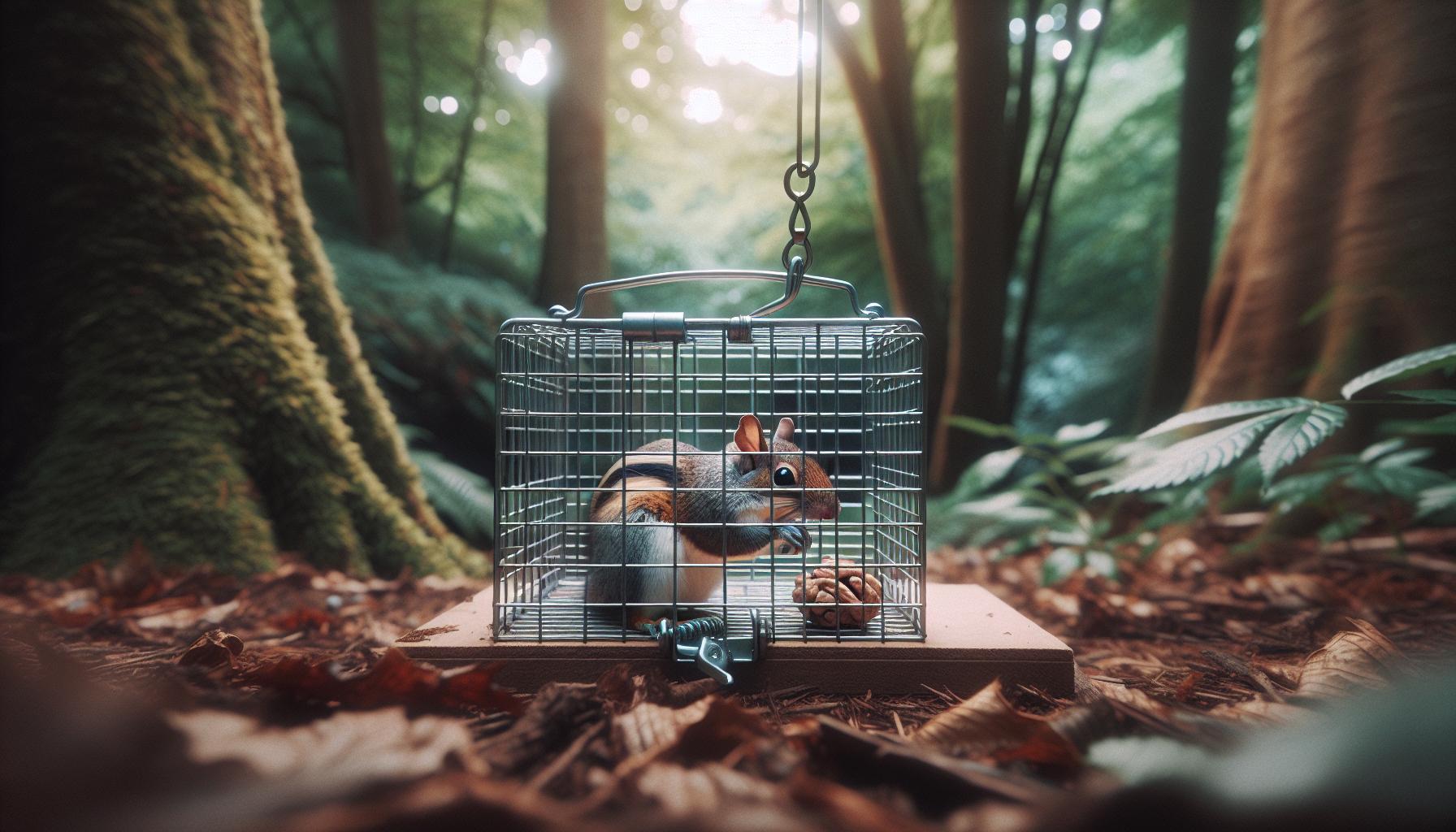
How Flying Squirrels Behave in the Wild
Flying squirrels are fascinating nocturnal creatures that thrive in the wild, displaying a range of behaviors that reveal their adaptability and social structure. Known for their unique ability to glide through the air thanks to a flap of skin called a patagium, these squirrels can cover impressive distances in search of food or new territory. Their diet is quite diverse; they feast on nuts, seeds, fruits, and even insects, demonstrating their omnivorous nature. This adaptability not only aids in their survival but also makes them an important part of their ecosystem.
These animals tend to reside in forested areas where they can find plenty of trees, which offer both food sources and nesting sites. Flying squirrels will often build nests in tree cavities or construct dreys (nests made of leaves and twigs) high off the ground, providing both safety from predators and a comfortable home. Their social behavior is also noteworthy; they are known to live in small groups, which can help with foraging as they communicate silently during nighttime activities, increasing their chances of finding food and avoiding danger.
While catching a flying squirrel may be necessary at times, understanding their behavior in natural settings is crucial for any humane approach. These creatures are quick and agile, often evading predators, such as owls and hawks, by skillfully gliding from branch to branch. This impressive maneuverability highlights the importance of using traps that allow for safe and non-lethal capture. Observing a flying squirrel can be a delightful experience as these animals exhibit playful behaviors, such as chasing one another or gliding gracefully between trees, embodying a spirit of freedom that many wildlife enthusiasts appreciate.
By embracing the natural habits and needs of flying squirrels, we can approach the task of capturing them with greater respect and care, promoting their welfare while addressing any human-wildlife conflicts that arise. Understanding these amazing creatures makes our interactions with them more compassionate and informed.
Understanding the Habitat of Flying Squirrels
Flying squirrels are remarkable creatures that rely heavily on their habitat for survival. To successfully catch and interact with these nocturnal marvels, it’s essential to understand their preferred environments. These furry acrobats thrive in mature forests with abundant tree cover, providing them with a sanctuary for nesting, foraging, and gliding freely.
In the wild, you’ll primarily find flying squirrels dwelling in hardwood forests, especially those rich in oak, hickory, and other nut-bearing trees. The presence of large trees with cavities is crucial, as these cavities serve as natural nests and shelters, protecting them from predators. Flying squirrels are also known to nest in dreys-cozy, leafy structures that offer additional safety. Understanding this habitat need is pivotal when setting up a safe area for trapping or observing these squirrels.
To attract flying squirrels into a specific area, create a habitat that mimics their natural surroundings. Use native plants and consider providing supplemental feeders stocked with their favorite snacks like corn, sunflower seeds, and fruits. This can enhance the likelihood of encountering them while ensuring their environment is respected and preserved. Doing so not only aids in your catching efforts but also fosters a sense of harmony in your wildlife interactions.
Be cautious of their agility and stealth; flying squirrels are adept at navigating through trees, making quick escapes when threatened. Their nocturnal nature means that observation and trapping efforts are best conducted at night, using soft glow lights to minimize disturbance. By respecting their habitat and natural behaviors, you’ll approach the task of capturing flying squirrels with care, ensuring a humane and considerate experience for both you and these delightful animals.
Essential Tools for Catching Flying Squirrels Safely
Creating a safe and effective setup for catching flying squirrels is essential for ensuring both human and animal well-being. These agile nocturnal creatures can be elusive, so having the right tools at your disposal can make all the difference. Whether you are a seasoned wildlife enthusiast or a curious newcomer, equipping yourself with proper tools and understanding their usage is vital for a successful and humane trapping process.
To start, a selection of traps designed specifically for flying squirrels is indispensable. The most effective options include live traps, which allow for safe capture without harm. These traps come in various sizes, but they should be spacious enough to accommodate the squirrels. A one-way exclusion trap can also be beneficial, allowing the squirrels to exit but preventing re-entry to your space. Remember to check traps frequently to minimize stress on the captured animal.
In addition to traps, consider using the right bait to lure flying squirrels effectively. Good choices include nuts, sunflower seeds, or fruits, all of which mimic their natural diet. Using bait increases your chances of attracting these inquisitive creatures. Setting up the traps in the evening hours, when flying squirrels are most active, can enhance your success rate.
Finally, don’t forget your safety gear! Gloves are essential when handling traps or captured squirrels, as they keep both you and the animal safe. A flashlight with a soft glow is beneficial for nighttime scouting without startling the squirrels, and a camera can be handy for documenting their fascinating behaviors. With these tools at your disposal, you’ll be well-prepared to conduct your trapping efforts safely and humanely, ensuring a respectful interaction with these charming critters.
Expert Tips for Setting Up a Catching Area
Creating a safe and engaging catching area is key to effectively capturing flying squirrels while ensuring their well-being. These agile, nocturnal animals prefer habitats that offer plenty of cover, such as tree canopies, so replicating a similar environment in your catching area can greatly enhance your success. Start by selecting a location near their nesting sites or places where you’ve noticed their activity, like along trees or near fruit-bearing plants.
To make the catching area inviting yet discreet, consider incorporating natural elements to camouflage your traps. Use foliage or branches to conceal the traps, ensuring they blend seamlessly into the surroundings. This makes the traps less intimidating and helps flying squirrels feel more comfortable approaching. Avoid bright colors or shiny surfaces that can easily spook these sensitive creatures.
Utilizing proper bait is also essential in attracting flying squirrels to your catching area. Foods they find appealing-like peanut butter smeared on the trap, sunflower seeds, or pieces of ripe fruit-act as great attractants. Set your traps at dusk, when flying squirrels are most active, ensuring they align with their natural behaviors.
Lastly, keep human scent to a minimum. Wearing gloves when handling the traps or bait will help mitigate odors that could deter squirrels. Position the traps away from busy human pathways to reduce disturbance and maintain a peaceful environment for both you and the critters. Remember, patience is key-frequently check the traps but give the squirrels time to adapt to their new surroundings. With these thoughtful preparations, you’ll create a catch area that respects the squirrels’ nature while increasing your chance of a successful, humane capture.
Best Traps for Safe and Humane Capture
When it comes to catching flying squirrels safely and humanely, selecting the right trap is essential. These adorable nocturnal critters are agile and curious, so opting for a trap that respects their nature is crucial. Live-catch traps are the most recommended choice for this purpose. These traps not only allow for humane capture but also help prevent injury to the squirrel while ensuring a stress-free experience.
Types of Traps
There are various types of traps you can use, but here are some effective options:
- Cage Traps: Small to medium-sized cage traps are ideal for flying squirrels. Ensure they have solid construction and ample ventilation. A trap measuring around 12x12x30 inches is suitable, providing enough space for the squirrel to move around comfortably.
- Drop Traps: These traps can be effective, especially when positioned to drop down onto the squirrel as it approaches. This method can be less intimidating, as it mimics a natural phenomenon.
- Modified Bucket Traps: Some wildlife enthusiasts opt to create their own traps using buckets as a base. By adding a ramp and bait at the bottom, you can craft a safe and enticing environment for the squirrels.
Features to Consider
When choosing a trap, consider the following features to enhance its effectiveness:
- Sensitivity: Look for traps with a low trigger mechanism, as flying squirrels are light and agile. A sensitive trigger ensures that the squirrel is captured quickly and humanely.
- Camouflage: Since flying squirrels are wary of open spaces, select traps that can be camouflaged with natural foliage or branches. This helps them feel secure and more likely to enter the trap.
- Accessibility: Ensure that the trap is easy to bait and check. You don’t want to stress the animals by causing delays in monitoring the traps.
In summary, choosing the right trap is vital for the safe and humane capture of flying squirrels. By using live-catch traps with appropriate features and a little ingenuity, you can help ensure a successful and ethical capturing process while also prioritizing the well-being of these fascinating creatures. Remember, always approach the process with patience and respect for wildlife, fostering a harmonious relationship with our fellow forest dwellers.
Step-by-Step Guide to Catching Flying Squirrels
Catching a flying squirrel can be an exciting yet delicate endeavor. These nocturnal creatures are known for their gliding ability, agility, and sometimes, their gentle spirits. Here’s a practical step-by-step approach to ensure a safe and humane capturing experience, emphasizing respect for the animal and its environment.
Begin by researching the behavior of flying squirrels. These animals are primarily nocturnal, so your best chance of capturing one is during dawn or dusk when they are most active. Observe any squirrel activity to identify their pathways and preferred feeding spots. This insight will help you set effective traps in high-traffic areas.
Next, select the right trap type. Live traps are the most humane option for catching flying squirrels, allowing you to capture them without injury. A small cage trap, ideally sized around 12x12x30 inches, provides sufficient space and ventilation. When setting the trap, camouflage it with branches and leaves to make it feel secure and less suspicious to the squirrels. The trap’s placement is crucial; position it near trees or structures where squirrels often feed or nest.
For bait, consider using natural foods that appeal to squirrels like peanut butter, sunflower seeds, or fruits. The scent of these treats will lure them in. Make sure to check the traps frequently, ideally every few hours, to minimize stress on the captured animal.
Once a flying squirrel is captured, handle the situation with care. Avoid direct contact with the squirrel’s cage and talk softly to reassure it. If relocation is necessary, it’s best to do so in a wooded area away from residential neighborhoods. Always follow local regulations regarding wildlife handling and relocation to ensure a safe and legal process.
By being patient and respecting the flying squirrel’s innate behaviors, you’ll not only have a successful capture but also contribute positively to the welfare of these fascinating creatures.
How to Handle a Captured Flying Squirrel
When you find yourself with a captured flying squirrel, it’s important to remember that these delicate creatures require gentle handling and a low-stress environment. First and foremost, minimize direct contact with the squirrel. Even though they may seem small and harmless, flying squirrels can become frightened and stressed when handled roughly or approached too quickly. Speak softly to reassure them and keep movements slow and deliberate.
One effective way to manage a captured flying squirrel is to provide it with a secure space in a well-ventilated, dark, and quiet area. This could be a designated room or a temporary enclosure that’s away from loud noises and potential threats. Ensure the trap or box includes some soft bedding, like shredded paper or cloth, to give the squirrel a comforting spot to rest while it acclimatizes to being caught. If you must handle the trap, cover it with a towel to create a shaded, calming atmosphere that reduces visibility and helps the animal feel secure.
If you need to transport the captured squirrel for relocation or further care, use a small, secure container or a travel crate made specifically for small animals. Before moving, check that the container is safe, with no sharp edges or potential escape routes. If you live in an area where turtles or wild cats are prevalent, it’s best to relocate the squirrel to a wooded area away from populated regions and potential predators. However, always ensure compliance with local wildlife regulations regarding the transport and release of wild animals.
Lastly, monitor for any signs of distress or injury before and after handling. Symptoms such as lethargy, sudden changes in behavior, or difficulty breathing can indicate that the squirrel may need medical attention. By following these guidelines, you contribute to the well-being and humane treatment of these enchanting creatures during what can be a stressful time for them.
Common Mistakes to Avoid When Catching
Catching a flying squirrel can be a delicate undertaking, and many well-meaning people inadvertently make mistakes that can lead to distress for the animal or even reduce the chance of a successful capture. One of the most common pitfalls is failing to choose the right trap. Using traps not specifically designed for small mammals can pose risks of injury or may simply be ineffective. It’s crucial to select a humane live trap that’s adequately sized; traps that are too large might allow the squirrel to escape, while those that are too small can harm the animal.
Another frequent error occurs during the setup process. Many people underestimate the importance of placement and baiting. For flying squirrels, it’s essential to place traps in locations they frequent, such as along their travel corridors or near food sources. Improperly baiting the trap can also lead to disappointment. Consider using foods that are appealing to flying squirrels, such as nuts or fruit, and avoid foods that may attract other unwanted animals, which could trigger the trap without aiding in squirrel capture.
Handling after capture is just as important as the capture itself. One common mistake is handling the trapped squirrel incorrectly. When checking the trap, it’s vital to approach calmly and quietly. Quick movements or loud noises can stress the animal, prompting it to panic. Use a towel or blanket to cover the trap while relocating it, creating a more secure and calming environment for the squirrel.
Finally, some individuals overlook the legal and ethical aspects of squirrel trapping. Specific regulations may vary by region, dictating how and when certain animals can be trapped and relocated. Ignorance of these laws can lead to unintended legal troubles or ethical dilemmas. It’s essential to research local wildlife regulations to ensure compliance and to treat the squirrel with the care and respect it deserves. Following these guidelines not only increases your chances of a successful and humane capture but also fosters a greater awareness of wildlife conservation practices.
Post-Capture Care for Flying Squirrels
Once you’ve safely captured a flying squirrel, the next critical step is ensuring its well-being during the post-capture phase. These adorable critters are prone to stress following their capture, so it’s essential to approach their care with the utmost sensitivity. Flying squirrels are naturally curious and social creatures, known for their playful demeanor in the wild. After capturing one, creating a safe environment that respects their needs and instincts is crucial for recovery.
Safe Transport
Transporting your new furry friend should be done carefully. Use a secure, well-ventilated carrier that allows for airflow but keeps the squirrel from escaping. It can be tempting to take a peek at your captive frequently, but keep in mind that each check can increase their stress. Instead, avoid unnecessary disturbances and provide them with a dark blanket or towel in their carrier to help them feel secure. During transportation, keep the environment quiet and calm to minimize stressors.
Setting Up a Recovery Space
Once home, create a dedicated recovery area away from noise and other pets. A quiet, dimly lit room is ideal. Prepare this space with the following:
- A secure cage: A spacious cage with vertical climbing space mimics their natural habitat. Add branches or shelves for climbing.
- Bedding: Provide soft, safe bedding like aspen shavings or shredded paper for comfort.
- Food and water: Offer a balanced diet of nuts, fruits, and specially formulated flying squirrel pellets. Fresh water should always be available.
- Environmental enrichment: Include toys like small branches, ropes, or hammocks to stimulate their natural behaviors.
Monitoring and Care
The initial few days post-capture are vital. Keep a close eye on your new guest, observing their behavior for signs of distress such as excessive hiding, chirping, or refusal to eat. If they seem overly stressed, it may help to reduce stimuli further or gently talk to them in soothing tones. Social interaction is important-provide opportunities for gentle and positive human interaction when they seem ready, as this can help them adjust to their new environment.
Providing proper care doesn’t just involve meeting their physical needs but also understanding their emotional state. Just like humans, flying squirrels can experience anxiety and fear. With patience and care, they can adapt to their new surroundings. Remember, the goal post-capture is not only to ensure their survival but to help them flourish in a safe, loving home.
By creating a supportive recovery environment, you give your flying squirrel the best possible chance to thrive after capture, paving the way for a healthy, happy pet that can eventually bond with you in their new habitat.
Recognizing Signs of Distress in Flying Squirrels
Understanding when a flying squirrel is distressed is crucial for their well-being, especially after capture. These friendly creatures may exhibit a range of behaviors that signal discomfort or anxiety. For instance, excessive hiding is a common sign. When a flying squirrel feels threatened, it may retreat to a corner of its cage or burrow into bedding. This behavior indicates that the animal is trying to escape perceived danger and needs a more secure and peaceful environment to feel safe.
Vocalizations are another important indicator of distress. Flying squirrels are known to make high-pitched noises, some of which might be beyond the range of human hearing. This can include “tseets,” which often signify distress or discomfort as a way to communicate their feelings. By paying attention to these sounds, caretakers can assess their mood. If they are chirping or screeching more than usual, it could mean they are feeling threatened or unhappy.
Changes in eating habits can also be a red flag. A flying squirrel that suddenly refuses to eat or drink may be experiencing stress. This behavior not only affects their nutritional intake but can lead to further issues if it persists. Ensure that their environment is as calming as possible during this time and monitor their food and water intake closely. Providing a quiet place where they can feel secure is essential.
Lastly, if your flying squirrel becomes overly aggressive or attempts to bite, this can be a sign of fear or stress. It’s important to approach them with gentleness and patience, allowing them to adjust to their surroundings. Understanding these signs of distress can help caretakers provide better care and support, leading to a healthier and happier recovery for their new furry friend. By creating a calm and reassuring environment, you can significantly enhance their comfort levels during this transitional period.
Legal Considerations for Catching Flying Squirrels
Catching flying squirrels might seem like an exciting venture, but it requires a careful approach, particularly when considering the legal implications involved. First and foremost, it’s important to know that laws regarding the capture and ownership of flying squirrels vary significantly across the United States. In fact, due to their exotic status, owning a pet flying squirrel is illegal in 26 states. These regulations often stem from concerns about wildlife conservation and the ethical treatment of these gentle creatures. Therefore, before even contemplating the capture of a flying squirrel, you must check local laws to ensure compliance and avoid potential legal issues.
In states where it is legal to capture flying squirrels, obtaining the proper permits is usually necessary. This can include a wildlife rehabilitation permit or special licenses that allow you to handle these animals. Such regulations are there not just to protect the flying squirrels themselves but also to ensure that their populations remain healthy in the wild. Always research and understand your state’s specific requirements, as failure to adhere to these guidelines can lead to hefty fines and legal repercussions.
Furthermore, ethical considerations should guide your actions. Catching flying squirrels should be approached with the intention of their well-being in mind. It’s essential to capture them humanely and in a manner that minimizes stress. Familiarize yourself with local wildlife conservation efforts as well; participating in these programs can enhance your knowledge and support the health of local populations. Engaging with wildlife experts or supportive communities can also provide valuable insights into the best practices for both capture and care, ensuring that your actions contribute positively to the environment.
In essence, responsible handling of flying squirrels balances legality with ethical wildlife treatment. Prioritize understanding the laws and regulations, and approach any interaction with these fascinating creatures with care and respect. By adhering to these guidelines, you not only act within the law but also contribute to the conservation of these unique animals for future generations to enjoy.
Conservation and Ethical Guidelines for Squirrel Care
Caring for flying squirrels transcends simple capture; it demands a passionate commitment to their well-being and conservation. These enchanting creatures, with their ability to glide gracefully through the trees, play essential roles in their ecosystems, including seed dispersal and maintaining forest health. Understanding how to handle them responsibly is crucial not only for their survival but also for fostering future generations’ appreciation of wildlife.
To engage with flying squirrels ethically, start by becoming thoroughly informed about local wildlife laws. Depending on your area, capturing and keeping flying squirrels may require special permits or may be completely prohibited. For example, the Carolina northern flying squirrel is a federally endangered species, and any interaction with this animal is heavily regulated to ensure its protection [[3]](https://www.ncwildlife.gov/species/carolina-northern-flying-squirrel). Before engaging in any activities with flying squirrels, check your local regulations to avoid legal repercussions and contribute to conservation efforts.
Positive interaction with wildlife means practicing humane capture techniques and minimizing stress for the animals. Use traps that are designed for humane capture, ensuring that they are safe and effective. When handling a captured squirrel, be gentle and avoid direct contact with their skin to prevent injury or stress. A secure, quiet environment during rehabilitation or release is critical. Remember, the goal is always to return them to their natural habitat, where they can thrive without human interference.
Joining local wildlife conservation initiatives can enhance your understanding and strengthen community efforts to protect these unique animals. Many regions host volunteer programs focusing on educating the public about flying squirrels and other wildlife. By participating, you can contribute to the preservation of their natural habitats. This engagement not only benefits the squirrels but fosters a greater awareness of the biodiversity that enriches our world.
Practicing ethical squirrel care involves a commitment to both individual animal welfare and broader conservation efforts. By respecting local regulations, using humane techniques, and supporting conservation initiatives, you help ensure that flying squirrels continue to soar across our forests for generations to come.
FAQ
Q: What is the best time of year to catch flying squirrels?
A: The best time to catch flying squirrels is during late summer or early fall when they are most active and gathering food for winter. This increases your chances of sighting them and setting effective traps. For detailed strategies, refer to the Best Traps for Safe and Humane Capture section.
Q: How do I attract flying squirrels to my trap?
A: To attract flying squirrels, use natural food sources like apples, nuts, or peanut butter in your traps. Position the traps near their feeding areas or known pathways to increase visibility. See the Expert Tips for Setting Up a Catching Area for more insights.
Q: Are flying squirrels nocturnal? How does this affect trapping?
A: Yes, flying squirrels are nocturnal, which means they are active at night. This affects trapping as you should set traps during the evening when they are most likely to be searching for food. Check traps early in the morning for best results.
Q: What should I do if I accidentally catch a baby flying squirrel?
A: If you accidentally catch a baby flying squirrel, calm it by ensuring it has a quiet, safe space and avoid handling it excessively. Contact a wildlife rehabilitator for advice on care and release. Learn more in the Post-Capture Care for Flying Squirrels section.
Q: Can I use homemade traps for catching flying squirrels?
A: Yes, you can use homemade traps, but they must be designed to ensure safety and humane capture. Ensure the trap is sturdy and secure to prevent injury. For best practices, see Essential Tools for Catching Flying Squirrels Safely.
Q: How can I identify signs of a flying squirrel infestation?
A: Signs of a flying squirrel infestation include audible sounds at night, droppings around nesting areas, and gnaw marks on wood or electrical wiring. For more details on recognizing these signs, refer to the Recognizing Signs of Distress in Flying Squirrels section.
Q: What are the legal considerations for catching flying squirrels?
A: Legal considerations vary by region, but it is essential to check local wildlife regulations. Some areas require permits or have specific trapping seasons. For comprehensive legal guidelines, please review the Legal Considerations for Catching Flying Squirrels section.
Q: How can I ensure the captured flying squirrel is healthy?
A: To ensure the captured flying squirrel is healthy, observe its behavior and look for any signs of distress or injury. Provide it with food and water, and monitor its condition closely. For proper care, see the How to Handle a Captured Flying Squirrel section.
Wrapping Up
Now that you’re equipped with expert tips on how to catch a flying squirrel safely, it’s your turn to take action! Remember, patience and respect for these charming creatures are key. By following our guidelines, you can enjoy a successful and humane capture experience. If you have questions or concerns, don’t hesitate to reach out in the comments below. We love hearing from fellow wildlife enthusiasts!
For more insights, check out our articles on Caring for Your New Flying Squirrel and Common Mistakes to Avoid When Interacting with Wild Animals. Don’t miss out-sign up for our newsletter to receive tips and resources directly in your inbox. Join our community as we continue to explore the fascinating world of wildlife together!


