
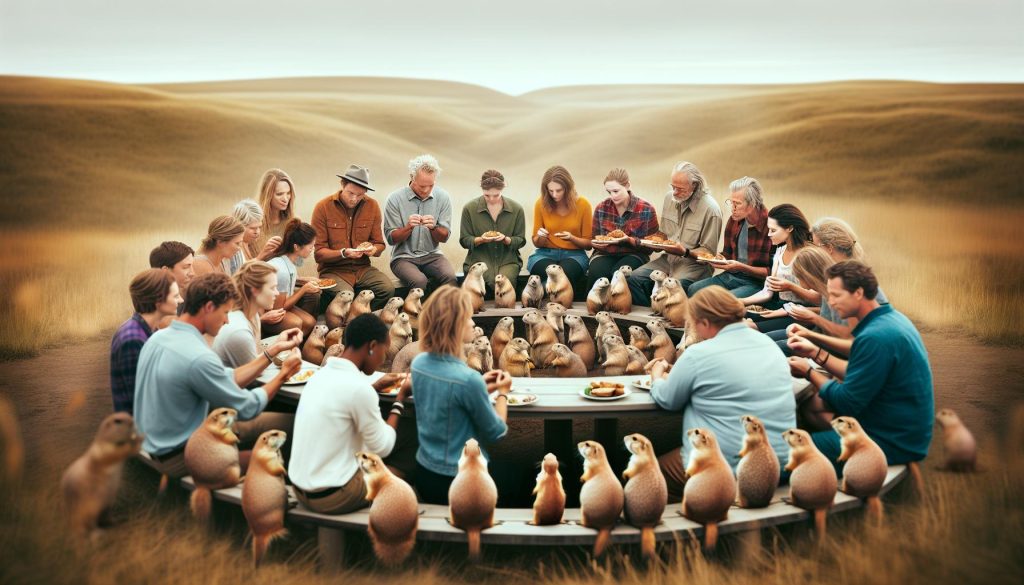
Did you know that prairie dogs play a crucial role in their ecosystems, much like keystone species? These remarkable rodents thrive in the American plains, known for their intricate burrow systems and vibrant social structures. In “What Is a Prairie Dog? The Ultimate Guide to These Social Rodents,” we’ll explore everything from their unique behaviors and habitats to their importance in biodiversity. Whether you’re a wildlife enthusiast or just curious about these charming creatures, understanding their lives will deepen your appreciation for nature. Join us as we delve into the world of prairie dogs, uncovering fascinating facts and practical insights that highlight why these social rodents deserve protection and respect.
What Are Prairie Dogs and Why Are They Important?
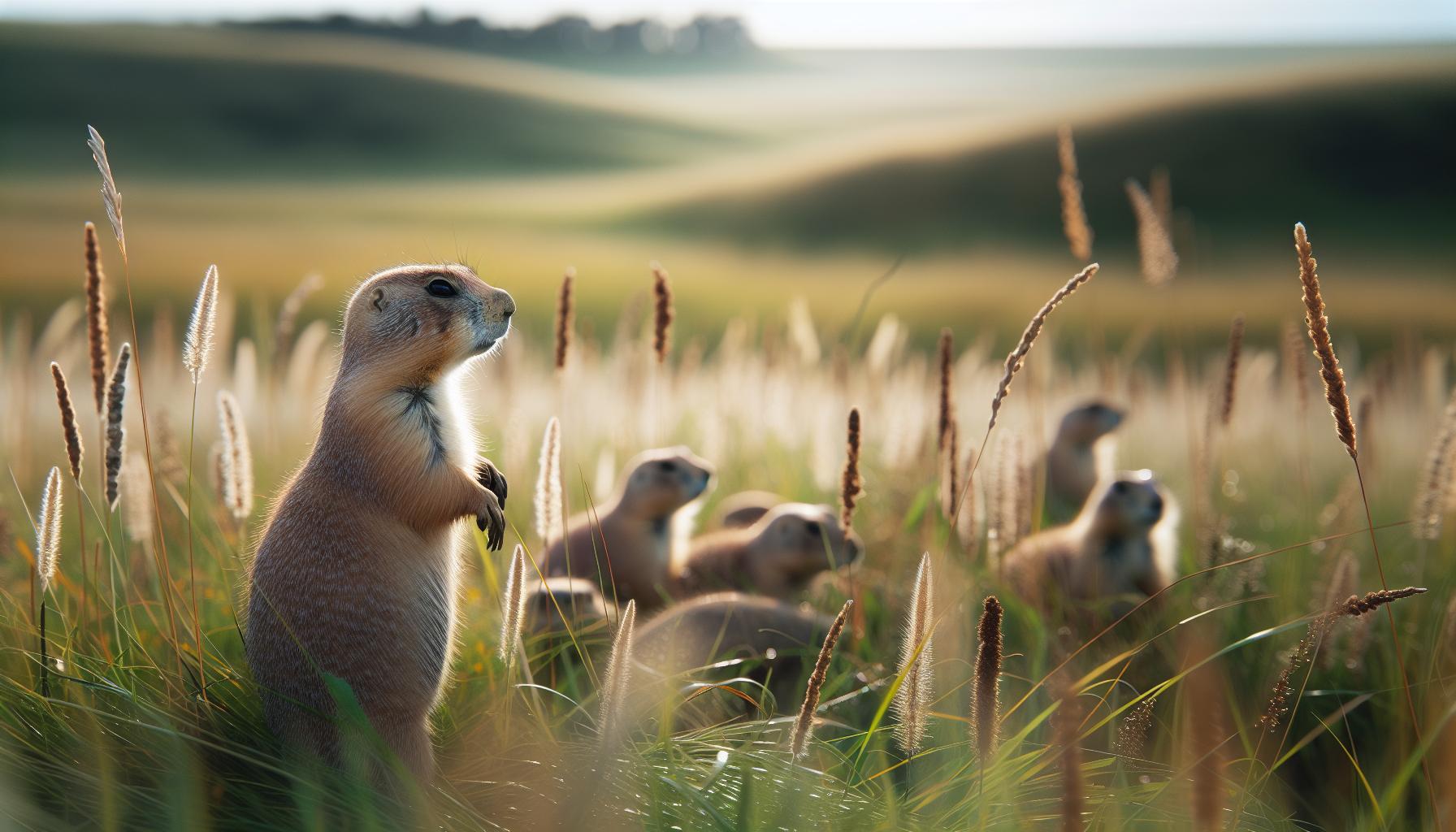
Prairie dogs are captivating social rodents that play a fundamental role in the ecosystems of North America’s grasslands. These small, burrowing mammals, which belong to the family Sciuridae, are known for their gregarious nature and complex social structures. Living in large colonies, often referred to as “towns,” prairie dogs communicate through a sophisticated system of vocalizations that signal danger and coordinate group behavior. Their presence not only contributes to the biodiversity of their habitats but also supports a variety of other species by creating a dynamic ecosystem.
One of the most significant ecological roles of prairie dogs is their impact on soil health and habitat availability. As they dig extensive burrows, they aerate the soil, which improves its overall quality and promotes the growth of various plant species. Additionally, prairie dog towns serve as invaluable food sources for a range of predators including hawks, eagles, and the endangered black-footed ferret, which relies on them for sustenance. This interconnectedness highlights their importance in maintaining the balance of their habitats and the survival of other wildlife species [[1]].
Beyond their environmental significance, prairie dogs are also a focus of conservation efforts. Their populations face numerous threats, including habitat destruction and disease. Organizations like American Prairie prioritize the restoration of prairie dog habitats to not only protect these social rodents but also support broader conservation initiatives that benefit entire ecosystems [[2]]. By understanding and supporting prairie dog populations, we take meaningful steps toward protecting the intricate web of life that relies on them.
The Fascinating Social Structure of Prairie Dog Colonies
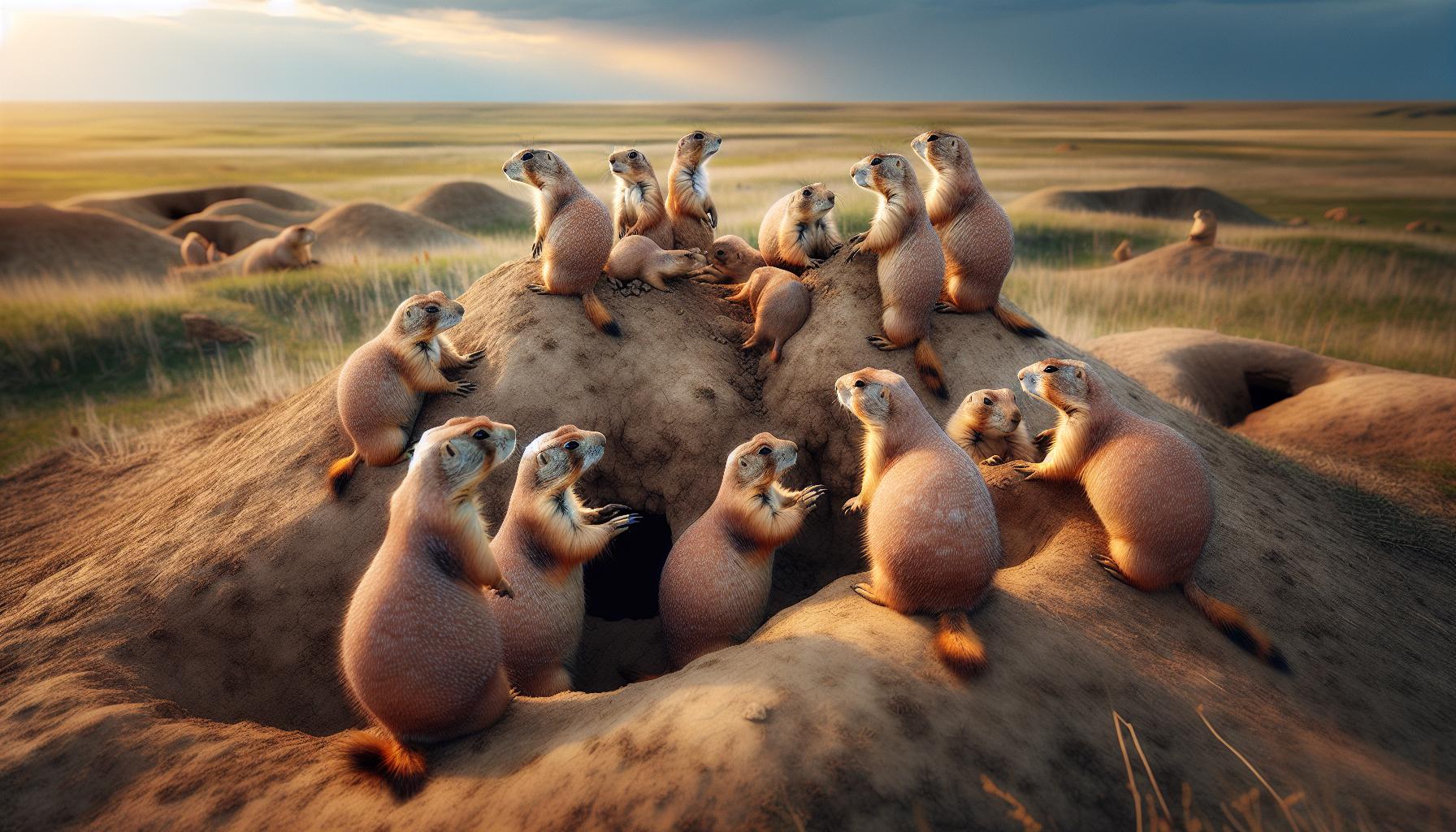
Prairie dog colonies are true marvels of social organization in the animal kingdom. These colonies, often referred to as “towns,” can cover vast areas and host thousands of individuals, all of which interact through a complex social system. Prairie dogs live in family groups known as coteries, where they establish intricate social hierarchies and engage in cooperative behaviors. Within these groups, members often exhibit affectionate behaviors, such as grooming and hugging, showcasing the deep bonds that form among them.
Communication is key in these colonies. Prairie dogs have an elaborate language made up of vocalizations that convey intricate messages about their environment. For example, they can alert others to the presence of predators through specific alarms that indicate not just the type of threat but even its distance and direction. This remarkable communication ability highlights their intelligence and reflects the importance of teamwork and vigilance in their survival strategy. By effectively conveying warnings, they maintain the safety of the entire colony.
Burrows: The Heart of Prairie Dog Towns
The architecture of prairie dog towns is just as fascinating as their social dynamics. Their extensive burrows are built with multiple entrances and exits, which serve as escape routes from predators and facilitate social interactions. These underground networks can be quite sophisticated, with some burrows reaching depths of up to 3 meters and extending horizontally for many meters. The burrowing activities not only provide shelter for prairie dogs but also create essential habitats for other species, underscoring the interconnectedness of their ecosystem.
In essence, the social structure of prairie dogs is a testament to how cooperation and communication can enhance survival in challenging environments. Their unique behaviors remind us of the intricate social fabric woven by these small, yet profoundly important, creatures in the grasslands of North America. Understanding their social dynamics is crucial for appreciating their role in the ecosystem and the conservation efforts aimed at protecting them.
Natural Habitat: Where Do Prairie Dogs Live?
Prairie dogs are remarkable creatures that thrive in a variety of habitats across North America, primarily favoring grassland environments. These energetic rodents are most commonly found in dry, flat, and sparsely vegetated areas known as prairies, but their adaptability allows them to inhabit diverse ecosystems. From the rolling plains of the Midwestern United States to the sagebrush-dominated landscapes of the West, prairie dogs have carved out a niche where they can flourish.
One of the key factors for their success in these habitats is the type of soil they prefer. Prairie dogs thrive in areas with fine to medium-textured soils, which facilitate their burrowing activities. These intricate burrows are crucial not only for their own shelter and social interaction but also play a significant role in the overall ecosystem. By aerating the soil and creating homes for other wildlife, prairie dogs contribute to a vibrant community of species that rely on their extensive underground networks [2][1].
The habitats of prairie dogs also showcase their unique relationship with the natural world. Close to the surface, prairie dog towns provide essential food resources for various predators, including hawks and coyotes, while the chaos of these “towns” creates opportunities for other animals like burrowing owls and various rodents who seek the protection offered by prairie dog burrows. The impact of prairie dogs extends beyond their immediate surroundings, influencing the health of the grasslands they inhabit and the species that share these ecosystems [3].
In summary, the natural habitat of prairie dogs is a dynamic blend of grasslands and burrowing systems. Their ability to thrive in varied environments while fostering rich community interactions not only underscores their role as a keystone species but also highlights the intricate web of life that exists within these vibrant ecosystems. Understanding where prairie dogs live enhances our appreciation for their ecological significance and the importance of conserving these lively rodents and their habitats.
Diet and Feeding Habits: What Do Prairie Dogs Eat?
The diet of prairie dogs is both fascinating and vital to their health and the ecosystems they inhabit. These social rodents are primarily herbivorous, consuming an impressive variety of plant materials found in their grassland habitats. Their feeding habits reflect their role as a keystone species, as they not only rely on grasses but also significantly influence plant dynamics and the overall health of the prairie ecosystem.
In the wild, prairie dogs predominantly feast on grasses, forbs (flowering plants), and seeds. Their preference for fresh greens and tender shoots means that they often graze on young plants. They have a unique digestive system, adapted to efficiently process fibrous plant material, making them well-suited to their herbaceous diet. This grazing behavior helps to maintain the growth of grasses and can prevent certain plants from becoming dominant, promoting biodiversity within their habitats.
When cared for as pets, prairie dogs require a diet that closely mimics their natural eating patterns. A balanced diet includes a variety of fresh vegetables, leafy greens, and high-quality hay, which should make up most of their daily intake. Additionally, they benefit from herbivore pellets formulated to meet their nutritional needs and can enjoy occasional treats such as root vegetables and certain fruits. It’s crucial for pet owners to avoid sugary or processed foods that can lead to obesity or other health complications. Regular access to fresh water is also essential to ensure their well-being.
In summary, prairie dogs thrive on a diet rich in grasses and plant materials, both in the wild and as pets. Their feeding habits not only support their own health but also contribute to the ecological balance of the prairies they call home. By understanding what prairie dogs eat, we can better appreciate their role in nature and ensure that our pet prairie dogs receive the right care and nutrition to flourish.
Unique Behaviors: Communication and Social Interactions
Prairie dogs are not just charming little critters; they’re masters of communication, possessing a sophisticated system to convey messages within their colonies. Their vocalizations are a fascinating aspect of their behavior, serving as intricate alarms that alert others to various dangers. Studies have shown that prairie dogs have distinct calls for different predators. For instance, specific sounds are made in response to coyotes, hawks, and even domestic dogs, each varying in tones and frequencies. This level of complexity suggests a remarkable understanding and ability to convey nuanced information, almost akin to a language. As biologist Con Slobodchikoff has noted, these calls aren’t just basic alarm signals-they are specifically tailored, which helps the colony respond appropriately to different threats[1].
The social structure of prairie dog colonies is another compelling aspect of their behavior. They live in large groups called coteries, which are matriarchal in nature, often composed of related females and their offspring. Within these close-knit communities, prairie dogs engage in grooming and playing, which reinforces social bonds-important for their survival. They exhibit behaviors that suggest empathy, such as comforting an injured member of the colony and alerting others when a fellow prairie dog is in distress. This support system showcases their intelligent social interactions, which contribute to the resilience and cohesion of the group.
To thrive as both a species and community, prairie dogs engage in what some might call “social architecture.” Their elaborate burrow systems not only provide shelter but also facilitate social interaction, with interconnected tunnels serving as highways for communication and interaction. This underground life is buzzing with activity, where prairie dogs can be seen playing, grooming, and, of course, vocalizing. The depth of their social interactions and communication skills not only captivates wildlife enthusiasts but also reminds us of the intricate bonds that exist in the animal kingdom, reinforcing the ecological significance of these remarkable rodents.
The Role of Prairie Dogs in the Ecosystem
Prairie dogs play a crucial role in maintaining the health and balance of the ecosystems they inhabit. These social rodents are often referred to as “ecosystem engineers” due to their significant impact on their surroundings. Their extensive burrowing activity helps to aerate the soil, which improves water infiltration and promotes the growth of vegetation. This enriched environment benefits not only prairie dogs but also numerous other species that share the grasslands, including birds, insects, and larger mammals.
One of the most fascinating aspects of prairie dog ecosystems is their ability to create unique microhabitats. The burrows they dig serve as homes not only for themselves but also for various animals such as burrowing owls, snakes, and even foxes. These structures provide shelter and protection while also facilitating the cycling of nutrients found in their dung, which contributes to soil fertility. Furthermore, the grazing habits of prairie dogs help to maintain the growth of grasses, preventing certain species from dominating the landscape and allowing for greater biodiversity overall.
In addition to their physical alterations to the landscape, prairie dogs also play a pivotal role in the food web. They are prey for a variety of predators, including hawks, coyotes, and badgers. By flourishing within their ecosystems, prairie dogs help sustain these predator populations. Moreover, their presence influences the behavior and distribution of other herbivores that might compete for similar resources, further illustrating their interconnectedness within the prairie landscape.
As environmental challenges intensify-such as habitat destruction and climate change-the conservation of prairie dog populations becomes increasingly vital. Protecting these animals means preserving the broader ecosystems they support. A healthy prairie dog colony is essential for ensuring the resilience and functionality of the grassland habitats, providing a robust template for conservation efforts aimed at sustaining not just prairie dogs, but the myriad of life forms that depend on their unique habitat. Thus, by valuing prairie dogs and their roles, we are also committing to the health of the ecosystems they represent.
Threats to Prairie Dog Populations: Conservation Challenges
Despite their critical role in grassland ecosystems, prairie dogs face a multitude of challenges that threaten their populations. One of the most significant threats is habitat loss due to human activities such as agriculture, urban development, and infrastructure expansion. As fields transform into farms or cities, vast areas that once teemed with prairie dog colonies are often pushed aside. This not only reduces the available land for prairie dogs but also fragments their populations, making it harder for them to find mates and reducing genetic diversity.
Another critical challenge is the impact of disease, particularly sylvatic plague. This bacterial disease, transmitted via fleas, can decimate prairie dog colonies rapidly, leading to significant mortality rates. Such outbreaks can wipe out entire towns in a matter of weeks, drastically affecting local ecosystems reliant on prairie dogs’ burrowing and grazing behaviors. Additionally, climate change poses a long-term risk by altering precipitation patterns and ecosystem dynamics, potentially leading to drought conditions that can further stress prairie dog populations.
Conservation efforts are key in combating these threats. Organizations are working to protect and restore prairie dog habitats through various strategies:
- Land Conservation: Securing and restoring native grasslands, allowing prairie dogs to thrive in their natural environments.
- Vaccination Programs: Implementing disease management strategies to reduce the impact of sylvatic plague on populations.
- Public Education: Raising awareness about the ecological importance of prairie dogs, fostering community support for conservation initiatives.
By understanding the challenges prairie dogs face, wildlife enthusiasts and conservationists can engage more effectively in efforts to preserve these vital species and their habitats, ensuring the resilience of the ecosystems they support. Thus, every action taken to protect prairie dogs also resonates through the broader web of life in prairie environments.
How to Care for a Prairie Dog as a Pet
Caring for a prairie dog as a pet can be a rewarding experience, provided you are ready to meet their specific needs. These social creatures thrive on interaction, so it’s crucial to understand both their physical and emotional requirements to create a healthy environment. To ensure your prairie dog is happy and healthy, start by providing them with a spacious cage that mimics their natural burrowing habitat. A multi-level enclosure filled with tunnels, hiding spots, and chew toys will keep them engaged and active. The more room they have to explore and dig, the better.
Diet plays a vital role in the health of your prairie dog. A proper diet should consist of high-quality grass hay, which should make up at least 70% of their food intake. Look for fresh hay, free from mold and dust. In addition to hay, you can offer small amounts of fresh vegetables, such as carrots and bell peppers, and a limited number of pellets designed for herbivorous rodents. Always ensure fresh water is available, and avoid sugary fruits and processed foods, as they can lead to health issues.
Social interaction is essential for prairie dogs. They are highly social animals and thrive on the companionship of their own kind. If possible, consider adopting more than one prairie dog to provide them with a playmate. If you do have a single prairie dog, schedule regular playtime outside of their enclosure to allow them to interact with you and explore their surroundings safely. Their curious nature will shine through as they investigate new sights and sounds.
Another important aspect of pet prairie dog care is regular veterinary check-ups. These visits can help catch any health issues early and ensure your prairie dog is up-to-date on vaccinations, particularly for preventing diseases like sylvatic plague. Keep an eye out for signs of illness, such as changes in appetite or behavior, and consult with an exotic pet veterinarian if you notice anything unusual.
In summary, caring for prairie dogs requires a blend of proper diet, ample space, social interaction, and routine health checks. By understanding and meeting these needs, you can enjoy a fulfilling bond with your playful and curious pet, while also fostering a respect for their natural behaviors and social structures.
Understanding Prairie Dog Health and Common Issues
Keeping prairie dogs as pets can be a fulfilling experience, but it’s important to be aware of their unique health needs and common issues that may arise. These social rodents are prone to certain health concerns that can impact their well-being if not addressed promptly. Regular monitoring and preventive care play vital roles in ensuring your furry companion remains healthy and happy.
Common Health Issues
In general, prairie dogs can suffer from a variety of health problems, including:
- Obesity: Prairie dogs love to eat, which can lead to obesity if their diet isn’t carefully managed. It’s crucial to provide a balanced diet mainly consisting of high-quality grass hay, along with limited amounts of fresh vegetables and specially formulated pellets.
- Dental Problems: Like many rodents, prairie dogs require chewing materials to keep their teeth from becoming overgrown. Insufficient chew toys can result in dental issues, leading to pain and difficulty in eating.
- Respiratory Infections: These pets can experience respiratory problems, often linked to poor living conditions such as inadequate ventilation, excessive dust, or humidity. Maintaining a clean and dry environment is essential.
- Parasites: Internal and external parasites can affect prairie dogs. Regular veterinary check-ups and parasite prevention strategies are important for their health.
Signs of Illness
Being attentive to changes in your prairie dog’s behavior can help detect health issues early. Watch for the following signs of illness:
- Altered eating habits: A sudden change in appetite can indicate health problems.
- Changes in behavior: If your prairie dog becomes lethargic or withdrawn, it may be unwell.
- Weight loss or gain: Monitoring their weight can help identify issues promptly.
- Respiratory distress: Coughing, sneezing, or difficulty breathing are serious signs that require immediate veterinary care.
Regular veterinary visits are essential for keeping prairie dogs healthy. Exotic pet veterinarians can provide vaccinations, dental care, and general wellness checks. Prevention is key; ensuring proper diet, habitat, and social interactions will go a long way in promoting a long, healthy life for your prairie dog.
By understanding common health issues and the signs to look for, you’re setting yourself up for a rewarding relationship with your prairie dog. With the right care and attention, these lovable creatures can thrive as cherished members of your family.
Prairie Dogs in Popular Culture: Myths and Media
Prairie dogs, often seen as cute, chubby little creatures poking their heads up from their burrows, have infiltrated popular culture and sparked various myths and representations that capture the imagination. These social rodents are not just characteristically adorable; they also play an important role in the ecosystems of the plains they inhabit, making them subjects of interest not only for wildlife enthusiasts but also in media and folklore.
In the realm of popular culture, prairie dogs have been portrayed in various forms, from animated movies to children’s books, emphasizing their playful nature and social behavior. For example, the feature film Over the Hedge features a vibrant depiction of prairie dogs, showcasing their energetic personalities and community structure. Such portrayals have helped raise awareness about these unique animals, often reducing the stigma that comes with misconceptions about their behavior.
Moreover, prairie dogs are steeped in cultural significance, especially among Native American tribes. Many Southwest Indian cultures, including the Navajo and Apache, regard prairie dogs as important spiritual symbols, believed to hold power over water and rain. This connection illustrates the respect indigenous peoples have for the land and its creatures, emphasizing a harmonious relationship often missing in contemporary discussions about wildlife.
However, alongside their popularity, myths persist, sometimes portraying prairie dogs merely as pests or nuisances. This damaging stereotype can overshadow their ecological importance. As a keystone species, prairie dogs create burrows that provide habitats for various animals, including foxes, ferrets, and birds, helping to foster biodiversity. Understanding these roles can shift the narrative from one of mere nuisance to one of critical ecological importance.
To truly appreciate prairie dogs in popular culture, it’s important to separate myths from facts, understand their ecological roles, and recognize their significance in various cultural narratives. Whether seen in a family-friendly movie or discussed in the context of conservation, prairie dogs offer a fascinating glimpse into the broader relationship between wildlife and human perception, reminding us of the diverse stories that each species holds.
The Future of Prairie Dogs: Conservation Efforts and Legislation
Safeguarding prairie dogs and their habitats has become a focal point for wildlife conservationists, reflecting a growing understanding of their vital ecological role. These social rodents are often seen as keystone species-organisms that have a disproportionately large impact on their environment relative to their abundance. As such, the future of prairie dogs hinges on proactive conservation efforts and supportive legislation designed to protect these charming creatures and their ecosystems.
Conservation Efforts
Efforts to protect prairie dogs include habitat preservation, vaccination programs to prevent disease, and management strategies to reduce conflicts with agricultural practices. Various organizations, such as the Defenders of Wildlife, are actively involved in initiatives to sustain healthy prairie dog colonies through population monitoring and habitat restoration strategies[2]. Conservationists work to ensure that prairie dogs continue to thrive in their natural environments, benefiting countless other species that depend on them for survival.
In addition to mitigating threats from pesticides and habitat destruction, conservationists are also advocating for the establishment of protected areas where prairie dog colonies can flourish without human interference. These areas can serve as critical biodiversity hotspots, ensuring that not only prairie dogs but also their predators and the various plants and animals that coexist with them can sustain healthy populations.
Legislative Support
Legislation plays a fundamental role in conservation. Policies aimed at protecting prairie dog habitats often intersect with broader environmental laws that govern land use and species management. Laws such as the Endangered Species Act can offer protections for associated species, like the endangered black-footed ferret, which relies on prairie dogs for food and habitat[1]. Additionally, creating awareness through public education and community engagement helps to foster a more supportive environment for conservation efforts.
Local communities are encouraged to participate in prairie dog conservation through stewardship programs. Citizens can aid in monitoring prairie dog populations and reporting any changes that could signify a need for further conservation actions. Moreover, private landowners can play a key role by adopting sustainable land use practices that protect these animals while maintaining economic viability.
In Summary, the future of prairie dogs is intricately linked to ongoing conservation initiatives and legislative frameworks designed to safeguard their habitats. As public awareness grows and more people recognize the importance of these delightful rodents, the coordinated efforts to conserve prairie dogs can help ensure their cherished presence for generations to come. Engaging in these conservation dialogues not only benefits prairie dogs but also enriches our own connection to the natural world.
Q&A
Q: What do prairie dogs use their burrows for?
A: Prairie dogs use their burrows for multiple purposes such as shelter from predators, raising their young, and maintaining a stable temperature. These burrows form extensive underground networks that provide safety and social interaction. For more information about their habitat, check out the section on Natural Habitat.
Q: How do prairie dogs communicate with each other?
A: Prairie dogs have a complex communication system that includes specific calls to warn against predators and convey different messages. Their vocalizations can indicate various threats and social cues. To learn more about their unique behaviors, see the Unique Behaviors section.
Q: Where can I find prairie dogs in the wild?
A: Prairie dogs are primarily found in the grasslands and plains of North America, particularly in states like Colorado, New Mexico, and Texas. They prefer open areas with rich vegetation for food and burrowing. More information is available in the Natural Habitat section.
Q: What threats do prairie dog populations face?
A: Prairie dogs encounter threats from habitat loss, disease, and human activities, such as agriculture and urban development. These factors contribute to declining populations, making conservation efforts crucial. For a deeper understanding of these challenges, refer to the Threats to Prairie Dog Populations section.
Q: Is it legal to keep prairie dogs as pets?
A: The legality of keeping prairie dogs as pets varies by state and municipality. Potential owners should check local laws and consider adoption from reputable sources. To learn how to care for them properly, visit the How to Care for a Prairie Dog as a Pet section.
Q: How long do prairie dogs typically live?
A: In the wild, prairie dogs live around 3-5 years, but with good care, they can live longer in captivity. Factors like diet and environment play significant roles in their lifespan. For more insights on health issues, see the Understanding Prairie Dog Health section.
Q: What can be done to help prairie dog conservation efforts?
A: Supporting habitat preservation, participating in wildlife conservation organizations, and spreading awareness about prairie dog ecology are vital for their conservation. For specific legislative efforts being undertaken, check the The Future of Prairie Dogs section.
Q: Are prairie dogs significant to their ecosystems?
A: Yes, prairie dogs play a crucial role as a keystone species, enhancing biodiversity by providing habitat for other animals and aerating the soil through their burrowing activities. To appreciate their ecological impact, explore the Role of Prairie Dogs in the Ecosystem section.
The Conclusion
Thanks for joining us on this deep dive into the fascinating world of prairie dogs! From their complex social structures to their critical role in the ecosystem, we hope you now have a greater appreciation for these remarkable rodents. If you’re eager to learn more, check out our articles on prairie dog habitat and their unique communication methods.
Don’t forget to share your thoughts or ask questions in the comments below-we love hearing from fellow wildlife enthusiasts! If you’re passionate about exotic animals, sign up for our newsletter to stay updated on our latest guides and insights. Your adventure into the wild world of prairie dogs doesn’t have to end here; explore our resources to discover caring tips for these wonderful animals and how you can support their conservation.
Remember, understanding and appreciating prairie dogs is just the first step. Get involved in protecting their habitats and spread awareness about their importance in nature. Join us again for more engaging content on wildlife-together, we can celebrate and conserve the incredible species that share our planet!


