
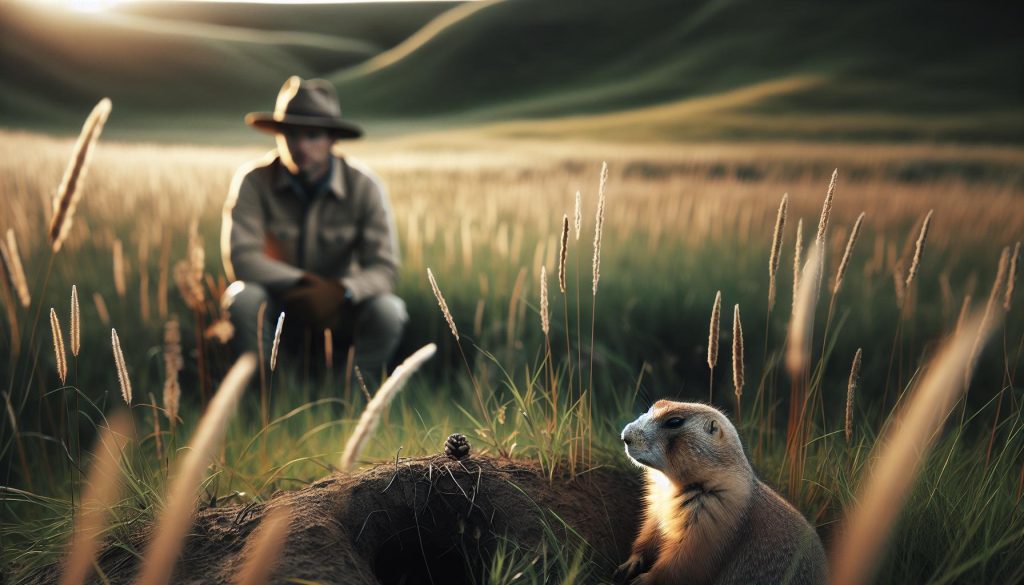
Did you know that prairie dogs, with their social nature and unique communication skills, play a vital role in their ecosystems? These fascinating rodents are not just cute faces in the grasslands; they help maintain the health of the prairie ecosystem. Found primarily in the North American Great Plains, prairie dogs create extensive underground burrows that provide homes for various other animals and contribute to soil aeration. Understanding the biome where prairie dogs thrive is crucial for wildlife enthusiasts and conservationists alike. It highlights the interconnectedness of species and their habitats, reminding us of the importance of preserving these essential ecosystems. Join us as we explore the diverse environments these remarkable creatures inhabit and learn more about their ecological significance!
What is a Prairie Dog’s Natural Habitat?
Prairie dogs inhabit vast expanses of grasslands primarily found in the Great Plains of North America. These energetic little rodents thrive in open areas where they can burrow, bringing a unique ecosystem to life beneath their feet. Their preferred biome consists of arid and semi-arid regions with short to mixed grasslands, providing ample space for tunneling and foraging. The rich soil of these areas supports a diverse array of grasses that are vital for their diet and shelter.
Among the different types of grasslands, prairie dogs show a particular affinity for shortgrass prairies, dominated by species such as blue grama and buffalo grass. These environments offer not just food, but also the perfect setting for their complex burrow systems, which can stretch for acres and house numerous families. Interestingly, these burrows play a critical role in maintaining soil moisture and providing habitats for other species, showcasing the interconnected nature of grassland ecosystems.
However, prairie dogs are not merely residents of their habitats; they actively shape them. Their burrowing creates open areas that benefit other wildlife, and these extensive colonies serve as a community hub. As they graze and interact with the landscape, prairie dogs help to control vegetation growth, ensuring a diverse habitat that supports various plant and animal species. Thus, while they may be small, their influence on the ecosystem is profound, highlighting the importance of preserving their natural habitats.
Understanding Prairie Dog Behavior
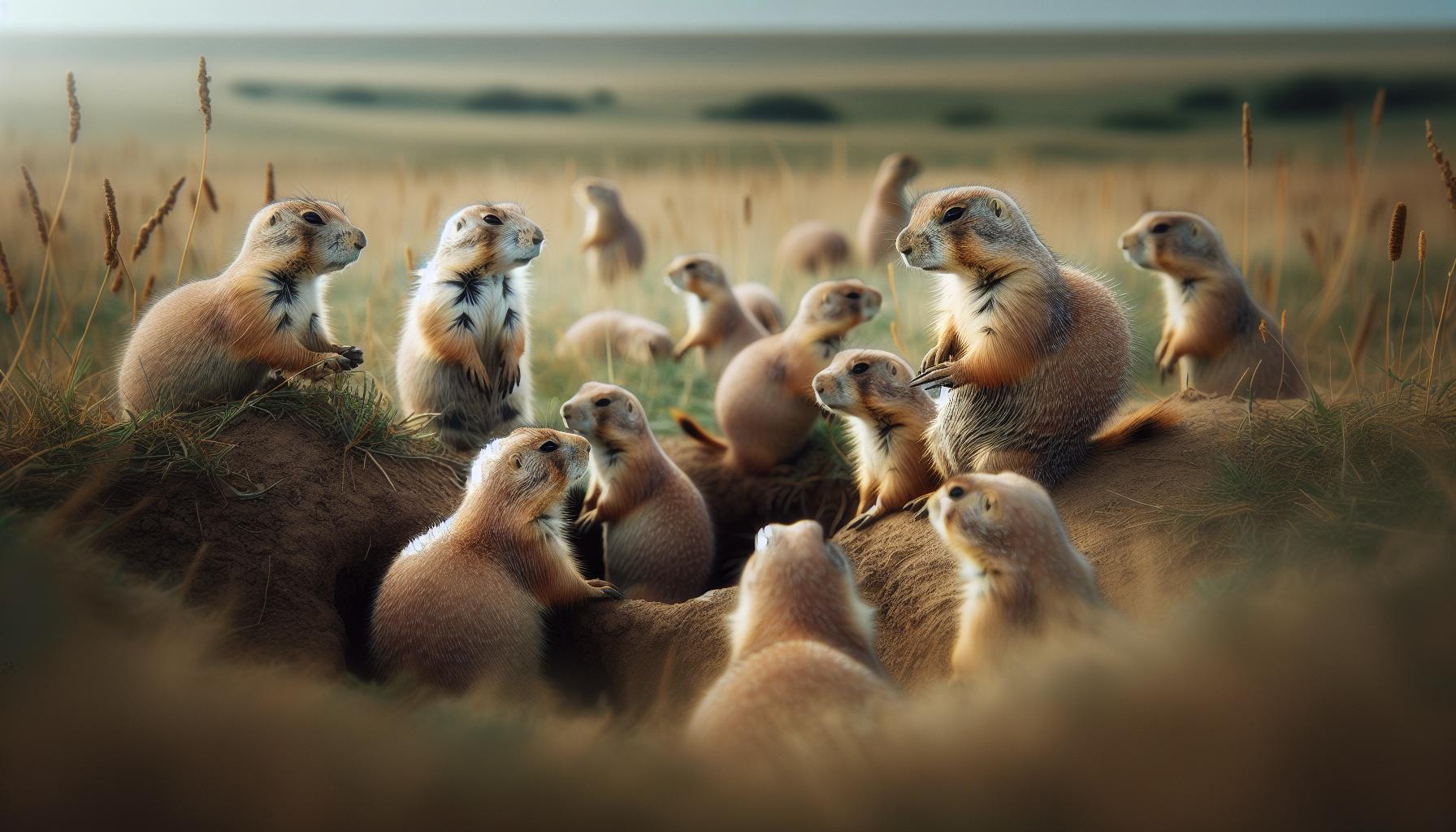
Prairie dogs are fascinating creatures known for their vibrant social structures and unique behaviors that play a crucial role in their survival. In the vast expanse of North America’s grasslands, these small rodents exhibit remarkable adaptations to thrive in their environment. One of the most captivating aspects of prairie dog behavior is their complex social dynamics. Living in colonies known as “towns,” prairie dogs form intricate family groups and social hierarchies. Communication is vital within these communities, and they have developed a sophisticated system of vocalizations that includes distinct alarms for different predators, such as eagles or coyotes. This social interaction not only helps in alerting fellow prairie dogs to danger but also fosters a strong sense of community among them.
Another interesting facet of prairie dog behavior is their foraging habits. They are herbivores, primarily feeding on grasses, roots, and seeds, which they select carefully from their environment. Prairie dogs require a diet rich in green forage, particularly in spring and early summer when food is plentiful. Their grazing habits also impact their ecosystem significantly-by feeding on grasses, they promote the growth of new shoots and maintain the balance of plant species in their habitats.
Prairie dogs are also known for their burrowing behavior, which is essential for their survival. The extensive tunnel systems they create provide shelter from predators and extreme weather conditions. These burrows can extend several feet underground with multiple entrances, helping to regulate temperature and create a microhabitat for other species. Within these burrows, prairie dogs engage in grooming behaviors and play, particularly among younger members of the colony. This social and playful interaction is crucial for building bonds and establishing roles within the group, ultimately contributing to the survival of their species in the face of environmental challenges.
In summary, prairie dogs exhibit a blend of intricate social structures, foraging behaviors, and burrowing activities that make them a keystone species in their grassland ecosystems. Understanding these behaviors not only enhances our appreciation for these remarkable animals but also underscores the importance of conserving their habitats to maintain the ecological balance they help sustain.
The Role of Prairie Dogs in Their Ecosystem
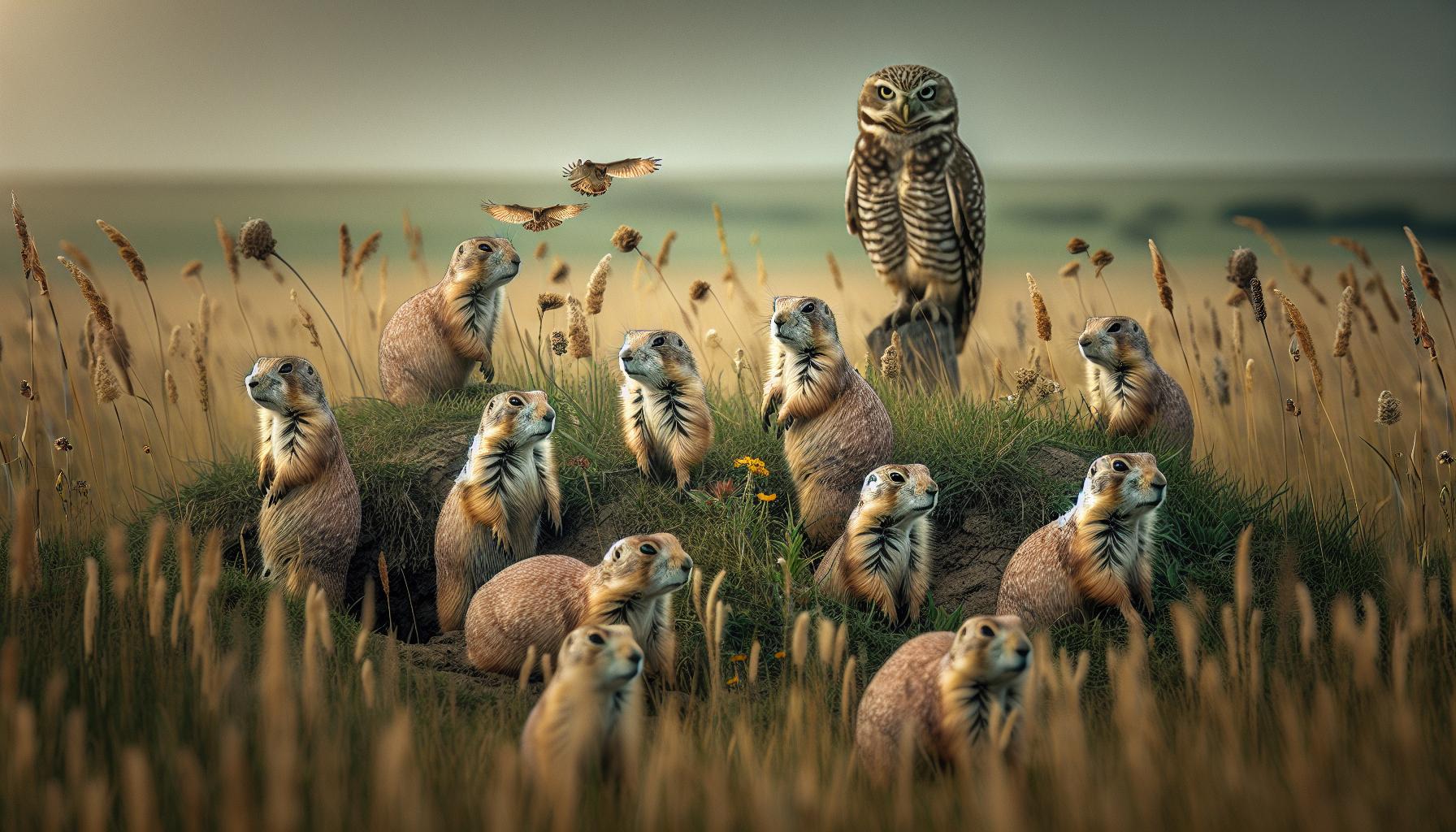
Prairie dogs are more than just adorable critters with a penchant for socializing; they play a pivotal role in their ecosystems, often referred to as “keystone species.” Their activities significantly influence the dynamics of the grasslands they inhabit, creating a thriving environment for multiple other species. For instance, their burrowing behavior not only provides them with shelter from predators but also aerates the soil, allowing water to penetrate deeper and facilitating the growth of vegetation. This process enriches the habitat, supporting a variety of plant life that might not survive in denser, less disturbed soils.
Beyond their role in soil aeration, prairie dogs create expansive networks of tunnels that serve as homes for other animals. Species such as foxes, badgers, and various birds of prey benefit from the prairie dog towns. As these burrows are established, the environment around them becomes a sanctuary for many other species, making prairie dog colonies bustling hubs of biodiversity. The vegetation that thrives around these towns attracts herbivores like rabbits and deer, which, in turn, supports larger predators.
Furthermore, prairie dogs are excellent indicators of the health of grassland ecosystems. Their presence often signifies a balanced environment where food sources and habitat conditions are suitable for wildlife. Conversely, a decline in prairie dog populations can signal broader ecological issues, prompting conservation efforts to safeguard not just the prairie dogs themselves but also the myriad of species that depend on them.
In summary, the role of prairie dogs is intricately woven into the fabric of their grassland ecosystems. By supporting a myriad of other species through their burrowing and foraging habits, they enhance biodiversity and maintain ecological balance. Understanding this relationship emphasizes the importance of protecting their habitats, ensuring that not only prairie dogs but also the entire community of life within these thriving biomes continues to flourish.
Types of Grasslands and Prairie Dog Communities
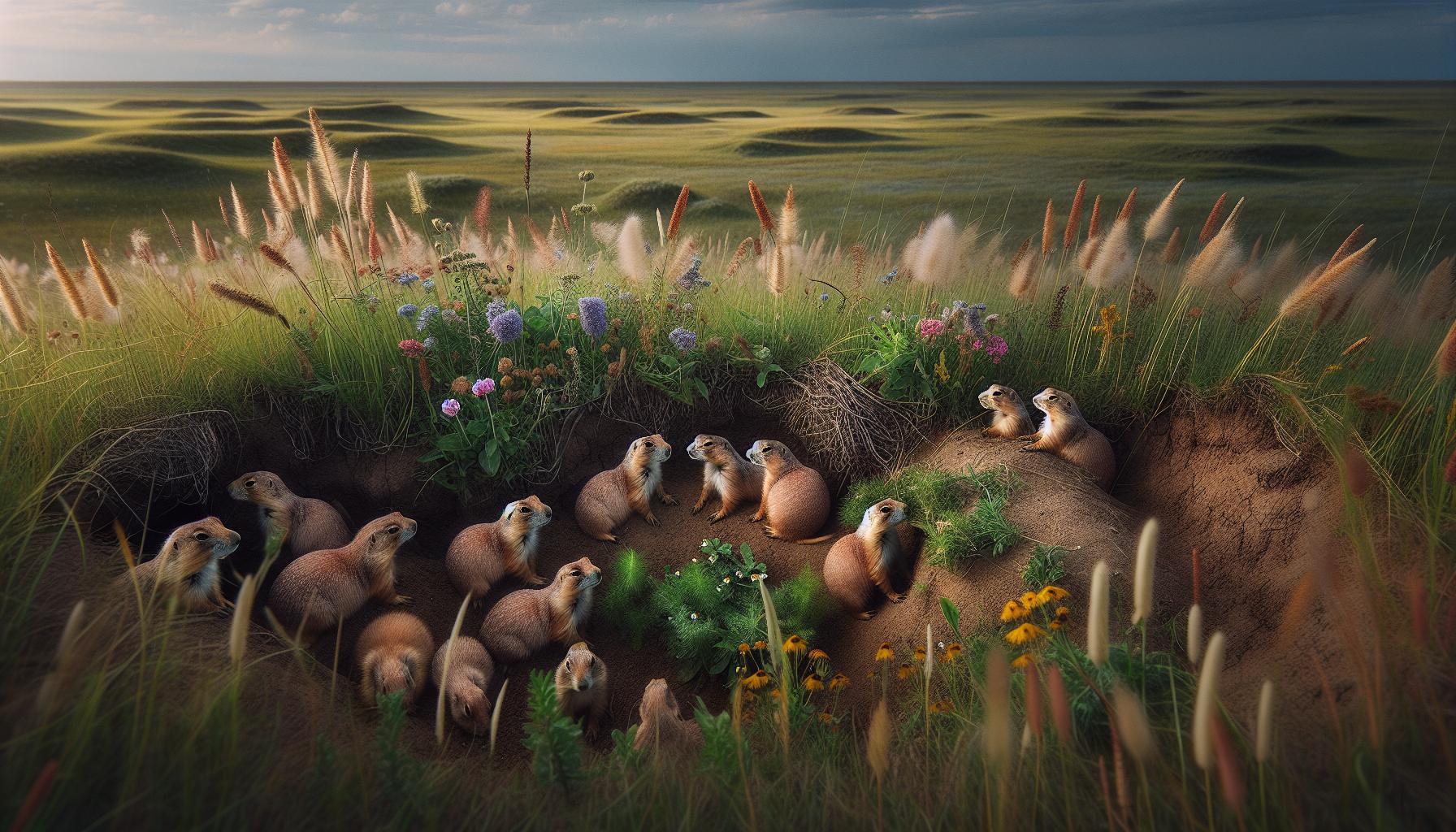
Prairie dog communities thrive in various types of grasslands, each offering distinctive characteristics that support these fascinating creatures. Found predominantly in the Great Plains of North America, prairie dogs inhabit three main types of grassland ecosystems: shortgrass prairies, mixed-grass prairies, and tallgrass prairies. These environments are shaped by local climates, soil types, and the availability of vegetation, which in turn influences the social structures and foraging behavior of the prairie dogs.
In shortgrass prairies, characterized by dominant grasses like blue grama and buffalo grass, prairie dogs occupy open, arid landscapes. These regions experience significant temperature extremes and lower rainfall, resulting in a sparse, nutrient-rich vegetation layer. Despite these challenges, prairie dogs thrive, using their burrowing skills to create extensive colonies that provide protection from predators like hawks and coyotes. The ecosystem here is finely balanced, where the presence of prairie dogs contributes to soil health and promotes new plant growth.
Mixed-grass prairies showcase a variety of grass heights and types, supporting a diversity of wildlife. In these areas, prairie dog towns are often intermixed with other species, such as coyotes, deer, and numerous bird species. The availability of both short and tall grasses provides ample forage for the prairie dogs while also maintaining their ecological role as soil aerators. Their burrows help retain moisture in the soil, which is essential for the surrounding flora and fauna.
Tallgrass prairies, featuring finer distinctions of habitats and more abundant vegetation, often support more extensive prairie dog colonies. The lush plant life in these regions, including big bluestem and switchgrass, creates a rich food source and a more complex ecosystem. Prairie dogs here play a critical role by fostering a vibrant community of organisms. Their burrowing activities not only enhance soil quality but also create habitats for numerous other species, making these towns essential for biodiversity.
As you explore the types of grasslands where prairie dogs live, it becomes clear that their presence is vital not just for themselves but for the ecological communities they support. By recognizing the unique relationships between prairie dogs and their habitats, we can appreciate the importance of conserving these grassland ecosystems for future generations. Understanding the diverse environments prairie dogs inhabit encourages a sense of responsibility toward preserving their natural homes and the myriad of species that coexist with them.
Threats to Prairie Dog Habitats
The battle for survival in the grasslands is fierce, and prairie dogs, as keystone species, face a range of threats that jeopardize their habitats. These lively little creatures are not only essential for their ecosystem but also vulnerable to various environmental changes and human activities. Understanding these threats can help us appreciate the importance of their conservation.
One of the primary challenges prairie dogs encounter is habitat loss due to urban development and agriculture. As cities expand and farmland increases, the land available for prairie dog colonies shrinks. This not only reduces their habitat but also fragments existing populations, making it harder for them to thrive. In addition, agricultural practices often involve the use of pesticides that can directly harm prairie dogs and deplete their food sources.
Another significant threat comes from the competitive advantage introduced by domestic grazing animals like cattle. While grasslands have historically adapted to grazing, the overgrazing from livestock can significantly impact the vegetation structure, thus affecting prairie dog populations. The loss of critical forage can lead to malnutrition among prairie dogs, diminishing their reproductive success and overall population health.
Moreover, disease outbreaks pose severe risks to prairie dog communities. One particularly concerning disease is sylvatic plague, which is transmitted by fleas and can decimate prairie dog colonies. When a plague outbreak occurs, entire towns can be wiped out in a short time, significantly impacting local ecosystems that rely on prairie dogs for their ecological functions.
To help alleviate these threats, it’s crucial to support conservation efforts aimed at preserving prairie dog habitats. This includes protecting larger tracts of grasslands from development, implementing sustainable grazing practices, and monitoring disease outbreaks to manage and mitigate their effects on prairie dog populations.
In a world where every species plays a role in the greater ecosystem, protecting prairie dogs and their habitats is essential-not just for their survival but for the health and diversity of the entire grassland ecosystem they help sustain.
How Climate Affects Prairie Dog Living Conditions
Climate plays a pivotal role in shaping the lives of prairie dogs and their intricate ecosystems. These social rodents thrive in the grasslands of North America, where their existence is inextricably linked to weather patterns and temperature fluctuations. For instance, prairie dogs are particularly sensitive to extreme weather conditions, such as prolonged droughts or heavy rainfall, which can affect their food supply and underground burrowing systems.
During periods of drought, the vegetation that prairie dogs rely on for food becomes sparse. This scarcity can lead to malnutrition and decreased reproductive rates, ultimately threatening their colony’s survival. In fact, a study observed that when arid conditions prevail, prairie dog populations often decrease due to food shortages and increased competition for resources. Conversely, excessive rainfall can result in flooding of their burrows, making it challenging for these creatures to seek shelter and care for their young.
Moreover, the changing climate can also lead to shifts in predator populations and behavior, putting additional pressure on prairie dogs. While they are adept at detecting danger through their communication system-using a variety of alarm calls to warn fellow colony members of approaching threats-fluctuations in predator populations influenced by climatic conditions can disrupt their survival strategies.
To foster resilience in the face of climate change, conservation strategies are essential. Practical approaches include preserving larger grassland areas that can sustain diverse plant life and fostering healthy prairie dog colonies, which can better withstand environmental shifts. This way, we ensure that these keystone species continue to play their crucial role in supporting the intricate web of life within their ecosystem, maintaining not just their own populations but those of countless other species that benefit from their presence.
Prairie Dog Social Structures Explored
Prairie dogs are more than just adorable rodents; they are the heart of a complex social structure that showcases fascinating communal behavior. Living in expansive underground colonies known as coteries, prairie dogs possess intricate social bonds. Each coterie typically consists of multiple families that share a network of interconnected tunnels and burrows. This social framework not only aids in the survival of their species but also contributes significantly to the health of their grassland ecosystem.
One of the most captivating aspects of prairie dog society is their communication. These remarkable creatures utilize a sophisticated system of vocalizations to convey information about predators, food sources, and other dangers. Their “alarm calls” vary in pitch and intensity, providing specific details about the type of threat-be it a hawk, a coyote, or a human. This social alertness allows other prairie dogs in the area to take immediate action, whether that’s seeking refuge below ground or forming a unified defense.
Social hierarchies also play a pivotal role in prairie dog communities. Typically, dominant males hold breeding privileges, while females show a remarkable degree of fidelity to their family groups. Interestingly, younger members often participate in communal care, helping to groom and babysit younger pups. This cooperative breeding strategy not only strengthens social ties but also ensures that the next generation receives the necessary nurturing and resources to thrive.
Furthermore, prairie dogs engage in “social grooming” which reinforces bonds between individuals within the coteries. This behavior is essential for maintaining the health and cohesion of the group, as it helps reduce stress and establish alliances among members. In this way, prairie dog social dynamics exemplify how cooperation and communication can create a resilient community capable of weathering environmental challenges, thus playing a vital role in the ecosystems they inhabit.
Understanding these social structures provides insight into the critical role prairie dogs play in their communities. Their activities create essential habitats for numerous other species, as their digging aerates the soil and allows water to penetrate deeper, facilitating plant growth and ensuring a healthy grassland ecosystem. Engaging with the intriguing world of prairie dog societies not only highlights their importance but also underscores the need for ongoing conservation efforts to protect these captivating creatures and their habitats.
Conservation Efforts for Prairie Dog Ecosystems
The plight of prairie dogs illustrates how interconnected our ecosystems truly are and highlights the urgent need for their conservation. Prairie dogs are not just adorable creatures; they play a vital role in maintaining the health of grasslands, acting as ecosystem engineers. Their burrowing activities aerate the soil, promote plant growth, and provide habitat for a host of other wildlife, such as burrowing owls and black-footed ferrets. However, their populations have been drastically reduced due to habitat loss, disease, and human encroachment, which is why focused conservation efforts are essential.
To combat these challenges, several organizations and initiatives work to protect prairie dog habitats and promote sustainable management practices. Local communities often engage in habitat restoration projects, which may involve removing invasive species, replanting native vegetation, and protecting existing prairie dog colonies from development. Additionally, educational programs aimed at fostering a better understanding of prairie dogs and their ecosystems can help dispel myths and reduce negative perceptions associated with these critters.
Key conservation strategies include:
- Protected Areas: Establishing reserves that safeguard prairie dog habitats from agricultural expansion and urban development.
- Legislation: Advocating for laws that recognize prairie dogs as a vital part of the grassland ecosystem, thereby ensuring their protection.
- Community Involvement: Encouraging local stakeholders to participate in wildlife management, providing them with the tools and knowledge to support prairie dog populations sustainably.
- Research and Monitoring: Investing in scientific research to monitor prairie dog populations and understand the ecosystem dynamics at play.
Moreover, collaborating with ranchers can create a win-win scenario where prairie dog habitats are preserved while also allowing livestock grazing. Innovative practices, such as rotational grazing, can help balance the needs of agriculture with the prosperity of prairie dogs and their habitats. By working together, conservationists, scientists, farmers, and the community can forge pathways to protect these essential critters and, in turn, the entire grassland ecosystem.
By understanding the integral role of prairie dogs and actively engaging in conservation efforts, we can celebrate and preserve these fascinating creatures and their unique habitats for generations to come. Encouraging responsible wildlife viewing and participating in local conservation initiatives are great ways to get involved and make a difference in the life of prairie dogs and the overall ecosystem.
Comparing Prairie Dogs to Other Burrowing Animals
Prairie dogs might be the most famous of the burrowing animals, but they share their underground world with several fascinating relatives. When we explore the lives of prairie dogs in relation to other burrowers, we find a rich tapestry of adaptations and ecological roles. For instance, consider the family of rodents known as ground squirrels, specifically the black-tailed prairie dog’s closest relatives. Like prairie dogs, ground squirrels create complex burrow systems that help aerate the soil and promote plant growth, making their ecosystems thrive.
Another notable comparison is with the enigmatic meerkat, which is native to the arid regions of southern Africa. Meerkats are famous for their social behaviors and live in groups called mobs. Unlike prairie dogs, which primarily dig and live in their colonies for protection and family, meerkats exhibit fascinating behaviors such as sentry duty, where one individual stands watch for predators while others forage. Both species exhibit strong social structures, but their survival strategies highlight the diversity of burrowing life.
### Adaptations and Impacts
Burrowing owls also share this niche but from a different angle. These charming birds utilize abandoned prairie dog burrows as nesting sites, showcasing a fascinating instance of interdependence. The presence of prairie dogs increases the chances of survival for burrowing owls by providing them with safe homes while simultaneously reducing land movement and erosion.
#### Other Burrowing Companions
Several other burrowing animals exhibit unique traits and contribute to their ecosystems in varying ways. Here are a few notable examples:
- Fennec Fox: Native to the Sahara, these small foxes dig extensive burrows to escape the desert heat, showcasing their adaptability to extreme climates.
- European Rabbit: Known for creating complex warren systems, rabbits play a crucial role in their ecosystems by grazing on vegetation and serving as prey for numerous predators.
- Mole: These solitary mammals are expert diggers, using their burrowing skills to create intricate tunnels that aerate the ground and promote healthy plant growth.
By comparing these burrowing animals to prairie dogs, we can appreciate their unique adaptations and important ecological roles. Each species has evolved strategies that play integral parts in maintaining the balance of their ecosystems, whether through soil aeration, providing homes for other creatures, or contributing to plant health. Understanding these relationships helps emphasize the importance of conservation and protection of habitats that sustain these fascinating animals.
Fun Facts About Prairie Dogs You Didn’t Know
Did you know that prairie dogs are a keystone species in their ecosystem? This means that their presence and behavior significantly impact many other species. When prairie dogs dig their extensive burrow systems in the grasslands of North America, they not only create homes for themselves but also provide shelter for various other animals, such as burrowing owls and ferrets. These burrows help aerate the soil, promoting plant growth, which is crucial for the overall health of their habitat.
Prairie dogs are communication specialists. They have an elaborate system of vocalizations that can convey details about predators, threats, and even specific characteristics of those threats. One study found that they can use calls to distinguish between different types of predators, alerting their colony members to when a hawk is in the area versus a dog or a human. This level of communication showcases their intelligence and adaptability in the wild.
These social animals thrive in colonies known as “towns,” which can span over hundreds of acres and consist of thousands of individuals. The size and structure of these towns can vary based on environmental conditions and predator presence. The cooperative behaviors exhibited within these communities, such as sentinel duty, where one prairie dog watches for danger while others forage, highlight their complex social structures and the importance of community for survival.
While prairie dogs may sometimes be seen as pests due to their burrowing habits and the impact on agriculture, they play a critical role in maintaining the grassland ecosystem. Their grazing helps control vegetation growth, which in turn supports the health of other wildlife. Understanding the importance of prairie dogs can foster a deeper appreciation for these remarkable creatures and the health of their habitats.
How to Support Prairie Dog Conservation Efforts
Supporting the conservation of prairie dogs is not just about protecting a species; it’s about preserving the intricate web of life that thrives in their grassland habitat. These social creatures are vital to their ecosystem, and there are many ways you can help ensure their future. One of the most impactful actions you can take is to become involved with local conservation organizations dedicated to prairie dog preservation. Groups like the Prairie Dog Coalition focus on education, advocacy, and habitat protection, providing resources and volunteer opportunities for those looking to make a difference.
Another practical way to support prairie dog conservation is to educate yourself and others about the importance of these animals. Hosting community events or participating in local nature walks that highlight prairie dog towns can foster appreciation for their role within the ecosystem. Sharing your knowledge on social media or through community newsletters amplifies awareness and encourages responsible attitudes toward wildlife. Remember, informed communities can drive change, advocating for policies that protect prairie dog habitats from development and harmful land use practices.
You can also contribute to scientific efforts by participating in citizen science initiatives. Many programs invite individuals to help collect data on prairie dog populations or track their movements and behaviors. This involvement not only aids researchers but also deepens your connection to the land and its inhabitants. Finally, if you’re looking to support these adorable rodents financially, consider donating to wildlife foundations that focus on prairie conservation or adopting a prairie dog through various nonprofit organizations. Every effort counts, and whether it’s volunteering your time, spreading the word, or donating your resources, you play a crucial role in preserving these iconic animals and their grassland homes for future generations.
Frequently Asked Questions
Q: What biome do prairie dogs primarily inhabit?
A: Prairie dogs primarily inhabit grasslands and semi-arid regions, commonly found in North America. These areas include shortgrass and mixed-grass prairies, where the climate supports their burrowing and social behavior.
Q: How do prairie dogs contribute to their ecosystem?
A: Prairie dogs play a crucial role in their ecosystem by aerating the soil through their burrowing activities, which enhances plant growth. Their colonies also provide habitats for various predators and prey species, contributing to overall biodiversity.
Q: What threats do prairie dog habitats face?
A: Prairie dog habitats are threatened by urban development, agriculture, and climate change. Additionally, disease outbreaks can devastate populations, impacting the balance of their ecosystem.
Q: How does climate affect prairie dog living conditions?
A: Climate significantly influences prairie dog living conditions by determining vegetation types and water availability. Both extreme droughts and wet conditions can alter their habitat, affecting food sources and burrow stability.
Q: What are the social structures of prairie dog communities?
A: Prairie dog communities are structured into coteries, usually consisting of one dominant male, multiple females, and their offspring. This social organization aids in protection against predators and ensures breeding success.
Q: Where can prairie dogs be found outside their typical habitats?
A: While prairie dogs are primarily associated with the Great Plains, they can also be found in regions with suitable grassland habitats, including some areas in the western United States and Mexico where environmental conditions allow.
Q: Why are prairie dogs considered a keystone species?
A: Prairie dogs are considered a keystone species because their burrowing activities create habitats for numerous other species, such as burrowing owls and ferrets. Their presence helps maintain the ecological balance in grassland ecosystems.
Q: How can I help support prairie dog conservation efforts?
A: Supporting prairie dog conservation can involve participating in local habitat restoration projects, advocating for protective legislation, and promoting awareness about their ecological importance through community involvement and education initiatives.
Insights and Conclusions
As we wrap up our exploration of the fascinating world of prairie dogs and the unique biomes they inhabit, remember that these social little creatures play a vital role in their ecosystem. Understanding their habitat not only enriches your knowledge but also highlights the importance of conservation efforts. If you’re eager to learn more about other intriguing wildlife or want tips on how you can help preserve their natural environments, dive into our articles on ecosystem preservation and habitat diversity.
Don’t miss out-subscribe to our newsletter for more engaging insights and updates on wildlife facts and conservation tips. Have questions or want to share your prairie dog experiences? We’d love to hear from you in the comments below! Your journey into the wild doesn’t have to stop here; explore our site for even more captivating content on animal behavior and ecosystems. Together, let’s appreciate and protect the wonders of nature!


