

Did you know that prairie dogs are not just adorable little critters but also play a significant role in their ecosystem? If you’re considering owning a prairie dog in Colorado, it’s essential to understand the laws and permits required for responsible ownership. As charming as they are, these social animals come with specific care needs and legal regulations that must be followed to ensure their well-being and that of the local environment. Whether you are a seasoned animal lover or new to the world of exotic pets, understanding the legal landscape and ethical considerations of owning a prairie dog can help you make informed decisions. Join us as we dive into the fascinating world of prairie dogs, exploring the guidelines that govern their ownership and what it means for both you and these unique animals.
Can You Legally Own a Prairie Dog in Colorado?
In Colorado, owning a prairie dog may sound appealing due to their charming and sociable nature, but it’s important to understand the legal landscape around their ownership. Prairie dogs are considered wildlife and are protected under state law. This means that capturing or keeping one as a pet without proper authorization is illegal. However, the regulations regarding ownership can vary significantly based on the specific species of prairie dog you wish to own. The most common species in Colorado is the black-tailed prairie dog, which is subject to stricter regulations due to conservation efforts.
If you’re captivated by the idea of having a prairie dog, it’s essential to first research and understand the various permits required to legally keep one. In many cases, prospective owners must apply for a special permit through the Colorado Parks and Wildlife (CPW). These permits ensure that owners can provide a suitable habitat and care for the animals. Additionally, regulations often change, so checking the latest guidelines from CPW is critical before considering ownership.
The habitat and social needs of prairie dogs are also crucial factors to contemplate. They are highly social creatures that thrive in groups, often living in complex burrow systems. Keeping a single prairie dog isolated can lead to stress and adverse health outcomes. Therefore, an informed owner should ensure the environment is not only suitable but also conducive to social interactions, possibly considering adopting more than one prairie dog if regulations allow. Always prioritize the well-being of the animal and adhere strictly to legal requirements to foster a responsible relationship with these fascinating creatures.
Understanding Colorado’s Prairie Dog Regulations
In Colorado, the allure of owning a prairie dog comes with strong legal considerations, especially since these social and quirky animals are classified as wildlife and are protected by state law. The black-tailed prairie dog, a common species in the state, has specific regulations aimed at ensuring their conservation and welfare. Capturing or keeping a prairie dog without the necessary authorization is illegal, which underscores the importance of understanding your responsibilities as a potential owner.
To legally own a prairie dog, visitors should begin their journey by checking with Colorado Parks and Wildlife (CPW). Obtaining a special permit is often required, which confirms that the prospective owner is equipped to provide a suitable environment and care for these lively critters. This aspect of the law serves not only to protect the species but also to educate owners about the complexities of prairie dog care, which includes social interaction, habitat needs, and diet. It’s advisable to regularly consult CPW for the most current laws, as regulations can change over time.
Moreover, prairie dogs are highly social animals that thrive in colonies, so owners should be aware of their social nature. Isolating a single prairie dog can lead to stress and health issues; therefore, it might be beneficial to house them in pairs or groups if permitted. Always keep in mind that while prairie dogs can be endearing companions, respecting their natural behaviors and ensuring proper care is crucial for their well-being. By doing your homework and adhering to state laws, you can foster a responsible and enriching relationship with these fascinating mammals.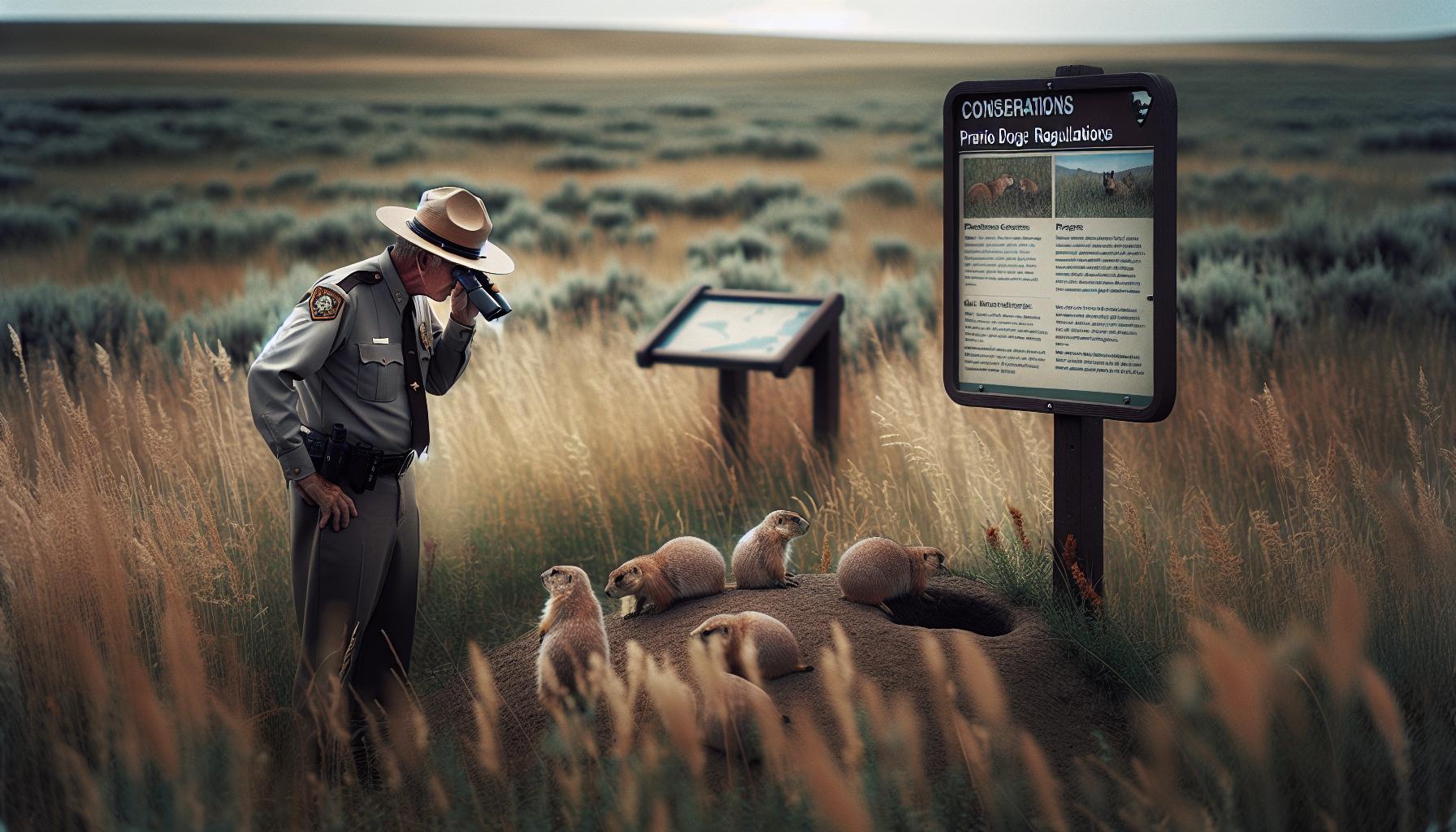
Permits Needed for Prairie Dog Ownership
To navigate the world of prairie dog ownership in Colorado, potential pet parents must first secure the appropriate permits. Prairie dogs, particularly the black-tailed species, are considered wildlife and are subject to strict regulations aimed at their protection and conservation. This means that simply wanting a prairie dog as a pet is not enough; you need legal permission to keep one.
The journey begins with Colorado Parks and Wildlife (CPW), the governing body overseeing wildlife regulations in the state. Prospective owners need to apply for a special permit that outlines their ability to provide proper care for these unique animals. This permit typically involves demonstrating knowledge of prairie dog needs, including suitable habitat, diet, and socialization requirements. This process is not only about legality; it serves to ensure homes are prepared to foster healthy, happy prairie dogs.
It’s essential to stay updated on any changes to the laws since wildlife regulations can evolve. Regular consultation with CPW can provide clarity on what documentation is necessary and any specific conditions that may apply, such as zoning laws or health inspections. For instance, some permits may require an initial inspection of your habitat setup to confirm it meets the needs of prairie dogs, which thrive in social colonies and cannot be kept alone without suffering stress.
With the right permits in hand, owners can embark on a rewarding journey with these fascinating rodents while respecting both the law and the inherent nature of prairie dogs. Understanding the necessity of proper permits not only supports responsible ownership but also contributes to the broader goal of wildlife conservation in Colorado.
Where to Acquire a Prairie Dog Legally
Acquiring a prairie dog legally in Colorado is an important step for anyone interested in these fascinating creatures as pets. Unlike many other small animals, prairie dogs are considered wildlife, and there are specific legal channels you must navigate to bring one home. The first step is to connect with Colorado Parks and Wildlife (CPW), which oversees the regulation of wildlife laws in the state. They offer guidance on the necessary permits and ensure that your proposed home for the prairie dog meets legal standards.
One effective way to start your journey is by visiting the CPW website or contacting their local office. They provide up-to-date information on regulations, and you can find directions on how to apply for the required special permit. This permit not only allows you to own a prairie dog but also ensures that you are equipped to care for this unique animal. The application may include a detailed account of your planned habitat setup, highlighting how you’ll create a safe and comfortable environment that supports the prairie dog’s social needs.
When searching for a prairie dog, consider reaching out to licensed wildlife rehabilitation centers or exotic pet stores that comply with state regulations. Some organizations focus on the rescue and rehabilitation of wildlife and might have prairie dogs available for adoption. It’s essential to ask about the animal’s history and care requirements, as each prairie dog has its needs. Networking with other prairie dog owners through forums and social media groups can also provide insights into where you might find a legal prairie dog and receive advice on proper care.
Ultimately, responsible ownership begins with understanding the law and the needs of your prairie dog. Following the appropriate legal channels not only helps you stay compliant but also plays a vital role in wildlife conservation efforts within Colorado. By adopting through the proper channels, you contribute to sustainable practices and ensure that you are providing a nurturing home for these social animals.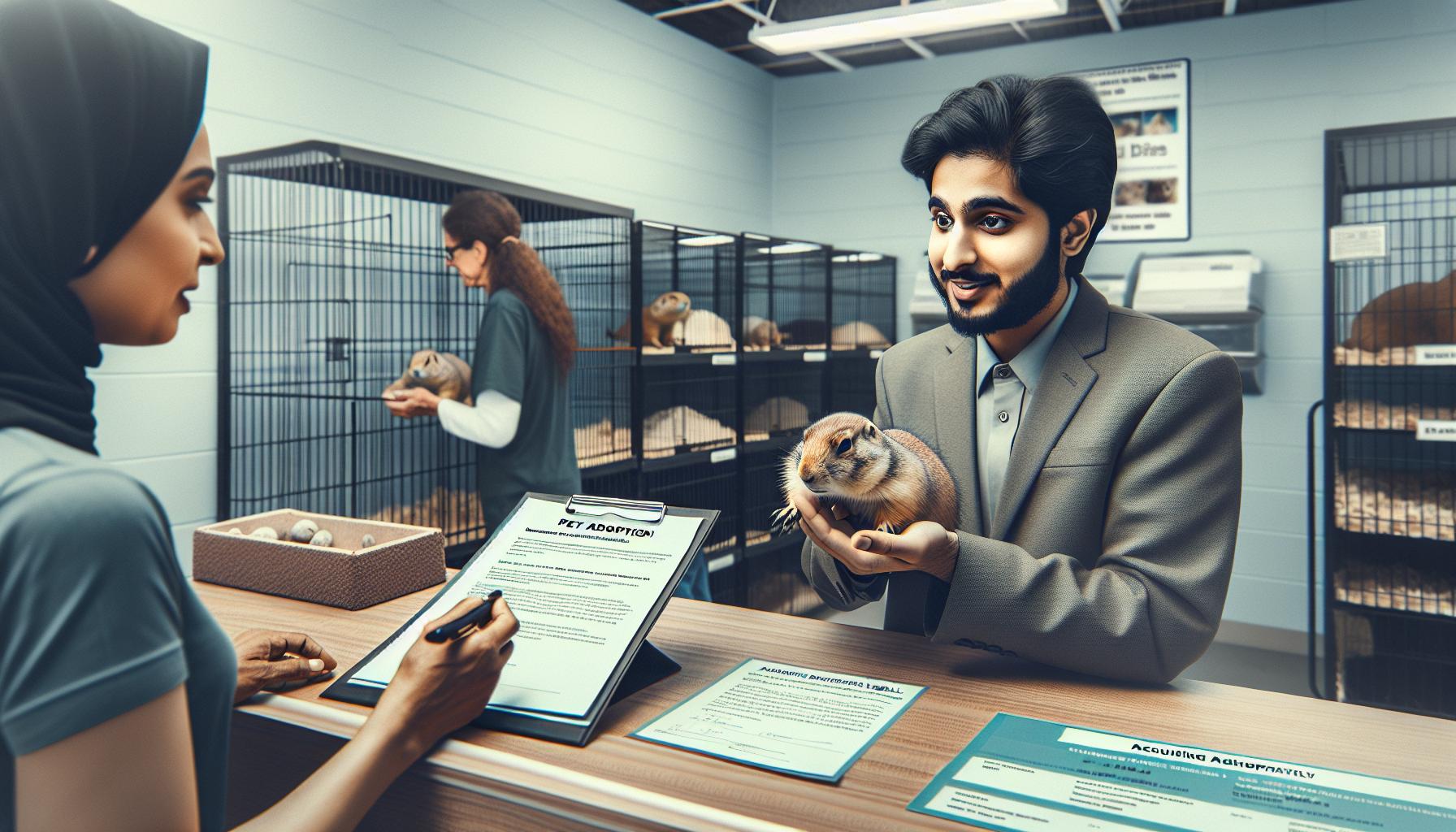
Caring for Your Prairie Dog: Habitat and Needs
Creating an ideal habitat for your prairie dog is crucial for ensuring their health and happiness. These captivating creatures are highly social animals that thrive in environments rich in both physical space and mental stimulation. When designing their living area, keep in mind the need for adequate room to burrow and explore. A habitat that mimics their natural environment will significantly enhance their well-being.
A spacious enclosure is a must. Ideally, it should be at least 4 feet long, 2 feet wide, and 2 feet high, allowing for plenty of room to roam around. The enclosure should be equipped with a safe substrate-like soil or sand-for digging, as prairie dogs naturally spend hours creating burrows in the wild. Incorporating various tunnels and hiding spots can provide them with a sense of security and adventure. Observing them explore these spaces will not only be entertaining but will also cater to their instinctual behaviors.
Social Structures and Companionship
Understanding the social inclinations of prairie dogs is just as important as their physical habitat. These animals are not solitary creatures; they live in colonies and have established social hierarchies. Therefore, it is highly recommended to keep more than one prairie dog together. Ideally, you could house a small group, as this will allow them to get the companionship they naturally crave. Just be sure to monitor their interactions closely to ensure compatibility within the group.
To create a vibrant living space, consider providing enrichment activities. Items like chew toys, tunnels, and even climbing structures can promote active play and exploration. Adding safe plants or grass patches ensures they have a taste of their natural diet and can nibble away happily. Daily interactions outside their habitat can also foster strong bonds and provide them opportunities for exercise and socialization.
In terms of care, maintaining cleanliness in their habitat is vital. Regularly clean their enclosure to prevent buildup of waste, and ensure fresh water is always available. Monitoring their health is equally important, so keep an eye out for changes in behavior or appearance. Wild prairie dogs tend to hide signs of illness, so being attentive to any subtle shifts can lead to early identification of potential health issues. By investing time and commitment into creating a nurturing environment for your prairie dog, you’ll set the stage for a fulfilling and happy life together, while also supporting their complex social and behavioral needs.
Dietary Requirements for Prairie Dogs
Prairie dogs might be small, but their dietary needs are significant! These lively rodents are herbivores, which means their diet consists mainly of plant materials. In the wild, prairie dogs graze on a wide variety of grasses, herbs, and seeds. When you decide to care for a prairie dog, understanding their nutritional requirements is crucial for keeping them healthy and thriving in captivity.
Their primary food source should be fresh hay, such as timothy or oat hay, which helps keep their teeth trimmed and their digestive systems functioning properly. Additionally, you can provide a mix of fresh greens like kale, romaine lettuce, and carrot tops. It’s important to introduce new foods gradually to avoid digestive upset. Always wash produce thoroughly to remove any pesticides or chemicals that might be harmful. Pellets designed for small herbivores can also be included in their diet, but these should not be the sole source of nutrition.
To keep things balanced and interesting, you can include occasional treats such as small amounts of fruits like apples or berries, but these should be given sparingly due to their high sugar content. It’s essential to maintain a proper diet that reflects their natural eating habits to prevent health issues such as obesity and dental problems.
Regularly monitor your prairie dog’s health and weight, ensuring they have access to fresh water at all times. A diet rich in variety will not only keep them physically healthy but also mentally stimulated. Remember, a happy prairie dog is an engaged prairie dog!
Social Behavior and Companionship Needs
Prairie dogs are social creatures with complex behaviors that thrive in colonies, and they exhibit remarkable companionship needs that should not be underestimated. In the wild, these charismatic rodents live in intricate burrow systems called “towns” where they develop strong social bonds with their family units. They communicate through an array of vocalizations, using unique sounds to alert their group of potential predators or to signal danger. Thus, when considering bringing a prairie dog into your home, it’s essential to understand that they are not solitary animals; they require social interactions, both with their own kind and with their human caretakers.
To foster a healthy social environment for your prairie dog, it is highly recommended to keep them in pairs or small groups. This helps to satisfy their natural instincts, as they are not only social animals but also exhibit behaviors akin to play and grooming with one another. If you choose to adopt a single prairie dog, be prepared to dedicate ample time to bond with them. Engaging in gentle play and interactive training can make your prairie dog feel secure and valued in a domestic setting. Regular interaction can prevent loneliness and related behavioral issues, such as excessive chewing or digging, which may arise from boredom.
Moreover, understanding their social hierarchy is crucial. Prairie dogs communicate their status within their colony both vocally and through body language. They use behaviors like grooming, touching, and even tail flagging to establish social orders. As a pet owner, observing and respecting these interactions is important-you’ll find that a prairie dog’s happiness is often deeply connected to their ability to bond and socialize with others, whether furry companions or their human family. Providing a spacious, enriched habitat that mimics their natural environment, complete with tunnels and hiding spots, will further encourage natural behaviors and interactions, keeping them stimulated and content.
In summary, whether you decide to keep one or more prairie dogs, prioritizing their social needs is key to their overall health and happiness. Always remember, a prairie dog that feels loved and engaged is a lively, cheerful friend who will bring joy into your life while adding a touch of the wild to your home. Their quirks and playful antics are sure to enrich your everyday experiences, making responsible ownership a truly rewarding endeavor.
Common Health Issues in Prairie Dogs
Prairie dogs may seem like adorable little creatures, but they can also face a variety of health challenges that owners should be aware of. One notable concern is their vulnerability to communicable diseases, particularly because they can serve as hosts to parasites and pathogens that affect not only their species but potentially spill over to others, including humans. Understanding these common health issues is crucial for any prospective prairie dog owner in Colorado.
One prominent health issue is bubonic plague, which prairie dogs are known carriers of through fleas. Although rare, this disease can pose serious risks to both the animals and humans living nearby. It’s vital for owners to monitor their pets for signs of illness and to maintain clean habitats to limit flea infestations. Regular veterinary check-ups are essential for vaccination and treatment options that protect against such diseases.
Another widespread concern is malocclusion, a dental issue where a prairie dog’s teeth do not align properly, preventing them from being worn down naturally through gnawing. This can lead to painful conditions and serious complications if left untreated. Signs of malocclusion include drooling, difficulty eating, and visible tooth overgrowth. Providing hard chew toys and regular dental check-ups can help mitigate this problem.
Furthermore, prairie dogs are prone to a variety of gastrointestinal issues, such as diarrhea or bloat, often stemming from dietary indiscretions or stress. A proper, balanced diet filled with hay, grass, and occasional vegetables is essential for their digestive health. Additionally, ensuring that their environment is enriched and free from stressors will help maintain their mental well-being, which directly impacts their physical health.
In conclusion, being aware of these health issues and implementing preventive care measures are key components of responsible prairie dog ownership. Regular vet visits, a clean living space, and a balanced diet not only enhance your prairie dog’s quality of life but can also help you enjoy your time together for many years. By understanding and addressing these common health challenges, you will be well on your way to providing a happy and healthy home for your furry friend.
Best Practices for Responsible Ownership
Owning a prairie dog can be an enriching experience, akin to having a tiny ambassador of the wild right in your living room. These social creatures thrive in lively environments and, when cared for properly, can offer companionship and delight. However, to ensure a happy, healthy life for your prairie dog and a harmonious home for everyone, there are best practices to consider for responsible ownership.
Creating an Enriching Habitat
Providing a suitable habitat is crucial. Prairie dogs require a spacious and stimulating environment to mimic their natural burrowing lifestyle. Consider an enclosure that is at least 6 feet long, 3 feet wide, and 2 feet high, with multiple levels and tunnels to explore. Use materials like untreated wood and ensure that the bedding is soft, such as aspen shavings or recycled paper products. Place toys-like tunnels, gnawing blocks, and hiding spots-within the habitat to encourage natural behaviors and reduce stress.
Nutrition and Diet
Diet plays a critical role in the health of your prairie dog. Their primary food source should consist of high-fiber hay, like timothy or orchard grass, supplemented with leafy greens and occasional treats like carrots or fruits in moderation. Avoid commercial seed mixes, as they may lead to obesity and other health issues due to high fat and sugar content. Ensuring fresh water is available at all times is equally important.
Social Needs and Companionship
Prairie dogs are highly social animals. In the wild, they live in colonies and thrive on interaction with their peers. If possible, consider adopting a pair. If a second prairie dog isn’t an option, make sure to spend ample time each day engaging with your pet. They enjoy games like hide-and-seek or simple training exercises; these interactions not only build a bond but also keep them mentally stimulated.
Regular Veterinary Care
Routine veterinary care is essential for a long, healthy life. Schedule annual check-ups to monitor for common health issues and maintain vaccinations. Early detection of illnesses related to dental issues, parasites, or gastrointestinal problems can prevent more serious health concerns down the line.
By embracing these practices, future prairie dog owners can provide a nurturing environment that honors the natural instincts and needs of these charming little animals. With the right care and attention, you’ll not only fulfill your responsibilities as a pet owner but also enrich your own life with the joy that only a prairie dog can bring.
Conservation Considerations When Owning Prairie Dogs
While prairie dogs may seem like just another exotic pet option, owning one comes with important conservation implications. These charming little creatures are essential to their ecosystems, serving as a keystone species in the grasslands they inhabit. Their complex burrowing systems create habitats for various other species, and their foraging activities help maintain plant diversity. However, due to urban development, agriculture, and pest control measures, prairie dog populations have dramatically declined in many areas. Therefore, potential owners need to consider the broader environmental impact of keeping a prairie dog as a pet.
One of the most crucial aspects of responsible pet ownership is ensuring that your prairie dog is sourced ethically. Buying prairie dogs from reputable breeders who prioritize animal welfare and breed conservation efforts is paramount. The capture and sale of wild prairie dogs can deplete their populations and disrupt local ecosystems. Always inquire about the breeder’s practices and ensure that the animals have been raised in humane conditions. Supporting breeders and organizations dedicated to the conservation of prairie dogs helps maintain their populations and habitats.
In addition to ethical sourcing, owners must consider their pet’s social needs. Prairie dogs are highly social and live in large colonies in the wild. Keeping a single prairie dog can lead to loneliness and stress. Whenever possible, plan to adopt more than one prairie dog to provide companionship and maintain their natural social structures. If adopting multiple animals isn’t feasible, dedicated interaction from their human owners is a must. Regular engagement and playtime are essential to mimic their natural behaviors and keep their spirits high.
Moreover, you should be aware of the potential responsibilities you have in advocating for prairie dog preservation. Sharing knowledge about these animals with friends and family can promote awareness about their ecological importance. Participating in or supporting local conservation initiatives can also make a difference. This could involve volunteering for prairie dog rescue organizations, advocating for more humane wildlife management practices, or even helping restore their natural habitats. By being a responsible pet owner and a conservation advocate, you contribute to the well-being of prairie dogs not just personally, but on a larger scale as well.
Frequently Asked Questions About Prairie Dog Care
Have you ever wondered about the unique needs of prairie dogs as pets? These fascinating creatures, known for their lively interactions and complex social structures, require specific care that prospective owners should fully understand. As you consider bringing one into your home, it’s vital to grasp the intricacies of their habitat, dietary needs, and social behaviors.
What Do Prairie Dogs Need for Their Habitat?
Creating a suitable environment for your prairie dog is crucial. Ideally, they thrive in spacious enclosures that allow for climbing and digging, mimicking their natural burrowing habits. A large, multi-level cage with tunnels and platforms will keep your pet mentally stimulated. Line the bottom with bedding materials like aspen shavings or paper-based products, avoiding cedar or pine due to toxic oils that can harm their respiratory systems.
What Should Be in Their Diet?
When it comes to diet, prairie dogs are herbivores who thrive on a variety of grasses and vegetables. A balanced diet consists of:
- Hay: Timothy hay is an excellent staple, providing essential fiber.
- Fresh Vegetables: Leafy greens such as romaine lettuce, kale, and carrots should be offered in moderation.
- Pellets: Specialized prairie dog pellets can supplement their diet, but avoid those high in seeds and nuts.
Always ensure they have access to fresh water, preferably in a sipper bottle to keep it clean.
How Social Are Prairie Dogs?
Prairie dogs are exceptionally social animals and thrive in groups. In the wild, they live in colonies where they engage in complex social interactions. It’s highly recommended to adopt at least two prairie dogs to provide companionship and prevent loneliness. If multiple animals are not feasible, ensure you spend ample time engaging with your pet daily. Regular play and interaction can help meet their social needs and keep them happy.
Common Health Issues to Watch For
Like all pets, prairie dogs can be prone to specific health issues. Some common concerns include dental problems due to their constantly growing teeth, obesity from a poor diet, and respiratory issues, especially if exposed to poor bedding or unsuitable environments. Regular veterinary check-ups are essential to monitor their health, ensuring they receive vaccinations and advice tailored to their needs.
Understanding these aspects of prairie dog care will prepare you for the commitment involved in their ownership. By providing a suitable habitat, a balanced diet, and the social interaction they crave, you’ll be well on your way to establishing a happy and healthy environment for your prairie dog companion. Their lively nature and engaging personality will surely enrich your life as much as you do theirs!
Faq
markdown
Q: Is it legal to own a prairie dog in Colorado?
A: Yes, it is generally legal to own a prairie dog in Colorado, but specific regulations must be followed. Owners are required to acquire the proper permits and adhere to wildlife laws. It's essential to check with local authorities regarding these regulations.

Q: What permits are required to own a prairie dog in Colorado?
A: To own a prairie dog in Colorado, you typically need a special use permit. This permit ensures that the animals are kept in a suitable environment and that their care meets state guidelines. Always verify the exact requirements with your local wildlife agency.

Q: Where can I legally purchase a prairie dog in Colorado?
A: You can legally purchase prairie dogs from licensed breeders or pet stores that comply with state regulations. Ensure that the seller has the appropriate permits and that the animals are healthy and well cared for.

Q: What are the housing requirements for prairie dogs in captivity?
A: Prairie dogs require a spacious habitat that simulates their natural environment. The setup should include burrows, plenty of room to dig, and a solid enclosure to ensure safety from predators. Regular cleaning is also vital for their health.

Q: Are prairie dogs good pets for families?
A: Prairie dogs can be great companions for families, as they are social and playful. However, they require ample interaction and care. It's crucial to educate family members about proper handling and their specific needs to ensure a positive experience.

Q: What should I feed my prairie dog to keep it healthy?
A: A balanced diet for prairie dogs should include hay, fresh vegetables, and specially formulated pellets. Avoid giving them sugary or fatty foods, and always provide fresh water. Research and preparation will help ensure their dietary needs are met.

Q: What health issues should I watch for in prairie dogs?
A: Common health issues in prairie dogs include dental problems, obesity, and respiratory infections. Regular veterinary check-ups are essential to catch any health concerns early and maintain their well-being.

Q: How can I ensure responsible ownership of a prairie dog?
A: Responsible ownership of a prairie dog involves understanding their needs, maintaining proper habitat conditions, and following state regulations. Additionally, educate yourself on their social behaviors and care requirements to promote a healthy and happy life for your pet.
In Conclusion
Owning a prairie dog in Colorado can be an exciting venture, but it’s essential to understand the laws and permits involved before making any decisions. By now, you should feel empowered with the knowledge necessary to navigate these regulations and ensure responsible ownership. If you have questions about care needs, behavior, or suitable habitats for your new pet, don’t hesitate to check out our comprehensive guides on Prairie Dog Care and Enrichment Activities.
Ready to take the plunge? Don’t forget to explore our FAQ section for any lingering inquiries you might have, or why not sign up for our newsletter to stay updated on wildlife ownership tips and regulations? Join our community of nature enthusiasts, and feel free to share your experiences in the comments or on our social channels. Your journey in prairie dog ownership starts here-let’s be responsible and informed together!


