
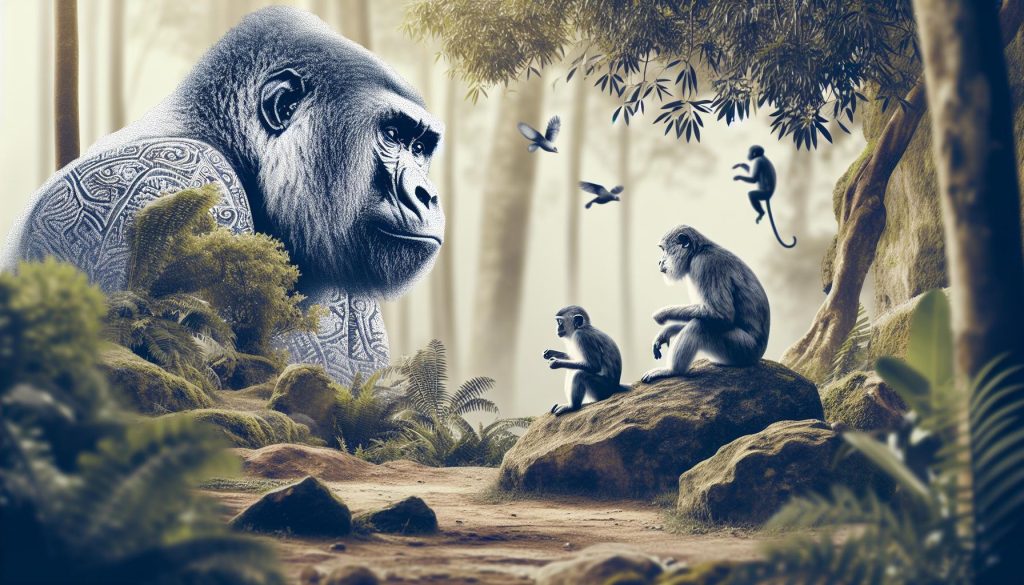
Did you know that gorillas, despite their stature and strength, share a closer genetic connection with humans than any other primates aside from chimpanzees and bonobos? This fascinating fact sets the stage for a common misconception: many people mistakenly label gorillas as monkeys. In reality, gorillas are part of the ape family, which differs significantly from monkeys in various ways. Understanding these differences is not just a trivia question; it helps foster a respect for these incredible creatures and their rightful place in the animal kingdom. As we delve into the distinctions between gorillas and monkeys, you’ll uncover insights about their behavior, habitats, and the vital role they play in their ecosystems. Let’s embark on this journey together and clarify the truth about these magnificent animals!
Is a Gorilla a Monkey? Understanding the Basics

While many people wonder if a gorilla is a monkey, the answer is a resounding no. Gorillas belong to the family Hominidae, which includes great apes like orangutans, chimpanzees, and bonobos-distinct from monkeys, which are part of the primate infraorder Simiiformes. This classification underlines a fundamental difference: gorillas are classified as apes, a group of primates that generally lack tails and exhibit more advanced cognitive abilities compared to their monkey cousins.
One captivating aspect that illustrates the differences is size and strength. Gorillas are the largest living primates, with adult male silverbacks weighing up to 450 pounds, showcasing impressive strength and muscular build. In contrast, monkeys tend to be smaller, with their size varying widely across species. Gorillas also exhibit a more upright posture, often walking on two legs, which is less common among monkeys who frequently use their tails for balance.
Social structures further differentiate gorillas and monkeys. Gorillas typically live in groups called troops, led by a dominant male known as a silverback. This social dynamic emphasizes cooperation and protection within their social framework. Monkeys, on the other hand, can exhibit a range of social systems, from matriarchal troops to more fluid groups, depending on the species. Understanding these distinctions can enhance appreciation for both types of primates and their unique roles in the animal kingdom.
Key Characteristics of Gorillas Explained
Gorillas are truly remarkable creatures that showcase a fascinating blend of strength, intelligence, and complex social structures. As the largest of all primates, they can weigh up to 450 pounds, especially the dominant males known as silverbacks. Unlike monkeys, gorillas do not have tails, which is one of the most significant anatomical distinctions between these two groups. Their bodies are characterized by broad chests, strong arms, and a robust build, which play a crucial role in their natural habitats – predominantly the tropical forests of central and western Africa.
Intelligence and Communication
Gorillas exhibit advanced cognitive abilities, which are evident in their social interactions and problem-solving skills. They communicate using a variety of vocalizations, facial expressions, and body language. For instance, soft grunts can express comfort, while loud roars signal alarm. Researchers have found that gorillas can learn sign language, enhancing their ability to interact with humans and express their needs or desires.
Diet and Behavior
In their natural habitat, gorillas primarily consume a plant-based diet, favoring leaves, stems, and fruits, which supports their large size and energy needs. This herbivorous diet differentiates them from many monkey species, which often have more varied diets that can include insects and small animals. Gorillas spend a significant part of their day foraging and eating, showcasing their adaptation to a lifestyle centered around large amounts of vegetation.
Social Structure
Gorillas are known for their strong family bonds, living in groups called troops led by a dominant male. This social structure emphasizes stability and cooperation within the troop. The silverback not only protects the group but also mediates conflicts and makes decisions about the troop’s movements. This dynamic contrasts sharply with that of many monkey species, which can have diverse social arrangements that vary widely from one species to another.
In summary, gorillas stand out in the primate family due to their size, social structures, and incredible intelligence. Understanding these key characteristics helps highlight their uniqueness and underscores the importance of conservation efforts to protect these magnificent beings in their natural habitats.
Monkeys vs. Apes: What’s the Difference?

Gorillas often get mistaken for monkeys due to their similar appearances, but they belong to a different family altogether. Understanding the distinctions can enrich your appreciation of these remarkable animals. Both groups belong to the order Primates, but they diverge significantly in class and characteristics. Gorillas, along with chimpanzees and orangutans, are classified as apes, while monkeys fall under a separate classification.
One of the most noticeable differences is anatomical. Apes, including gorillas, lack tails, which are a defining feature of most monkeys. Moreover, apes tend to have larger body sizes, advanced intelligence, and more complex social structures. For example, an adult male gorilla can weigh up to 450 pounds, showcasing their robust nature, whereas most monkeys are smaller and more agile. In terms of brain size relative to body size, apes also generally have larger brains, which correlates with their problem-solving skills and emotional complexity.
When it comes to behavioral traits, gorillas display a higher level of cognition than most monkeys. They communicate using a variety of vocalizations, body language, and even learned sign language, showcasing their intelligence and ability to form strong social bonds. In contrast, while monkeys are also social creatures, their communication is often less nuanced, and they display a wider variety of social structures, from troops to solitary living.
In terms of habitat, both monkeys and apes can be found in tropical forests, but gorillas specifically inhabit the dense jungles of Africa, primarily residing in social groups called troops led by a silverback male. Monkeys can be found in a broader range of environments, including savannas, mountains, and even urban areas, showcasing their adaptability.
Understanding these differences not only solidifies the distinction between gorillas and monkeys but also highlights the unique roles each group plays within the animal kingdom. As you dive deeper into the captivating lives of these primates, you’ll appreciate the special traits that make gorillas truly stand out among their primate cousins.
Physical Differences Between Gorillas and Monkeys
Gorillas and monkeys may share a common ancestor and be part of the primate family, but when it comes to physical differences, the distinctions are quite pronounced. One striking difference is in size: gorillas are the largest of the great apes, with adult males weighing up to 450 pounds. In contrast, most monkey species are considerably smaller, with some weighing as little as a few pounds. This difference in size not only affects their appearance but also their physical capabilities, such as strength and agility.
A key anatomical feature that sets gorillas apart from monkeys is their lack of tails. While most monkeys have long, expressive tails used for balance and communication, gorillas do not have tails at all. This absence is indicative of their classification as apes rather than monkeys. Additionally, gorillas possess broader and more robust bodies than most monkey species, which are typically more agile and slender.
The facial structure also varies significantly between these two groups. Gorillas have a pronounced brow ridge and a more flat facial profile, while monkeys generally have more pronounced snouts. Furthermore, gorillas exhibit large, strong jaws that house powerful teeth designed for their diet of foliage. Monkeys, depending on their species, can have varied jaw shapes adapted to a more diverse diet that includes fruits, insects, and smaller animals.
In summary, the are not just superficial; they reflect deeper evolutionary divergences. Gorillas’ larger size, tail-less bodies, and robust features are key indicators of their classification as apes. Understanding these distinctions helps clarify why gorillas are often mistakenly lumped together with monkeys, despite their unique status in the primate family.
Behavioral Traits: How Gorillas Stand Out
Gorillas are fascinating creatures that exhibit a range of behavioral traits that set them apart from monkeys and other primates. One of their most striking behaviors is their peaceful and gentle nature. Unlike many smaller monkey species that may display more aggressive or frenetic antics, gorillas tend to be calm and composed. In the wild, gorillas live in social groups known as troops, which are led by a dominant male known as a silverback. This male plays a crucial role in the group, providing protection and leadership while maintaining harmony among members, which can include females and their offspring.
A common misconception is that gorillas are aggressive; however, they are generally shy and avoid confrontation unless threatened. Their communication skills are quite sophisticated, involving a range of vocalizations, facial expressions, and body language. For instance, gorillas often engage in play, especially among juveniles; this not only strengthens social bonds but also helps young gorillas develop important life skills. They will pound their chests as a form of display, signalling their strength or asserting authority without the need to escalate to physical confrontations.
Another distinct aspect of gorilla behavior is their use of tools, which is relatively rare among primates. In the wild, they have been observed using sticks to gauge water depth or as makeshift seats. This demonstrates a level of problem-solving ability and cognitive complexity that aligns more closely with apes than monkeys.
In terms of day-to-day life, gorillas are primarily herbivorous and spend a significant part of their day foraging for food, which includes leaves, stems, and fruit. Unlike many monkeys that actively forage high in trees, gorillas primarily stay on the ground and are known for their impressive strength, using their robust bodies to navigate their dense forest habitats effectively.
Understanding these behavioral traits highlights the unique position gorillas hold within the primate family, showcasing their intricate social structures and emphasizing the importance of conservation efforts to protect them and their habitats. By appreciating their unique behaviors, we can foster greater respect and awareness towards these magnificent creatures.
Habitat Preferences: Where Do Gorillas Live?
Gorillas are a wonder of the natural world, uniquely adapted to thrive in their forest homes. These magnificent creatures primarily inhabit the tropical and subtropical forests of Central Africa, where they can be found in a variety of lush environments including lowland rainforests, mountainous regions, and even swamps. Their habitats are characterized by dense vegetation that offers both the food they need and the protection from predators.
Gorillas typically prefer environments with plenty of cover, which allows them to forage for their herbivorous diet in relative safety. They are most commonly found in regions that boast a rich diversity of plant life, including the stems, leaves, and fruits they love. While their adaptations allow some to venture into mountainous areas-like the critically endangered mountain gorilla found in the Virunga Mountains-others, such as the western lowland gorilla, prefer the flatter, wetter forest floors where they can move relatively easily among the undergrowth.
Interestingly, gorillas exhibit a strong preference for certain types of habitats. For instance, lowland gorillas tend to occupy swampy areas, which provide an abundance of food, while the mountain gorillas adapt to their colder, higher altitude environments. Despite their shared characteristics as primates, these habitat choices underscore how gorillas, unlike monkeys, are less arboreal and more terrestrial, often foraging on the ground rather than in trees, where many monkeys are at home.
Preserving their natural habitats is critical not just for gorillas but for the entire ecosystem. As gentle giants, they play a vital role in seed dispersal, which helps maintain the health of their forests. Unfortunately, habitat loss due to deforestation, agriculture, and human encroachment threatens their survival. Understanding where gorillas live highlights the importance of conservation efforts that protect these remarkable animals and the rich biodiversity of the environments they call home. By championing their habitats, we can ensure that future generations will continue to marvel at the elegance and strength of gorillas in the wild.
Diet Insights: Gorilla Nutrition vs. Monkey Diets
Gorillas are fascinating creatures with a specialized diet that sets them apart from monkeys. While both groups belong to the primate family, their dietary preferences and nutritional needs reflect their distinct evolutionary paths. Gorillas are primarily herbivores, consuming a wide array of vegetation that includes leaves, stems, roots, and fruits. Their robust digestive systems are designed to process fibrous plant material, allowing them to thrive in the lush forests of Central Africa.
Gorillas can consume up to 40 pounds of plant matter per day, thanks to their large body size and unique biomechanical adaptations. They have evolved to efficiently extract the nutrients they need from the tough, raw vegetation native to their habitats. For instance, mountain gorillas often eat more leaves and stems in their colder environments, while western lowland gorillas include a wider variety of fruits and herbs in their diet, taking advantage of the diverse plant life available in their swampy habitats. This dietary flexibility is a crucial factor in their survival, especially as environmental conditions change.
In contrast, monkeys exhibit a broader range of dietary habits. Many species of monkeys are omnivorous, incorporating not only plant materials but also insects, small animals, and sometimes even bird eggs into their diets. This dietary diversity allows monkeys to adapt to a variety of habitats, from forests to savannas. For example, capuchin monkeys are known for their dexterous hands and intelligence in foraging, often using tools to extract insects from bark or nuts from shells.
This comparison illustrates that while gorillas and monkeys share the same primate lineage, their dietary strategies are quite different. Gorillas’ focus on a high-fiber, low-calorie vegetarian diet contrasts with monkeys’ more varied nutritional intake. Understanding these differences not only highlights the unique adaptations of gorillas but also underlines the importance of preserving their habitats, where they can access the specific foods that sustain them in the wild.
The Social Structure of Gorillas: A Closer Look
In the intricate world of gorillas, social structure plays a pivotal role in their daily lives and overall survival. Known for their strong family ties, gorillas live in groups called troops, which are typically led by a dominant male known as a silverback. This silverback is the protector and leader of the troop, responsible for the safety of all members, including females and their young. His presence is crucial, as he establishes boundaries, mediates conflicts, and ensures the group stays cohesive and secure.
Gorillas exhibit a fascinating mix of social behaviors that strengthen their bonds. Within the troop, individuals demonstrate varied relationships, often nurturing and supportive. Adult females usually form strong connections with each other, cooperating in childcare and foraging activities. This communal approach to raising young not only fosters a stable environment for the offspring but also reinforces the social fabric of the group. The silverback’s role extends beyond mere protection; he actively participates in social interactions, displaying affection through grooming and close physical contact, which helps reinforce trust and solidarity among troop members.
Furthermore, gorilla troops can vary in size, typically consisting of 5 to 30 individuals, although larger groups have been documented. When you consider the challenges posed by their forest habitats-where threats from predators or human encroachment exist-the complex dynamics of their social structure become crucial for survival. Larger groups can deter potential predators and assist in resource gathering, showcasing how their social organization is not just a matter of hierarchy but a clever adaptation to their environment.
Understanding the social structure of gorillas reveals profound insights into their behavior and ecology. It highlights the importance of community in their lives, showcasing the depth of their emotional and social intelligence. This knowledge also underlines the significance of conservation efforts; protecting gorilla habitats ensures that these vital social relationships can thrive, contributing to the species’ overall health and resilience in the wild. By appreciating these dynamics, we gain a greater respect for the incredible complexity of gorillas-creatures that, while often compared to monkeys due to their primate lineage, stand out distinctly within their own family of great apes.
Conservation Status: Protecting Gorillas vs. Monkeys
In recent years, the conservation status of both gorillas and monkeys has become increasingly critical, as habitat loss, poaching, and climate change threaten their populations. Gorillas, classified as great apes, face unique challenges that set them apart from their monkey relatives. For instance, there are two main species of gorillas-the Eastern gorillas and Western gorillas-each with their own subspecies, all of which are listed as either Critically Endangered or Endangered by the International Union for Conservation of Nature (IUCN). This alarming status has prompted extensive conservation efforts aimed at habitat protection and restoring population numbers.
One of the key distinctions in conservation needs lies in the differences in their habitats and social structures. Gorillas generally inhabit dense forests and are primarily terrestrial, spending a considerable amount of time on the ground. Conversely, many monkeys are more adaptable, often living in a variety of environments-from tropical rainforests to savannas-and can maneuver through the trees with ease. This adaptability can sometimes provide monkeys a survival advantage; however, species like the critically endangered Tapanuli orangutan, a close relative of the gorilla, remind us that even the most adaptable can still face dire threats.
Conservation strategies for gorillas often focus not just on direct protection, but also on engaging local communities in sustainable practices. Programs emphasizing eco-tourism have proven successful, where visitors contribute financially to wildlife conservation and local economies. For instance, in Rwanda, gorilla trekking has become a vital source of income for communities, demonstrating that protecting these majestic creatures can lead to economic benefits for people as well. Additionally, anti-poaching initiatives and habitat restoration projects play a crucial role in ensuring that gorillas can thrive in their natural environments, largely due to the efforts of organizations dedicated to wildlife protection.
While the conversation around monkeys often revolves around their diverse species and habitats, the focus on gorilla conservation highlights a critical need for addressing the risks that specific species face. As each of these primates play a vital role in their ecosystems, understanding their unique needs and challenges is essential for effective conservation. Support for both gorilla and monkey populations ensures future generations can appreciate these incredible animals, which are more than just subjects of interest; they are key players in our world’s biodiversity.
Gorillas in Pop Culture: Beyond the Forest
Gorillas have captured the imagination of audiences around the world, appearing in movies, literature, and even television shows. Their gentle yet powerful nature has made them symbols of strength and vulnerability, often used to raise awareness about conservation issues. One of the most iconic portrayals is that of King Kong, a massive ape who, despite his destructive tendencies, elicits sympathy and showcases the complexities of human-animal relationships. This duality reflects the real-life challenges gorillas face: they are majestic creatures deserving of admiration and respect, yet they are also endangered due to human activities.
In educational programs and documentaries, gorillas are commonly featured to highlight their intelligence and social structures. Shows like “The Secret Life of Animals” and documentaries produced by organizations like National Geographic have shed light on their behaviors and habitats, helping viewers understand why gorillas are not just another animal but significant beings in the animal kingdom. For example, their use of tools and the emotional connections they form within their troops mirror our own social interactions. This deeper understanding helps build empathy among audiences, emphasizing the importance of conservation efforts.
Additionally, gorillas have frequently appeared in various forms of art and advertising, often symbolizing ecological awareness. The World Wildlife Fund (WWF) uses the imagery of gorillas to draw attention to wildlife conservation, effectively making them spokesanimals for the cause. Their representation in pop culture serves as a vital reminder of the ongoing threats they face, such as habitat loss and poaching, encouraging viewers to take action.
With the rise of social media, sightings of gorillas also flood platforms like Instagram and TikTok, where wildlife enthusiasts share videos and images from sanctuaries and natural habitats. These visual narratives not only entertain but educate the public about the realities of gorilla life and their conservation status. As people engage with gorillas through these platforms, they can become more informed advocates for the protection of this magnificent species. Embracing gorillas in pop culture thus serves a meaningful purpose: fostering awareness and inspiring action to protect them and their habitats.
Common Misconceptions About Gorillas and Monkeys
Did you know that gorillas and monkeys are often mistakenly thought to belong to the same group of animals? However, gorillas are not monkeys at all; they are classified as apes, which places them in a different category entirely. This common misconception stems from a general misunderstanding of primate classifications and the everyday use of the term “monkey,” which often encompasses all non-human primates.
In reality, the differences between gorillas and monkeys are quite significant. Gorillas are part of the family Hominidae, a group also known as the great apes, which include orangutans, chimpanzees, and humans. Monkeys, on the other hand, belong to two primary groups: the New World monkeys (found in South America) and the Old World monkeys (found in Africa and Asia). This distinction is crucial when discussing their anatomy, behavior, and habitats.
Another prevalent myth is the idea that all primates, including gorillas and monkeys, are inherently aggressive and dangerous. While it’s true that gorillas can exhibit aggressive behavior if they feel threatened, they are generally peaceful animals, known for their familial bonds and social structures. Gorillas can display affection, care for their young, and even participate in playful activities, challenging the stereotype that they are purely fearsome beasts.
Lastly, the dietary habits of gorillas are commonly confused with those of monkeys. Many people assume that all primates consume similar diets. While both groups are omnivores, gorillas primarily eat vegetation-fruits, leaves, and stems-whereas monkeys may have a more varied diet that includes insects and small animals. Understanding these differences not only helps dispel common myths but also highlights the uniquely specialized adaptations of each primate group, reinforcing the importance of their conservation.
Fun Facts About Gorillas You Might Not Know
Did you know that gorillas, despite their imposing size and strength, share many surprising traits with us humans? These gentle giants exhibit a range of fascinating characteristics that often go unnoticed. For instance, gorillas are incredibly intelligent creatures; they can learn and use sign language to communicate with humans, demonstrating cognitive abilities that rival those of some humans. Their capacity for learning is not just limited to communication-gorillas can also solve problems and use tools in the wild, showing that they have an understanding of their environment that is both impressive and essential for their survival.
Social Creatures with Strong Family Bonds
Gorillas live in tight-knit family groups called troops, often led by a dominant male known as a silverback. This silverback not only protects his family but also mediates disputes and keeps order within the group. It’s heartwarming to see how these apes exhibit parental care; both mothers and fathers are involved in raising their young. In fact, gorilla infants are known to be playful and curious, spending a lot of time climbing trees and playing with their siblings. This playful behavior is crucial for their development, as it helps them learn vital survival skills.
Vocal Communication and Social Interactions
Another captivating fact about gorillas is their complex vocalizations. They use a variety of sounds to communicate, ranging from deep roars to higher-pitched hoots and grunts. These sounds convey different messages, whether it’s a sign of warning or an invitation to play. Interestingly, gorillas have been observed to exhibit laughter-like sounds during playful interactions, highlighting their emotional depth and social nature. Their ability to express emotions not only enhances their bonds with each other but also challenges the misconception that they are simply aggressive beasts.
Environmental Adaptability and Diet
Gorillas are also quite adaptable in their dietary habits. Although they primarily consume leaves, stems, fruit, and flowers, their diet can change depending on the availability of food in their habitat, which typically includes dense forests in Central Africa. They show a preference for certain fruits and vegetation, and in some areas, they even have been seen using specific tools to extract insects, showcasing their resourcefulness in the wild. This adaptability not only aids their survival but also contributes to the biodiversity of their ecosystem, as they play a crucial role in seed dispersal.
In essence, gorillas are more than just powerful primates; they are intelligent, social, and sensitive beings deserving of our respect and protection. Understanding their unique traits and behaviors is vital for fostering a deeper appreciation for these remarkable animals while highlighting the importance of conservation efforts to ensure their continued existence in the wild.
FAQ
Q: Are gorillas considered monkeys?
A: No, gorillas are not monkeys; they are classified as apes. While both gorillas and monkeys fall under the primate order, apes, including gorillas, do not have tails and generally possess larger brains compared to monkeys. For more details, check our section on Monkeys vs. Apes.
Q: What are the main differences between gorillas and monkeys?
A: The primary differences include physical traits like the absence of a tail in gorillas, brain size, and social structure. Gorillas tend to live in smaller, family-oriented groups, while monkeys often form larger troops. Explore these differences in our Physical Differences Between Gorillas and Monkeys section.
Q: How do gorillas behave differently from monkeys?
A: Gorillas exhibit more complex behavioral patterns, such as strong familial bonds and higher emotional intelligence. They also communicate using a range of gestures and vocalizations, unlike many monkeys. Learn more about these traits in our Behavioral Traits: How Gorillas Stand Out section.
Q: Where do gorillas live compared to monkeys?
A: Gorillas primarily inhabit tropical forests in equatorial Africa, while monkeys are more diverse in habitat, ranging from forests to savannas across various regions globally. For further information, see our Habitat Preferences: Where Do Gorillas Live? section.
Q: What do gorillas eat compared to monkeys?
A: Gorillas are predominantly herbivorous, relying on leaves, stems, and fruit, while monkeys often have more varied diets that can include insects and smaller animals. For more insights on their diets, refer to our Diet Insights: Gorilla Nutrition vs. Monkey Diets section.
Q: Why are gorillas often confused with monkeys?
A: Gorillas are sometimes mistaken for monkeys because they both belong to the primate family. However, the key distinction lies in their evolutionary differences, size, and physical characteristics, which set gorillas apart from monkeys.
Q: What are common misconceptions about gorillas and monkeys?
A: A frequent misconception is that all primates, including gorillas, are monkeys. In reality, gorillas are apes and share a closer evolutionary relationship with humans than with monkeys. Clarifying this is essential; check our section on Common Misconceptions About Gorillas and Monkeys for more.
Q: How can understanding the differences between gorillas and monkeys help with conservation efforts?
A: Understanding these differences can enhance conservation strategies by targeting appropriate habitats and social structures needed for apes versus monkeys. Focused efforts can improve the effectiveness of conservation initiatives tailored to each group’s unique needs.
Closing Remarks
Understanding the distinction between gorillas and monkeys not only enriches your knowledge but also highlights the unique traits of these magnificent creatures. While gorillas share a family tree with monkeys, they belong to a separate branch of primates, showcasing their impressive size and social behaviors. If you’re intrigued by the complexities of primate biology, don’t miss our article on the “Fascinating Social Structures of Gorillas,” where we delve deeper into their communities and interactions.
Ready to discover more about wildlife conservation? Visit our resources on protecting gorillas and their habitats to see how you can make a difference. Remember, your curiosity fuels our passion for sharing the wonders of the animal kingdom! Share your thoughts or questions in the comments below – we want to hear from you. Keep exploring, and together, let’s celebrate the amazing world of gorillas!


