
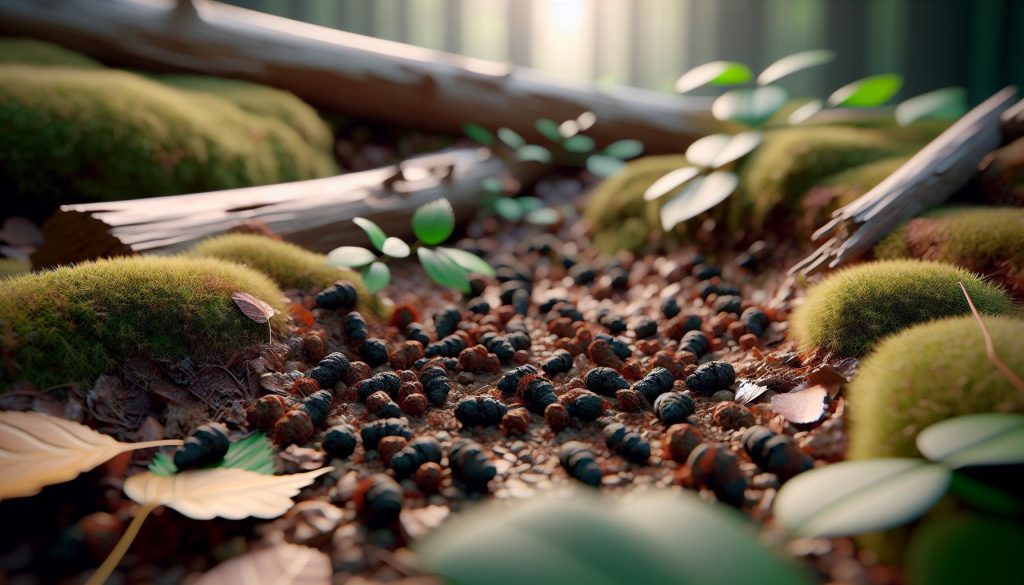
Have you ever wondered what flying squirrel poop looks like? These enchanting creatures, known for their gliding abilities, can be fascinating to observe, but their droppings often go unnoticed. Understanding the characteristics of flying squirrel feces can be useful for wildlife enthusiasts, homeowners, or anyone concerned about backyard habitats. Their droppings provide insights into their diet and health, helping enthusiasts know more about their lifestyles and populations. In this guide, we’ll explore the telltale signs of flying squirrel droppings, how to identify them, and what they can reveal about these aerodynamic mammals. Whether you’re a seasoned nature lover or just curious about these unique animals, get ready to uncover some intriguing facts that enhance your appreciation of the natural world!
What Do Flying Squirrel Droppings Look Like? A Visual Guide

When you’re out exploring wooded areas or your backyard, you might come across some droppings that ignite your curiosity about flying squirrels. Understanding what these droppings look like not only helps in identifying their presence but also adds to the knowledge of these fascinating creatures. Typically, flying squirrel droppings resemble small, dark pellets, about the size of a fig or a small pea. They are often roughly cylindrical and slightly curved, making them somewhat unique compared to other rodent droppings.
The coloration and texture of the droppings can vary based on the squirrel’s diet. In general, fresh droppings will appear shiny and moist, usually dark brown to black. As they dry out, they become duller and may crack. An important distinguishing feature is their smooth surface, which sets them apart from the more granular or rough droppings produced by other rodents.
To better visualize the differences, consider these characteristics of flying squirrel droppings in comparison to other common rodents:
- Color: Dark brown to black for flying squirrels; grayish or light brown for mice.
- Size: Approximately 1/2 inch in length for flying squirrels; smaller for mice (1/4 inch).
- Shape: Cylindrical and slightly curved for flying squirrels; round or oval for rats.
Identifying these droppings can help you not only confirm the presence of flying squirrels but also understand their feeding habits better. Look for these telltale signs in places like tree hollows or along their flight paths-characteristic spots that indicate their preferred habitats. Observing and learning about these tiny droppings is just one of the many ways to appreciate the wildlife around us!
Identifying Key Characteristics of Flying Squirrel Poop

When you stumble upon droppings in wooded areas, particularly in places frequented by flying squirrels, it’s easy to overlook their unique characteristics. These little pellets hold fascinating clues about the creatures that leave them behind. Typically, flying squirrel droppings are small, about the size of a fig or a pea, and they have a distinct cylindrical shape that curves slightly at the ends. This cylindrical form, combined with their shiny, dark coloration, makes them quite recognizable among the droppings of other rodents.
The color of flying squirrel poop usually ranges from dark brown to almost black when fresh, giving it a moist appearance that can become dull and cracked as it dries. If you observe a smooth surface on these droppings, that’s another hallmark of flying squirrels, distinguishing them from the rougher textures often found in the feces of other rodents. This unique texture is not just a trivial detail; it can indicate the health and diet of the squirrel.
To differentiate flying squirrel droppings from those of other rodents, consider these simple comparisons:
- Color: Flying squirrels excrete dark brown to black pellets, while droppings from mice are more likely to be grayish or light brown.
- Size: Flying squirrel droppings are around 1/2 inch in length; mice typically leave smaller, about 1/4 inch pellets.
- Shape: Look for cylindrical and slightly curved droppings from flying squirrels versus the round or oval shapes found in rats.
Understanding these key identifying traits not only helps confirm the presence of flying squirrels but also adds to our appreciation of their role in the ecosystem. By knowing where to look-like around tree hollows or along their flight paths-you can become more engaged with the wildlife around you and gain insights into the behaviors and diets of these charming creatures.
Color and Size: What to Expect from Their Droppings
When you’re out exploring wooded areas, spotting the droppings of a flying squirrel can be an unexpected yet fascinating find. These small pellets are not just random traces left behind; they tell a story about the diet and health of the squirrel that produced them. Typically, the droppings are about the size of a pea, measuring around half an inch long, and feature a unique cylindrical shape that helps differentiate them from those of other animals.
In terms of color, the droppings tend to be dark brown to almost black when fresh. This coloration can give them a glossy look that catches the eye, but as they dry out, they may become dull and even crack, which helps you identify how old the droppings possibly are. One of the most distinctive features of flying squirrel droppings is their smooth surface, contrasting with the often rougher texture found in the feces of many other rodents. This smoothness can provide clues about the squirrel’s health, as well as the types of foods it has been consuming.
To help you identify flying squirrel droppings versus those of other local rodents, consider these comparisons:
- Color: Fresh flying squirrel pellets are dark brown to black, while those from mice might appear grayish or light brown.
- Size: Flying squirrel droppings are typically around 1/2 inch in length, whereas mouse droppings usually measure about 1/4 inch.
- Shape: The droppings from flying squirrels are cylindrical and slightly curved, compared to the round or oval shapes left by rats.
Recognizing these details not only enhances your identifying skills but also deepens your connection to the natural world. Next time you encounter these little pellets, you’ll have a greater appreciation for the tiny creatures responsible for them and the larger ecological roles they play.
Comparison: Flying Squirrel Poop vs. Other Rodents
While exploring the lively realm of rodents, flying squirrels often stand out, not just for their unique gliding abilities but also for their telltale droppings. When comparing flying squirrel poop to that of other common rodents, several key characteristics emerge that make identification straightforward and fun.
To begin with, flying squirrel droppings are distinctive in size and shape. Measuring approximately half an inch in length, these pellets are cylindrical and gently curved. In contrast, mouse droppings are typically smaller, around a quarter of an inch long, and often appear more pointed at the ends, resembling little black grains of rice. Adult rat droppings differ even more, as they are larger, measuring about 3/4 inch, and are usually blunt at both ends, taking on a more oval appearance.
Color is another reliable indicator. Fresh droppings from flying squirrels are usually dark brown to almost black, often shiny when newly produced. As they dry, they may lose that sheen, turning a duller shade, which can indicate the age of the droppings. Comparatively, the droppings of other rodents, like rabbits or chipmunks, tend to be rounder and can vary in color from light brown to greenish, depending on their diet.
A close examination of textures can also offer further clues. The surface of flying squirrel droppings is smoother compared to the rougher, more granular texture often found in the feces of rats and mice. This difference is not just a matter of aesthetics; it can hint at dietary habits-flying squirrels primarily consume fruits, nuts, and other vegetation, contributing to their uniquely smooth droppings.
By paying attention to these nuances, not only can you enhance your identification skills, but you can also deepen your appreciation for these fascinating animals and their ecological contributions. Whether you’re identifying droppings in your backyard or on a nature hike, understanding these comparisons brings you one step closer to connecting with the wildlife around you.
Common Habitats: Where to Find Flying Squirrel Droppings
Flying squirrels are nocturnal creatures that typically prefer wooded habitats, making it essential to know where to look for their droppings. If you’re on the lookout for these telltale indicators, your best bet is to explore areas rich in trees, especially where hardwoods and softwoods intersect. They thrive in forests, parks, and suburban areas where mature trees provide the perfect environment for nesting and feeding.
These agile flyers often build their nests, known as dreys, in the hollows of trees or among dense foliage. Consequently, you’ll want to focus your search for droppings in the vicinity of these nesting sites. Look for clusters of droppings on tree branches, beneath their nests, and near feeding areas where they might consume fruits, nuts, or tender leaves.
- Forested Areas: Mature forests with abundant tree cover are ideal, as they offer both shelter and food.
- Urban Parks: Many city parks have considerable tree growth and can be hotspots for flying squirrels.
- Suburban Neighborhoods: Regions with large yards or community green spaces can also harbor flying squirrels.
- Along Tree Lines: Look near the edges of woods or alongside roads where trees are present.
Considering the sneaky nature of flying squirrels, their droppings can often be found in unexpected places, like the attics or roof spaces of homes, particularly in areas adjacent to wooded surroundings. So, maintaining a watchful eye in these common habitats can lead you to uncover not only their droppings but also gain insights into their behaviors and movements in the wild. Each droppings visit tells a story about the squirrel’s diet and activity, forging a connection with these enchanting creatures as they glide silently through the night sky.
What Poop Can Tell You About Their Diet
Understanding what flying squirrel droppings can reveal about their diet is both fascinating and practical for enthusiasts and nature watchers alike. These small mammals are primarily herbivores, favoring a diet rich in tree fruits, nuts, and tender leaves. When examining their droppings, the composition and pattern can offer valuable insights into their nutritional choices and foraging habits.
Flying squirrels typically produce droppings that are dark brown or black, cylindrical, and about the size of a small pea. This unique appearance is often influenced by their diet. For instance, if flying squirrels are feasting on acorns or seeds, their droppings may contain visible remnants of these foods, such as small bits of shells or fibrous plant material. This can indicate a high-fat diet, particularly during fall months when they are stockpiling energy reserves for winter. In contrast, droppings found in the spring might contain more plant material, as their diets shift toward fresh leaves and softer fruits, revealing their seasonal eating patterns.
To gather information about their diet, you might look for patterns in droppings based on their locations. For example, droppings found near specific fruiting trees might suggest that those are key food sources. Identifying the presence of certain tree species can provide clues about the squirrel’s preferred snacks. For example, a concentration of droppings beneath a hickory or oak tree can signal that these squirrels enjoy that specific nut or seed, while droppings near berry-producing bushes might indicate summer feeding spots.
Moreover, examining their poop can also shed light on any dietary shifts. If you notice changes in the droppings’ consistency or quantity, it could point to environmental changes or food scarcity. For instance, larger piles of droppings may indicate a high concentration of food, whereas fewer droppings could mean the squirrels are finding it harder to sustain their diet, perhaps due to foraging pressure or habitat loss.
Thus, by observing the characteristics and locations of flying squirrel droppings, you can gain a deeper appreciation of their dietary habits and the ecological dynamics of their environment. This not only enriches your understanding but also promotes responsible wildlife observation by encouraging conscious awareness of these charming creatures and their natural behaviors.
Health Risks: Understanding Parasites in Squirrel Droppings
Flying squirrels may seem like charming, harmless creatures, but their droppings can pose hidden health risks, particularly due to the potential presence of parasites. One notable example is Baylisascaris procyonis, a roundworm commonly found in raccoons that can also infect squirrels. When these parasites are present in the droppings, they can contaminate areas where pets or humans roam, leading to serious health issues if ingested. This makes understanding and identifying flying squirrel droppings an important aspect for wildlife enthusiasts, homeowners, and anyone involved in rodent management.
The droppings of flying squirrels are typically cylindrical and dark, sometimes resembling small pellets. Analyzing the droppings for any unusual features-like a larger size or irregular shape-might indicate the presence of parasites or other health concerns. It’s crucial to remember that while spotting these droppings can provide insights into squirrel activity, handling them without proper precautions can increase health risks. Always wear gloves and a mask when cleaning up areas with droppings to minimize exposure.
In addition to Baylisascaris, flying squirrel droppings can also harbor other parasites and pathogens, including bacteria and protozoa. Regularly cleaning up droppings not only helps maintain a safe environment, but also reduces the chance of attracting these harmful organisms. If you notice a significant amount of droppings near your home or in areas frequented by pets, it may be advisable to consult with a wildlife control professional. They can provide guidance on safe removal and preventative measures to deter these adorable yet potentially hazardous critters from taking up residence.
Maintaining awareness and taking proactive steps when dealing with flying squirrel droppings is key. Understanding the risks associated with these charming little rodents ensures both safety for your family and respect for wildlife, allowing you to appreciate the beauty of nature while minimizing any potential health risks.
Behavioral Insights: Why Squirrels Poop in Specific Areas
Flying squirrels are fascinating creatures, and their bathroom habits can reveal a lot about their behavior and ecology. One interesting aspect is their tendency to poop in specific areas, known as “latrines.” These latrine sites can often be found under their preferred nesting locations or in areas where they regularly forage for food. Understanding why flying squirrels choose these particular spots for their droppings can provide valuable insights into their behavior and habitat preferences.
Squirrels typically establish latrines for several practical reasons. One key factor is territory marking. By consistently using certain locations, they signal their presence to other squirrels, helping to establish boundaries and reduce confrontations. Additionally, latrine sites can attract insects that snack on squirrel feces, providing opportunities for foraging. This behavior is similar to other wildlife, where strategic waste disposal can enhance access to nearby resources.
Moreover, flying squirrels are social creatures. Their latrines may serve as a communal toilet, encouraging interaction among individuals in a shared space. This social aspect can be further observed in urban settings, where these squirrels tend to poop in areas with easy access to their food sources, such as parks or backyards. An understanding of these patterns can be helpful for wildlife enthusiasts and homeowners looking to spot these charming creatures in their natural habitat.
When it comes to cleanup or management, recognizing these latrine areas can help in monitoring flying squirrel activity. If you’re noticing droppings accumulating in certain spots, it might indicate a local population of flying squirrels nearby. Keeping an eye on these signs can lead to exciting opportunities for observation and interaction, all while maintaining a respectful distance. Remember, being informed about these behaviors not only enriches your understanding of flying squirrels but also emphasizes the beauty of coexisting with wildlife in your surroundings.
Cleaning Up: Safe Handling of Squirrel Waste
When cleaning up after flying squirrels, safety and hygiene should be your top priorities. These small mammals can inhabit urban areas comfortably, and their droppings, while generally harmless, can carry parasites and disease. Taking the right precautions ensures that your cleanup is both effective and safe.
Before you dive in, gather the right supplies. You’ll need gloves, a mask, and a sturdy bag for disposal-essential tools that protect you from potential health risks. While most people might think of a general household cleaner, a mixture of bleach and water can effectively disinfect surfaces contaminated with squirrel droppings. Aim for a solution that’s about 10% bleach, which is usually strong enough to kill any pathogens present without causing damage to your surfaces.
Start the cleanup by carefully removing the droppings. Avoid sweeping or vacuuming, as these methods can aerosolize any contaminants, posing a risk to your lungs. Instead, use a damp paper towel or cloth to pick up the droppings and deposit them directly into your disposal bag. This method minimizes the chance of spreading spores or bacteria into the air. Once you’ve collected all the droppings, wash your hands thoroughly even if you’ve worn gloves.
After the initial cleanup, focus on disinfecting the affected area. Use your bleach solution on all surfaces where droppings were found, letting it sit for a few minutes before wiping it down. It’s also wise to ventilate the area; open windows and use fans if needed to ensure proper air circulation while you work. Lastly, remember to dispose of waste appropriately-check local guidelines to ensure that both gloves and droppings are discarded safely.
In the aftermath of your efforts, consider any signs of an infestation. If you notice excessive droppings or signs of a nest, it may be time to consult a wildlife specialist. Keeping these adorable creatures managed in your backyard allows for a harmonious coexistence, and being proactive about cleanliness helps keep both you and the flying squirrels healthy.
Signs of Infestation: Recognizing Excessive Droppings
If you’ve noticed droppings scattered around your property that resemble small, dark pellets, it could indicate that flying squirrels have taken up residence nearby. These nocturnal creatures are known for their agility and ability to glide between trees, but they can also be quite messy when it comes to their waste. Recognizing the signs of excessive droppings is crucial for identifying a potential infestation before it becomes overwhelming.
Flying squirrel droppings are typically cylindrical in shape, measuring about 0.25 to 0.5 inches in length. They often appear much like the droppings of other rodents, but there are key differences to note. If you’re observing clusters of these droppings-especially in attics, basements, or near trees-they’re likely coming from flying squirrels. Excessive amounts of poop can indicate not just one, but a family of these critters calling your home their own.
Common Signs of Excessive Droppings
- Quantity: A few droppings here and there might be normal, but if you start to see larger quantities-perhaps dozens in a single area-it’s time to investigate further.
- Location: Look for droppings near their preferred habitats. These include areas close to nesting sites, around trees they frequent, or even near entrances like holes in the walls or eaves of your home.
- Accompanying Clues: Besides droppings, you may find other signs of activity, such as chewed wires, gnawed wood, or nesting materials like leaves and twigs.
When faced with the discovery of excessive droppings, it’s important to act quickly. Not only can an infestation lead to costly damage, but it can also pose health risks due to potential parasites. Remember, these small mammals, while fascinating, are best enjoyed from a distance. If you suspect a large population of flying squirrels, consider consulting a wildlife expert to help safely and humanely remove them. This way, you can maintain a healthy balance in your backyard while respecting these unique creatures.
Tips for Attracting Flying Squirrels to Your Property
To create an inviting environment for flying squirrels, consider some simple yet effective strategies that cater to their needs and natural behaviors. These charming nocturnal creatures are looking for specific habitats that offer both shelter and food, so adapting your yard can significantly enhance your chances of attracting them.
Start by planting a variety of trees that produce nuts and fruits-such as oak, hickory, and beech-as flying squirrels thrive in areas rich in food. These trees not only provide necessary sustenance but also create comfortable nesting spots. Ensure that your yard has adequate canopy cover, as flying squirrels prefer to glide between higher branches at dusk and dawn, evading ground predators.
Adding nesting boxes can also entice these fluffy little flyers to settle in. You can make or purchase squirrel houses, placing them at least 10 to 20 feet above ground in a sheltered area. Position the boxes near oak or maple trees, as squirrels often utilize such locations. Make sure to clean out the nesting boxes annually after the breeding season to encourage new tenants.
Lastly, maintaining a safe feeding area can further attract flying squirrels. You might include a bird feeder filled with seeds, nuts, or dried fruits-these offerings can help establish your yard as a reliable food source. Just be mindful of any stray cats or dogs, as these pets can pose a threat to the small mammals.
By thoughtfully enhancing your yard with these elements, you’ll not only increase your chances of spotting these endearing creatures but also contribute to a healthier ecosystem in your community. Remember, the more you respect their space and needs, the more likely they’ll feel comfortable to call your property home.
FAQ
Q: What is the size of flying squirrel droppings compared to other rodents?
A: Flying squirrel droppings are typically about 0.5 to 1 inch long and cylindrical in shape. This size is smaller than similar droppings from larger rodents like raccoons, which can be significantly larger. Understanding the size helps in identifying potential infestations.
Q: How can I identify flying squirrel droppings in my yard?
A: Look for small, dark droppings that are rounded at the ends and typically found in clusters. They often appear in areas where flying squirrels feed or rest. Check near trees or nesting sites for evidence.
Q: What does the color of flying squirrel droppings indicate about their health?
A: The color of flying squirrel droppings can vary from dark brown to black, indicating a healthy diet. However, lighter droppings may suggest dehydration or dietary issues. Monitoring their droppings can provide insights into their overall health.
Q: Where are common places to find flying squirrel droppings?
A: You can typically find flying squirrel droppings in nests, around feeding areas, or under trees where they forage. They prefer to poop in sheltered areas, which can be an important indicator of their presence.
Q: Are there any health risks associated with flying squirrel droppings?
A: Yes, flying squirrel droppings can carry parasites and diseases, like leptospirosis. Handling droppings should be done with care. Always use gloves and a mask when cleaning to prevent exposure to any potential health risks.
Q: What can flying squirrel poop tell me about their diet?
A: The contents of flying squirrel droppings often reveal dietary preferences. You may find remnants of fruits, nuts, and plants, which reflect their natural foraging behaviors. Understanding what they eat can help in managing their habitats.
Q: How do flying squirrels behave regarding where they poop?
A: Flying squirrels often poop near their nesting sites or feeding areas. This behavior is part of their territorial marking and helps keep their living environment clean, minimizing the risk of attracting predators.
Q: How often do flying squirrels defecate, and what should I look for?
A: Flying squirrels typically defecate several times a day, particularly after feeding. Look for fresh droppings that are dark and moist, indicating recent activity, which can signal their presence in the area.
The Conclusion
Now that you know what flying squirrel poop looks like, you’re better equipped to identify and understand these fascinating creatures. Remember, recognizing their droppings can be an essential part of responsible wildlife observation and maintaining a healthy environment. If you found this guide helpful, don’t hesitate to explore our related articles on “Flying Squirrel Behavior” and “How to Create a Safe Habitat for Squirrels” for more insights.
Curious to learn more? Join our newsletter for the latest updates and tips on wildlife care, or check out our product pages for tools that can enhance your wildlife watching experience. Whether you’re a newbie or a seasoned enthusiast, there’s always something new to discover in the world of flying squirrels!
We invite you to share your experiences in the comments below. Have you spotted flying squirrel poop in the wild? What surprises you most about these adorable critters? Your stories help build a community of curious nature lovers-let’s keep the conversation going!


